Molecular Sieve Supplier for Industrial Drying, Purification & Separation
Adsorbent Source supplies and coordinates molecular sieves including 3A, 4A, 5A, 13X, 13X APG and refrigeration grades for industrial dehydration, gas purification, air separation, refrigerant drying and replacement projects.
Choose Molecular Sieves by Application
Start with the process duty, then confirm pore size, particle form, operating conditions and the required outlet specification.
Selective Moisture Removal
For ethanol, hydrocarbon and selected refrigerant drying where larger process molecules should be excluded.
General Gas & Liquid Drying
For broad industrial dehydration duties including compressed air, process gas and selected liquid drying.
Gas Purification & Separation
For selected gas purification and separation duties involving molecules larger than those admitted by 4A.
Deep Purification & Air Separation
For moisture, carbon dioxide and broader impurity removal in air separation and deep gas purification systems.
Air Pre-Purification
For application-oriented air pre-purification before oxygen or nitrogen production.
Refrigeration Drying
For filter driers and sealed cooling systems where refrigerant and lubricant compatibility must be checked.
Explore Molecular Sieves by Grade and Application
Molecular sieve adsorbents differ by pore opening, target molecule, operating conditions, regeneration method and physical form. These grade cards provide an initial route before the final specification is confirmed for the selected application.
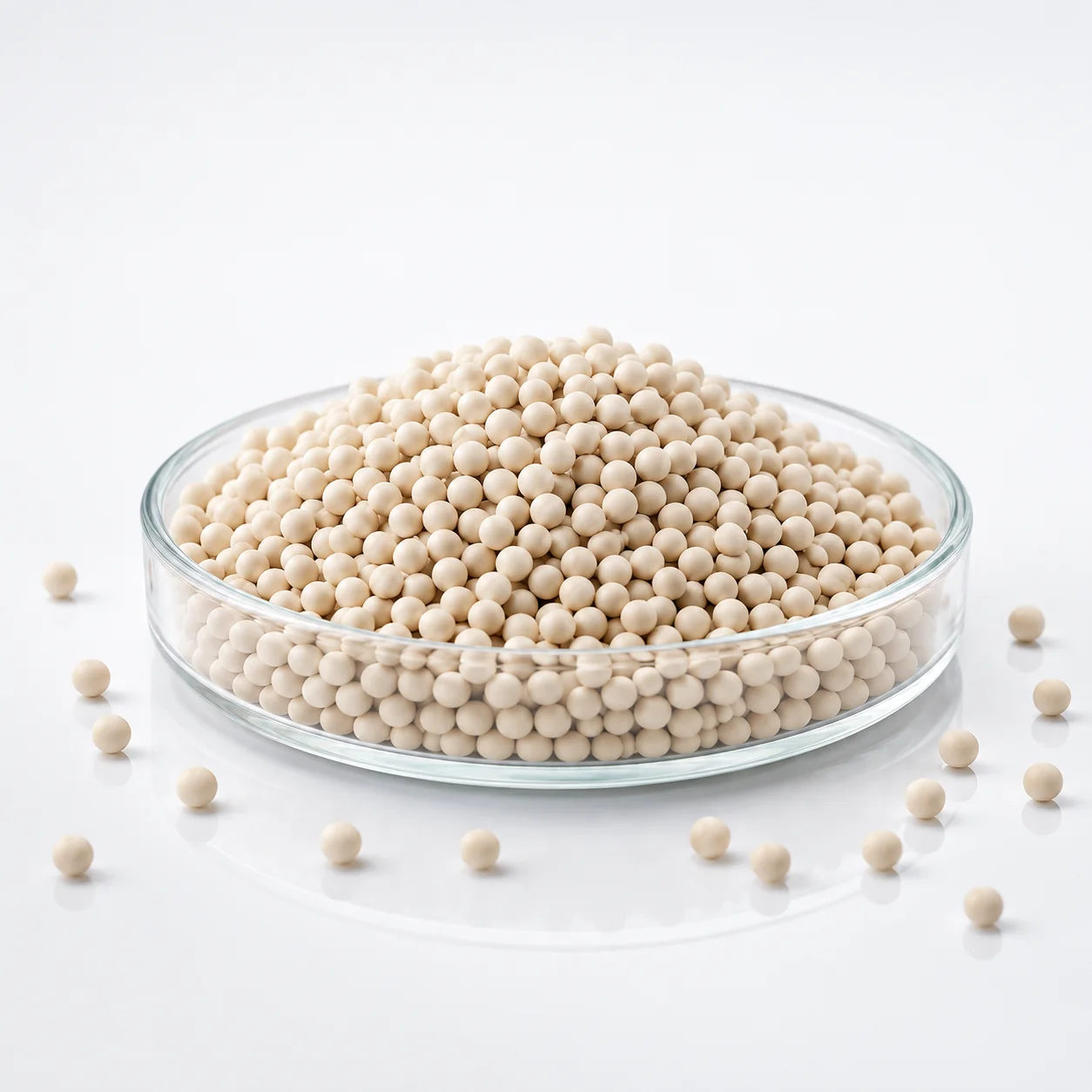
3A Molecular Sieve
Commonly reviewed for ethanol and hydrocarbon dehydration, refrigerant drying and processes where water should be adsorbed while larger molecules are excluded.
View 3A Molecular Sieve →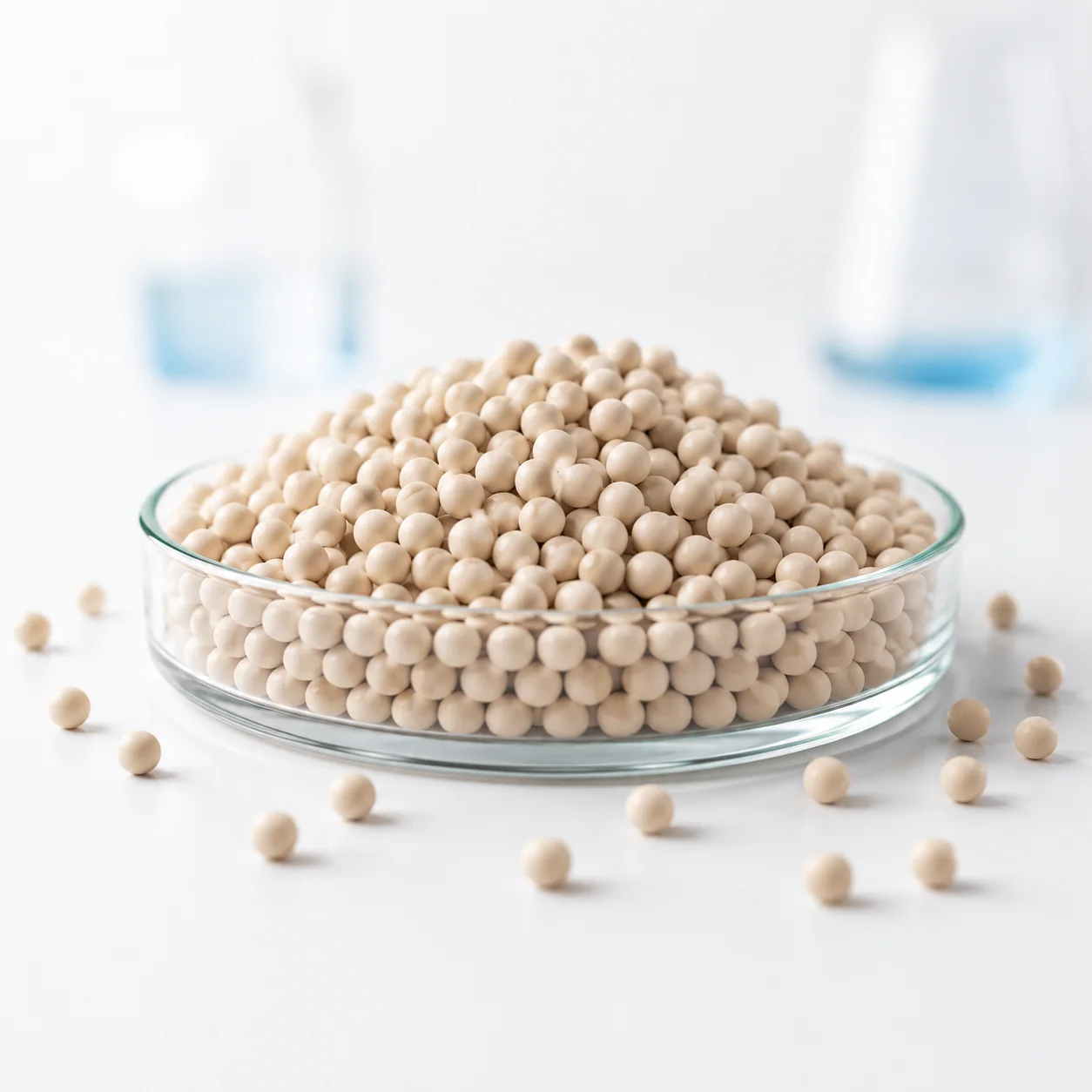
4A Molecular Sieve
A general-purpose molecular sieve used in gas and liquid drying, compressed-air treatment, solvent dehydration and selected purification duties.
View 4A Molecular Sieve →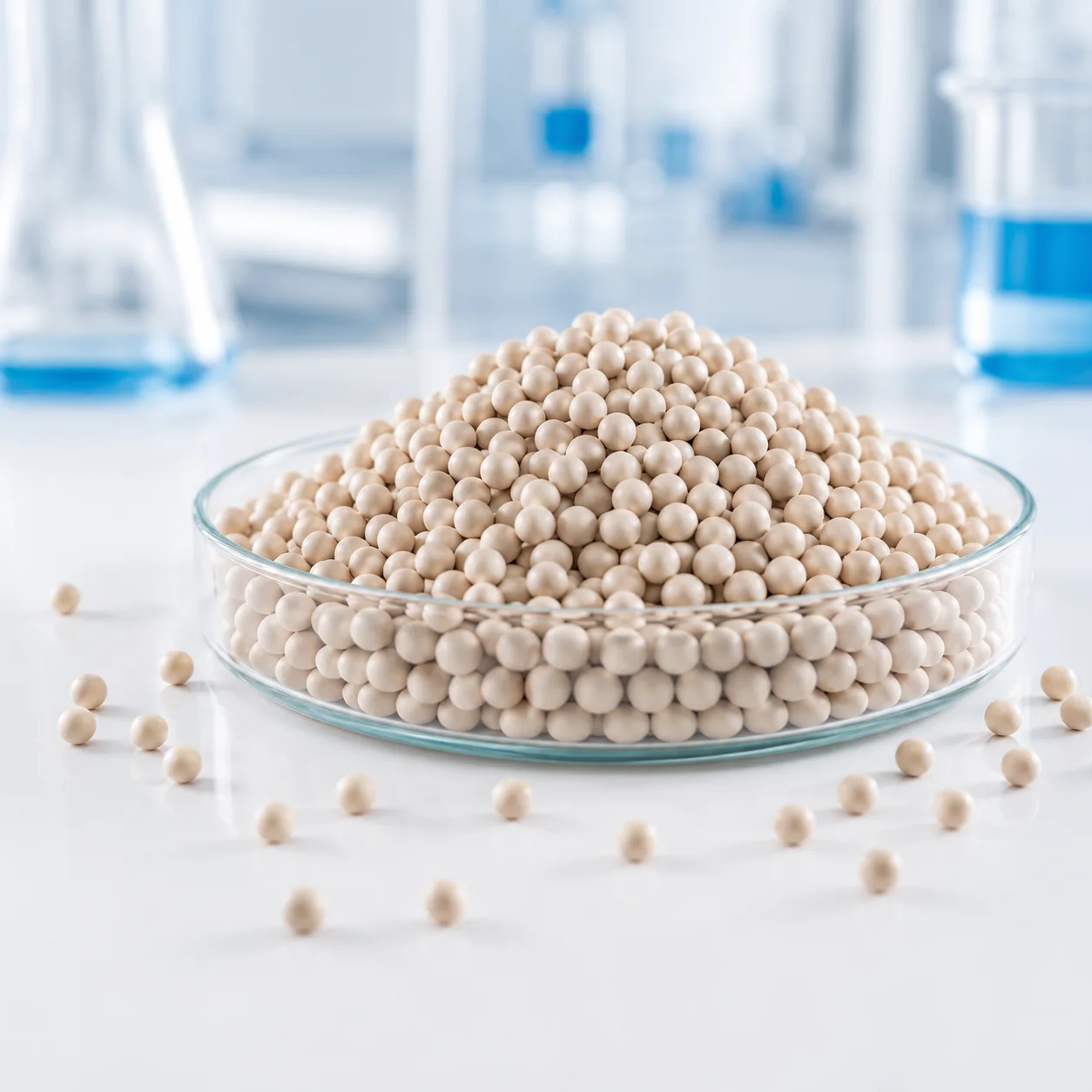
5A Molecular Sieve
Selected for gas purification and separation involving certain larger molecules, including normal-paraffin adsorption and selected contaminant-removal duties.
View 5A Molecular Sieve →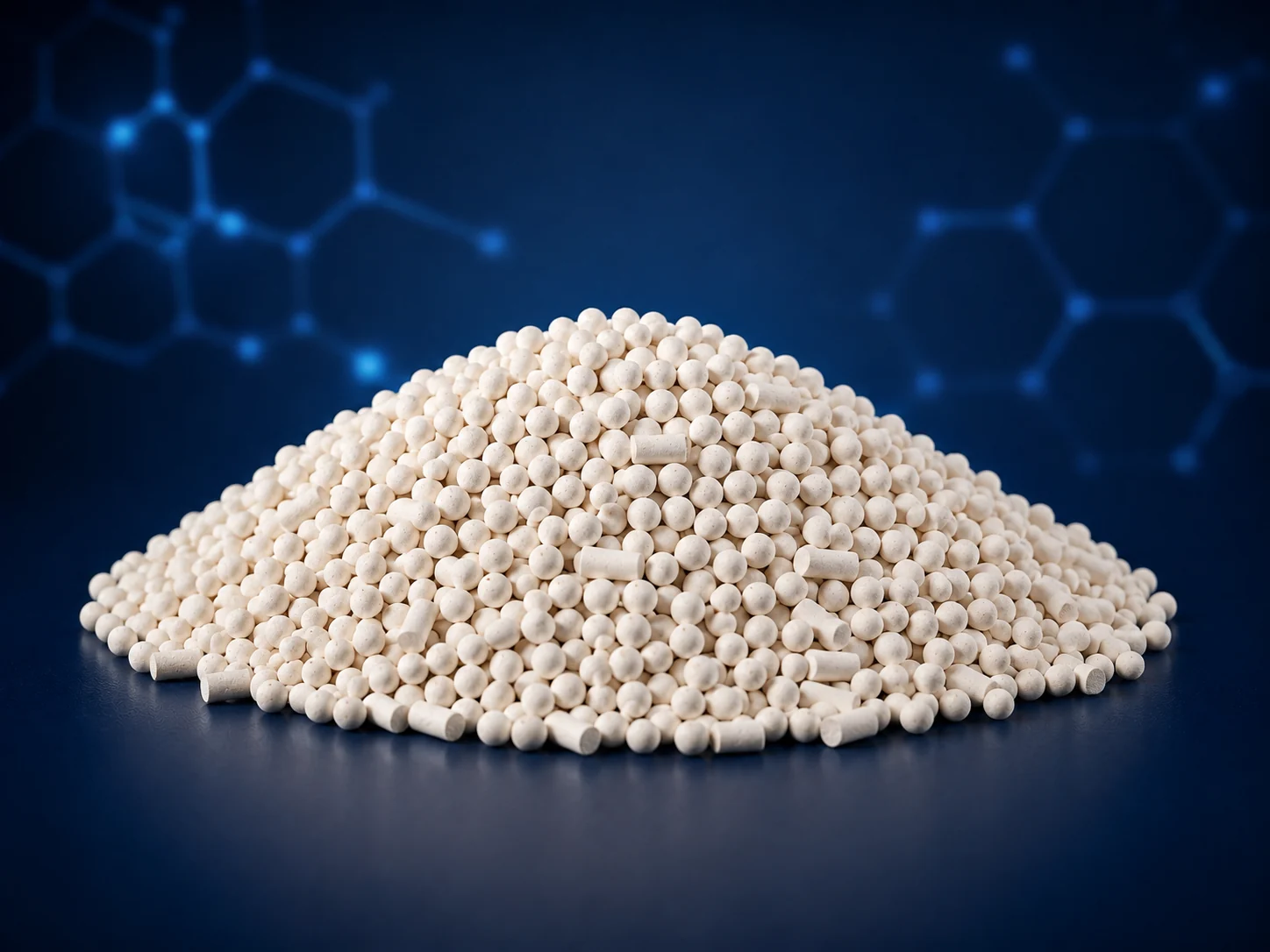
13X Molecular Sieve
Used for deep gas drying, carbon-dioxide removal, air-separation pretreatment and adsorption of molecules larger than those accepted by A-type sieves.
View 13X Molecular Sieve →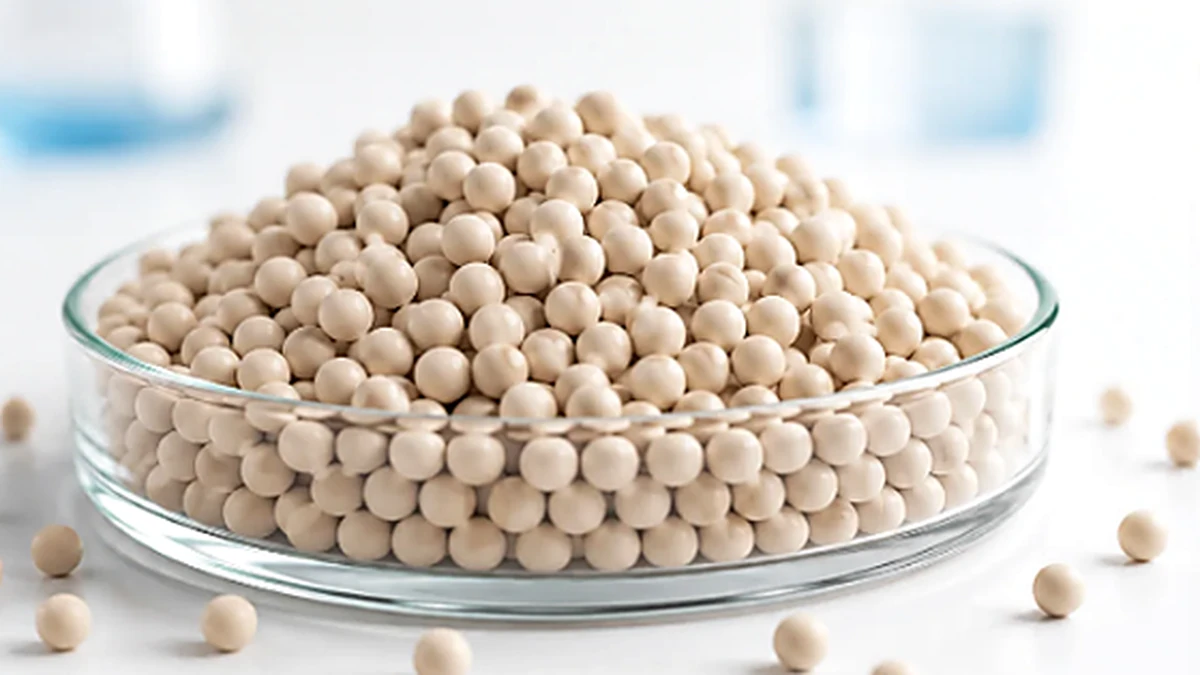
13X APG Molecular Sieve
Application-oriented X-type molecular sieve for removing moisture, carbon dioxide and selected trace contaminants before oxygen or nitrogen production.
View 13X APG Molecular Sieve →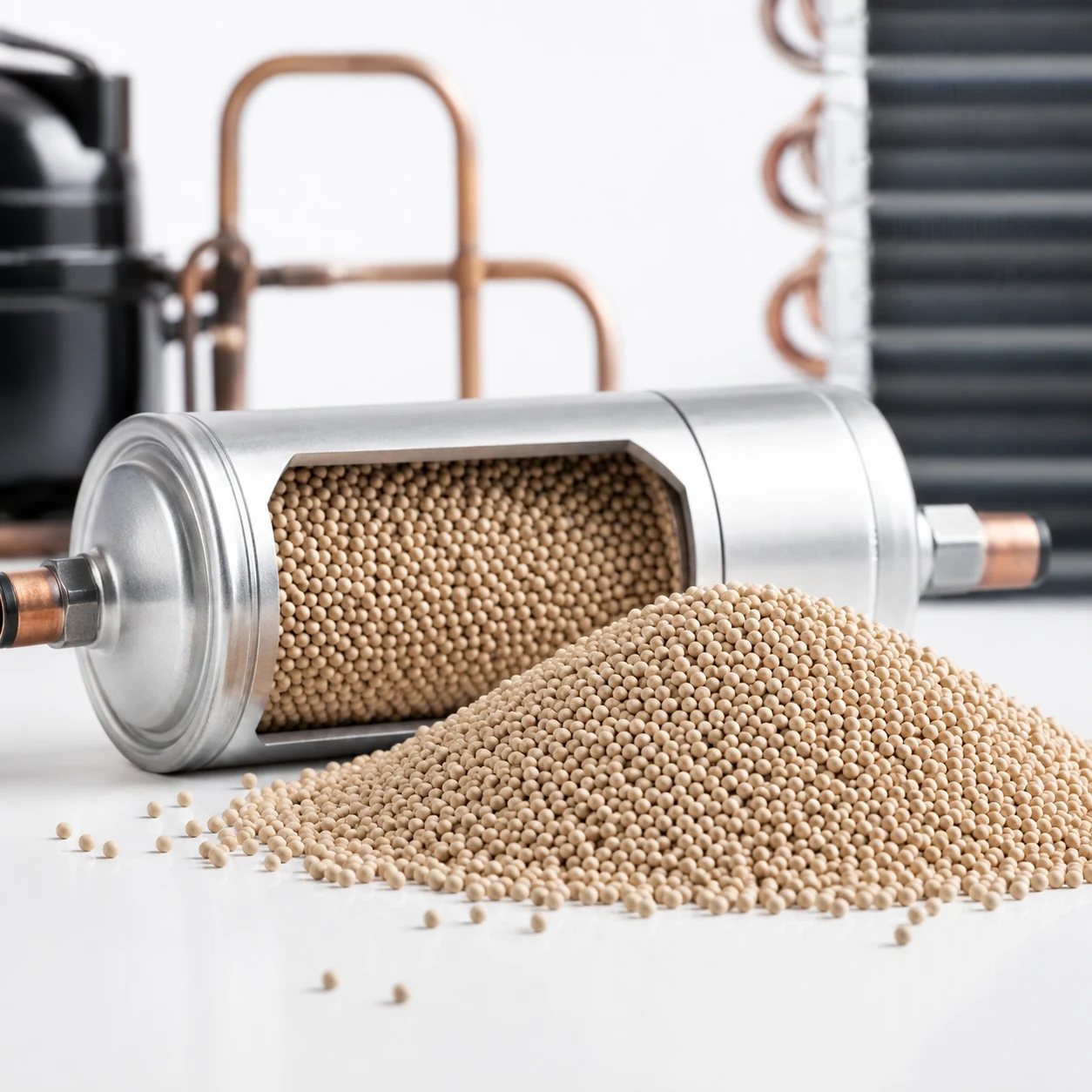
Refrigeration Molecular Sieve
Coordinated for filter driers and sealed refrigeration systems where moisture control, refrigerant compatibility and low chemical reactivity require review.
View Refrigerant Molecular Sieve →Molecular Sieves Comparison: 3A, 4A, 5A, 13X and Application Grades
Use this table for initial orientation. Final grade, formulation, particle size and performance requirements must be checked against the actual process and the selected product data sheet.
| Grade | Nominal Pore Direction | Typical Adsorption Direction | Common Application Route | Selection Note |
|---|---|---|---|---|
| 3A | Approx. 3 Å | Water while excluding many larger molecules | Ethanol, hydrocarbon and refrigerant drying | Useful where co-adsorption of larger process molecules should be limited |
| 4A | Approx. 4 Å | Water and selected small polar molecules | General gas and liquid drying | Widely used as a general-purpose dehydration grade |
| 5A | Approx. 5 Å | Water, selected acid gases, oxygenates and normal paraffins | Gas purification and separation | Process composition and regeneration conditions require review |
| 13X | Large-pore X type | Water, carbon dioxide and larger molecules | Air separation, deep purification and gas treatment | Often selected where broader adsorption is required |
| 13X APG | Application-optimized X type | Moisture, carbon dioxide and trace impurities | Air pre-purification before oxygen or nitrogen production | Confirm cycle, feed composition and required outlet specification |
| Refrigeration Grade | Application specific | Moisture in refrigerant circuits | Filter driers and sealed refrigeration systems | Confirm refrigerant, lubricant, binder and component requirements |
Nominal pore descriptions are general selection references. Adsorption capacity, crush strength, attrition, residual water, compatibility and cycle performance vary by formulation and manufacturer.
How to Select Molecular Sieves
A grade name alone is not enough for procurement approval. The following process details help narrow the product direction and reduce the risk of an unsuitable replacement.
Target Adsorbate
Clarify whether the bed must remove water, carbon dioxide, oxygenates, sulfur compounds, hydrocarbons or another contaminant.
Feed Composition
Provide the main gas or liquid composition and identify compounds that should remain in the process stream.
Operating Conditions
Temperature, pressure, inlet concentration, flow rate, humidity and required outlet specification affect selection.
Regeneration Cycle
Thermal swing, pressure swing, purge conditions and cycle time influence capacity, stability and expected bed life.
Particle Form and Size
Beads or pellets are reviewed against pressure drop, vessel dimensions, mass-transfer rate and mechanical strength.
Approval Documents
Confirm whether the project requires TDS, SDS, COA, sample evaluation, packing information or other documentation.
Industrial Applications for Molecular Sieves
Molecular sieves support a wide range of fixed-bed and component-filling applications. Each project should be reviewed according to the feed stream, equipment design and required outlet condition.
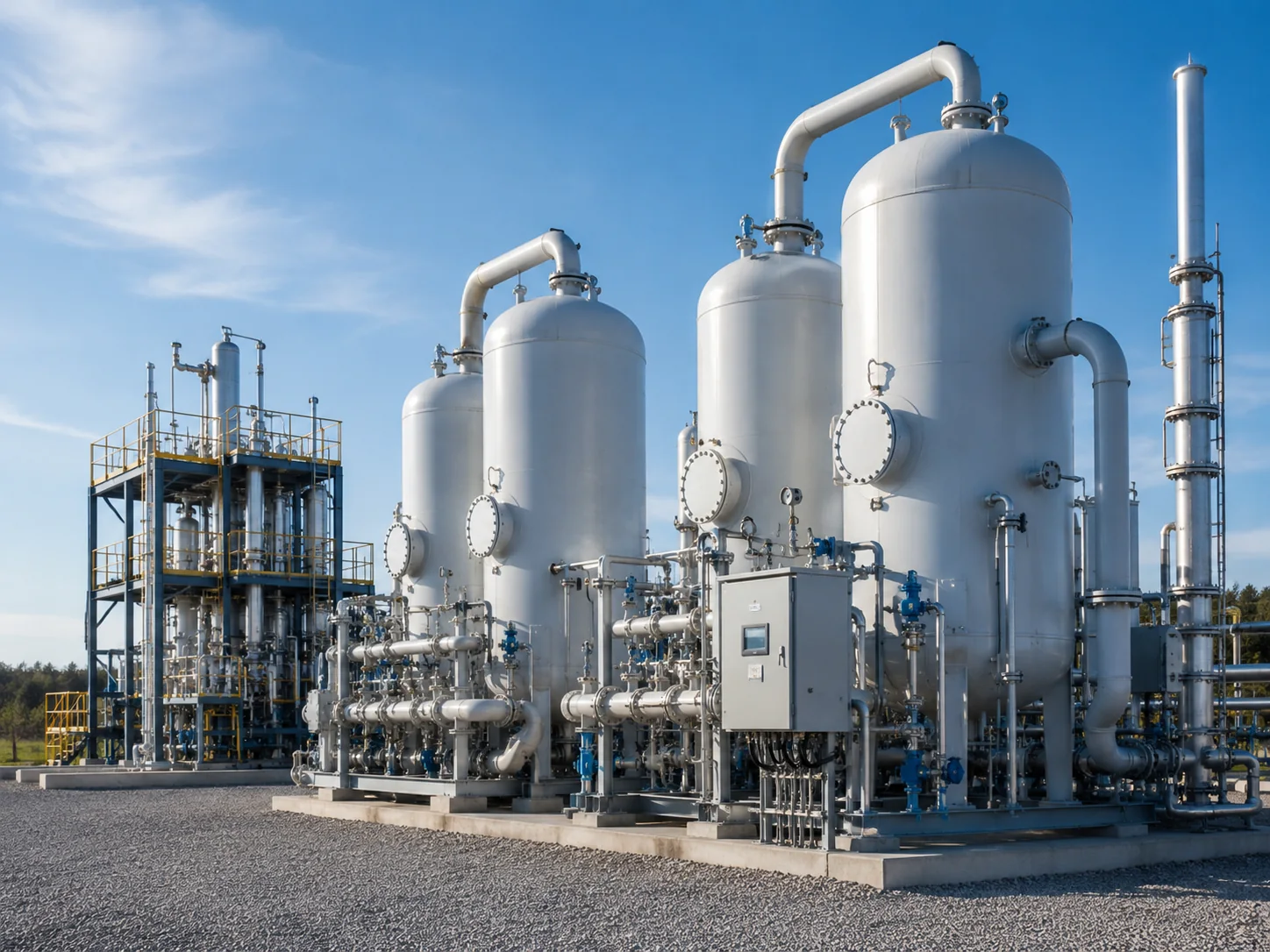
Compressed Air and Process Gas Drying
Moisture removal for compressed air, instrument air and industrial process-gas systems using suitable molecular sieve grades and particle sizes. Buyers reviewing dryer media can also see Compressed Air Drying Adsorbents.

Natural Gas Dehydration and Purification
Deep water removal and selected contaminant control before cryogenic processing, liquefaction, transmission or downstream separation.

Air Separation Pre-Purification
Removal of moisture and carbon dioxide before cryogenic air separation or related oxygen and nitrogen production processes. For PSA nitrogen projects, review PSA Nitrogen Generation Adsorbents.
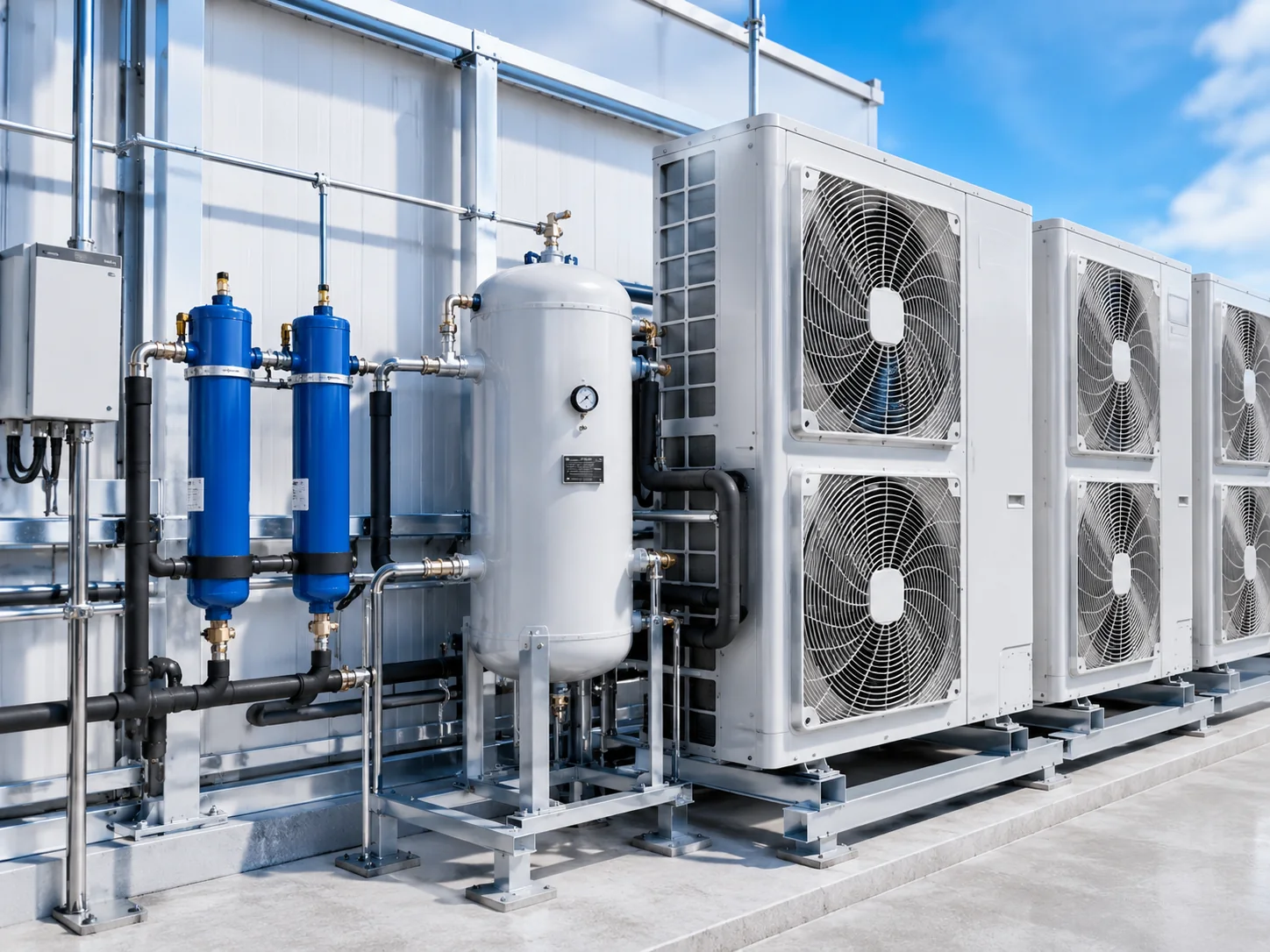
Filter Driers and Sealed Cooling Systems
Application grades for moisture control in refrigerant circuits, components and sealed systems where compatibility requires careful confirmation.
Molecular Sieve Beads, Pellets and Packaging
Availability varies by grade and source. Particle size, packaging, labels and export preparation are confirmed during quotation rather than treated as universal stock specifications.
Beads
Common industry references include 4×8 mesh, approximately 2.5–5.0 mm, and 8×12 mesh, approximately 1.6–2.5 mm.
Pellets
Common pellet references include 1/8 inch, approximately 3.0–3.3 mm, and 1/16 inch, approximately 1.5–1.8 mm.
Sealed Packaging
Moisture-protective bags, drums or other sealed packing can be coordinated according to grade, quantity and transport requirements.
Export Preparation
Pallets, neutral labels, shipping marks, packing lists and document requirements can be reviewed before order confirmation.
Molecular Sieve Supply Support from Adsorbent Source
We help convert an application or replacement requirement into a clearer sourcing package, then coordinate specifications, samples, documents, packing and quotation details with suitable supply sources.
Application and Grade Review
Organize the target contaminant, process conditions, current material and required performance into an initial product direction.
Supplier and Specification Coordination
Compare available grades and clarify which parameters need manufacturer confirmation before quotation or approval.
Samples and Technical Documents
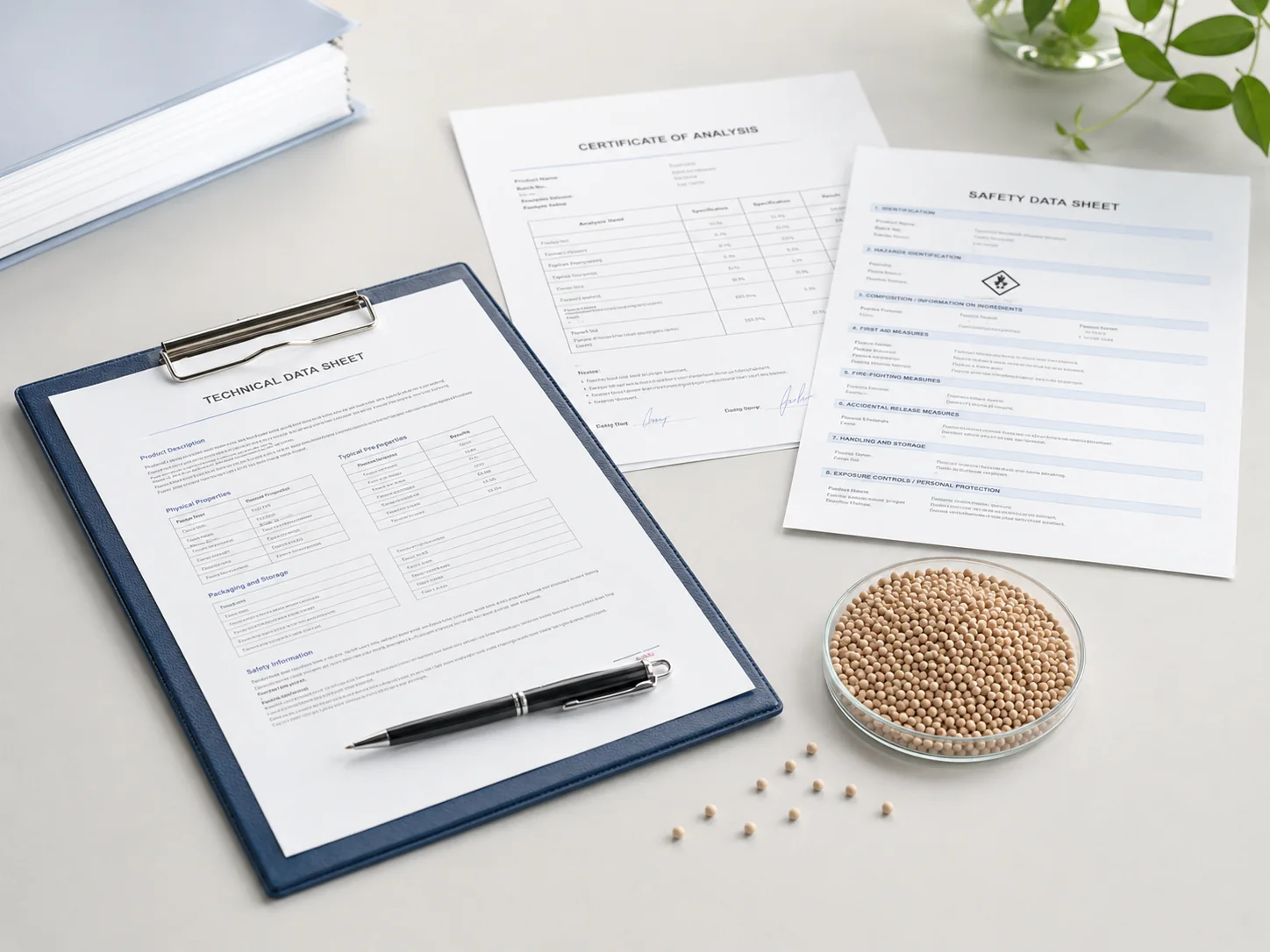
Coordinate available samples, TDS, SDS, COA, packing information and other documents required for evaluation.
Packaging and Export Review
Confirm quantity, packing method, labels, pallet requirements, shipping marks and commercial document needs.
Replacing an existing molecular sieve?
Send the current grade, particle size, available TDS or COA, equipment type, operating conditions and any performance problem. We will use these details as the starting point for replacement review.
Information Needed for a Molecular Sieve Quote
Basic information is enough to start. More complete operating details allow a faster and more useful review of grade, size, sample, document and packaging requirements.
Molecular Sieves FAQ
What are molecular sieves used for?
Molecular sieves are zeolite adsorbents used for industrial drying, dehydration, gas purification, air-separation pretreatment, refrigerant drying and selected separation processes. The suitable grade depends on the target molecule, pore size, operating condition and regeneration method.
What is the main difference between 3A, 4A, 5A and 13X?
The grades differ mainly in pore opening, cation form and adsorption behavior. 3A is highly selective for water, 4A is a general drying grade, 5A admits somewhat larger molecules, and 13X provides broader adsorption for deep purification and air-separation duties.
Which molecular sieve is used for refrigeration systems?
Refrigeration products are selected according to the refrigerant, lubricant, filter-drier design and compatibility requirements. Many applications use specially formulated 3A-based materials, but the exact grade should be confirmed for the system.
Are beads and pellets interchangeable?
Not automatically. Particle form and size affect pressure drop, packing behavior, crush strength and mass transfer. The vessel or component design should be reviewed before changing form.
What information should I send for a molecular sieve quote?
Send the application, target contaminant, feed composition, temperature, pressure, flow rate, required outlet condition, current grade if replacing media, particle size, quantity, packaging and required documents.
Can you provide samples before a bulk order?
Sample feasibility, quantity, packing and freight method can be reviewed according to the selected grade, destination and intended evaluation.
Can you help replace an existing molecular sieve?
Yes. Share the current product name, specification, particle size, available documents, equipment details, operating conditions and reason for replacement.
Can you coordinate TDS, SDS and COA documents?
Available documents depend on the selected product and supply source. State the required document set during inquiry so it can be included in the review.
Need Help Selecting or Replacing Molecular Sieves?
Send your application, current grade, target contaminant, operating conditions, required quantity and document needs. Adsorbent Source will organize the information and coordinate the next step for product review, sample, quotation or technical documentation.