Molecular Sieve Sample Evaluation Checklist Before Bulk Purchase
A useful molecular sieve sample evaluation connects the tested material to its grade, lot, documents, test conditions and intended service. Use this checklist to define what to compare before approving a trial or bulk order.
What Should a Molecular Sieve Sample Evaluation Confirm?
The evaluation should show that the sample is traceable, documented and suitable for the intended process or component under an agreed comparison method.
Quick answer: record the product grade, batch or lot, particle form and sample condition; match the TDS, SDS and any available COA to that identity; agree the test method and conditions before testing; then compare the result against the application requirement and the proposed bulk supply specification.
There is no single pass value for every molecular sieve duty. Use the selected grade specification, application conditions and agreed test method to define acceptance.
Keep the comparison on one basis
- Same grade and physical form as the quotation
- Same sample preparation and conditioning
- Documented temperature, pressure and feed conditions
- Defined measurement method, units and acceptance basis
Make the Sample Traceable Before Testing
Keep each sample sealed until the test plan is ready. Photograph the outer label and package, assign an internal sample code, and connect every observation and result to that same code.
Ask whether the sample represents the grade and routine supply format quoted for the order. A sample with no clear grade, lot or source reference cannot support a reliable approval record.
Record at receipt
- Supplier, product designation and grade
- Batch or lot reference, where provided
- Receipt date, seal condition and net sample quantity
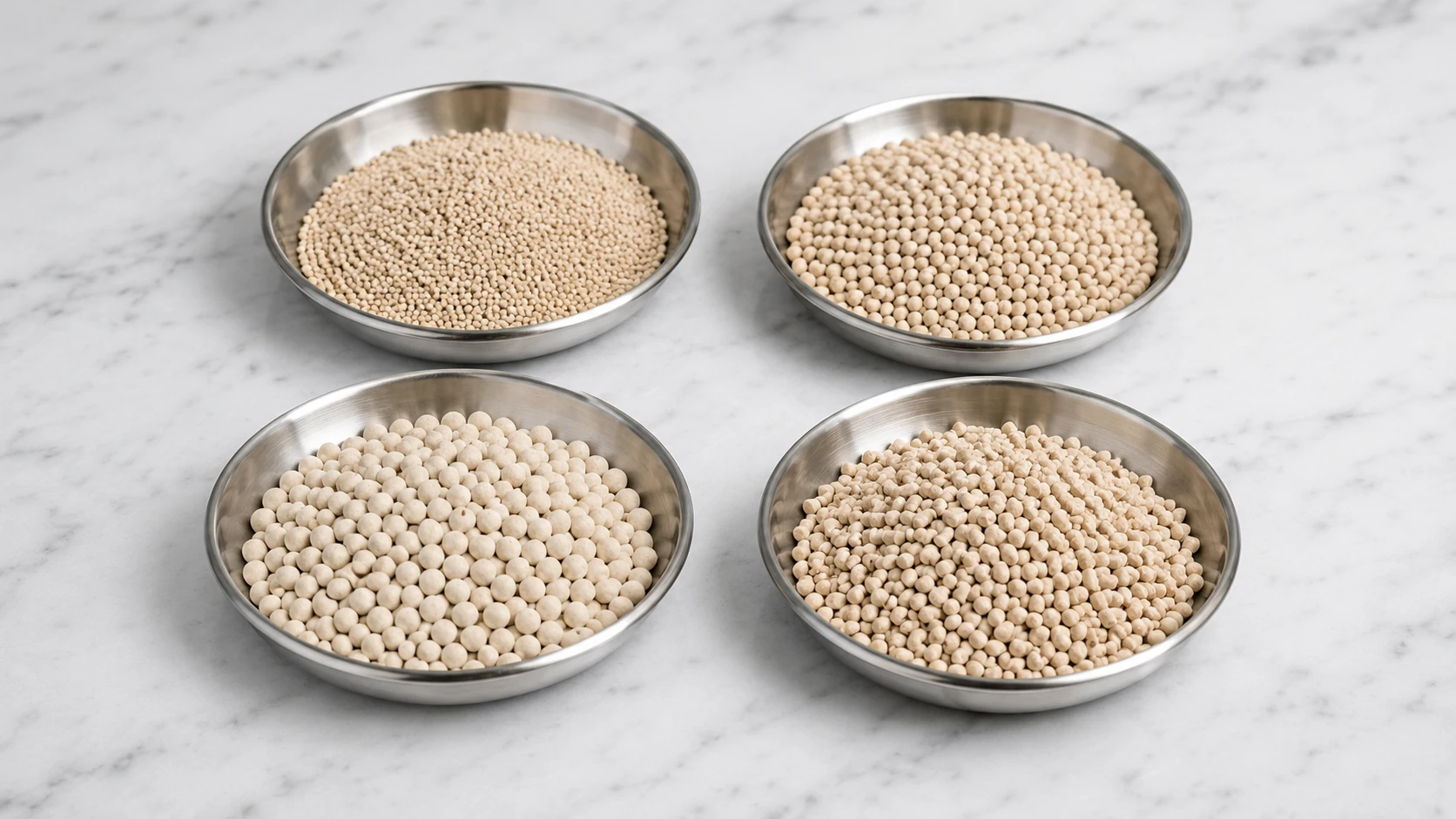
- Beads, pellets or powder; stated particle size
- Package type, storage instructions and visible condition
Check That Each Document Describes the Sample Under Review
Document names alone are not enough. Confirm the product identity, revision, reported test basis and relationship to the sample or lot being evaluated.
| Record | What to check | Question before bulk approval |
|---|---|---|
| Sample label or packing list | Supplier, grade, lot reference, physical form, package type and sample quantity. | Does this match the grade, particle form and supply format proposed for the order? |
| Technical Data Sheet (TDS) | Stated properties, specification or typical values, test method, units and conditions. | Are the reported conditions relevant to the intended duty, and are typical values distinguished from release limits? |
| Safety Data Sheet (SDS) | Product identity, safe handling, storage, spill response and applicable composition information. | Does the SDS identify the same product or grade under review? |
| Certificate of Analysis (COA), if supplied | Lot identification, reported tests, units and the link between results and the sample lot. | Can the production shipment be supplied with agreed lot identification and records? |
| Packaging and shipment record | Moisture protection, inner liner or seal, net weight, storage and export packing details. | Will the bulk shipment arrive protected in a format compatible with storage and loading? |
Test the Properties That Matter to the Molecular Sieve Duty
Static capacity, dynamic bed performance and mechanical properties answer different questions. Select the evaluation around the actual application rather than comparing unrelated headline values.
| Grade direction | Evaluation focus | Confirm before comparison |
|---|---|---|
| 3A | Selective moisture removal in applications where limiting access of larger molecules is relevant. | Feed composition, target moisture, particle form, test conditions and grade-specific data. |
| 4A | General industrial drying and adsorption of accessible molecules. | Possible co-adsorption, inlet conditions, outlet requirement and regeneration basis. |
| 5A | Selected separation and adsorption duties, including application-specific gas processing. | Target component, process cycle, dynamic performance basis and proposed formulation. |
| 13X / 13X APG | Air purification, CO₂ and moisture-related duties or other application-specific purification routes. | Contaminant profile, operating cycle, inlet conditions, regeneration and the exact grade specification. |
| Refrigerant or other application grade | Sealed component or service-specific moisture-control requirements. | Compatibility, particle size, component filling process and applicable product documentation. |
Set the Test Method and Conditions Before the Sample Is Opened
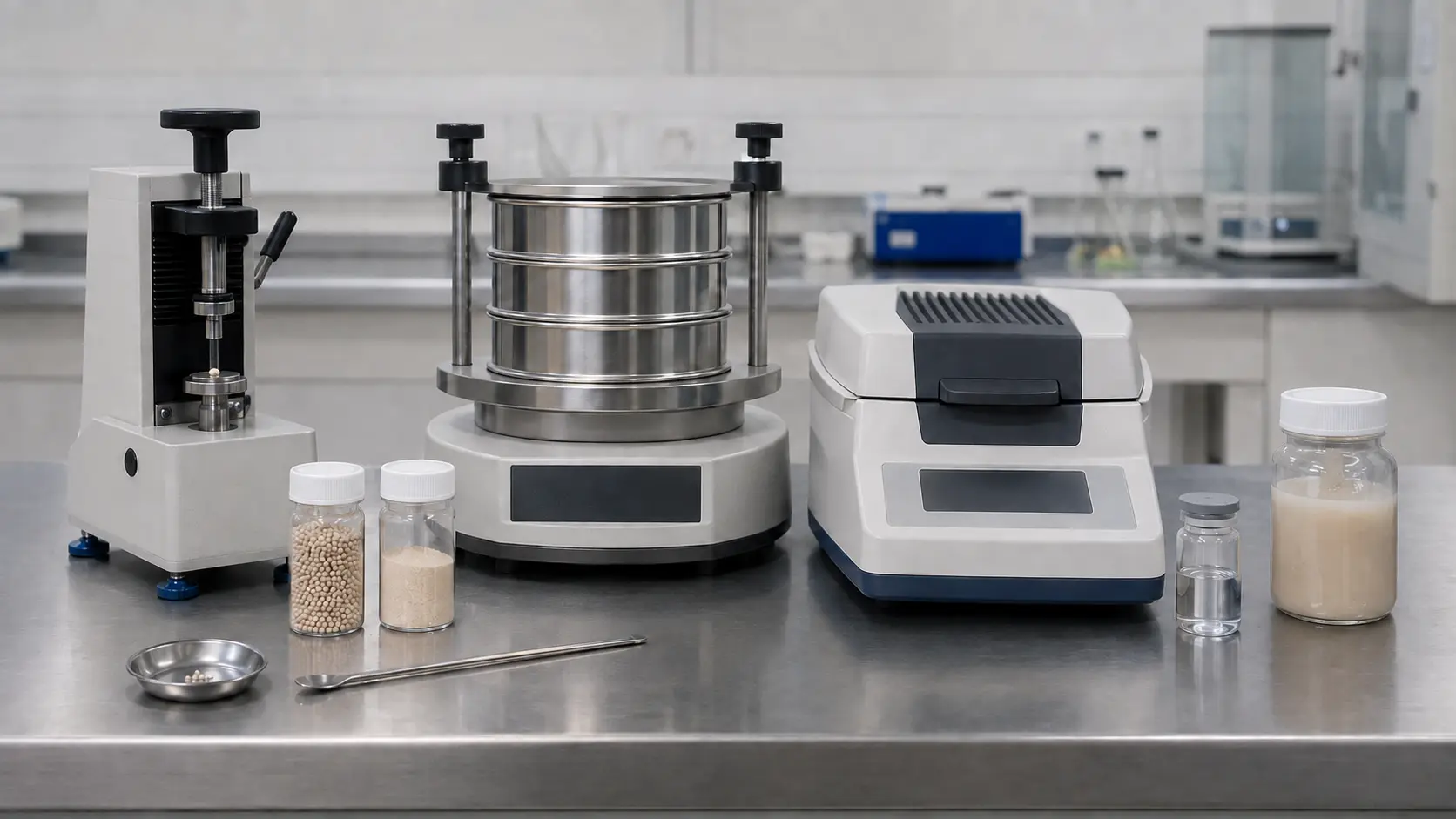
Write down the property to measure, sample preparation, test conditions, comparison baseline, method, units and who will review the outcome. The test should represent the buyer’s application or clearly state its limits.
Set the purpose
State the process, target impurity or moisture level, operating cycle and decision the test must support.
Condition the sample
Record drying or activation instructions, storage exposure, sample mass and preparation history.
Use one method
Document method, revision, equipment, units, temperature, pressure, feed and flow conditions.
Review the result
Compare with the buyer specification or control sample on the same test basis; record deviations.
Match bulk supply
Confirm approved grade, form, lot documents, packaging and change-control expectations.
Molecular Sieve Sample Evaluation Checklist
Complete the sections that apply to the service. Mark non-applicable items and record the reason so purchasing and technical reviewers can follow the decision.
Receiving and Identity
- Assign an internal sample ID and receipt date.
- Photograph the label, seal and package condition.
- Record grade, lot reference, particle form and stated size.
- Confirm the sample represents the proposed supply item.
Documents and Specification
- Match TDS and SDS to the named product or grade.
- Record test methods, revisions, units and conditions.
- Check available COA lot reference and reported results.
- List required batch, packing or export documents.
Sample Test
- Agree method, preparation, baseline and acceptance basis first.
- Use the intended beads, pellets or powder in the evaluation.
- Record equipment, feed, temperature, pressure, flow and results.
- Use a representative bed or component trial when needed.
Bulk Purchase Release
- Write the approved grade, physical form and particle size into the order.
- Confirm how production lots will be identified and documented.
- Agree how changes, substitutions and deviations will be reviewed.
- Obtain purchasing and technical-owner sign-off.
Molecular Sieve Sample Evaluation FAQ
Use the checklist to document a decision for the intended grade and service. Confirm the final acceptance basis against the supplier’s current product data.
How much molecular sieve should I request for a sample?
Request enough material for the agreed measurements, repeat tests where needed and any representative application trial. The amount depends on the test setup, sample preparation and whether a bed or component is being evaluated.
Can I compare adsorption values from different TDS documents?
Only after checking grade, sample preparation, method, units, temperature, pressure and other stated conditions. Values reported on different bases may not be directly comparable.
Is a static adsorption result enough to approve a fixed-bed grade?
Not always. If breakthrough, pressure drop, particle strength, dust or loading behavior affects the duty, agree on how those factors will be assessed for the actual bed or equipment.
Does approval of one sample automatically approve later bulk lots?
No. Record how the approved grade and form will be matched to production supply, what lot documents are required and how substitutions or specification changes will be reviewed.
What should I send when requesting a sample or quote?
Share the application, target molecule or contaminant, operating temperature and pressure, feed composition, flow or cycle information, outlet requirement, current grade or specification, expected quantity, destination and required documents.
Need a Molecular Sieve Sample for Evaluation?
Share the application, target grade or current specification, particle form, process conditions, estimated quantity and required documents. This helps align the sample review with the planned order and technical acceptance basis.
Before approving a production lot, compare the applicable molecular sieve TDS and COA with the tested sample. For the commercial decision, review supplier quotation comparison; before shipment, use the bulk pre-shipment inspection checklist.