Adsorbent Applications for Drying, Purification and Gas Separation
Adsorbent applications should be evaluated from the process requirement first, then matched to the appropriate molecular sieve, activated alumina, carbon adsorbent, silica gel or reactor-support material. Browse the published Adsorbent Source application guides for drying, purification, PSA separation, water treatment, moisture control and process support before moving to the related product page for grade, form, samples, technical documents and quotation.
Start With the Industrial Process
Application pages explain the process problem, adsorbent role and operating conditions. Product pages then provide grade, form, packaging and purchasing information.
Air, Gas & Refrigerant Drying
Review compressed air, natural gas and refrigerant drying according to moisture target, operating conditions and regeneration requirements.
Browse Drying Applications →Air Separation & PSA Systems
Review pretreatment, PSA oxygen and PSA nitrogen systems where adsorbent function must match process cycles and gas targets.
Browse Gas Separation Applications →Water, VOC & Liquid Treatment
Review contaminant removal from gas and liquid streams using activated alumina or carbon-based adsorbents.
Browse Purification Applications →Packaging, Formulations & Reactors
Review moisture protection, formulation moisture control and catalyst-bed support requirements.
Browse Process Support Applications →Industrial Adsorbent Application Areas
Each card below opens the dedicated Application page first. Supporting Product links are provided only after the process context has been identified.
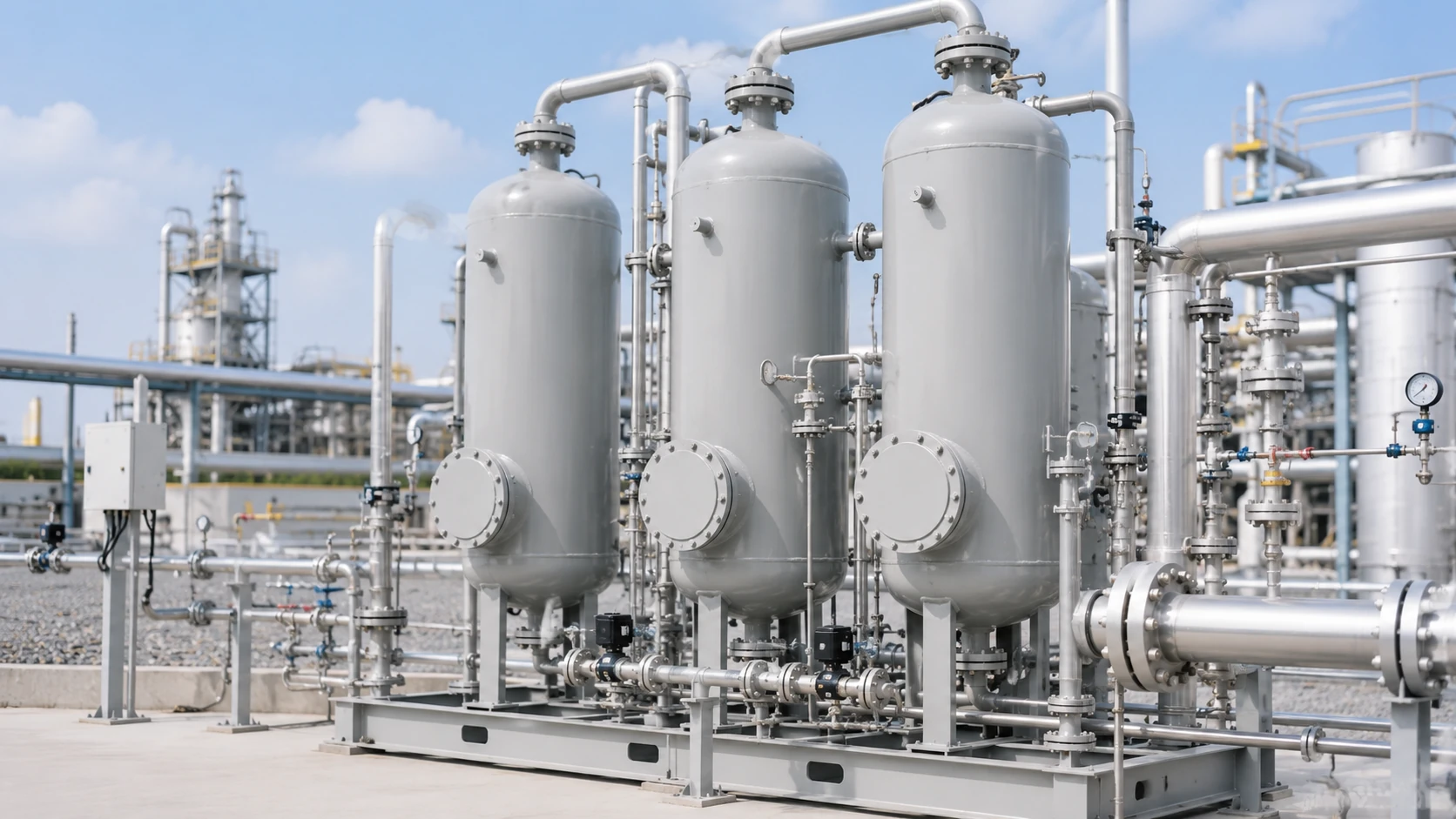
Ethanol Dehydration
3A molecular sieve selection for ethanol drying, regeneration conditions, bed replacement and bulk RFQ requirements.
Open Ethanol Dehydration Guide →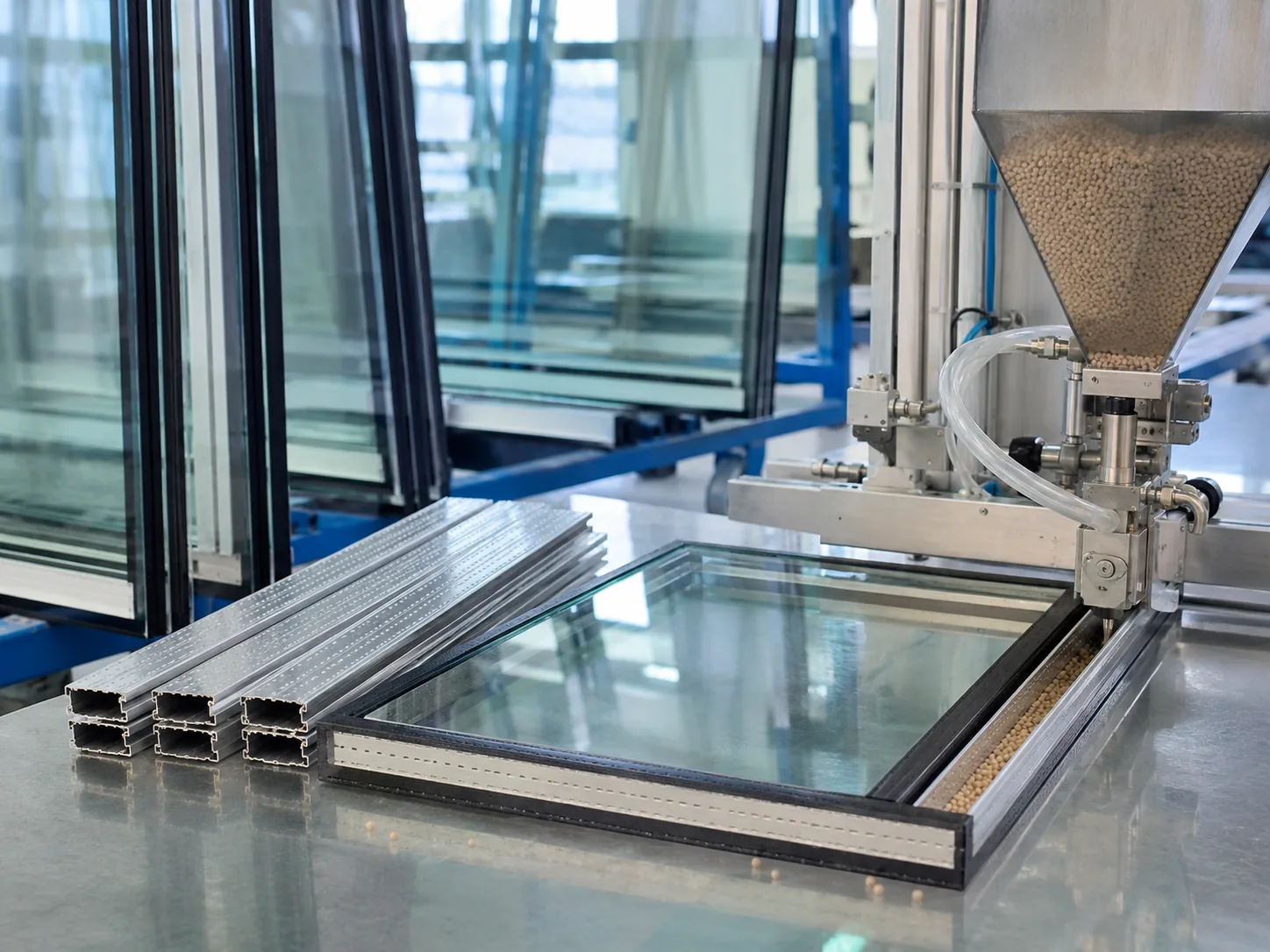
Insulating Glass Desiccant
Dedicated molecular sieve grades for spacer filling, gas compatibility, particle-size control, samples and production qualification.
Open Insulating Glass Desiccant Guide →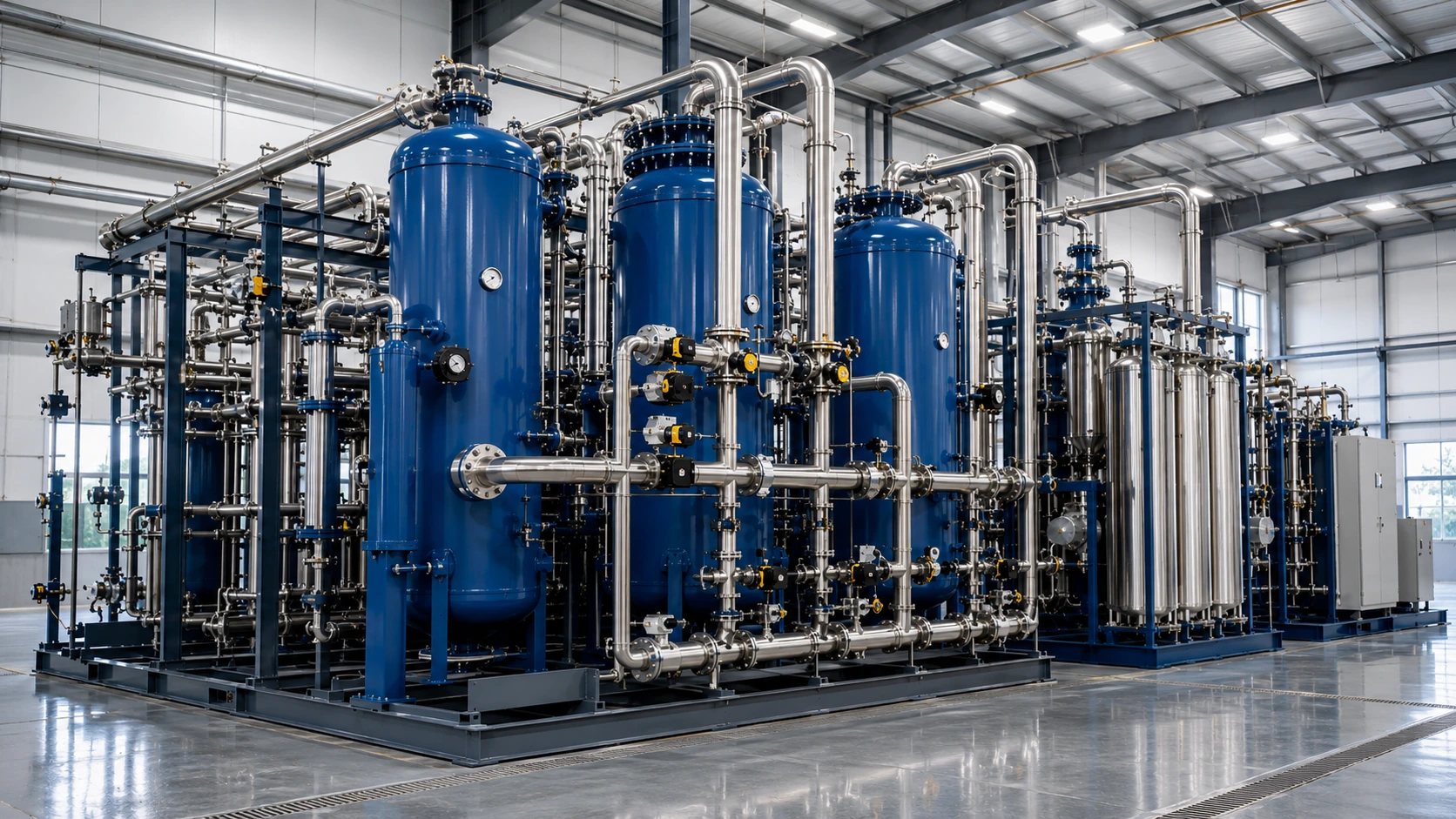
LPG & Liquid Hydrocarbon Drying
Compare molecular sieve options for LPG and NGL moisture control, process conditions, adsorber replacement and purchasing specifications.
Open LPG & Liquid Hydrocarbon Drying Guide →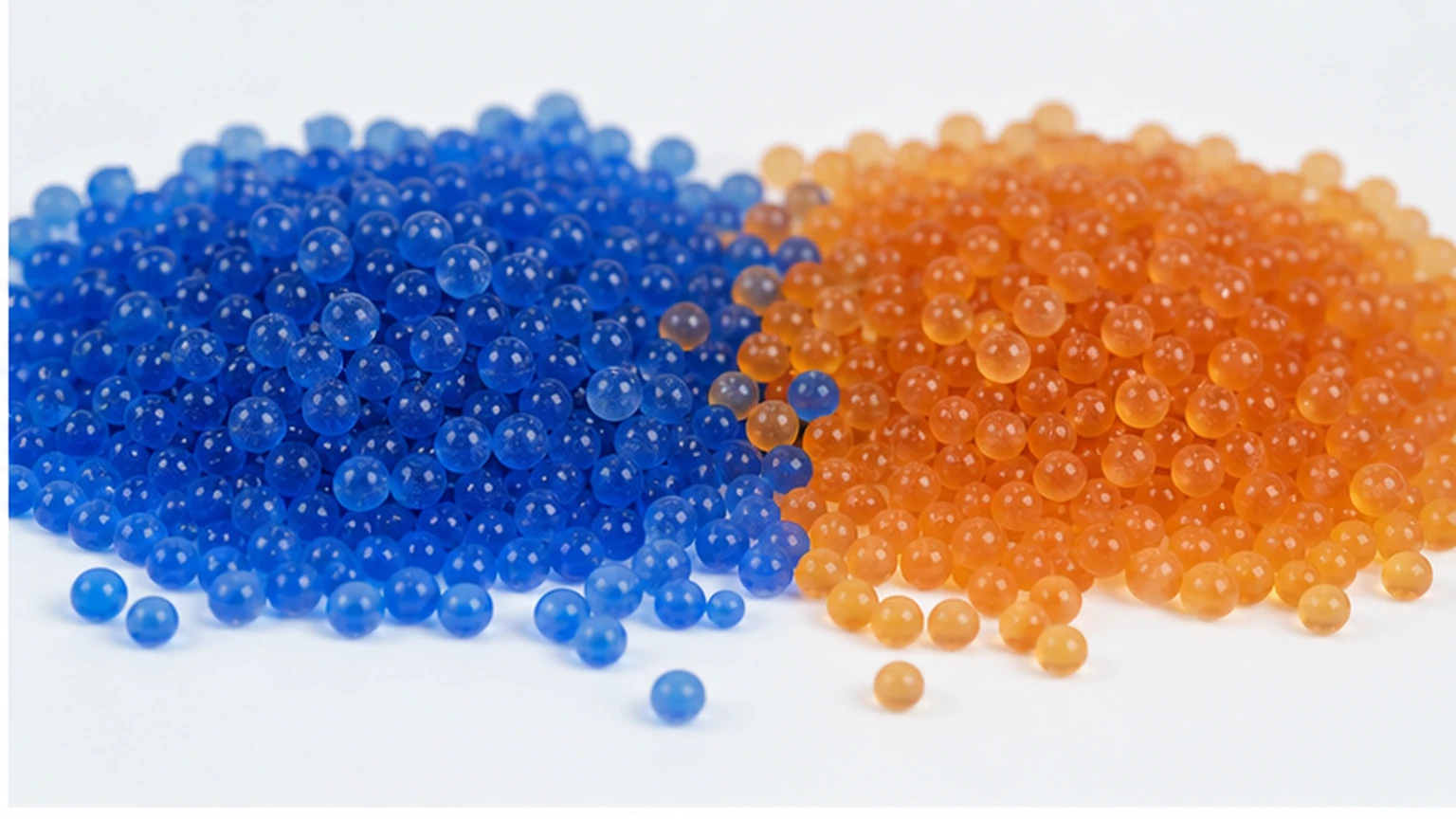
Transformer Breather Silica Gel
Indicating silica gel beads for transformer conservator breathers: grade, color-change chemistry, bead size and bulk replacement supply.
Open Transformer Breather Silica Gel Guide →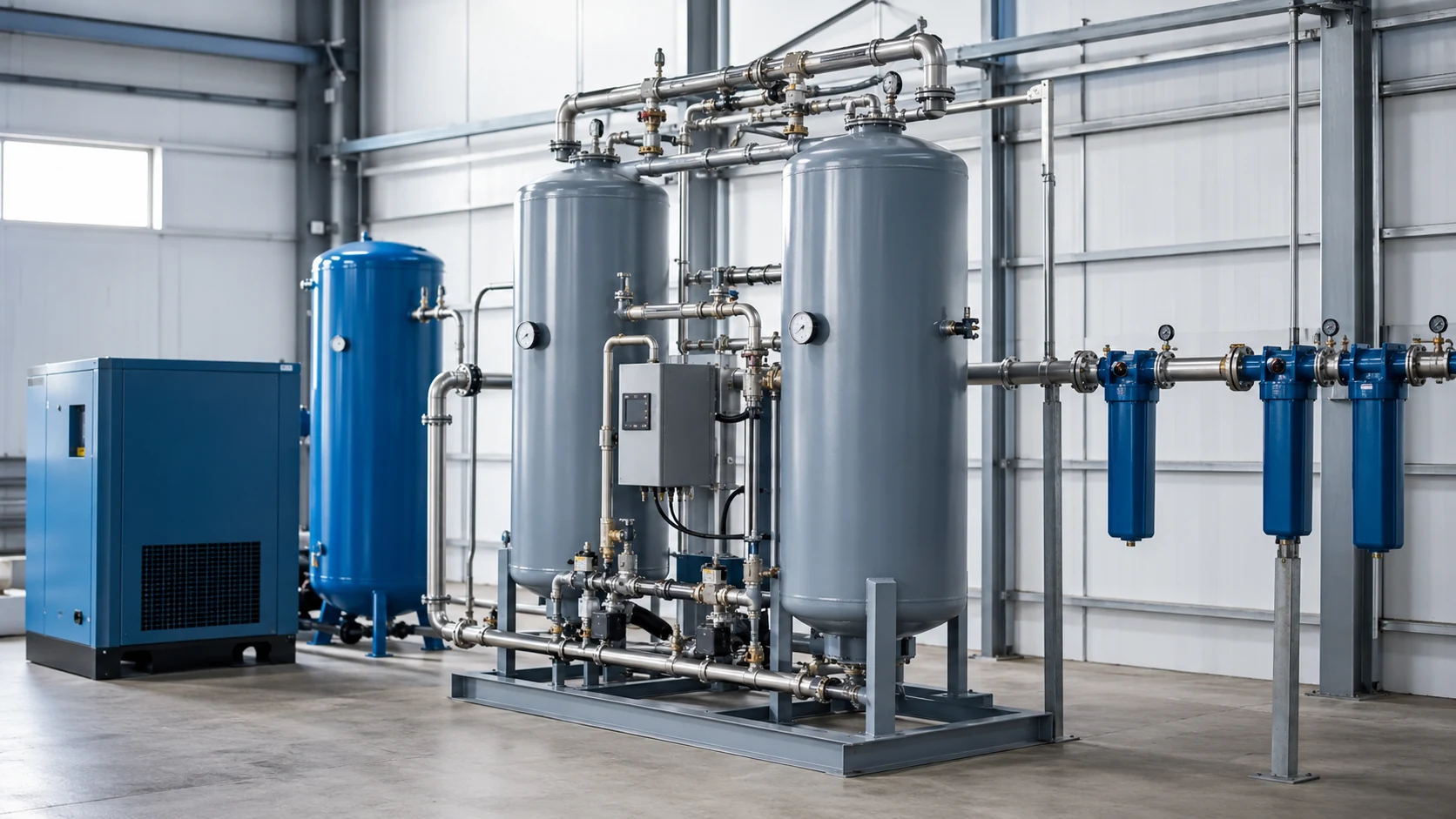
Compressed Air Drying
Adsorbent selection for regenerative compressed-air dryers according to pressure dew point, dryer type, regeneration, inlet conditions and replacement requirements.
Open Compressed Air Drying Guide →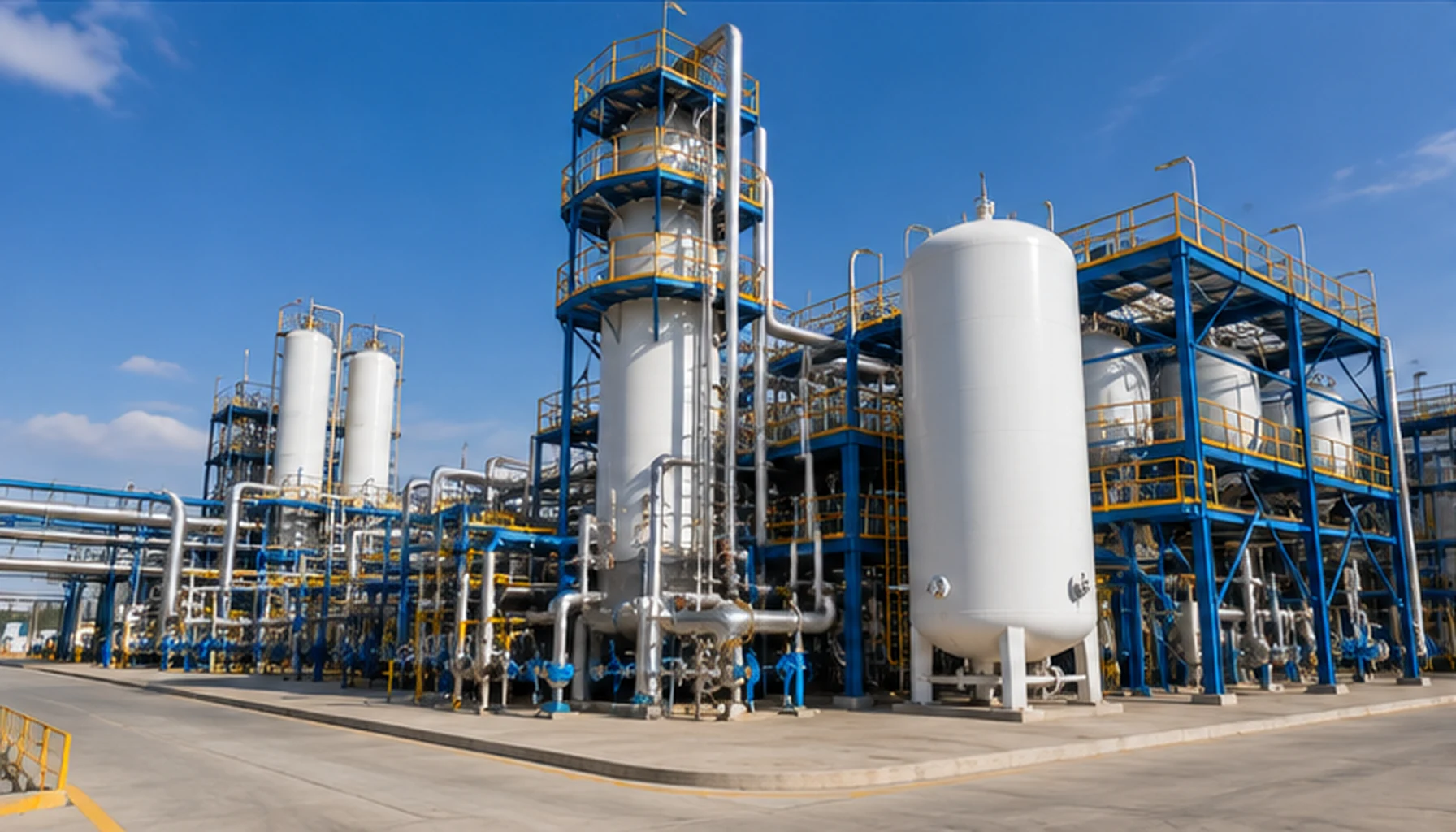
Natural Gas Dehydration
Adsorbent selection for natural-gas and process-gas dehydration according to feed composition, moisture target, temperature, pressure and regeneration conditions.
Open Natural Gas Dehydration Guide →
Air Separation Purification
Pretreatment adsorbents for removing moisture, carbon dioxide and selected contaminants before cryogenic or related air separation processes.
Open Air Separation Purification Guide →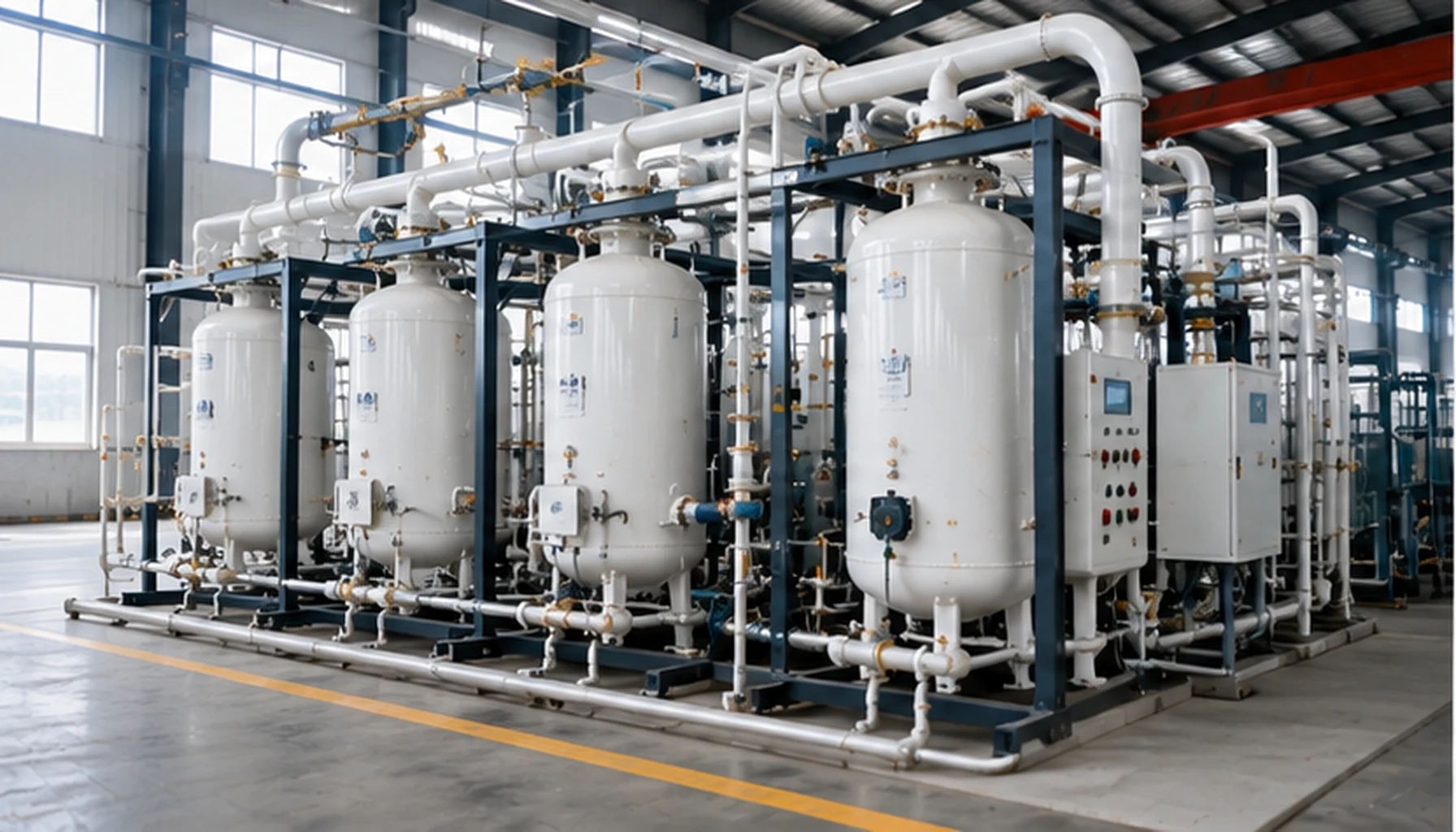
PSA Oxygen Generation
Molecular sieve selection for PSA oxygen generators based on oxygen target, airflow, adsorption pressure, cycle conditions and equipment design.
Open PSA Oxygen Generation Guide →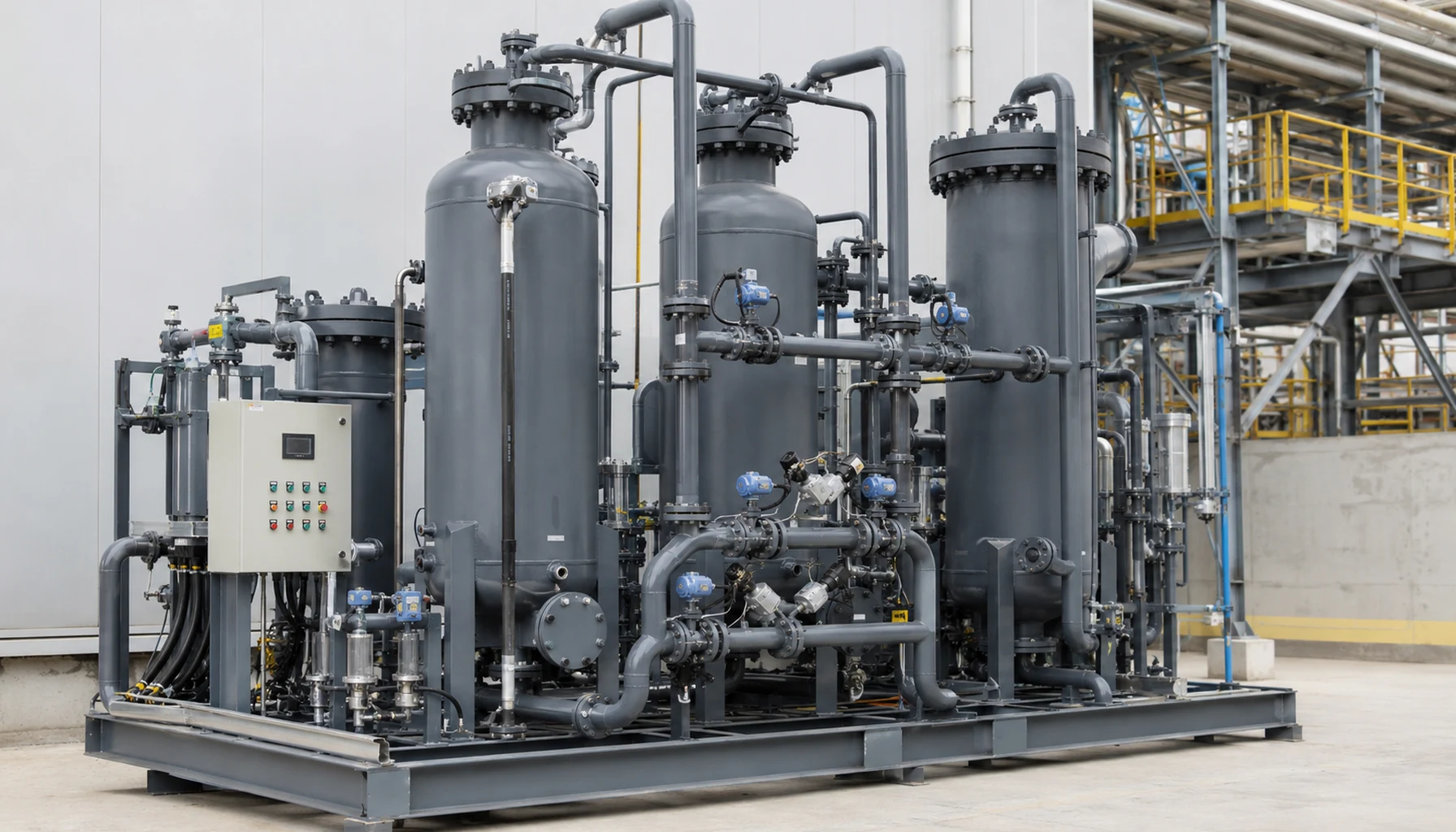
PSA Nitrogen Generation
Carbon molecular sieve selection for PSA nitrogen generators according to purity, flow, pressure, recovery, cycle timing and feed-air quality.
Open PSA Nitrogen Generation Guide →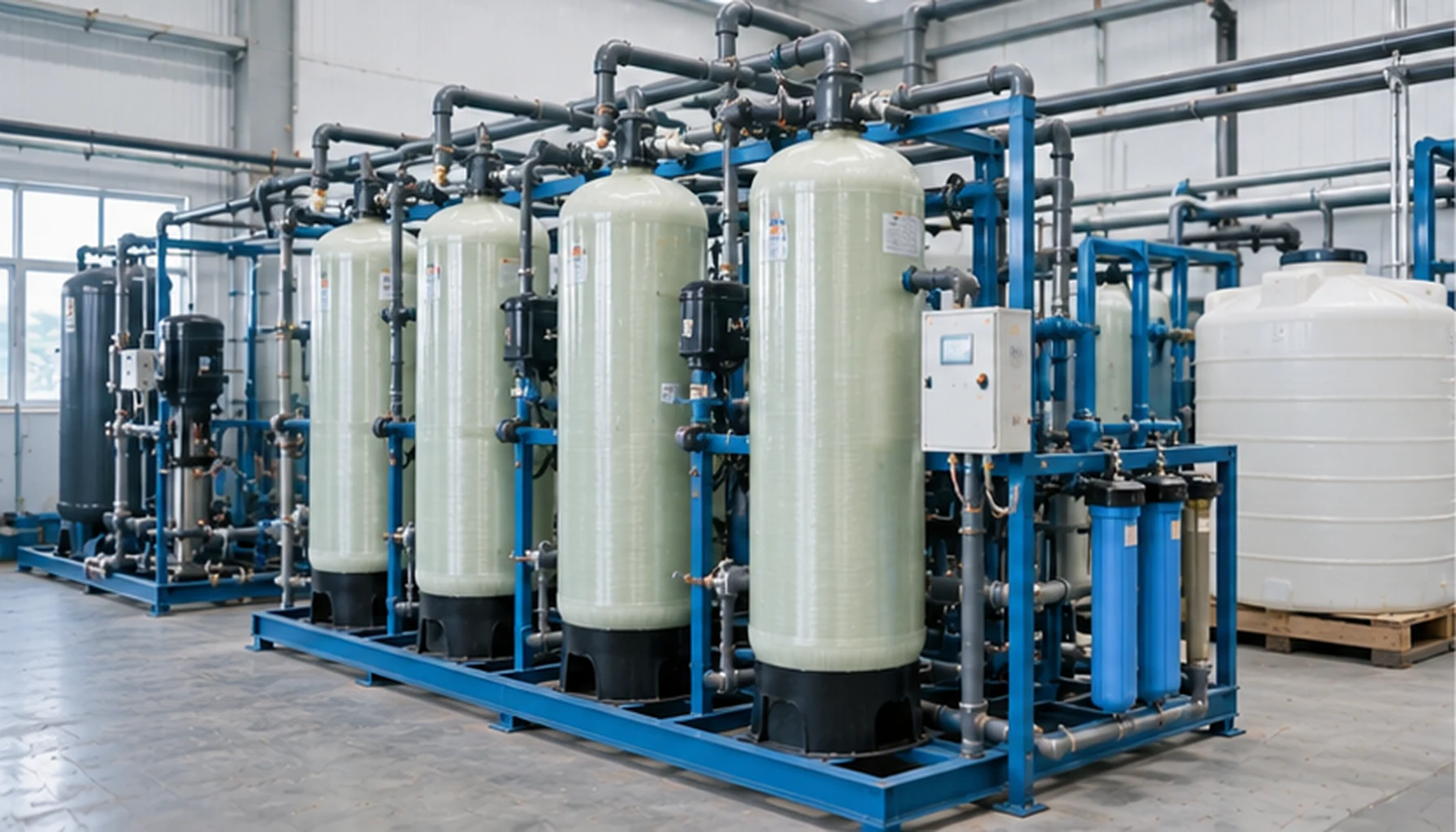
Water Treatment Adsorbents
Adsorbent selection for fluoride reduction and selected organic, odor or impurity removal based on water chemistry, pH, flow and treatment design.
Open Water Treatment Guide →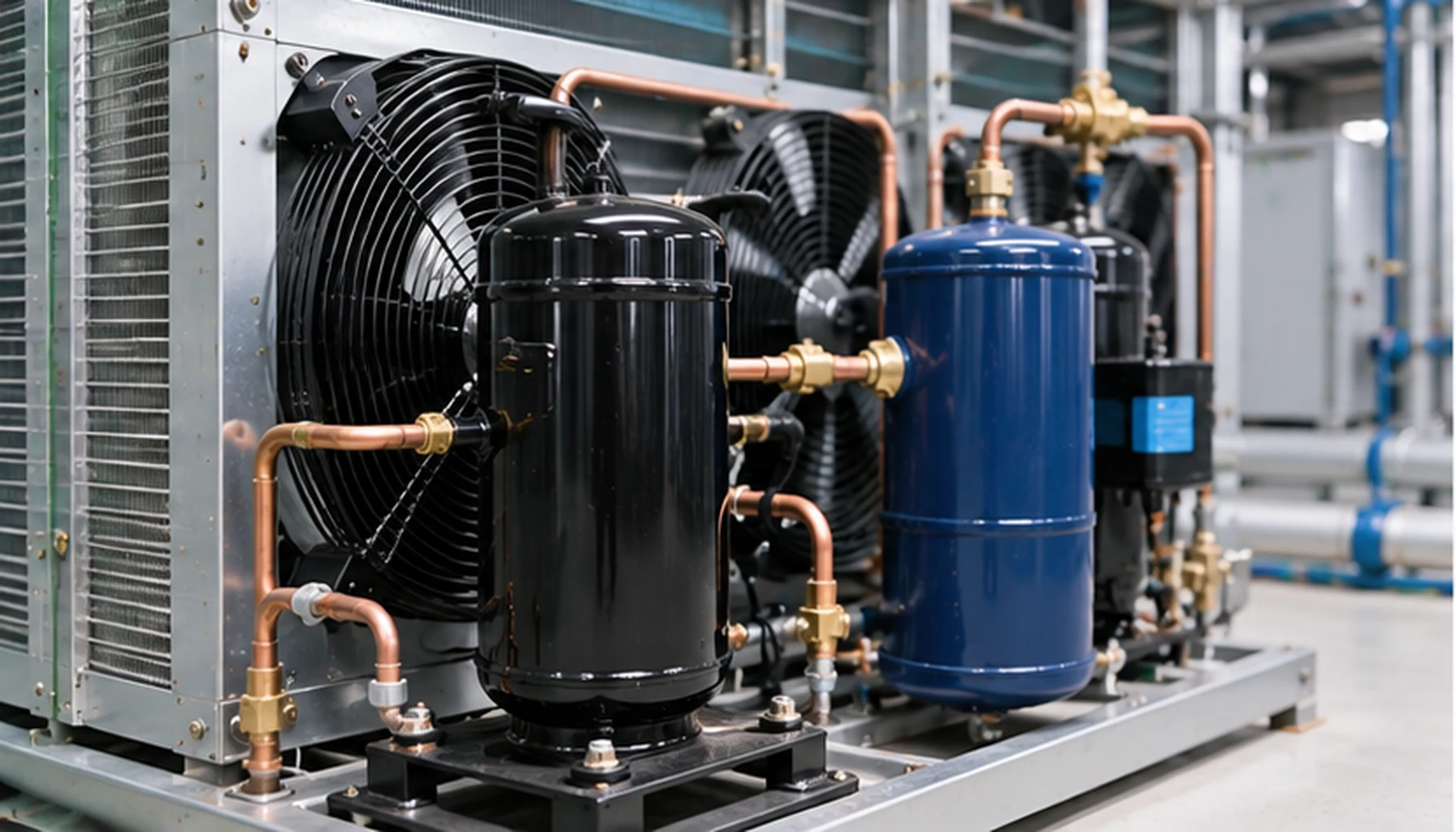
Refrigerant Drying
Molecular sieve adsorbents for filter driers and refrigerant systems where moisture control, refrigerant compatibility and particle form must be confirmed.
Open Refrigerant Drying Guide →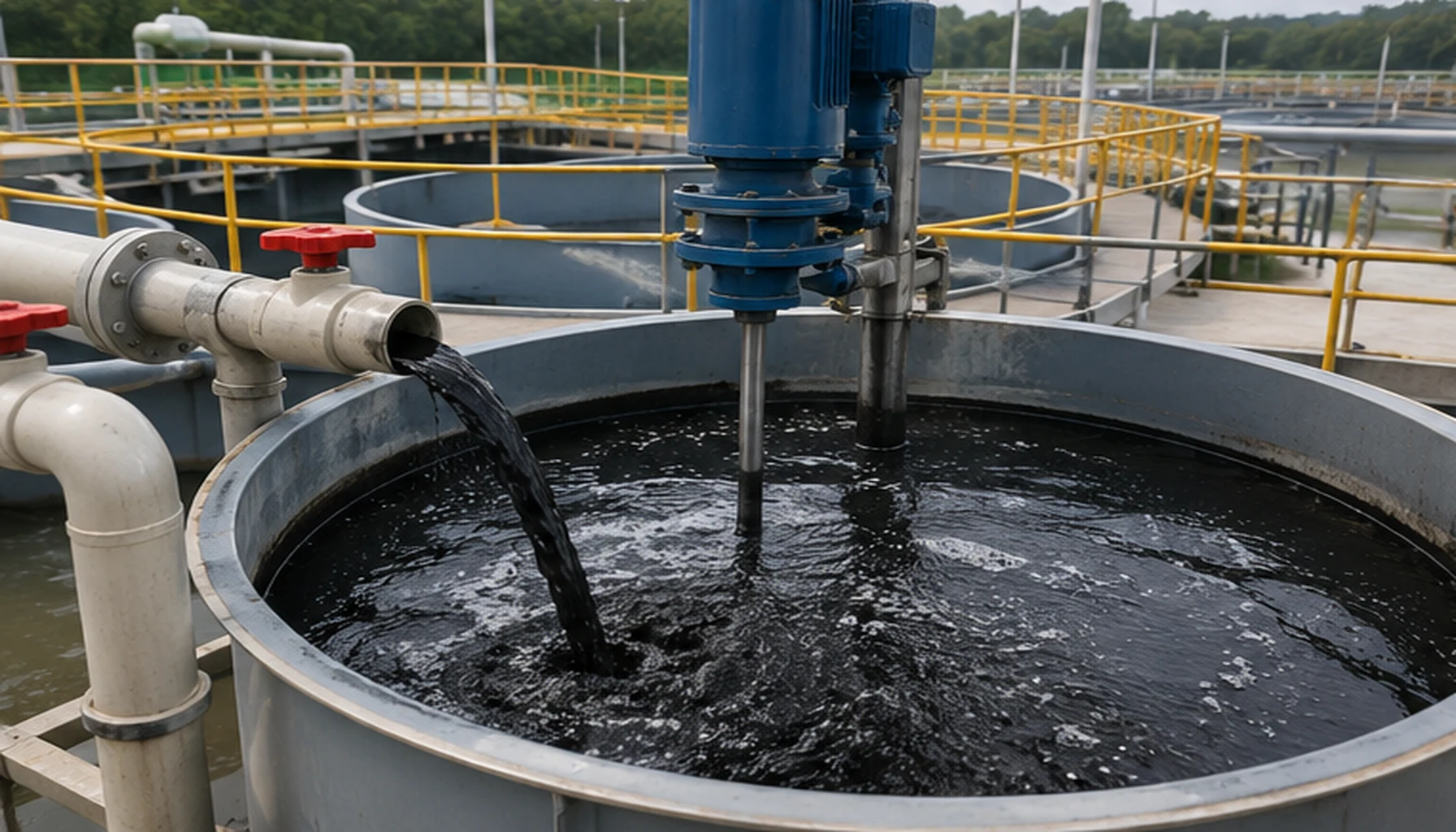
Liquid Decolorization
Activated carbon selection for liquid decolorization and impurity adsorption according to liquid composition, dosage, contact time and downstream separation.
Open Liquid Decolorization Guide →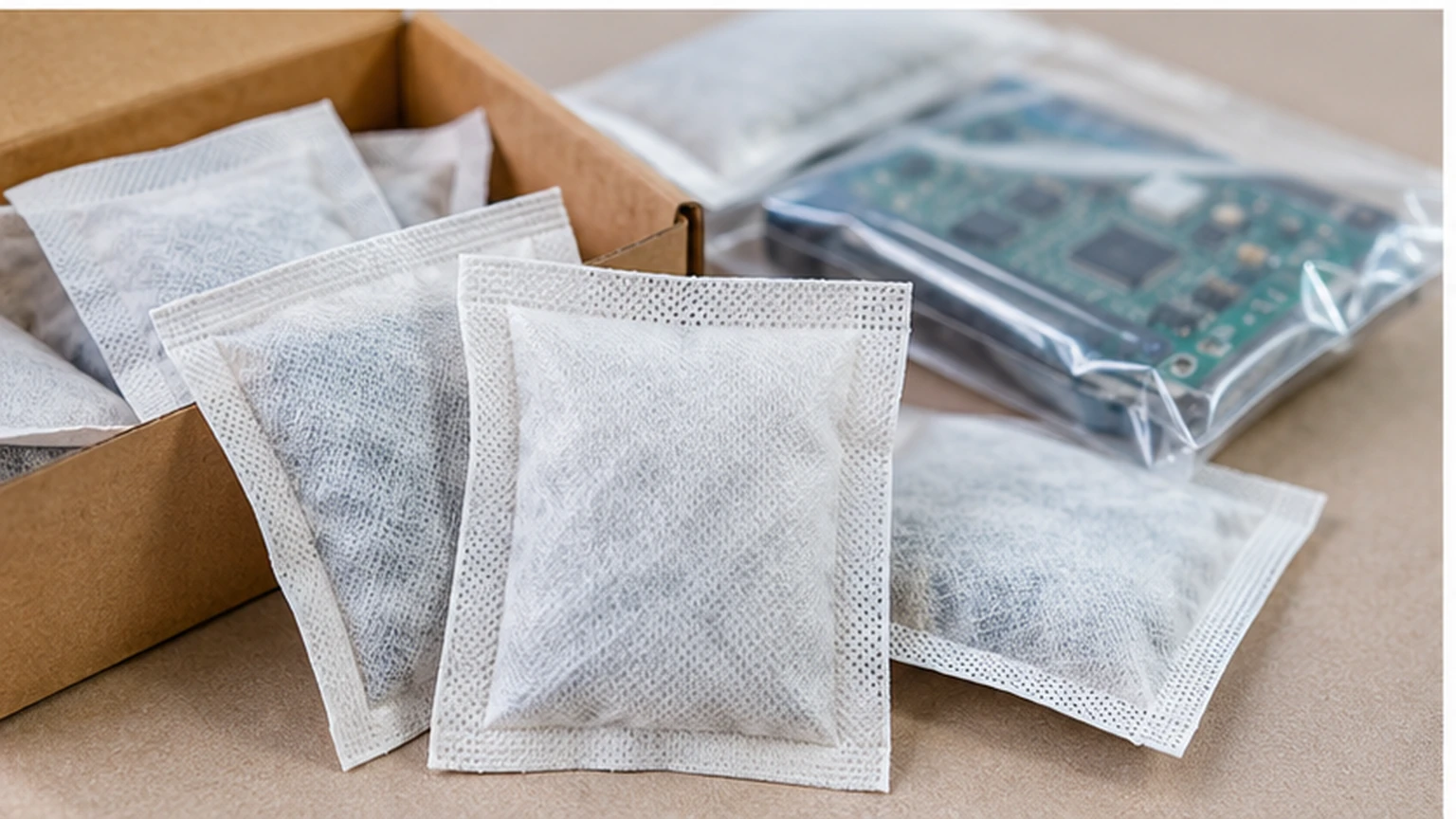
Packaging Moisture Control
Desiccant selection for packaged goods, sealed storage and logistics protection based on package volume, moisture risk, exposure period and packaging barrier.
Open Packaging Moisture Control Guide →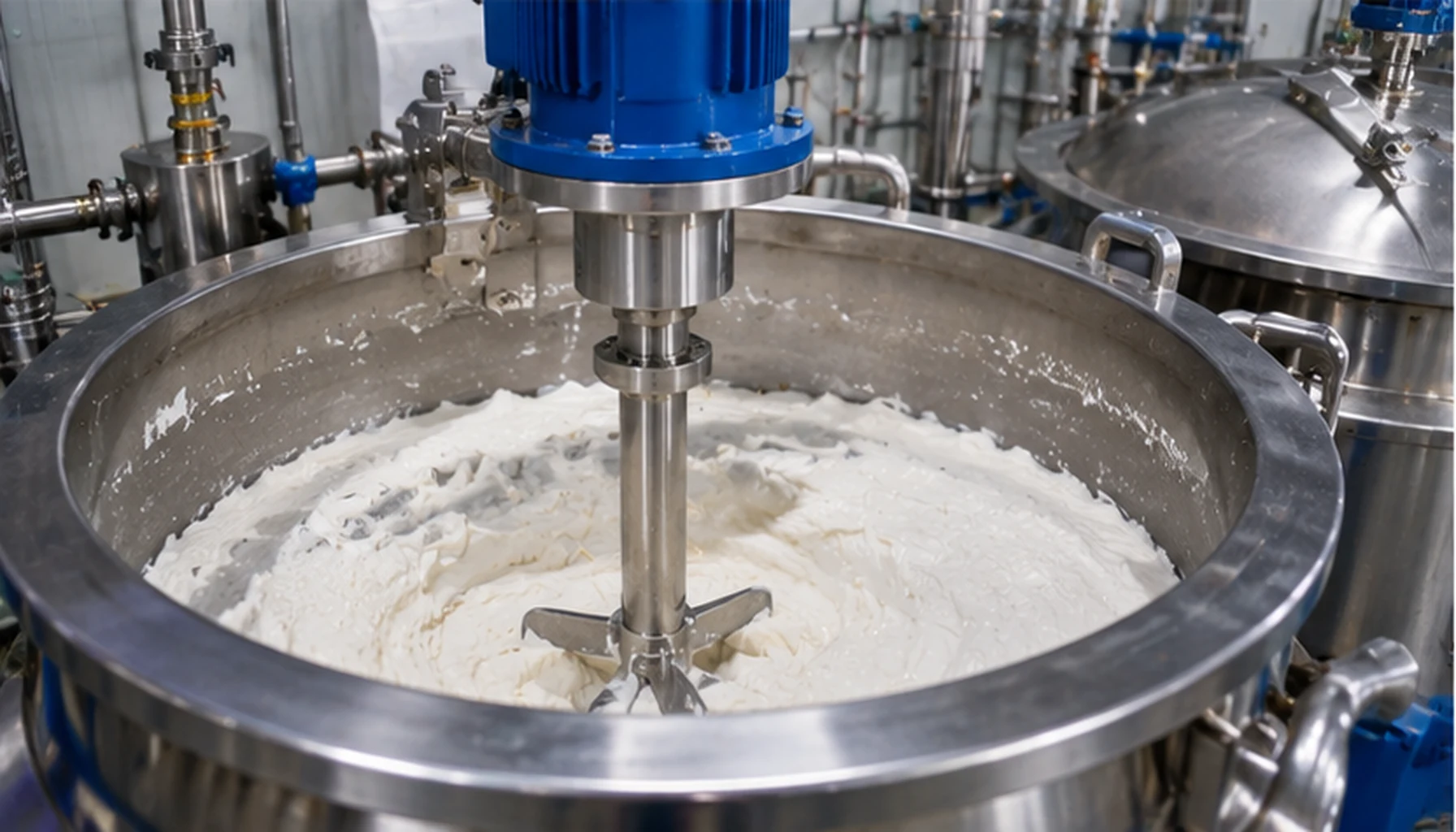
Moisture Control for Coatings & Adhesives
Molecular sieve powder for moisture management in compatible coatings, adhesives, sealants and other formulation systems.
Open Coatings & Adhesives Guide →
Catalyst Bed Support Media
Support-media selection for catalyst beds and process vessels according to loading position, bed structure, particle size, strength and operating environment.
Open Catalyst Bed Support Guide →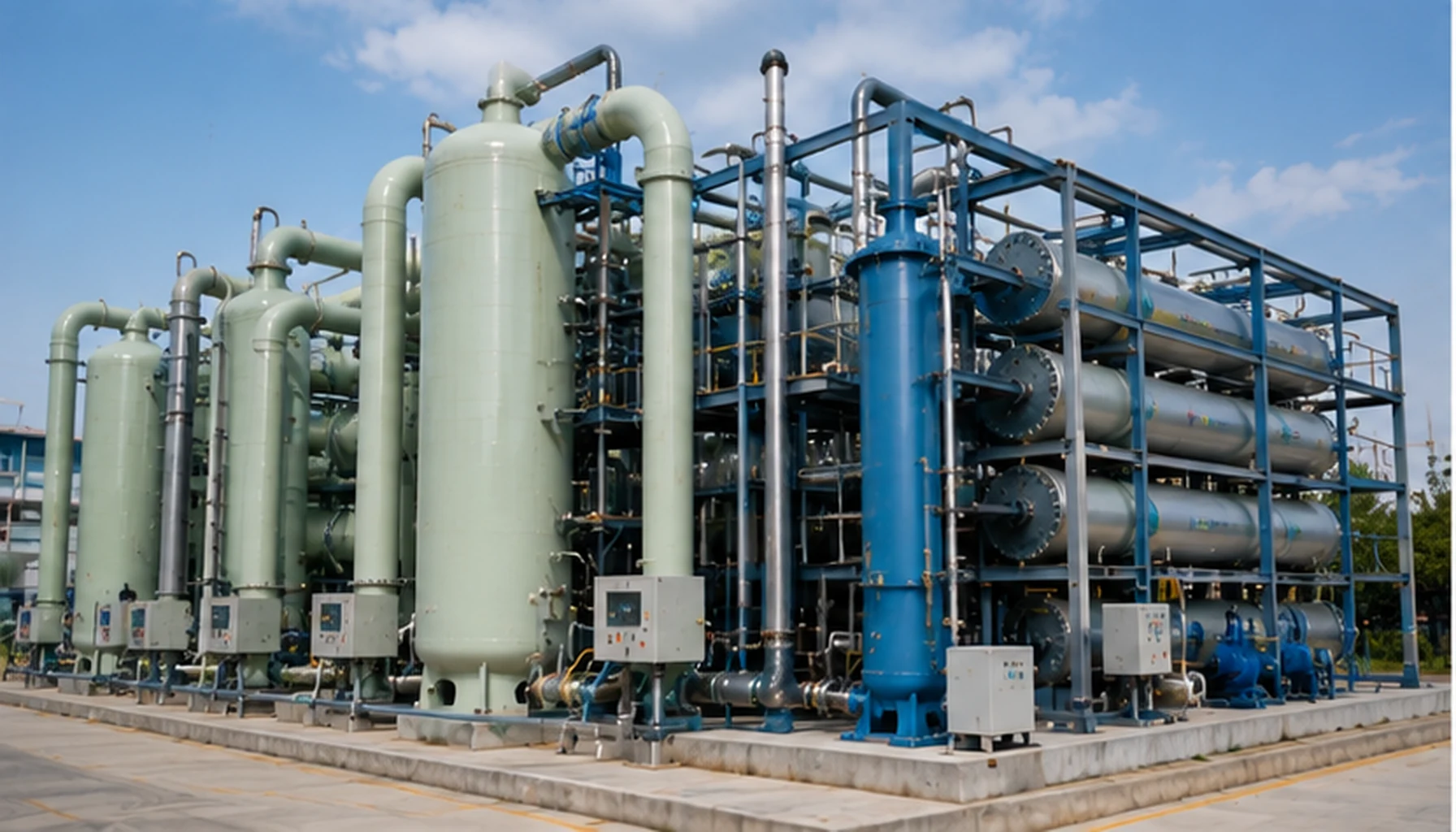
VOC and Odor Control
Activated-carbon selection for vapor-phase VOC and odor treatment based on contaminant composition, humidity, concentration, airflow and bed design.
Open VOC & Odor Control Guide →More Industrial Adsorbent Application Guides
Explore six additional process and replacement scenarios. Each guide connects process conditions to relevant adsorbent products and a practical bulk quotation checklist.
LPG & Liquid Hydrocarbon Dehydration
Review 3A and 4A molecular sieves against LPG composition, water specification and liquid-phase adsorber conditions.
Open LPG Dehydration Guide →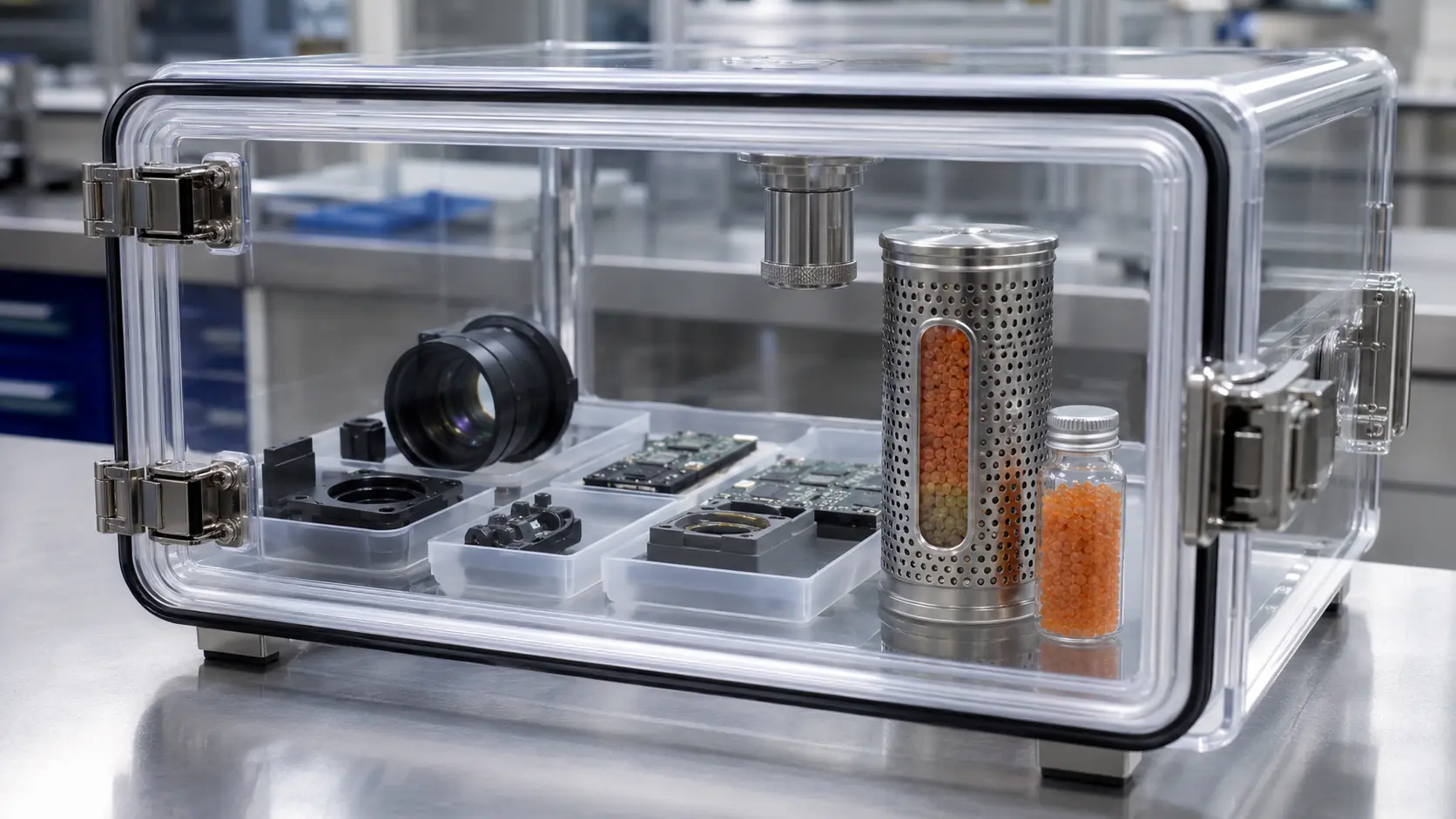
Transformer Breather Silica Gel
Choose suitable silica gel desiccant for transformer breather maintenance, moisture indication and replacement supply.
Open Transformer Breather Guide →Industrial Solvent Drying
Compare 3A and 4A molecular sieve grade direction for moisture removal from compatible industrial solvents.
Open Solvent Drying Guide →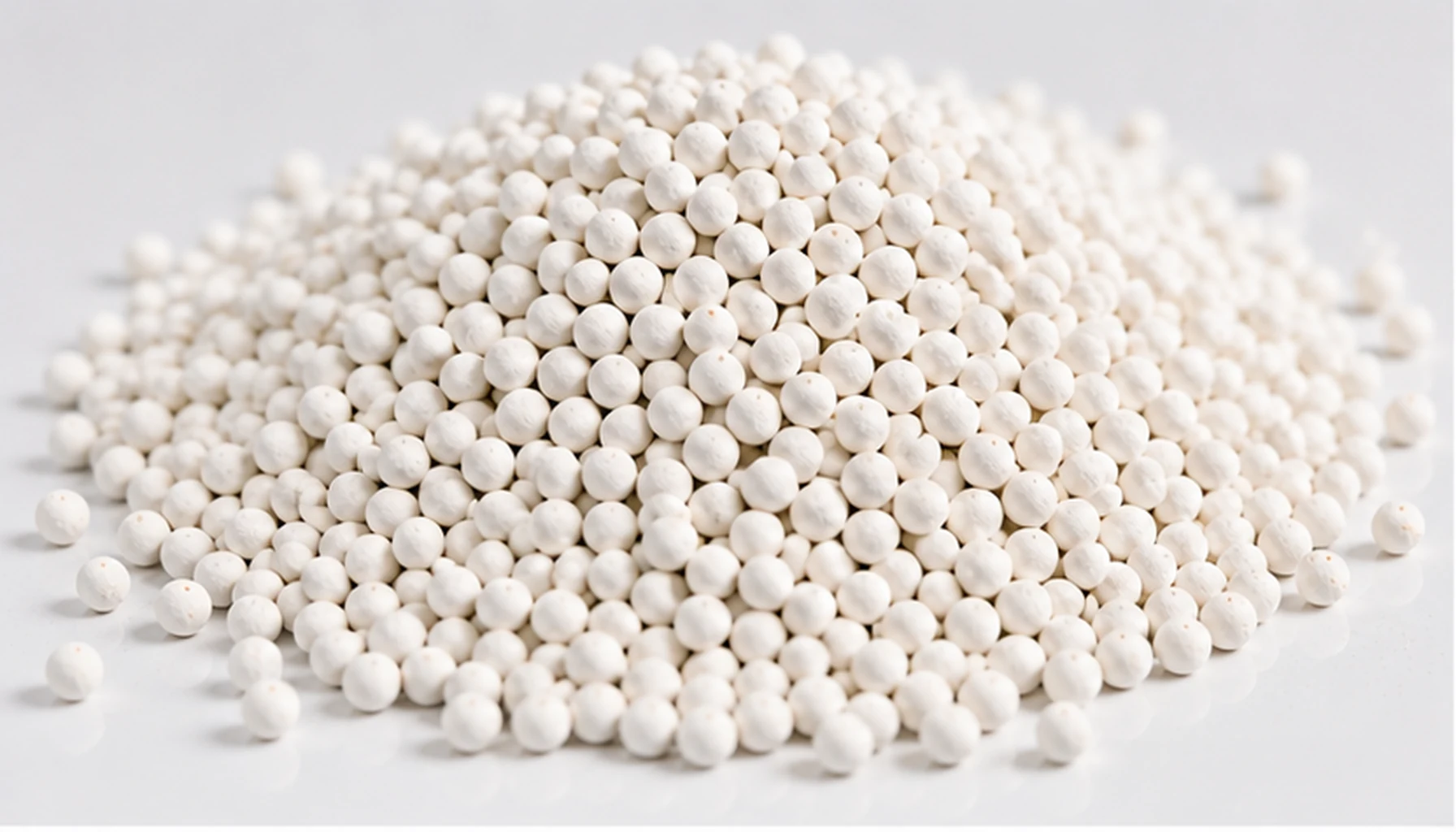
Instrument Air Dryer Desiccant
Specify activated alumina or molecular sieve replacement media using dew point, current grade and dryer cycle data.
Open Instrument Air Guide →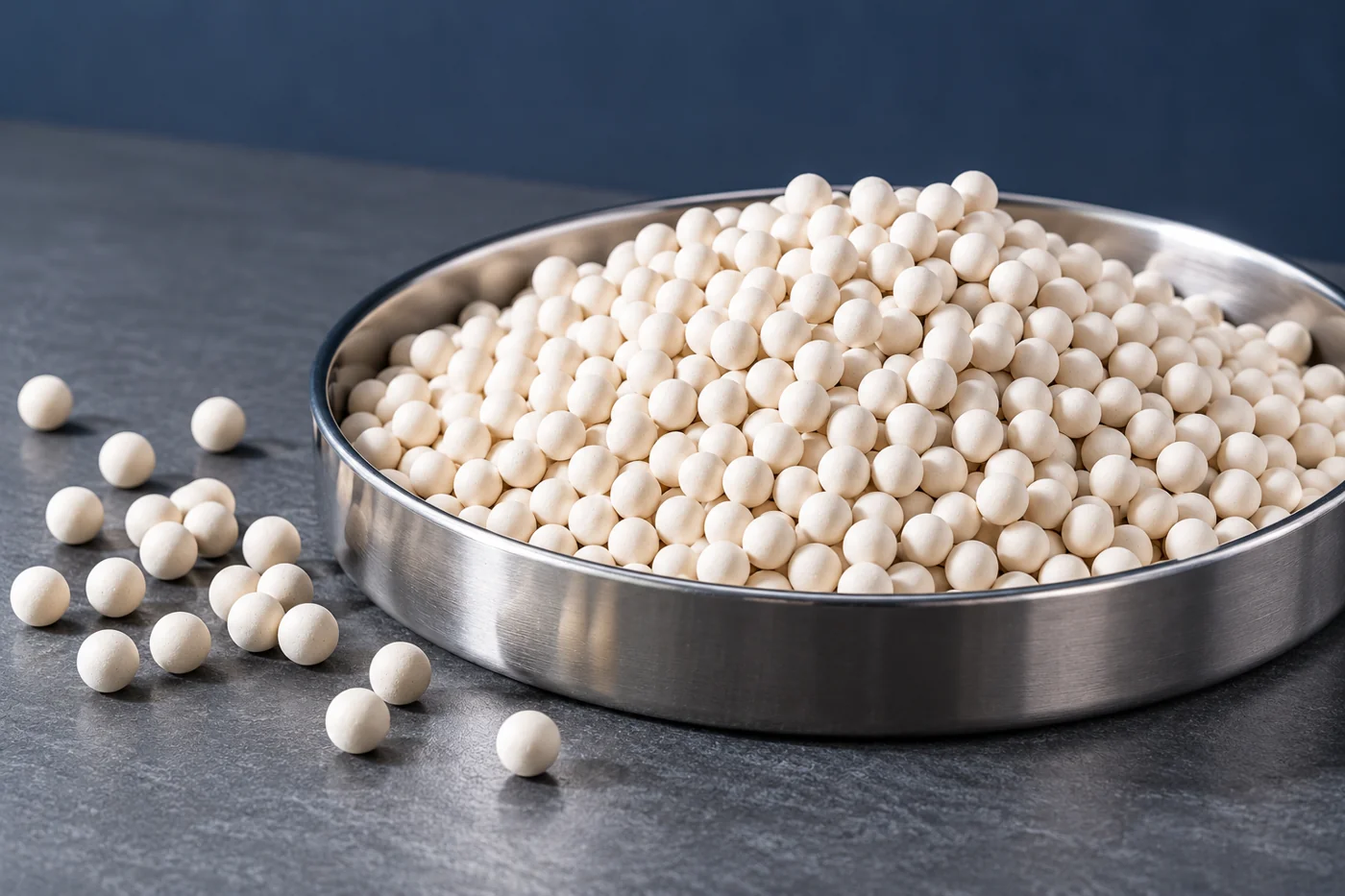
Hydrogen Gas Drying
Review molecular sieve candidates for H₂ moisture removal, distinguish drying from PSA purification and prepare an equipment-specific bulk RFQ.
Open Hydrogen Drying Guide →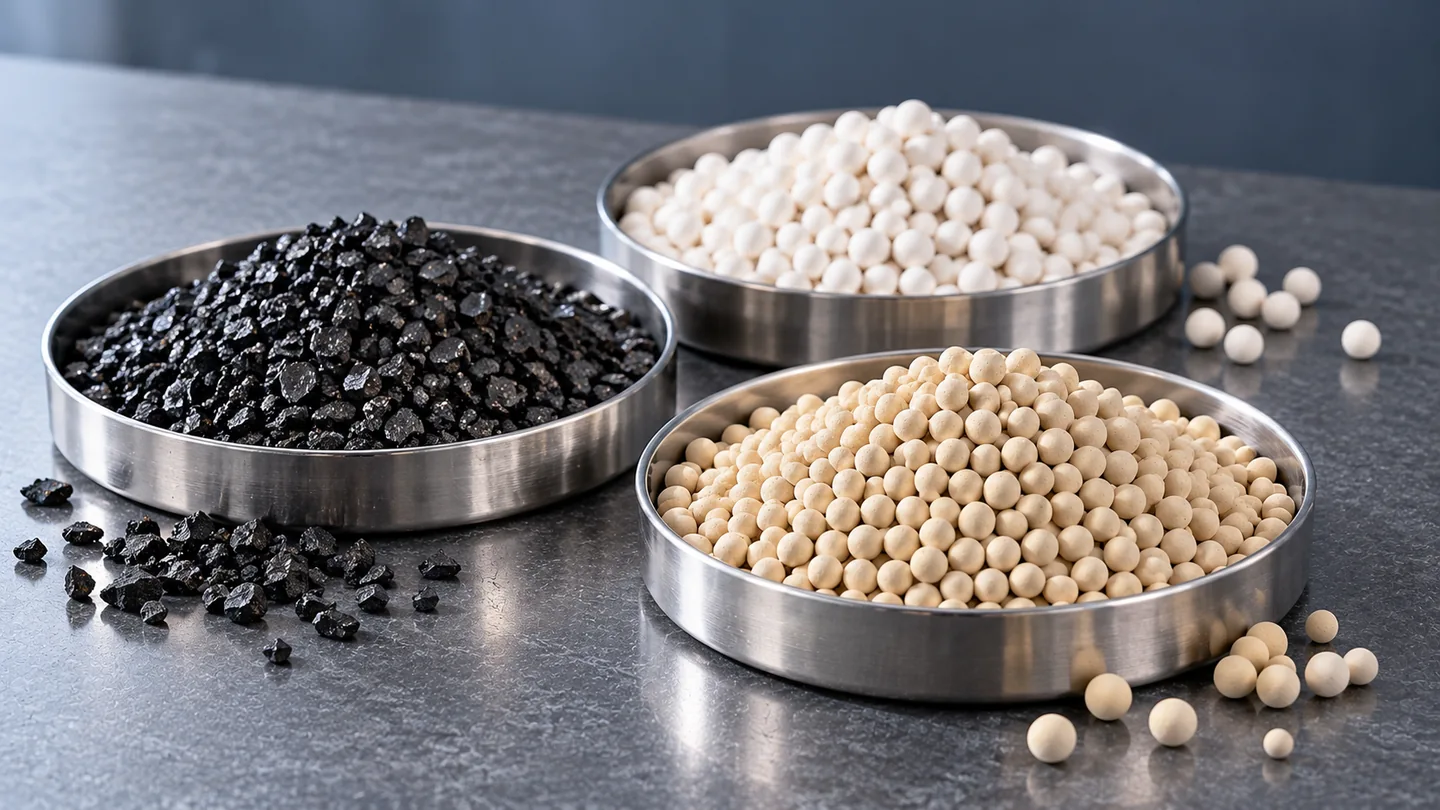
PSA Hydrogen Purification Adsorbents
Compare activated carbon, alumina and selected zeolite adsorbents for hydrogen-rich feed impurity removal, existing bed replacement and bulk RFQs.
Open Hydrogen PSA Guide →Adsorbent Application Routing Matrix
Use this matrix as a navigation tool. Detailed system selection belongs on the dedicated Application page, while final grade, form, technical data, samples, packaging and quotation should be confirmed on the related Product page.
| Application Guide | Main Adsorbent Direction | Initial Selection Focus |
|---|---|---|
| Compressed Air Drying | Activated alumina, 4A or selected molecular sieve | Dew point, dryer type, regeneration, pressure, temperature and existing loading |
| Natural Gas Dehydration | Selected molecular sieve drying grades | Gas composition, moisture target, pressure, temperature and regeneration |
| Air Separation Purification | 13X molecular sieve and pretreatment adsorbents | Moisture, CO₂ removal, air composition, cycle and pretreatment design |
| PSA Oxygen Generation | 13X APG molecular sieve | Oxygen target, flow, adsorption pressure and PSA equipment conditions |
| PSA Nitrogen Generation | Carbon molecular sieve | Nitrogen purity, flow, pressure, cycle, recovery and pretreatment |
| Water Treatment | Activated alumina and activated carbon grades | Target contaminant, water chemistry, pH, flow and bed design |
| Refrigerant Drying | Refrigerant molecular sieve | Refrigerant type, filter-drier design, moisture requirement and particle form |
| Liquid Decolorization | PAC or suitable activated carbon | Liquid composition, color target, dosage, contact time and separation method |
| Packaging Moisture Control | Silica gel and suitable packaged desiccants | Package volume, moisture risk, barrier, exposure period and desiccant format |
| Coatings & Adhesives | Activated molecular sieve powder | Formulation compatibility, moisture issue, particle size and dosage |
| Catalyst Bed Support | Inert ceramic balls and reactor support media | Bed structure, loading position, size, strength and chemical environment |
| VOC & Odor Control | Activated carbon and granular activated carbon | VOC composition, concentration, humidity, airflow and pressure drop |
What Information Should Be Defined First?
These inputs determine which Application guide and Product family should be reviewed before requesting a grade recommendation.
Process Type
Drying, purification, PSA separation, water treatment, moisture protection or reactor support.
Feed Composition
Gas, air, liquid, refrigerant or formulation composition and relevant competing components.
Target
Moisture, CO₂, oxygen, nitrogen, fluoride, VOC, odor, color or another defined process requirement.
Operating Conditions
Temperature, pressure, flow, humidity, pH, contact time or cyclic operating conditions.
Equipment
Dryer, PSA generator, adsorption vessel, filter drier, treatment column or reactor design.
Existing Material
Existing grade, original product if known, particle size, loading quantity, service history or reference sample.
Performance Target
Dew point, purity, outlet concentration, treatment capacity, service interval or bed-support requirement.
Procurement Data
Sample or bulk quantity, destination, packaging and TDS, SDS, COA or other document requirements.
From Application Requirement to Product Selection
Adsorbent Source separates process-level Application guidance from material-level Product information. This helps buyers first identify what the adsorbent must accomplish, then compare the appropriate grade, form, technical documents, samples, packaging and quotation basis.
1. Define the Process
Identify drying, purification, separation, treatment, moisture-control or support duty.
2. Define the Target
State the molecule, impurity, moisture problem, purity target or bed-support function.
3. Review the Application
Use the dedicated Application page to understand system conditions and suitable material directions.
4. Approve the Product
Compare the final Product grade, TDS, sample, packing, quantity and applicable technical data before order confirmation.
Send Your Adsorbent Application Requirement
If the correct product is not yet known, send the process and operating data instead of guessing a grade. Adsorbent Source will review the relevant Application route and confirm the appropriate product direction before grade, sample, document and quotation review.
Send Application DataRecommended Information
- Application / process
- Gas or liquid phase
- Feed composition
- Target impurity or molecule
- Performance target
- Operating pressure
- Operating temperature
- Flow / treatment volume
- Equipment type
- Existing material
- Current particle size
- Existing filling quantity
- Required quantity
- Destination country
- Required documents
Adsorbent Applications FAQ
What is an adsorbent application page?
An Application page explains the industrial process, the adsorption problem, operating conditions and suitable material directions. Product pages then provide detailed material, grade, packaging and purchasing information.
Should I select the adsorbent or the application first?
Start from the application and required process result whenever possible. Selecting only by a product name can overlook gas or liquid composition, temperature, pressure, equipment design, regeneration and performance requirements.
Which application guide should I use for an adsorption air dryer?
Use the Compressed Air Drying Adsorbents guide for adsorption air dryers, desiccant replacement and activated alumina versus molecular sieve selection.
Which application guides cover PSA systems?
Adsorbent Source has separate PSA Oxygen Generation and PSA Nitrogen Generation Application pages because the adsorbent type, separation mechanism and operating targets are different.
Where should I review activated carbon applications?
Use the Water Treatment, Liquid Decolorization or VOC and Odor Control Application pages according to whether the process is liquid treatment or gas-phase purification.
Where should I review catalyst bed support media?
Use the Catalyst Bed Support Media Application page for reactor-loading context, then move to Inert Ceramic Balls or Reactor Support Media product pages for detailed purchasing specifications.
What if I do not know the correct adsorbent grade?
Send the application, process composition, operating conditions, equipment information and required result. Adsorbent Source can review the appropriate application route and product direction before final grade selection.
What documents are available for an adsorbent project?
Available documentation may include TDS, SDS, COA, packing information and applicable export documents according to the confirmed product grade and project requirement.