Carbon Molecular Sieve Supplier for PSA Nitrogen Generation
Adsorbent Source supplies carbon molecular sieve (CMS) for PSA nitrogen generators, new filling and replacement projects. As a carbon molecular sieve supplier in China, we support CMS grade comparison, existing-media replacement review, samples, TDS / SDS / COA, packaging and export quotation according to nitrogen purity, flow, pressure and adsorber requirements.
For replacement projects, tower dimensions can also help confirm the CMS direction.
Supplier scope: Adsorbent Source supplies and coordinates CMS options from China. We do not present every grade as coming from one manufacturing line; specifications, available documents and supply conditions are confirmed for the selected product and project. About Adsorbent Source
Carbon Molecular Sieve Procurement Checklist
Carbon Molecular Sieve (CMS) Product Overview
Carbon molecular sieve, commonly abbreviated as CMS, is a carbon-based adsorbent engineered for kinetic gas separation. Its best-known industrial use is PSA nitrogen generation, where the pore structure and adsorption-rate difference between oxygen and nitrogen help produce nitrogen-enriched gas from compressed air.
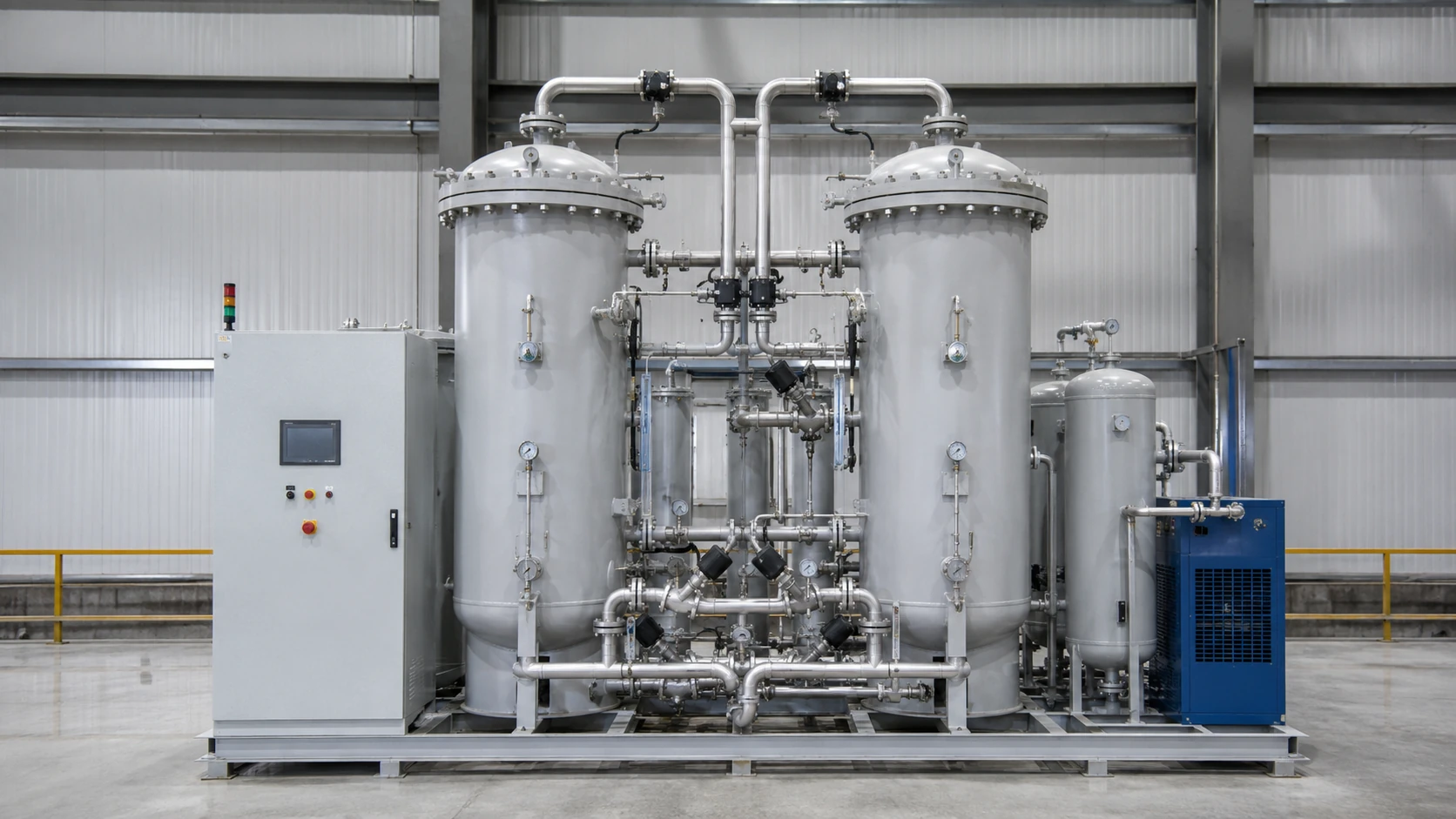
In a PSA nitrogen generator, compressed air enters adsorption towers filled with CMS. Oxygen, moisture and selected small-molecule components are preferentially adsorbed, while nitrogen-enriched gas passes through the system. For system-level selection, review our PSA Nitrogen Generation Adsorbents application page.
Adsorbent Source supports CMS selection, sample support, technical document confirmation and export supply. Final nitrogen purity and gas output depend not only on the CMS material, but also on equipment design, air pretreatment, valve cycle, pressure, temperature and filling quality. Buyers comparing CMS with purification carbon can review Carbon Molecular Sieve vs Activated Carbon or return to the Carbon Adsorbents product hub.
Common Carbon Molecular Sieve Grades and Supply Directions
Carbon molecular sieve grade comparison should be based on the target nitrogen purity, flow rate, pressure, recovery expectation and adsorber design. Model names such as CMS-180, CMS-190 or CMS-200 are useful references, but they should not be treated as universal standards across all manufacturers. The quoted TDS and operating target are more important than the model name alone.
Standard PSA Nitrogen CMS
Suitable for common industrial nitrogen generation systems where stable nitrogen supply, practical purity range and operating reliability are the main requirements.
- General PSA nitrogen generators
- Industrial inerting systems
- Replacement and refilling projects
High-Purity Nitrogen CMS
Used when higher nitrogen purity is required and the PSA equipment design, cycle program and feed-air condition need to be checked carefully.
- Higher purity nitrogen demand
- Optimized PSA system design
- Technical parameter confirmation
Replacement CMS for Existing Units
For users replacing old CMS media, we review the existing grade, filling quantity, adsorber dimensions and current oxygen concentration before recommending a replacement direction.
- Existing CMS grade review
- Adsorber size and fill volume check
- Replacement reason analysis
How to Select a Carbon Molecular Sieve Grade
Carbon molecular sieve selection is closely related to the PSA nitrogen generator design and operating target. The more complete the operating information is, the more reliable the CMS grade comparison, replacement recommendation and quotation will be.
Nitrogen Purity
Required outlet nitrogen purity or maximum oxygen concentration.
Nitrogen Flow Rate
Required nitrogen output under actual operating conditions.
Working Pressure
Adsorption pressure, regeneration pressure and system pressure range.
Cycle Conditions
Valve timing, adsorption cycle, equalization steps and regeneration logic.
Feed-Air Quality
Air temperature, dew point, oil content, filtration and dryer performance.
Adsorber Dimensions
Tower diameter, height, bed depth and existing filling quantity.
Existing CMS Grade
Current grade name, supplier information and replacement history.
Replacement Reason
Purity drop, capacity decline, pressure issue, contamination or scheduled maintenance.
Carbon Molecular Sieve Specifications to Confirm
For procurement and engineering review, Adsorbent Source helps confirm the applicable technical data sheet, safety data sheet, certificate of analysis, packaging method and export information according to the confirmed CMS grade and application requirement.
| Item | Information to Confirm |
|---|---|
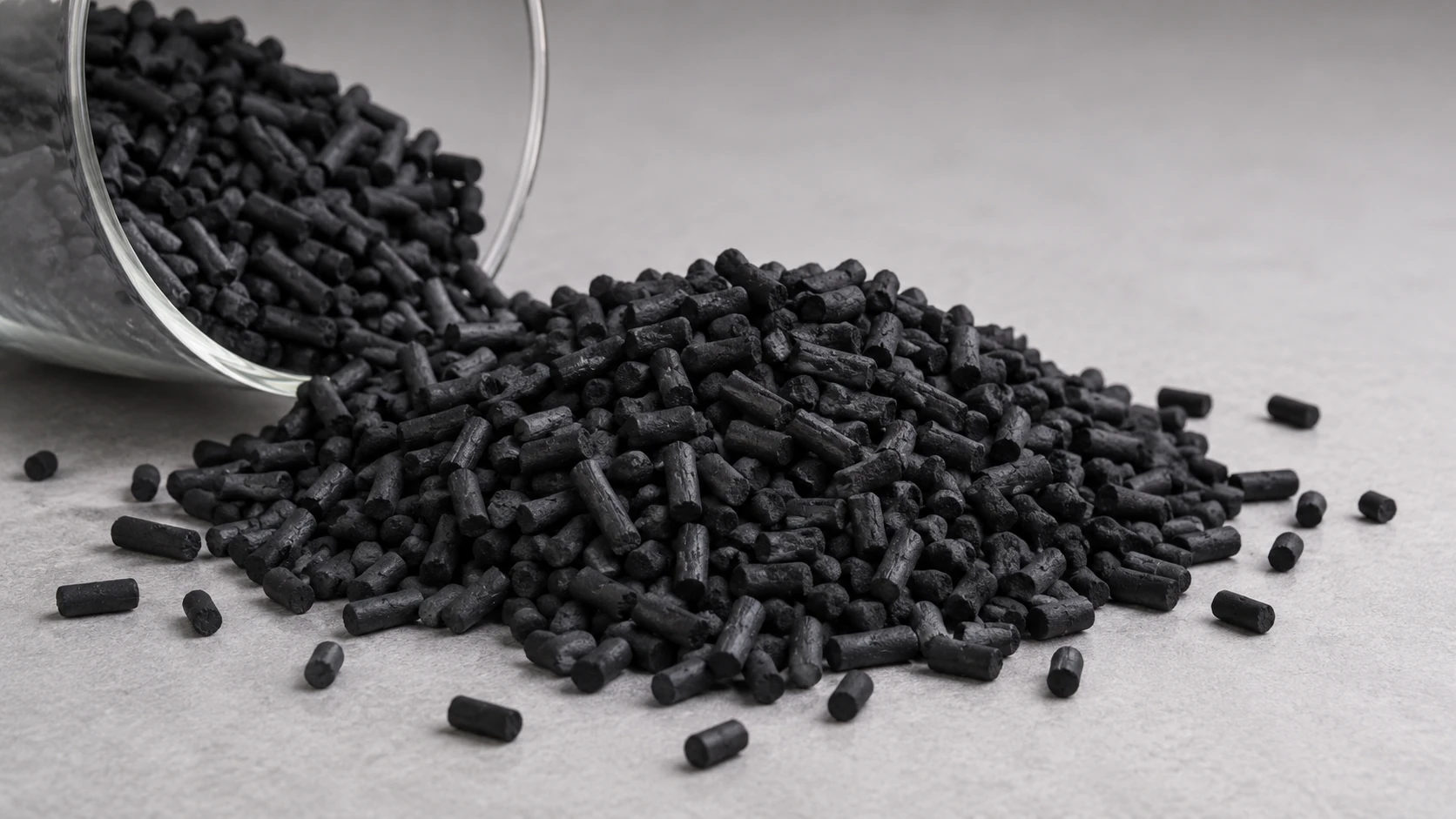
| Appearance | Black cylindrical pellets |
| Typical Diameter | Confirm according to the applicable CMS grade and product TDS |
| Main Application | PSA nitrogen generation from compressed air |
| Nitrogen Purity Target | Confirm with equipment design, purity requirement and operating conditions |
| Bulk Density | Confirm against the applicable product TDS |
| Crush Strength | Confirm against the applicable product TDS |
| Moisture | Batch specification or certificate of analysis required |
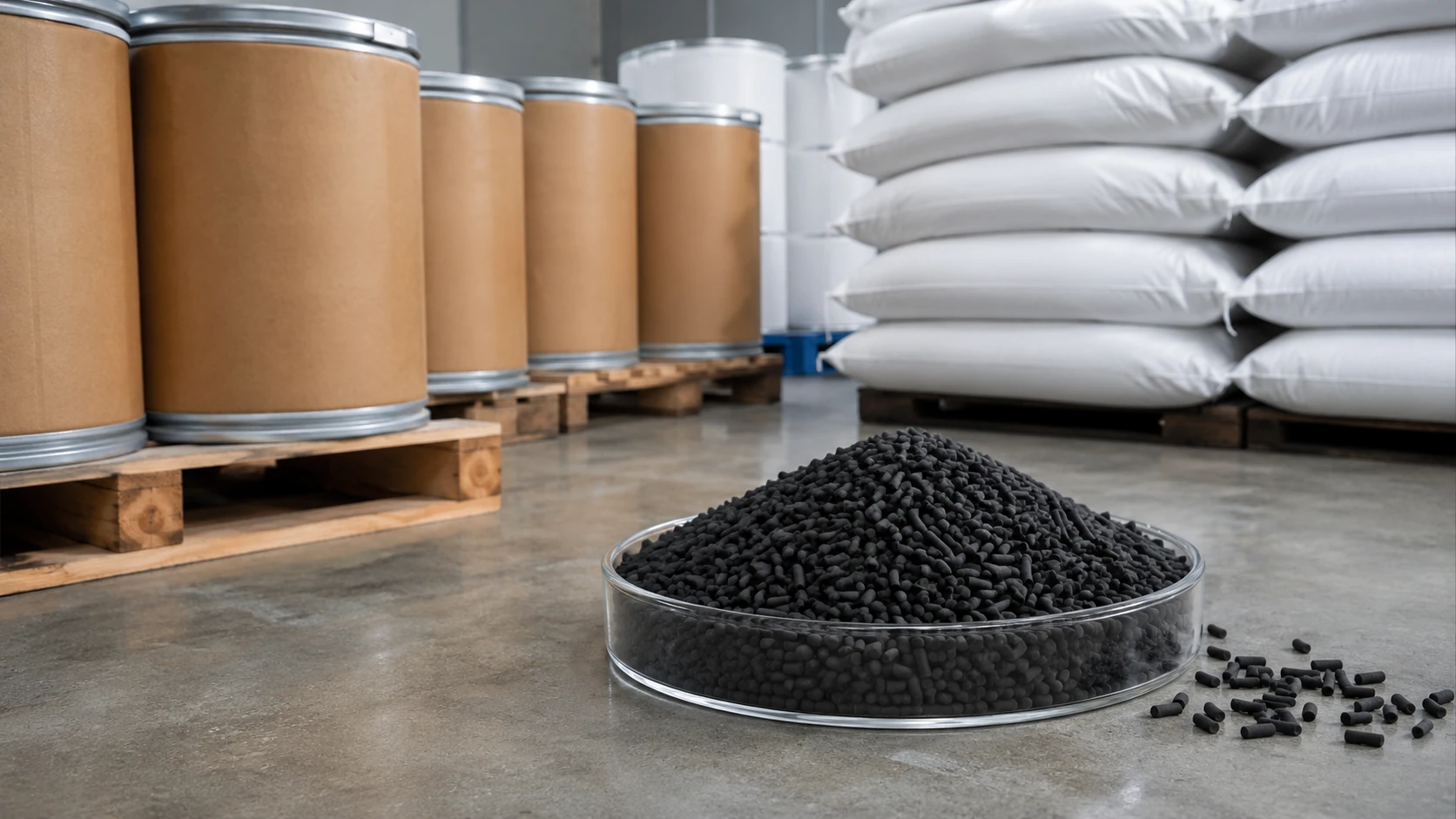
| Packaging | Drums, bags or palletized export packaging depending on quantity and shipment requirement |
| Documents | TDS, SDS, COA, packing information and available export documents can be confirmed before shipment |
Carbon Molecular Sieve Performance Depends on Clean and Dry Feed Air
Oil mist, liquid water, particles and abnormal temperature can reduce CMS performance and shorten the service life of the adsorption bed. Air pretreatment should be reviewed before new filling or replacement.
PSA nitrogen systems usually require stable filtration, oil removal and drying before compressed air enters the CMS tower. When users report nitrogen purity decline, both CMS condition and upstream air treatment should be checked.
- Check compressor oil carryover and filtration condition
- Confirm inlet air dew point and dryer performance
- Review dust, liquid water and pipeline contamination risks
- Inspect valve cycle, pressure fluctuation and tower balance
Typical Industrial Uses of Carbon Molecular Sieves
Carbon molecular sieves are mainly used in PSA nitrogen generation systems for industries that require on-site nitrogen supply, inert atmosphere, oxidation protection or process gas support.
Food Packaging Nitrogen
Supports modified atmosphere packaging and oxygen-reduction processes where on-site nitrogen supply is required.
Electronics Manufacturing
Used in nitrogen supply systems for process protection, oxidation control and selected clean production environments.
Metal Heat Treatment
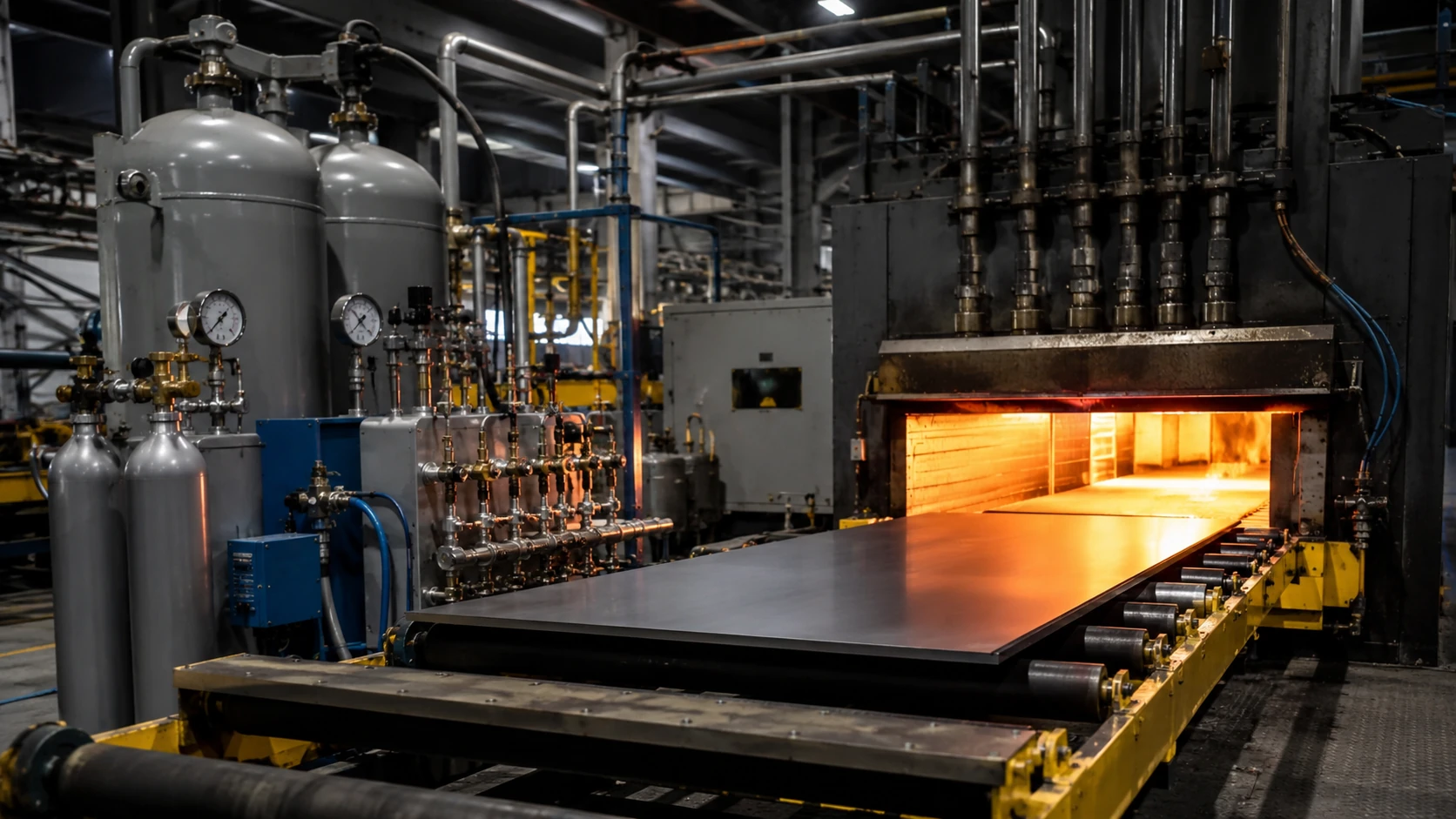
Provides nitrogen support for protective atmosphere and oxidation-control processes in metal processing lines.
Chemical Processing
Applied in inerting, blanketing and process gas supply where stable nitrogen production is needed.
Laser Cutting Nitrogen
Supports nitrogen generation systems used for selected cutting and fabrication applications, depending on purity and pressure demand.
Industrial Inerting
Used for tanks, process lines and production areas requiring reduced oxygen concentration or controlled atmosphere.
CMS Adsorption Principle in PSA Nitrogen Systems
CMS is used inside alternating PSA adsorption towers. During pressurization, oxygen is adsorbed faster than nitrogen; during depressurization, the bed regenerates. For complete system-level selection, review the PSA Nitrogen Generation Adsorbents application page.
1. Air Pretreatment
Compressed air is filtered and dried to remove oil, liquid water, particles and excessive moisture.
2. Pressurized Adsorption
Air enters the CMS bed under pressure, and oxygen is adsorbed faster than nitrogen.
3. Nitrogen Production
Nitrogen-enriched gas flows from the adsorption tower outlet and is collected as product gas.
4. Regeneration
The saturated tower is depressurized to release adsorbed gas before entering the next cycle.
Carbon Molecular Sieve Supplier Support
Adsorbent Source supplies CMS for new PSA nitrogen systems, replacement projects and recurring purchasing requirements, with CMS grade comparison, sample support, technical documents, packaging and export quotation reviewed according to the confirmed operating requirement.
Application Review
Review nitrogen purity, flow rate, pressure, adsorber dimensions and replacement background before matching CMS options.
CMS Grade & Sample Support
Support sample availability and CMS grade comparison according to the confirmed application requirement. Buyers can review the Carbon Molecular Sieve Sample Evaluation Checklist before approving a bulk order.
Technical Documents
Provide or confirm available TDS, SDS, COA, packing details and batch documentation before purchase or shipment.
Packaging & Export Supply
Confirm export packaging, palletizing, shipping marks and shipment preparation based on quantity and destination.
Request a Carbon Molecular Sieve Quote
For accurate CMS quotation or replacement matching, send the available PSA nitrogen generator data, existing CMS information and required quantity. If the CMS grade is already confirmed, grade, filling quantity and destination are sufficient for an initial quotation.
Already know the CMS grade and quantity? Send those first. Full PSA operating data is mainly required when grade selection or replacement matching support is needed.
Related technical and procurement guides are available if additional CMS comparison, replacement or documentation review is required. Review Carbon Molecular Sieve vs Activated Carbon , Regenerate or Replace Molecular Sieve , TDS / SDS / COA and Adsorbent Packaging and Export Guide as needed.
Request CMS Quote Send CMS SpecificationWhat to Send for a Quick CMS Quote
- Required quantity
- Existing CMS grade, if replacing
- Nitrogen purity target
- Nitrogen flow rate, if available
- Destination country
A quick quote does not require all technical parameters at the initial inquiry.
If the CMS grade is not confirmed, send the available PSA nitrogen generator information and we can review suitable supply options.
For a detailed PSA nitrogen RFQ, see the Carbon Molecular Sieve for Nitrogen PSA RFQ checklist, which covers operating, feed-air, bed and cycle information. For an existing generator being refilled, review the CMS Replacement Buyer Guide to compare original material, equipment records and proposed grade equivalence.
Additional Information for CMS Grade Selection
These details are useful for new selection, replacement review or detailed grade matching after the initial inquiry.
- Nitrogen purity
- Nitrogen flow rate
- Working pressure
- Adsorber dimensions
- Existing CMS grade
- Existing filling quantity
- Air compressor capacity
- Feed-air treatment condition
- Replacement reason
- Estimated quantity
- Destination country
- Required documents
- Cycle information
Carbon Molecular Sieve FAQ
What are carbon molecular sieve grades?
Carbon molecular sieve grades are supplier-specific CMS product variants designed for different PSA nitrogen purity, recovery, pressure and cycle targets. Names such as CMS-180, CMS-190 and CMS-200 are common references, but the quoted TDS and operating conditions should be compared before approval.
What is carbon molecular sieve used for?
Carbon molecular sieve is mainly used in PSA nitrogen generation systems to separate nitrogen from compressed air. It is common in industrial gas generation, food packaging, electronics, metal processing, chemical processing and inerting applications.
How does CMS produce nitrogen from compressed air?
In a PSA system, compressed air passes through adsorption towers filled with CMS. Oxygen is adsorbed faster than nitrogen under pressure, so nitrogen-enriched gas exits the system as product gas while the adsorption bed is regenerated in alternating cycles.
Are CMS-180, CMS-190 and CMS-200 universal grade standards?
No. These names are commonly used references, but they are not universal standards across all suppliers. Similar model names may have different technical data and performance ranges. Operating conditions should be checked before selection.
What information is needed to select a CMS grade?
Important information includes nitrogen purity, nitrogen flow rate, working pressure, cycle conditions, feed-air quality, adsorber dimensions, existing CMS grade, filling quantity and replacement reason.
Can CMS be replaced without changing the PSA equipment?
In many replacement projects, CMS can be refilled into existing adsorption towers, but the tower dimensions, valve cycle, pressure condition, air pretreatment and current performance should be reviewed before replacement.
Why is compressed-air pretreatment important?
Oil, liquid water, dust and excessive moisture may reduce adsorption performance and shorten CMS service life. Filtration, oil removal and drying conditions should be checked before CMS filling or replacement.
Can Adsorbent Source provide samples and technical documents?
Adsorbent Source can provide or confirm available CMS samples, TDS, SDS, COA, packing information and applicable export documents according to the confirmed CMS grade and order requirement.
How does Adsorbent Source confirm a CMS grade for quotation?
CMS quotation is based on the confirmed product grade together with nitrogen purity, flow, working pressure, adsorber data, existing CMS information and purchasing quantity where applicable. Samples and technical documents can be reviewed before bulk order confirmation.