13X Molecular Sieve Supplier for CO2 Removal & Gas Purification
Adsorbent Source supplies 13X molecular sieve for industrial CO2 removal, gas purification, dehydration and air separation pretreatment. As a 13X molecular sieve supplier in China, we support grade and particle-size confirmation, samples, TDS / SDS / COA, packaging and export quotation according to your application and purchasing requirements.
For a Fast Quote, Send:
| Buyer Check | What to Confirm |
|---|---|
| Product | 13X molecular sieve, sodium-form X-type zeolite adsorbent for gas purification, CO2 removal, dehydration and air-separation pretreatment. |
| Typical Uses | Air separation pretreatment, gas purification, carbon dioxide removal, deep dehydration and selected industrial adsorption duties. |
| Form | Beads or pellets depending on supplier, adsorber design, pressure-drop requirement and mechanical-strength needs. |
| Process Data | Gas composition, moisture and CO2 loading, outlet specification, temperature, pressure, flow rate and regeneration cycle. |
| Commercial Data | Existing grade, particle size, filling quantity, sample or bulk quantity, packaging, destination and required documents. |
What Is 13X Molecular Sieve?
13X molecular sieve is a sodium-form zeolite adsorbent with a larger pore structure than 3A, 4A and 5A molecular sieves. It is commonly used for adsorbing water, carbon dioxide and selected impurities in gas purification and air separation pretreatment systems. Buyers comparing the complete range can also review the Molecular Sieves parent page.
Because of its larger pore structure and adsorption characteristics, 13X molecular sieve is often reviewed for applications where both dehydration and impurity removal are required. Typical projects include air pre-purification, gas purification, CO2 removal and selected industrial adsorption units.
The correct 13X molecular sieve grade depends on the process gas, impurity target, operating conditions, regeneration method and equipment design. If the grade is not yet fixed, start with our How to Select Molecular Sieve guide before comparing supplier-specific data.
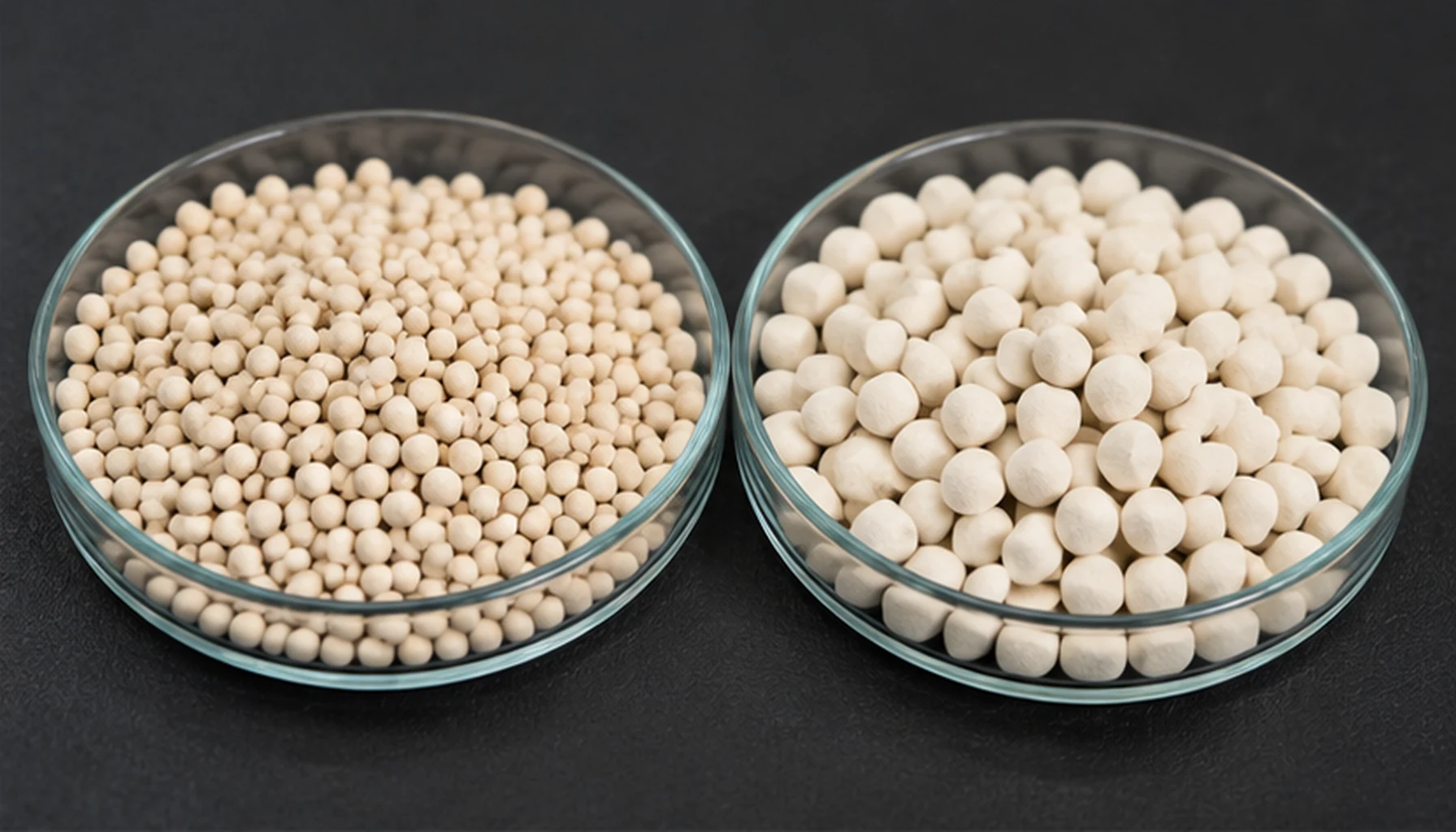
13X Molecular Sieve vs 3A, 4A and 5A
Molecular sieve grade selection should be based on the molecule to be adsorbed, pore-size requirement, process gas, impurity target, operating condition and regeneration method.
| Grade | Typical Direction |
|---|---|
| 3A Molecular Sieve | Selective water adsorption where larger molecules should be excluded from the adsorption system. |
| 4A Molecular Sieve | General gas and liquid drying, compressed air dehydration and selected industrial purification applications. |
| 5A Molecular Sieve | Separation and purification involving selected gas molecules, normal paraffins and process streams. |
| 13X Molecular Sieve | Larger-pore gas purification, CO2 removal, dehydration and air separation pretreatment. |
13X Molecular Sieve Applications
13X molecular sieve is commonly reviewed for gas purification, carbon dioxide removal, deep drying and air separation pretreatment. Application suitability should be confirmed with operating data and target outlet requirements.
13X Molecular Sieve for Air Separation Pretreatment
13X molecular sieve for air separation pretreatment is used to remove moisture, CO2 and selected impurities before cryogenic or adsorption-based air separation purification systems.
Gas Purification
Reviewed for purification of industrial gas streams where water, carbon dioxide or selected impurities need to be removed. For natural-gas moisture control, review our Natural Gas Dehydration Adsorbents application page.
13X Molecular Sieve for CO2 Removal
13X molecular sieve for CO2 removal is commonly considered where carbon dioxide adsorption is required under suitable gas composition, loading and regeneration conditions.
Standard 13X vs 13X APG for Oxygen Projects
For PSA oxygen projects, do not select standard 13X only from the general product name. Compare the required adsorption duty, selected supplier grade and 13X APG Molecular Sieve options, then review the PSA Oxygen Generation Adsorbents application requirements before final selection.
Deep Dehydration
Applied where lower moisture level is required and the gas stream is compatible with 13X molecular sieve.
Industrial Adsorption Units
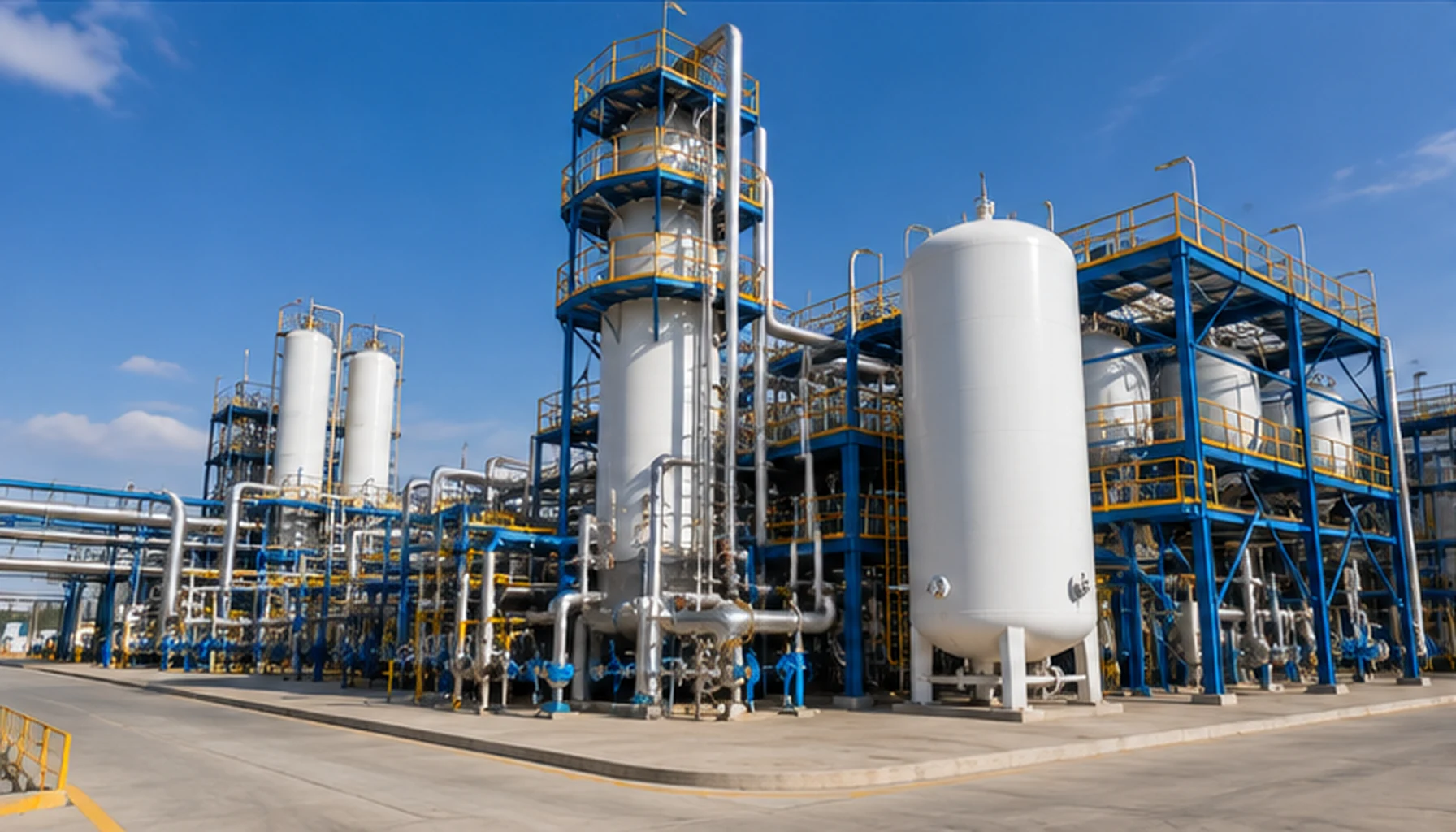
Used in packed beds, purification vessels and regeneration systems requiring large-pore zeolite adsorbents.
How to Select 13X Molecular Sieve
For accurate 13X molecular sieve selection, both the process requirement and adsorption system conditions should be reviewed. This helps reduce mismatch between grade name, particle size and actual performance.
Gas Composition
Process gas type, impurity profile and components to be removed.
Impurity Target
Moisture, CO2 or selected impurity level before and after treatment.
Operating Conditions
Temperature, pressure, flow rate and adsorption cycle conditions.
Regeneration Method
Thermal regeneration, purge gas, pressure swing or other operating method.
Particle Form
Bead or pellet preference, particle size and pressure-drop requirement.
Adsorber Design
Vessel dimensions, bed depth, filling quantity and flow distribution.
Replacement Background
Existing adsorbent grade, current issue and replacement reason.
Document Needs
TDS, SDS, COA, packing information and destination country.
13X Molecular Sieve Beads, Pellets and Particle Size
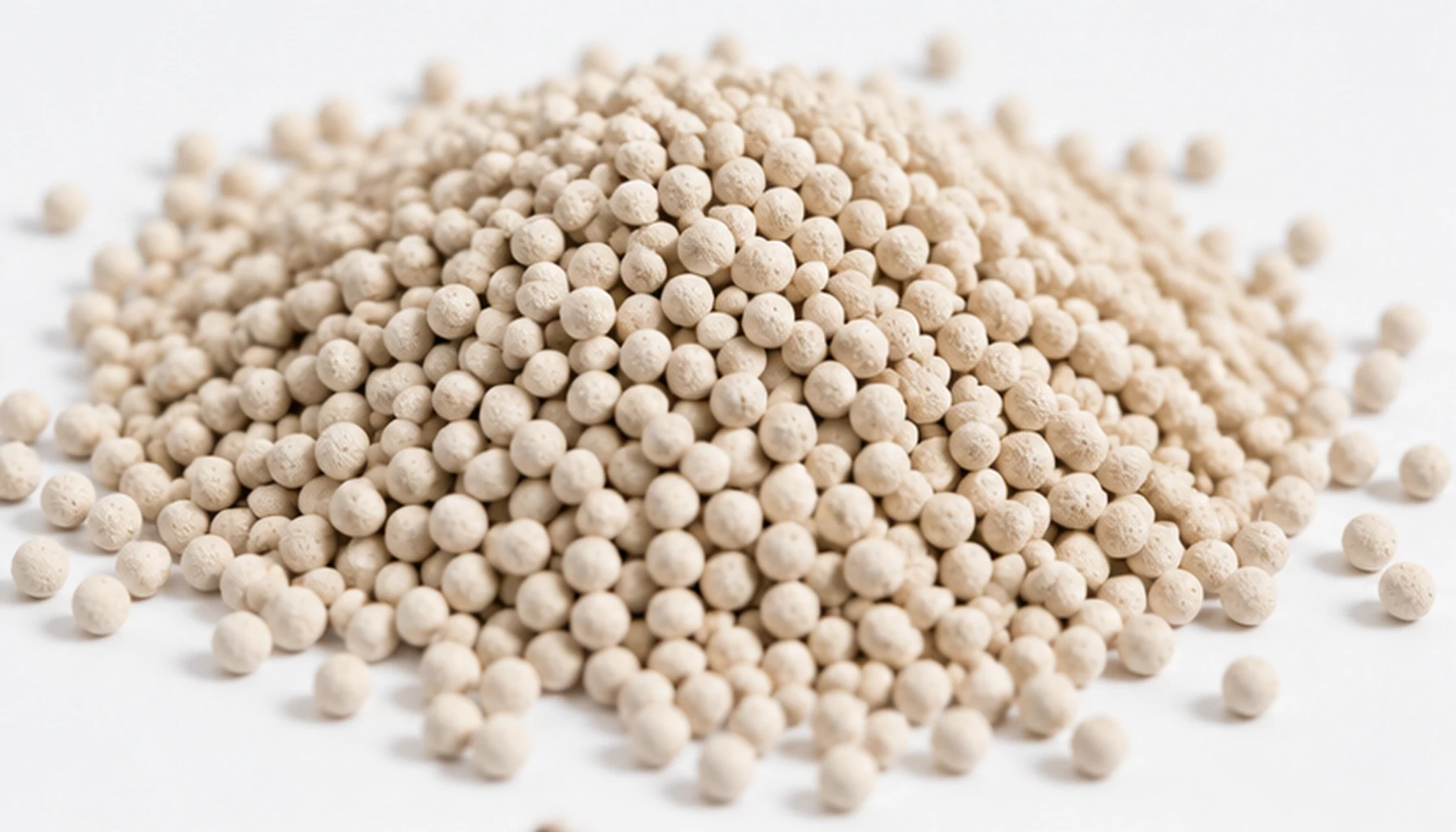
13X molecular sieve may be supplied in bead or pellet form depending on product source and application requirement. Particle size should be reviewed with flow rate, pressure drop, bed design, regeneration behavior and handling conditions.
- Bead grades for selected purification and adsorption systems
- Pellet grades for applications requiring specific bed behavior
- Particle size confirmed according to adsorber and process data
- Packaging options coordinated according to shipment and storage needs
- Grade and particle-size confirmation
- Samples and technical documents
- Packaging confirmation and export quotation
- Shipment preparation for China export supply
13X Molecular Sieve Supplier Support
Adsorbent Source supports grade and particle-size confirmation, samples, TDS / SDS / COA, packaging confirmation, export quotation and shipment preparation according to the selected 13X molecular sieve product source.
| Item | Common Options |
|---|---|
| Product Type | 13X Molecular Sieve |
| Form | Beads or pellets, depending on grade and manufacturer availability |
| Typical Size | Confirm according to application, pressure drop and bed design |
| Main Use | Gas purification, CO2 removal, dehydration and air separation pretreatment |
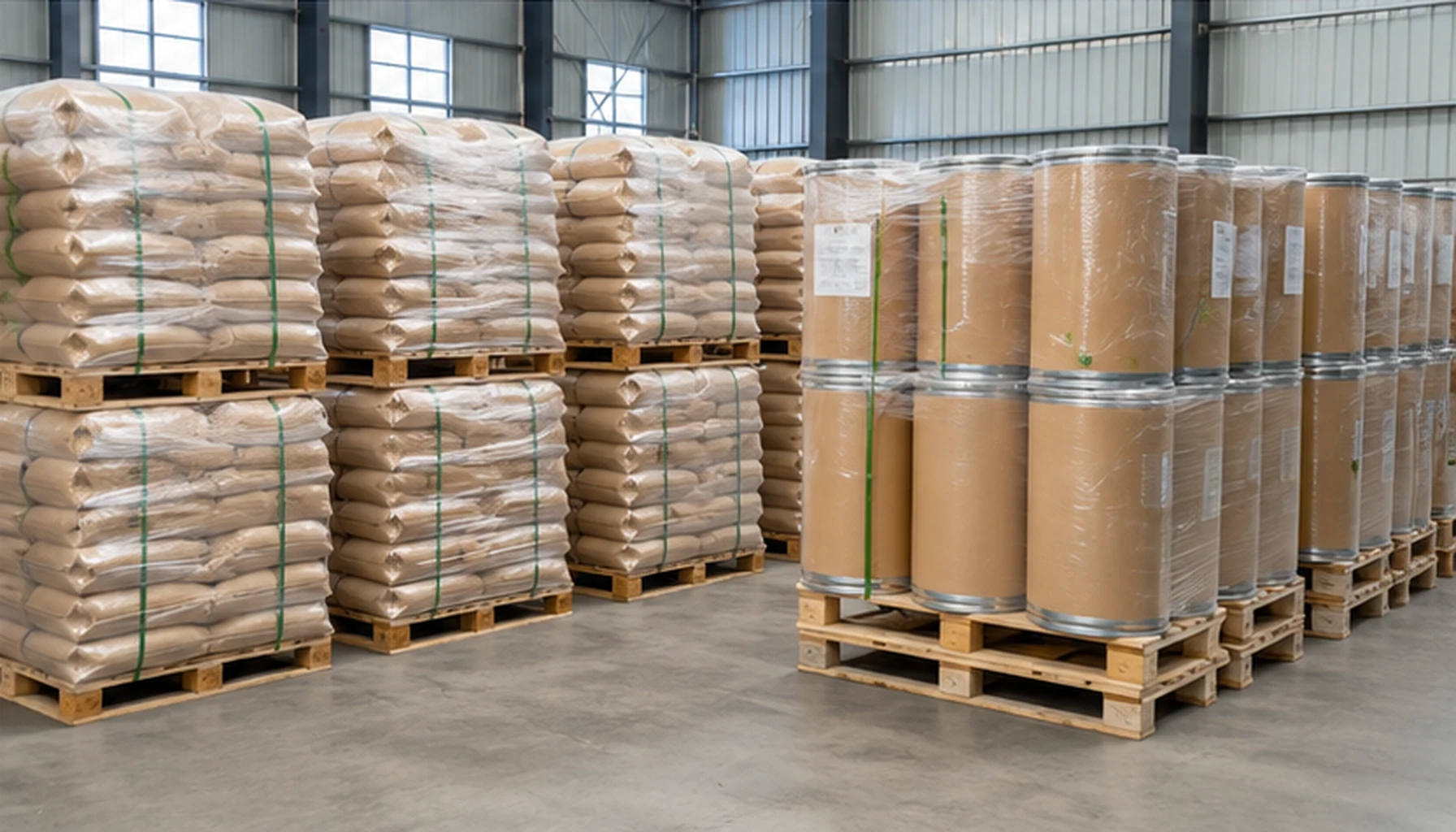
| Packaging | Bags, drums, cartons or palletized export packaging depending on quantity and shipment requirement. For export packing and container planning, review the Adsorbent Packaging and Export Guide. |
| Documents | TDS, SDS, COA, packing information and export documents can be coordinated before shipment |
13X Molecular Sieve for Air Separation Pretreatment Systems
In air separation pretreatment systems, 13X molecular sieve is commonly reviewed for removing moisture, carbon dioxide and selected trace impurities before the main separation process. Proper pretreatment helps protect downstream equipment and supports stable system operation.
Actual adsorbent selection should be confirmed with inlet air condition, target impurity level, regeneration cycle, temperature, pressure and system design.
Moisture Removal
Helps reduce water load before the main gas separation process.
CO2 Adsorption
Reviewed for carbon dioxide removal under suitable operating conditions.
Equipment Protection
Supports downstream system protection by reducing impurity exposure.
Stable Operation
Selection should match cycle, pressure, temperature and inlet composition.
Request a 13X Molecular Sieve Quote
Already know the 13X grade, particle size and quantity? Send those first. Full process data is mainly required when you need product selection or replacement support. Share the gas to be treated, moisture or CO2 level, outlet specification, operating conditions, particle form and required quantity. Adsorbent Source will help review suitable 13X molecular sieve supply options and documentation needs.
Request Quote or SampleRecommended Information for RFQ
- Application
- Gas to be treated
- Moisture or CO2 level
- Target outlet specification
- Operating temperature
- Operating pressure
- Flow rate
- Required form: bead or pellet
- Particle size
- Existing grade if replacing
- Filling quantity
- Estimated quantity
- Destination country
- Required documents
13X Molecular Sieve FAQ
Why is 13X molecular sieve widely used for air purification?
13X molecular sieve has a large X-type pore structure and strong affinity for moisture and carbon dioxide, so it is widely reviewed for air pre-purification and gas-treatment systems. Final suitability depends on inlet composition, impurity loading, pressure, temperature and regeneration conditions.
What is 13X molecular sieve used for?
13X molecular sieve is commonly used for gas purification, carbon dioxide removal, dehydration, air separation pretreatment and selected industrial adsorption systems.
What is the difference between 13X and 4A molecular sieve?
4A molecular sieve is widely used for general gas and liquid drying. 13X molecular sieve has a larger pore structure and is often reviewed for gas purification, CO2 removal and air separation pretreatment.
Can 13X molecular sieve remove CO2?
Yes, 13X molecular sieve is commonly considered for carbon dioxide adsorption. Final suitability depends on gas composition, CO2 level, operating pressure, temperature and regeneration conditions.
Is 13X molecular sieve used in air separation systems?
Yes. 13X molecular sieve is often reviewed for air separation pretreatment, where moisture, CO2 and selected impurities should be removed before the main separation process.
Can 13X molecular sieve be used for drying?
13X molecular sieve can adsorb moisture and may be used for drying under suitable conditions. However, grade selection should also consider molecule size, impurity target and process compatibility.
Is 13X available as beads and pellets?
13X molecular sieve may be supplied as beads or pellets depending on grade and manufacturer availability. Particle form should be selected according to equipment design, pressure drop and handling requirements.
How do I choose the particle size?
Particle size depends on flow rate, vessel size, bed depth, pressure drop limit, regeneration behavior and handling requirements. Existing equipment specifications are useful for replacement projects.
What information should I send for a 13X molecular sieve quote?
Send the application, gas composition, moisture or CO2 level, required outlet specification, temperature, pressure, flow rate, regeneration method, preferred bead or pellet size, filling quantity, order quantity, destination and required documents.
What documents can Adsorbent Source provide?
Adsorbent Source can help coordinate TDS, SDS, COA, packing information and export documents according to the selected product source and order requirements.