Gas-phase adsorption | Industrial supply inquiry
Pelletized Activated Carbon for VOC & Gas Treatment
Pelletized activated carbon (extruded or cylindrical activated carbon) is a shaped carbon adsorbent used in selected industrial gas streams, VOC treatment, odor-control and solvent-vapor adsorption systems. Adsorbent Source supports buyer inquiries for grade comparison, sample and document availability, fixed-bed replacement and export quotation.
Send the required grade or gas-treatment duty, quantity and destination for a specification and supply review.
Material identity
What is pelletized activated carbon?
Pelletized activated carbon is formed into relatively uniform cylindrical particles, commonly using an extrusion process. Its shape can be useful in packed gas-phase contact beds where pressure drop, attrition, distribution and service handling matter. The appropriate grade still depends on which contaminants must be removed and under what conditions.
For a purchase comparison, confirm particle shape and dimensions using the specific offered grade’s sample and technical data, rather than relying on material-family photographs.
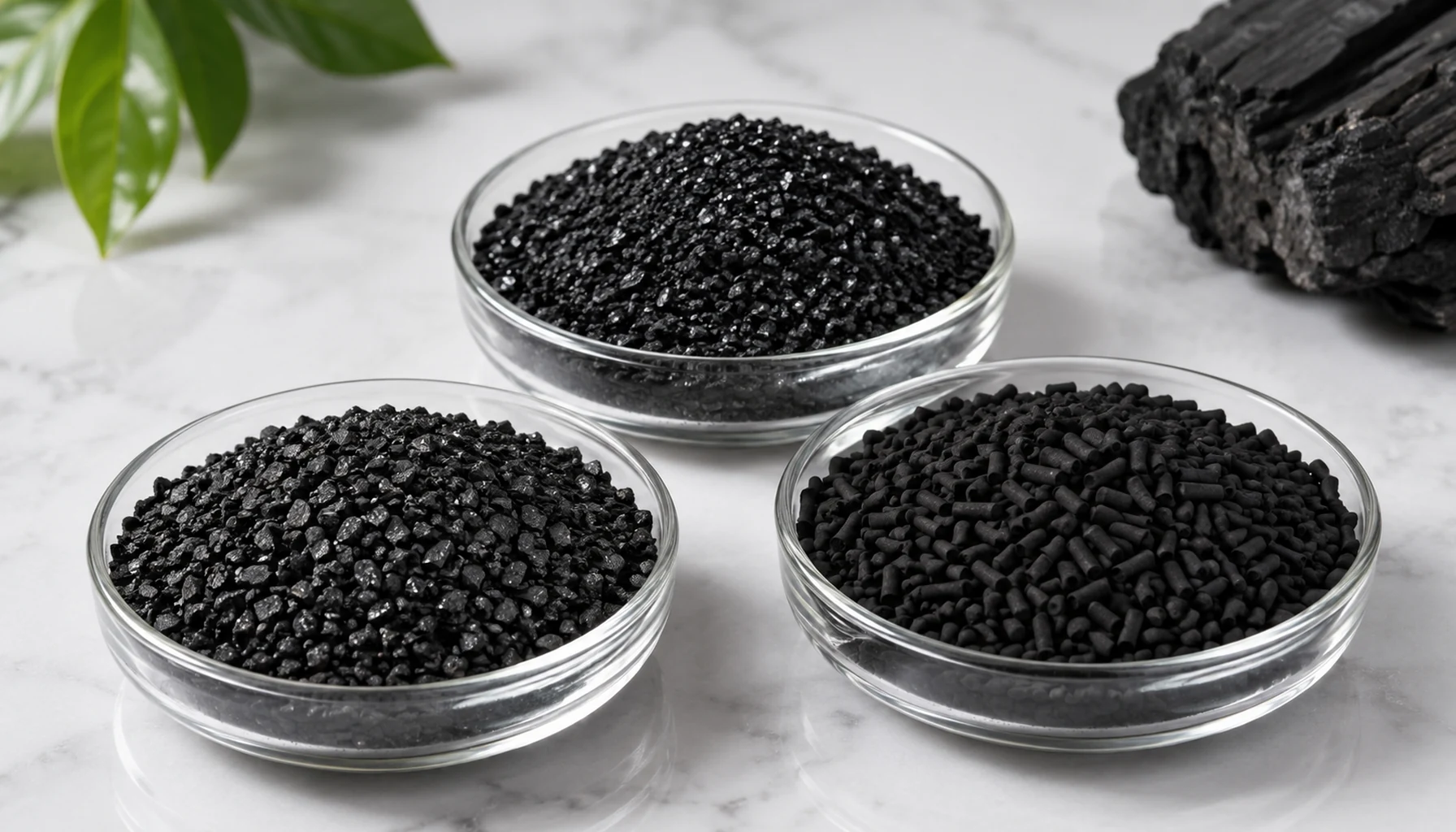
Cylindrical carbon pellets
Confirm actual pellet diameter, length distribution, fines and hardness using the selected grade’s product documentation.
Gas-phase treatment
Used in selected fixed-bed VOC, odor, industrial exhaust and vapor adsorption applications; suitability must be checked against the full stream.
Replacement or new filling
Match the installed carbon, vessel internals, gas flow, inlet/outlet target and loading quantity before specifying replacement media.
Important terminology: On this page, pelletized carbon means cylindrical, extruded activated carbon. The abbreviation PAC usually refers to powdered activated carbon, not pelletized carbon. Carbon molecular sieve (CMS) is a different material intended primarily for PSA nitrogen separation and should not be treated as an interchangeable VOC adsorbent.
Industrial application focus
Where shaped activated carbon can be considered
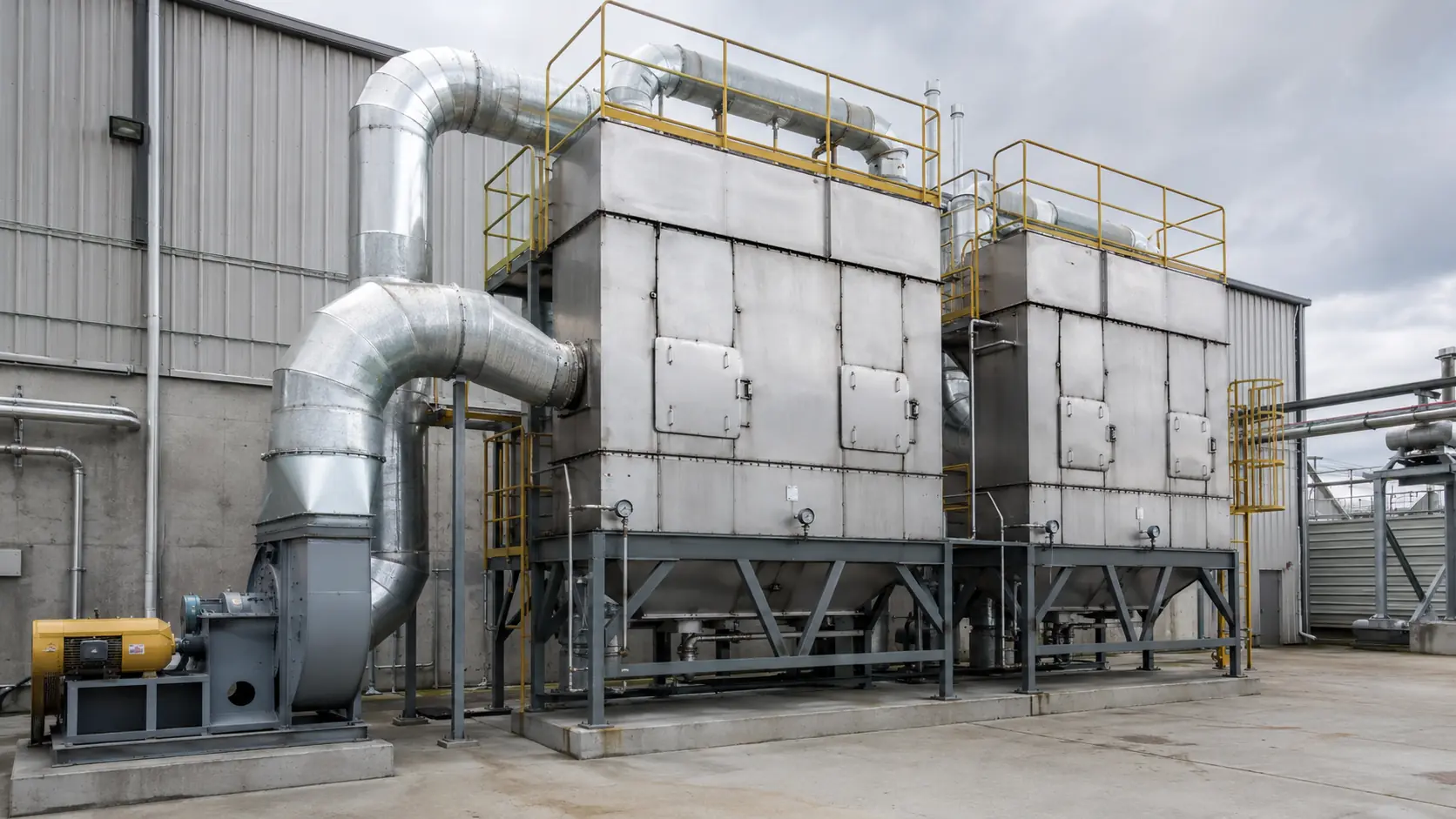
VOC exhaust treatment. Carbon beds may be used to adsorb selected organic vapors from printing, coating, manufacturing and process exhaust after the stream composition and safety requirements have been reviewed.
Industrial odor and vent air. Selection depends on actual compounds, concentration, moisture, temperature and any need for specially treated carbon.
Solvent-vapor adsorption or recovery. Cycling and regeneration requirements materially affect grade selection, durability and process safety; do not choose solely by an iodine or CTC number.
Existing fixed-bed replacement. Use the previous approved grade, pellet dimensions, bed depth, loading record, breakthrough history and site operating data as a comparison baseline.
Procurement specification
Parameters to confirm before selecting a pelletized carbon grade
Use the offered grade’s TDS to define the purchase specification. Compare each property using the same units and test method, and agree the acceptance requirements before ordering.
Swipe horizontally to compare all columns →
| Review item | What to request from the supplier | Why it matters |
|---|---|---|
| Feedstock and treatment | Raw material origin and whether the grade is untreated, impregnated or otherwise modified | May change pore structure, target selectivity and chemical compatibility |
| Physical form | Pellet diameter and length distribution, bulk density, fines and dust limits | Influences bed loading, flow characteristics and packing |
| Mechanical properties | Hardness, attrition resistance and the applicable test method | Relevant for handling, repeated operation and service life |
| Adsorption indicators | CTC/butane-related indicators or other application-relevant test data where applicable; moisture and ash | Useful only when interpreted with compound mix, test methods and site conditions |
| Operating constraints | Temperature, humidity, gas composition, regeneration mode and safety review requirements | Determines whether a particular grade is appropriate in the actual process |
| Commercial verification | Grade-specific TDS/SDS, sample availability, COA or batch release basis, packing method, requested quantity and destination | Allows like-for-like comparison before quotation and acceptance |
Comparing gas-phase performance reports? Use the gas-phase breakthrough report comparison guide to align the challenge conditions and endpoint before ranking offers.
Before approving the grade: Record the offered grade code, pellet dimensions, agreed test methods and acceptance limits in the purchase specification. Keep the approved sample and qualification results linked to that grade; record any proposed substitution separately for technical approval.
Practical selection
Pelletized carbon, granular carbon and powdered carbon serve different needs
Swipe horizontally to compare all columns →
| Carbon form | Common starting use | Selection emphasis |
|---|---|---|
| Pelletized activated carbon | Selected gas-phase packed beds, VOC/odor treatment and solvent-vapor adsorption | Pellet geometry, target compounds, pressure drop, hardness, regeneration suitability |
| Granular activated carbon (GAC) | Water filters and selected gas/liquid fixed beds | Mesh size, target contaminant, bed hydraulics, hardness, adsorption data |
| Powder activated carbon (PAC) | Liquid-phase dosing and controlled bench trials | Powder fineness, dose, contact time, separation and actual liquid testing |
Pelletized media does not automatically outperform granular carbon. Actual flow resistance, adsorption capacity and service life depend on grade properties, bed geometry and process conditions. Read the GAC vs PAC guide for liquid-treatment form selection.
Review process
How to qualify material for a replacement or new project
Record the gas stream
Provide actual VOC or odor compounds, inlet and outlet targets, operating temperature, humidity and flow.
Check vessel constraints
Confirm existing media, pellet size, bed depth, pressure drop, loading quantity and regeneration regime.
Compare grade evidence
Request the applicable TDS, SDS, sample or batch-related data, and align technical test methods.
Specify the order
Confirm quantity, packing, destination, required documents, sampling plan and shipment conditions.
Process safety: Adsorption of concentrated or reactive VOC streams can generate heat. Flammability, oxygen levels, bed temperature, static electricity, regeneration and disposal require qualified engineering assessment. An adsorbent quotation does not replace treatment-system design or safety approval.
Buyer questions
Pelletized Activated Carbon FAQ
Is pelletized activated carbon the same as CMS?
No. Pelletized activated carbon is a physical form of activated carbon used for suitable adsorption duties. Carbon molecular sieve is selected primarily for kinetic gas separation in PSA nitrogen systems. The two are not generic substitutes.
What pellet diameter should I specify for a gas-phase adsorber?
Use the approved original specification if replacing installed media. For new systems, pellet geometry must be reviewed against gas velocity, bed depth, required contact conditions, equipment retention and permissible pressure drop. Do not select a diameter from a generic catalogue alone.
Can one pelletized grade remove every VOC or odor?
No. Carbon performance varies by compound, inlet concentration, water vapor, temperature and other stream constituents. Certain odor compounds may require a chemically treated grade or a different technology.
Can I use iodine number to compare all pelletized carbons?
Iodine value alone does not establish performance for the actual VOC mixture. Compare application-relevant adsorption testing, physical properties and test methods, supported by the supplier’s grade-specific documents.
What do I send for a bulk supply quotation?
Send gas composition, normal/peak concentration, flow, temperature, humidity, outlet target, existing media or grade, pellet diameter, filling quantity, packing preference, destination and requested TDS/SDS/COA. Availability and terms are confirmed for the selected grade.
Commercial inquiry
Request Pelletized Activated Carbon for Your Gas Treatment Project
Send the specification or process requirement you already have. A completed equipment datasheet is useful, but not mandatory for the initial review.
- Target VOCs / odor compounds
- Gas flow and operating conditions
- Current carbon form and pellet size
- New system or replacement project
- Required or existing filling quantity
- Destination and document needs
Include your required delivery date and any mandatory qualification documents so the quotation can address both technical acceptance and shipment planning.