Activated Carbon for Industrial Solvent Vapor Recovery
Activated carbon can be used to capture selected organic solvent vapors from process exhaust streams. When the objective is solvent recovery rather than one-pass odor or VOC control, the adsorption bed must be considered together with desorption, condensation, solvent handling and process safety.
On this page
Build the Solvent Mass Balance Before Calling It Recovery
Removal efficiency and solvent recovery are different measurements. A carbon bed may capture vapor from the exhaust stream, but only part of that captured mass may return as reusable solvent after desorption, condensation and separation. Some material may remain on the carbon after regeneration, enter wastewater, leave with the treated exhaust or require disposal.
| Mass-balance stream | What to measure or record | Why it matters |
|---|---|---|
| Solvent entering the adsorber | Inlet concentration, gas flow and operating time on a consistent basis. | Establishes the solvent load presented to the recovery system. |
| Solvent leaving the adsorber | Outlet concentration and gas flow, including the changeover / breakthrough period. | Helps quantify capture and identify when the bed is approaching its operating limit. |
| Solvent desorbed from carbon | Regeneration cycle, desorbate flow and condensate composition. | Separates the amount released from the bed from the amount ultimately recovered as product. |
| Reusable solvent product | Recovered mass, purity, water content and whether it meets the plant’s reuse specification. | Defines the commercially meaningful recovered quantity. |
| Residuals and losses | Solvent in wastewater, non-recovered condensate, vent emissions, carbon heel and spent carbon. | Prevents the mass balance from treating all captured solvent as saleable recovery. |
How Carbon-Based Solvent Recovery Is Different
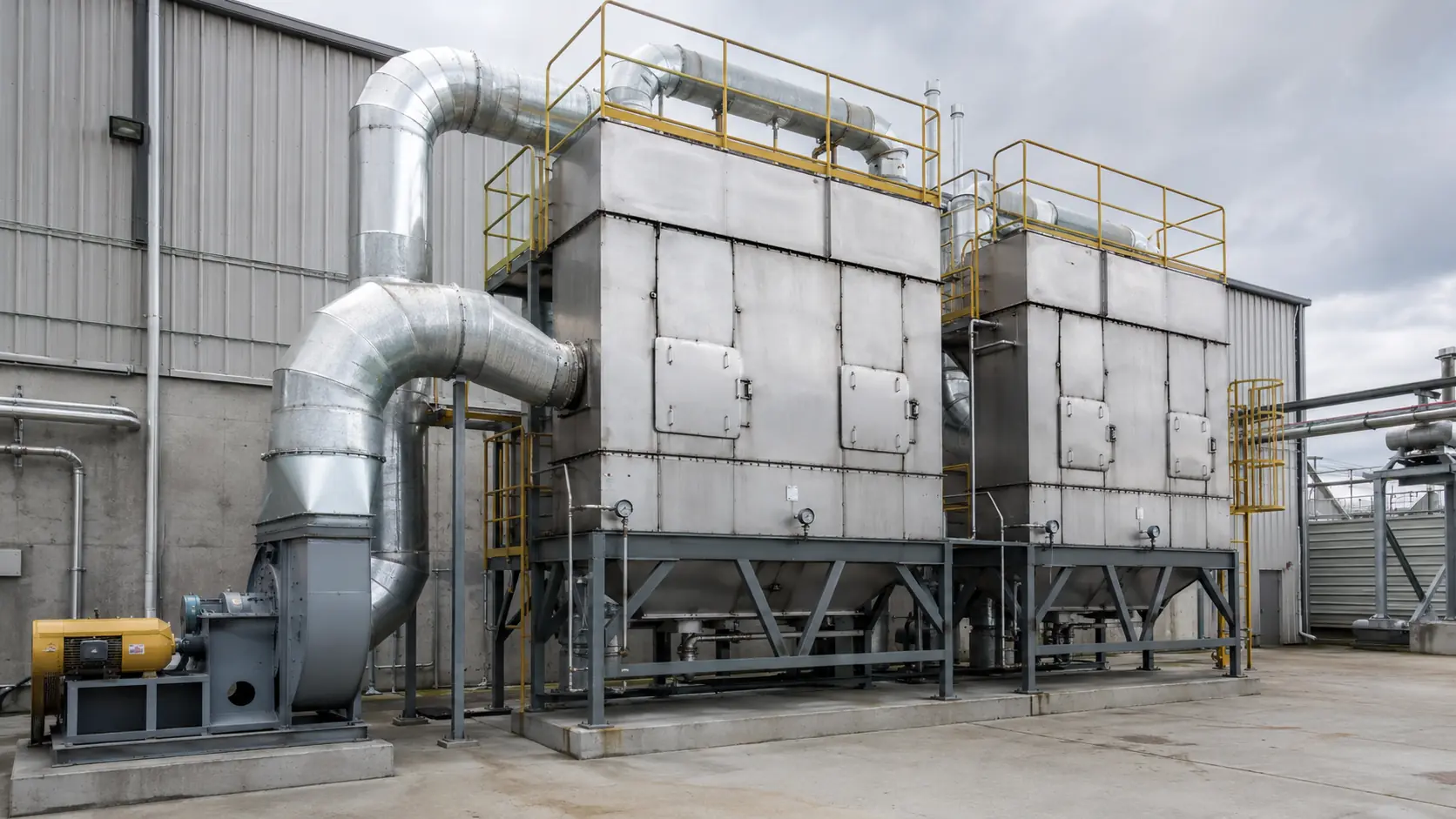
In a solvent-recovery process, activated carbon captures solvent vapor during the adsorption stage. A loaded bed is then regenerated under a process-specific condition, and the desorbed vapor is routed to a recovery or treatment stage. The actual arrangement varies by solvent, gas stream and plant design.
Select Carbon for the Actual Solvent and Equipment
Granular Activated Carbon
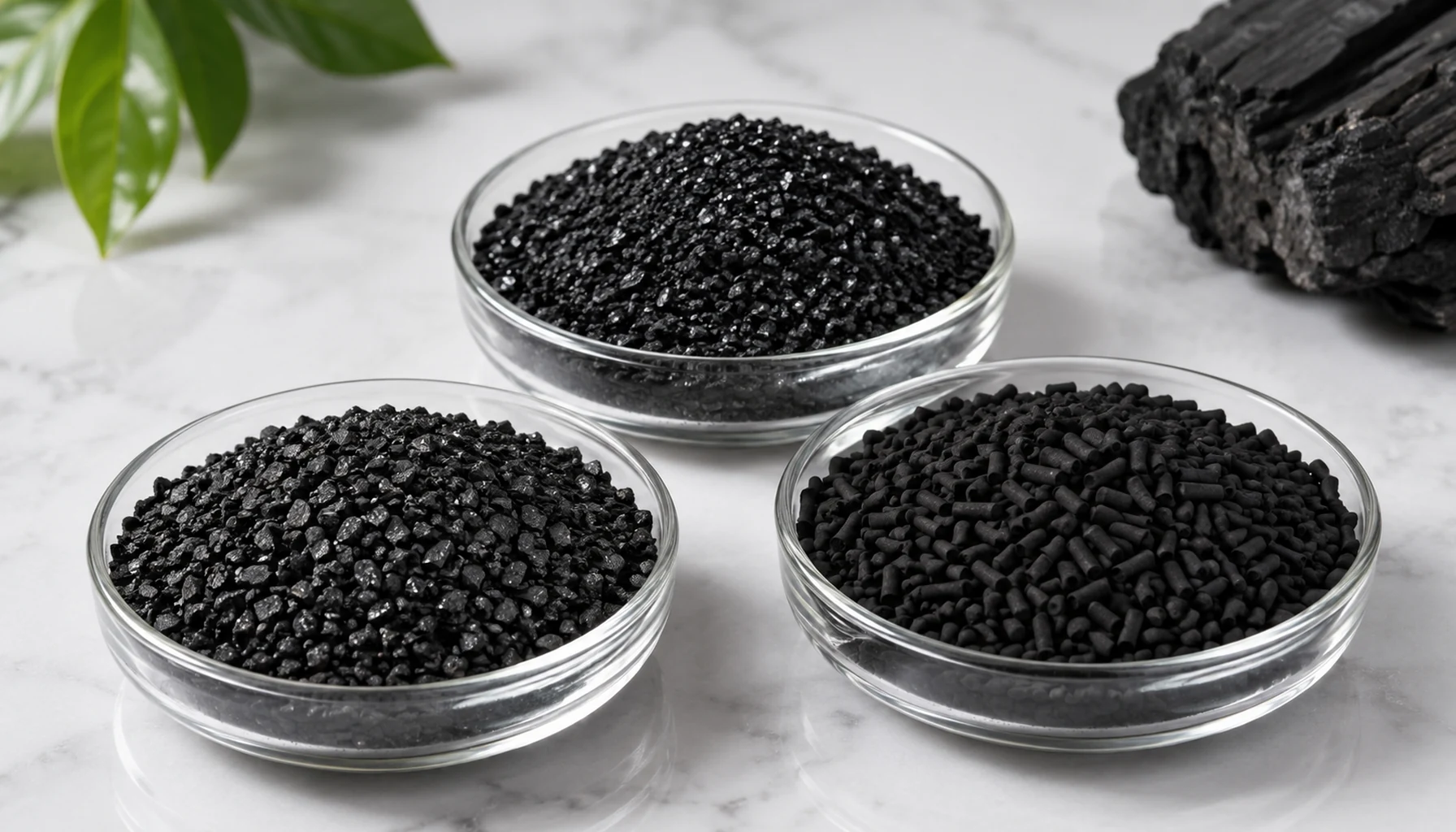
GAC may be considered for fixed-bed adsorption where the vessel, particle-size range, pressure drop, retention system and regeneration plan are compatible. Review the specific grade rather than relying on a general GAC description.
Pelletized Activated Carbon
Pelletized carbon is another form to review for gas-phase service. Pellet diameter, length, mechanical strength, attrition, bed pressure drop and the equipment’s loading arrangement all need confirmation.
Solvent Recovery Requires a Full Desorption and Recovery Route
The European Commission’s 2023 waste-gas reference document makes an important distinction: adsorption can be non-regenerative, with spent adsorbent disposed of, or regenerative, with the captured compound desorbed and the adsorbent reused. Adsorption is often used for emission abatement; recovery of the captured compound is a separate process objective that depends on the solvent and the downstream equipment.
The U.S. EPA’s carbon-adsorber technical chapter illustrates steam regeneration followed by condensation and downstream separation. It also explains that steam-based systems create additional equipment and operating costs, including management of the resulting water / VOC condensate. Vacuum regeneration is another possible route for suitable systems. These are process options, not interchangeable operating instructions.
Humidity, heat and oxygen are selection variables—not footnotes
EPA technical guidance notes that activated-carbon capacity is affected by the adsorbed species, temperature, pressure, carbon particle size and pore structure. Water vapor can reduce useful capacity for many VOC duties, while adsorption releases heat. Oxygen-bearing streams, high heat of adsorption, reactive compounds and poorly controlled bed temperatures require a process-specific safety review. No generic carbon grade or regeneration temperature can be approved from the solvent name alone.
| Decision before purchase | What must be defined |
|---|---|
| Recovery or abatement? | Is the goal emission reduction, solvent reuse, or both? Define separate outlet and recovered-product acceptance criteria. |
| Can the solvent be desorbed? | Solvent identity, mixture composition, volatility, water solubility, thermal stability and the proposed regeneration method. |
| Can the desorbed stream be reused? | Expected condensate composition, water separation, distillation / polishing needs and solvent reuse specification. |
| What is the carbon’s working capacity? | Solvent-specific test data under the expected concentration, humidity, temperature and pressure—not iodine value alone. |
| What is the safety basis? | Oxygen, flammability, LEL monitoring, adsorption heat, bed temperature, inerting, emergency response and approved operating procedures. |
Technical references: U.S. EPA, Carbon Adsorbers technical chapter; European Commission JRC, Waste Gas Management and Treatment Systems in the Chemical Sector (2023), Section 3.3.2.2.
Solvent and Process Data Required for Review
| Data group | Information to provide | Why it matters |
|---|---|---|
| Solvent identity | All solvent components, mixtures, impurities and concentration range. | Adsorption affinity, compatibility, condensation and recovery route are solvent-specific. |
| Gas stream | Normal / minimum / maximum flow, pressure, temperature, humidity and oxygen content. | These conditions affect bed loading, heat release, adsorption capacity and safety review. |
| Operating pattern | Continuous or batch operation, peak loads, start-up, shutdown and bed-switching sequence. | Cycle design and carbon working capacity depend on the real operating profile. |
| Recovery objective | Required outlet concentration, recovery target, solvent reuse specification and emission limits. | Recovery and emission-control objectives are not identical acceptance criteria. |
| Regeneration | Steam, nitrogen, hot gas, vacuum or another defined method; temperature and cycle limits. | Not every solvent or carbon grade is suitable for every regeneration route. |
| Equipment | Bed dimensions, carbon mass, number of vessels, internals and allowable pressure drop. | Particle form and loading quantity must match the adsorber design. |
Critical Safety and Engineering Checks
Do not select a solvent-recovery carbon grade from a generic VOC list
Solvent-vapor adsorption can involve flammable atmospheres, adsorption heat, oxygen management, hot spots, polymerizing or reactive compounds, and hazardous desorption streams. The plant’s process and safety engineers must approve the carbon, regeneration route, inerting strategy, temperature monitoring, LEL monitoring, fire protection, pressure relief and operating procedures.
This page is an adsorbent selection and procurement guide. It is not a solvent-recovery unit design, safety case or performance guarantee. No universal recovery efficiency or operating limit is implied.
What Should Be Checked in a Carbon Sample?
For a new project, agree on a solvent-specific test plan before bulk approval. For a replacement project, compare the proposed carbon with the installed grade and the original system basis.
Solvent Vapor Recovery with Activated Carbon: FAQ
Can activated carbon recover solvents from industrial exhaust?
Activated carbon is used in selected vapor-phase solvent adsorption and recovery systems. Whether a solvent can be recovered depends on its chemistry, concentration, humidity, adsorption behavior, desorption route and condensation process.
Is solvent recovery the same as VOC and odor control?
No. VOC control may capture or destroy contaminants. Solvent recovery adds a regeneration and downstream recovery step intended to collect a usable solvent stream. The process and acceptance criteria are different.
Should I choose granular or pelletized activated carbon?
Choose by the existing or planned adsorber design, gas flow, pressure drop, particle retention, bed dimensions, mechanical requirements and regeneration route. Particle form alone does not determine suitability.
Can one activated carbon grade handle every solvent?
No. Solvent identity and mixture composition are critical. Obtain grade-specific adsorption evidence and process approval before selecting a carbon.
What should I send for a quotation?
Send the solvent list, concentration range, gas flow, temperature, humidity, oxygen content, target outlet, regeneration method, bed dimensions, current carbon grade and required quantity.
Technical References
The International Adsorption Society overview lists activated carbon among adsorbents used for solvent-vapor and organic-stream adsorption. The European Commission JRC reference document on Common Waste Gas Management and Treatment Systems in the Chemical Sector (2023) discusses adsorption-bed loading, desorption and solvent handling in industrial solvent applications. These references provide process background, not a qualification of any specific carbon grade.
Request a Solvent-Vapor Adsorbent Review
Send the solvent composition, operating data and existing adsorber information. We can review the product form and available grade documentation needed for your technical approval process.