Molecular Sieve Beads vs Powder
Molecular Sieve Beads vs Powder is a comparison of two forms designed for different process structures. Beads or pellets are normally retained in packed beds, while activated powder is dispersed into compatible formulations. This Adsorbent Source guide helps buyers define the correct form, grade, handling method and test plan before purchasing.
When Should You Use Beads, Pellets or Activated Powder?
The deciding question is not which form is more powerful. It is whether the adsorbent must remain as a separate packed bed or become part of a formulated product.
Fixed-Bed Drying and Purification
Use a mechanically stable granular form when gas or liquid passes through a vessel, cartridge or dryer and the media must stay in place while controlling pressure drop and dust.
Moisture Control in Formulations
Review a fine activated grade when the adsorbent will be mixed into compatible coatings, adhesives, sealants, polyurethane systems, polymers or selected industrial compounds.
Form Is Part of the Specification
Ordinary beads should not be crushed and treated as activated powder, and powder cannot replace beads in a packed bed. Activation, binder, particle distribution and intended use differ.
Molecular Sieve Beads vs Powder: Main Differences
This purchasing guide compares typical selection directions. Exact pore type, adsorption performance, residual moisture, particle size and physical properties depend on the selected grade and manufacturer data.
| Evaluation Area | Beads or Pellets | Activated Molecular Sieve Powder |
|---|---|---|
| Physical form | Free-flowing spheres or extruded pellets manufactured to remain as a granular bed. | Fine activated zeolite powder manufactured for dispersion into selected formulation systems. |
| Typical application structure | Packed towers, regenerative dryers, purifier vessels, cartridges and selected liquid-drying systems. | Coatings, adhesives, sealants, polyurethane systems, polymers and other compatible industrial formulations. |
| How it works in the process | The process stream flows through a retained bed and contacts the external and internal pore structure of the particles. | The powder is distributed through the formulation and adsorbs available moisture while remaining in the finished compound. |
| Primary selection factors | Pore type, bead or pellet size, dynamic capacity, crush strength, attrition, bulk density, pressure drop and regeneration. | Pore type, activation condition, particle-size distribution, residual moisture, dispersion, compatibility, viscosity effect and trial dosage. |
| Binder and shaping | Shaped products commonly contain a binder system that gives the particle usable strength and form. | Powder grade and manufacturing route must be confirmed; crushing a shaped product does not reproduce a qualified activated powder. |
| Pressure-drop concern | Particle size, bed depth, fines, velocity and flow distribution directly affect differential pressure. | Not selected for packed-bed pressure drop; processing concerns include feeding, dust control, mixing and viscosity. |
| Mechanical concern | Crush strength and attrition affect fines generation, channeling, screen blockage and service life. | Fineness, agglomeration and dispersion affect mixing uniformity, surface appearance and formulation performance. |
| Handling after opening | Limit exposure, reseal containers and load promptly because the active bed can adsorb ambient moisture before start-up. | Use closed transfer where practical, prevent moisture pickup and dust release, and reseal unused powder immediately. |
| Qualification route | Confirm system conditions, vessel design, current media, particle form, cycle and supplier-specific performance data. | Confirm formulation chemistry, processing, compatibility, particle requirements and dosage through controlled laboratory trials. |
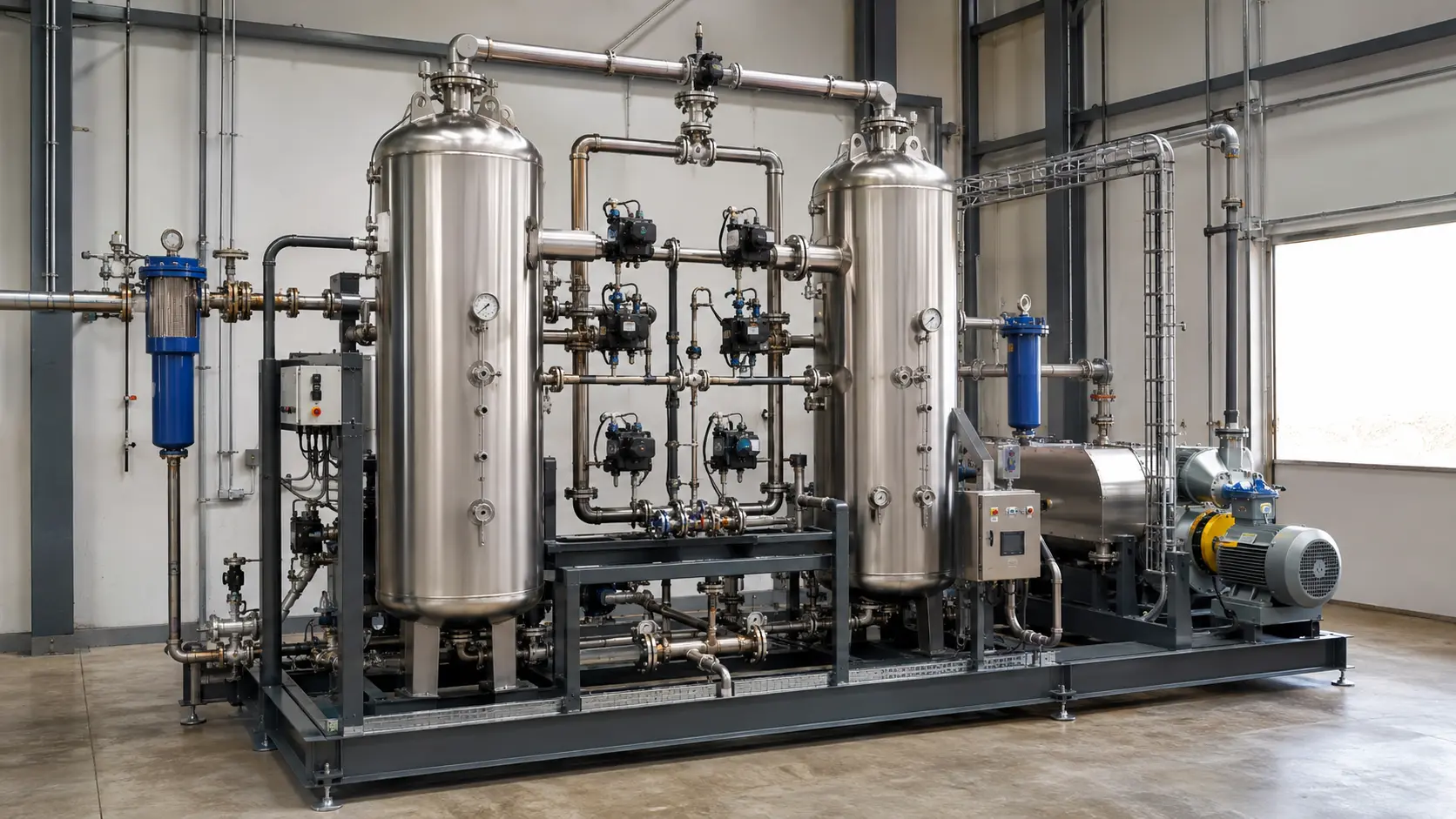
Granular Molecular Sieve Is Designed for Retained Packed Beds
Beads and pellets are used when a gas or liquid must pass through a defined bed of adsorbent. The particle form supports loading, flow distribution and repeated adsorption-regeneration cycles while retaining the media behind screens or support grids.
Selection must consider more than nominal pore size. Particle diameter, bed depth, vessel diameter, gas velocity, feed composition, target outlet condition, regeneration temperature, cycle time, pressure drop and contamination control determine working performance.
Molecular Sieve Beads and Pellets
Compare 3A, 4A, 5A, 13X and application-specific molecular sieve forms according to the actual adsorption duty.
Fine Powder Is Selected for Compatible Formulation Systems
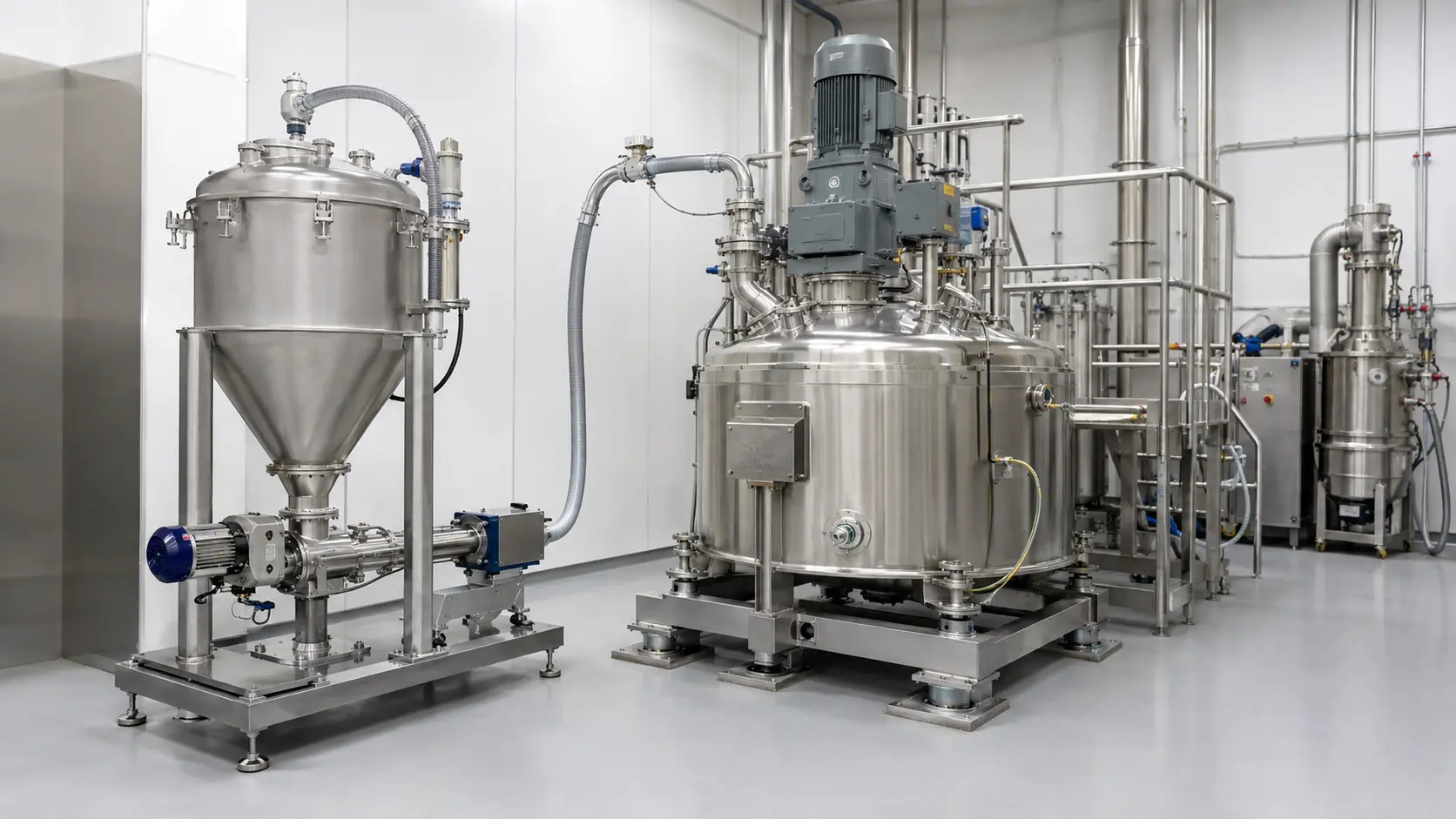
Activated molecular sieve powder is intended to be incorporated into a formulation rather than held in a removable drying bed. It may be evaluated where moisture can affect storage stability, cure behavior, foaming, processing or other product properties.
The formulation trial must check adsorption benefit together with dispersion, viscosity, color, surface finish, sedimentation, cure, adhesion and other finished-product requirements. There is no universal addition rate that applies to every resin, binder or process.
Activated Molecular Sieve Powder
Review the powder grade, formulation information, sample availability, documents and packaging requirements.
Control Exposure from Packaging to Final Use
Both forms begin adsorbing moisture when exposed to ambient air. Handling should preserve the supplied activation condition and prevent the product from collecting water before it reaches the intended process.
Moisture-Barrier Packaging
Confirm the inner liner, seal integrity, outer container, unit weight and pallet protection needed for storage and export transport.
Opening Time
Prepare the vessel or batch before opening. Minimize air exposure and do not leave active material in open drums, bags or hoppers.
Closed Powder Transfer
Use suitable local exhaust or enclosed feeding where practical to control dust, reduce moisture pickup and improve batch consistency.
Prompt Resealing
Close partly used packaging immediately according to the supplier’s instructions. Do not rely on an unsealed folded bag for long-term protection.
Bed Cleanliness
Keep packed-bed media free from oil, liquid water, dirt and foreign particles during loading, vessel inspection and start-up.
Traceable Lots
Retain labels and COA references so samples, deliveries and operating results can be traced to the actual grade and production lot.
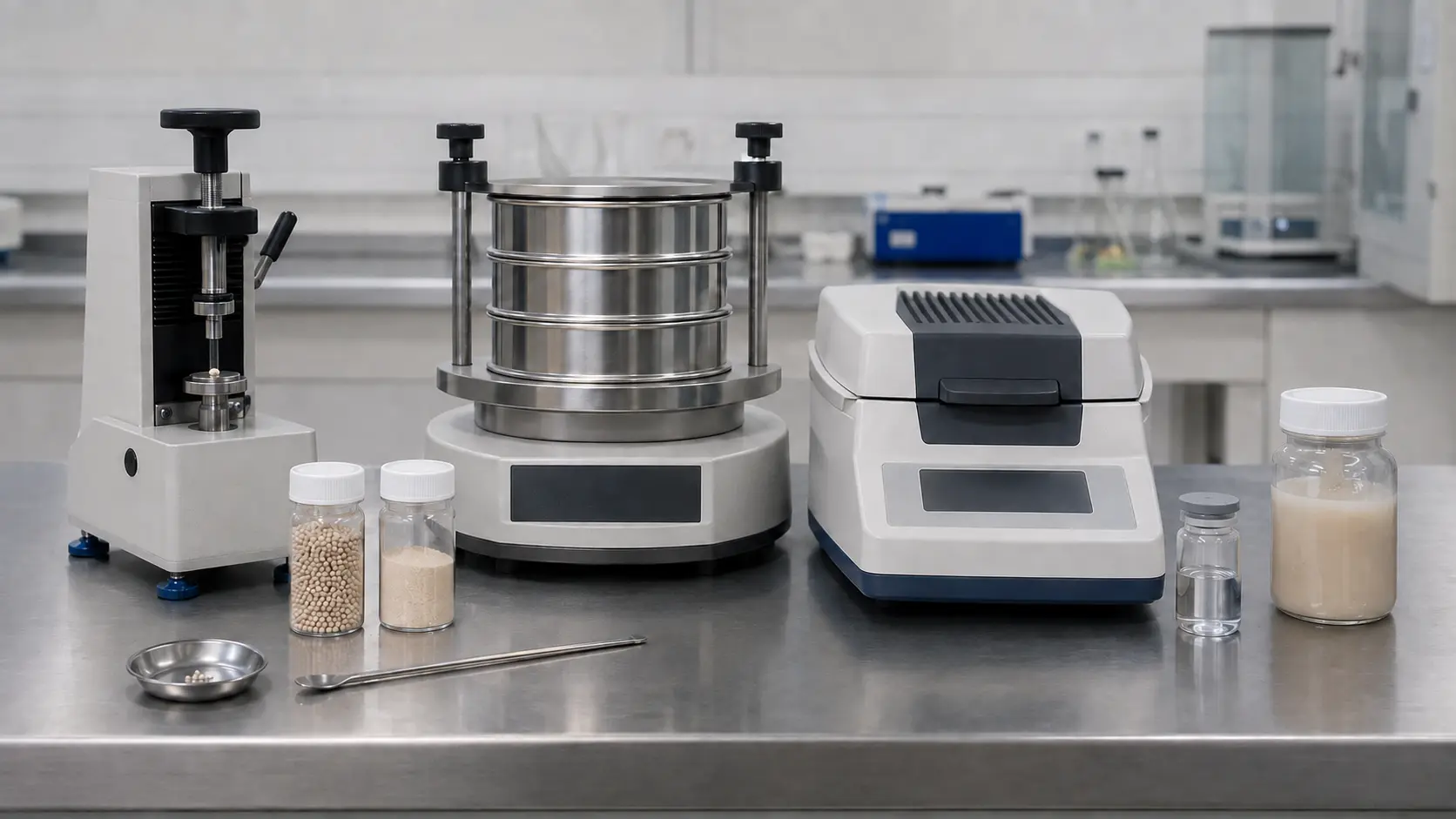
Test the Properties That Matter for Each Form
Beads and powder require different performance checks. For packed beds, useful review items may include particle-size distribution, bulk density, crush strength, attrition, dust, static adsorption and grade-specific dynamic data. For powder, the review may include particle distribution, residual moisture, adsorption data, dispersion and formulation compatibility.
Test methods, conditioning procedures and acceptance limits must be aligned before comparing suppliers. Results obtained by different methods or after uncontrolled sample exposure may not be directly comparable.
Define the Process
State whether the media will be retained in a bed or dispersed into a formulation.
Specify the Duty
Provide feed or formulation data, moisture target, operating conditions and observed problem.
Compare Grades
Review form, size, activation, physical properties, documents, packaging and samples.
Validate the Choice
Confirm packed-bed performance with responsible engineering or powder performance by formulation trials.
Molecular Sieve Beads vs Powder FAQ
These answers define the main selection boundary. Final suitability depends on the chosen grade, supplier data, equipment or formulation and actual test results.
What is the main difference between molecular sieve beads and powder?
Beads or pellets are shaped media retained in packed beds, dryers or cartridges. Activated powder is a fine material dispersed into compatible formulations such as coatings, adhesives, sealants or polymers.
Can molecular sieve powder be used in a packed-bed dryer?
No, not as a direct replacement for beads or pellets. Fine powder can create excessive pressure drop, dust carryover and containment problems. Use a product form engineered for the vessel and flow conditions.
Can ordinary beads be crushed to make activated molecular sieve powder?
Crushing shaped beads does not create a qualified activated powder. The crushed material may contain binder, have uncontrolled particle distribution, adsorb moisture during processing and lack the dispersion or compatibility properties required by a formulation.
Are pellets the same as beads?
Both are shaped granular forms for retained beds, but their geometry and physical data differ. The choice between spherical beads and extruded pellets should consider pressure drop, strength, flow distribution, vessel screens and the validated product specification.
What dosage of activated molecular sieve powder should be used?
There is no universal dosage. The range must be evaluated against measured moisture, formulation chemistry, particle requirement, viscosity, color, processing and finished-product performance through controlled trials.
How should beads and powder be stored after opening?
Limit air exposure and reseal unused material promptly in suitable moisture-barrier packaging. Prepare the bed or batch before opening, and follow the selected supplier’s storage and handling instructions.
What information should I send for product selection?
For beads, send the gas or liquid composition, flow, pressure, temperature, target outlet condition, vessel details, cycle, regeneration and current media. For powder, send the formulation type, resin or binder, moisture problem, particle requirement, color, viscosity, mixing process, proposed trial and sample quantity.
Choose the Correct Molecular Sieve Form for Your Process
Send your packed-bed operating data or formulation requirements. Adsorbent Source supplies industrial adsorbents and reviews the requested bead, pellet or powder grade against the application data. Sample and document availability, packaging and quotation requirements can be checked for each inquiry.
TDS vs SDS vs COA for Adsorbents →
Regenerate or Replace Molecular Sieve? →