Industrial Gas Purification Adsorbents
Choose an adsorbent by the impurity to be removed, the gas composition and the operating cycle—not by a material name alone. This guide routes industrial gas drying, CO₂ control, organic-vapor adsorption and PSA separation requirements to the relevant product families and application reviews.
On this page
Gas Purification Is a Process Duty, Not One Product
Different gas streams require different adsorption mechanisms. Water removal, carbon dioxide removal, solvent-vapor capture and nitrogen generation should not be treated as interchangeable duties. Start with the target component and the downstream gas specification.
Gas Drying and Dehydration
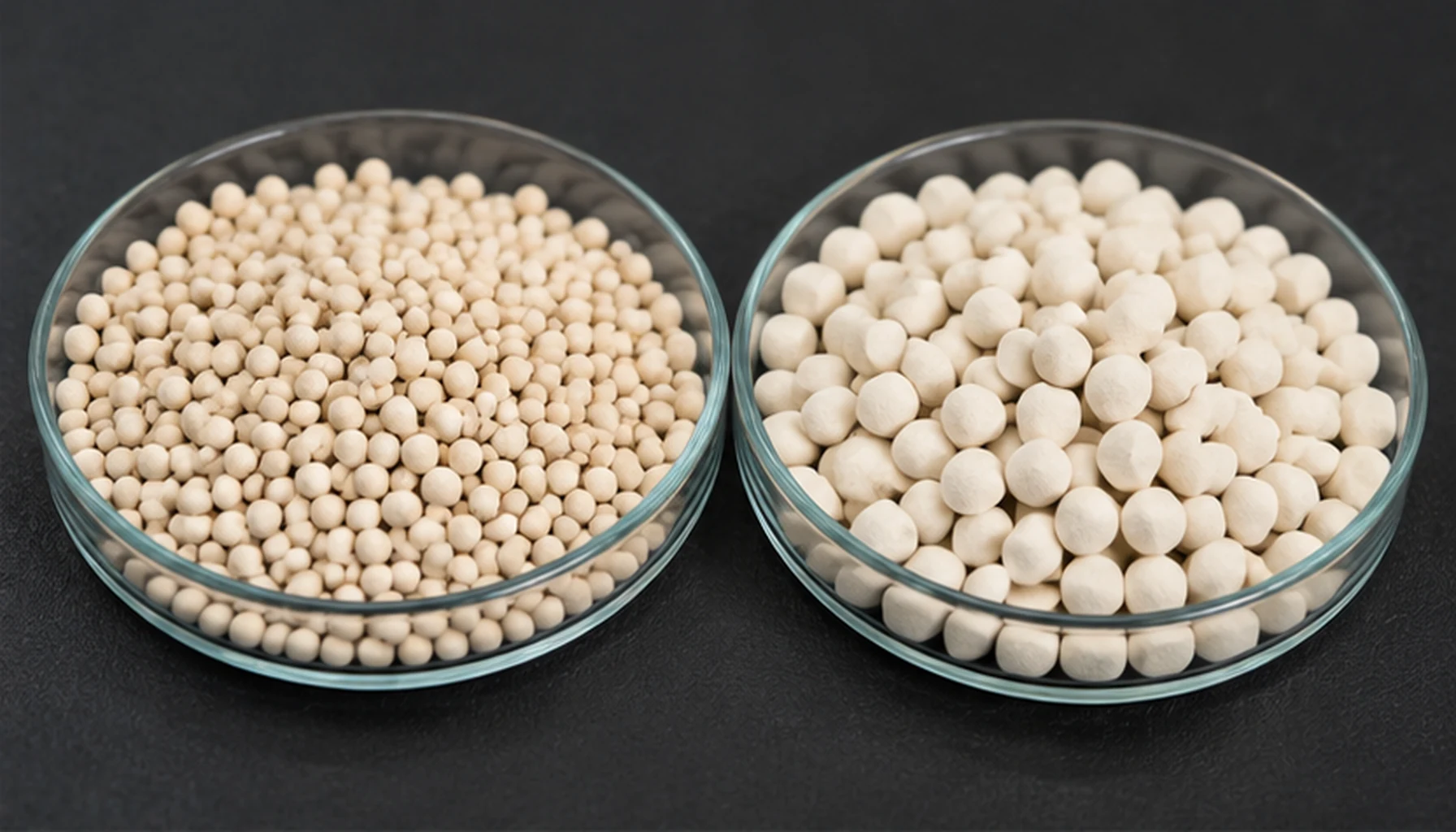
Molecular sieves, activated alumina or silica gel may be reviewed according to water loading, required outlet dew point, gas chemistry and regeneration conditions.
Carbon Dioxide and Trace-Contaminant Control
13X and 13X APG are considered for selected gas purification and air pre-purification duties. The correct grade depends on the process specification and the full impurity profile.
VOC and Solvent-Vapor Adsorption
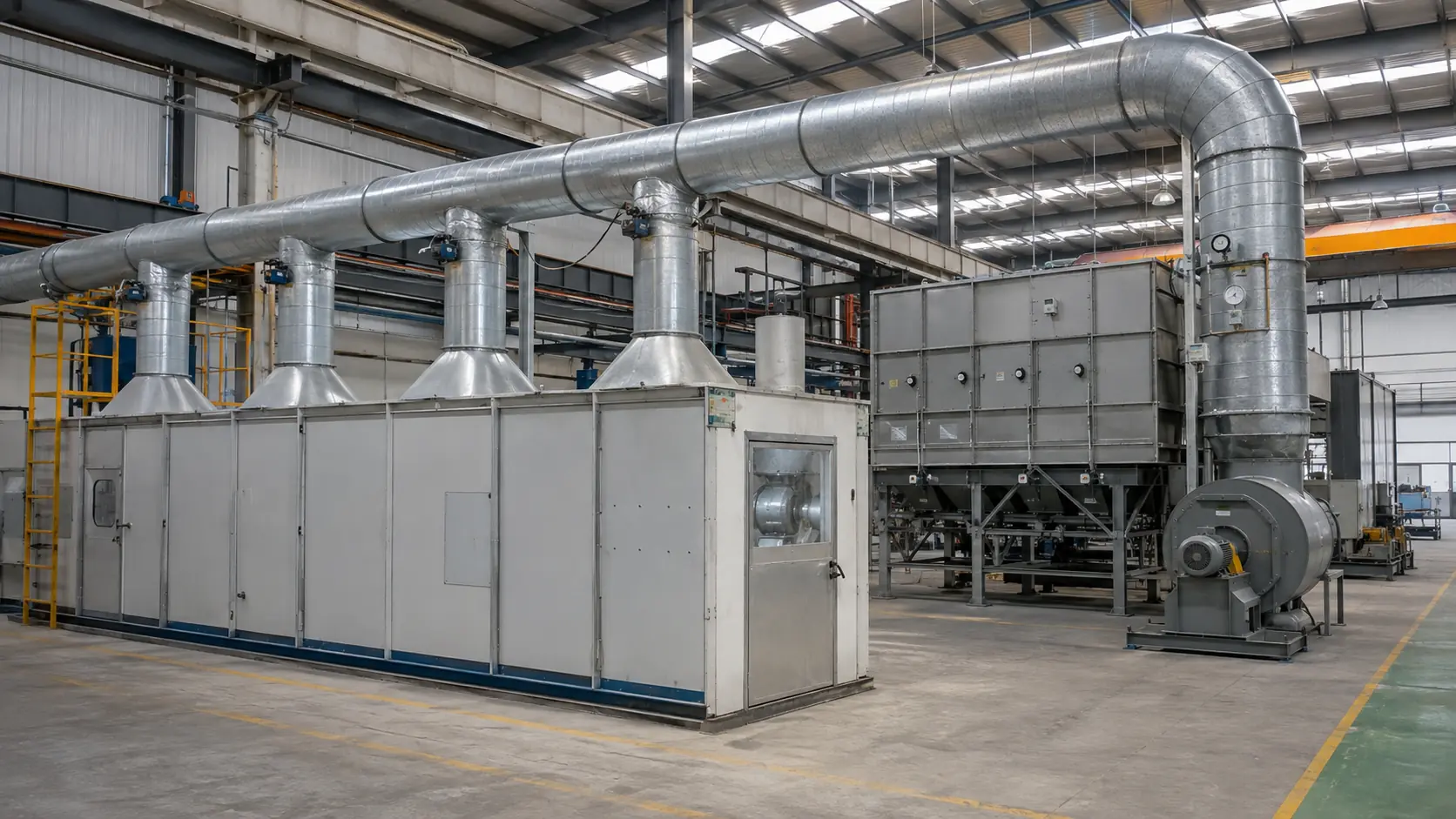
Granular or pelletized activated carbon may be reviewed for suitable organic-vapor streams. Solvent identity, humidity, concentration and regeneration route must be confirmed.
Match the Adsorbent Family to the Target
The matrix is an initial routing aid, not a final process design or a guarantee that every grade within a family is suitable.
| Process target | Product family to review | Critical confirmation |
|---|---|---|
| Water vapor removal | 3A / 4A / 13X molecular sieve, activated alumina or silica gel | Gas composition, moisture loading, outlet dew point, pressure, temperature and regeneration cycle |
| CO₂ removal or air pre-purification | 13X or application-specific 13X APG | CO₂ concentration, co-adsorbed impurities, feed conditions, cycle and OEM process specification |
| Organic vapor, VOC or odor adsorption | Granular or pelletized activated carbon | Solvent identity, concentration, relative humidity, temperature, flow and carbon regeneration method |
| Oxygen / nitrogen separation by PSA | Carbon molecular sieve for PSA nitrogen generation | Nitrogen purity, residual oxygen, product flow, air consumption, pressure cycle and feed-air quality |
| Hydrogen purification | Process-specific combinations of molecular sieve and other adsorbents | Complete impurity list, process sequence, product specification and equipment supplier approval |
What to Send for a Gas Purification Review
Choose the Correct Application Route
When Is Adsorption the Right Treatment Stage?
Adsorption is not automatically the first or only operation in a gas-treatment train. The European Commission Joint Research Centre’s 2023 waste-gas reference document distinguishes regenerative adsorption from non-regenerative adsorption: the captured compound may be desorbed, for example with steam, and the adsorbent reused, or the spent medium may be disposed of. For continuous service, multiple adsorbers may operate in parallel while one bed is in desorption.
| Process role | What happens | Question to settle before selecting media |
|---|---|---|
| Adsorption as the main control step | The target compound is retained on the bed until a defined breakthrough or changeover condition. | What is the inlet load, required outlet, working capacity basis and safe changeover criterion? |
| Adsorption for material recovery | The captured compound is desorbed and sent to condensation or another recovery step. | Can the desorbed stream be separated to the required reuse quality, and what happens to non-recoverable fractions? |
| Adsorption in a treatment train | Condensation or other pretreatment may reduce the load before adsorption; thermal oxidation or another step may polish the outlet. | What contaminants must be removed upstream, and which outlet duty remains after the adsorber? |
Gas Purification Adsorbents FAQ
Which adsorbent is best for industrial gas purification?
There is no universal best material. Molecular sieves, activated alumina, silica gel and activated carbon address different impurity and process duties. The target contaminant, gas composition, operating conditions and outlet requirement determine the candidate grade.
Can 13X molecular sieve be used for CO₂ removal?
13X is commonly reviewed for selected CO₂ adsorption and gas-purification duties. Standard 13X and application-specific 13X APG should not be assumed interchangeable. Confirm the process specification and grade-specific TDS.
Can activated carbon be used for gas purification?
Activated carbon is used for adsorption of selected organic vapors and odors from gas streams. The solvent or contaminant identity, humidity, temperature, concentration and regeneration method must be checked before selecting a grade.
Is carbon molecular sieve the same as activated carbon?
No. CMS is used in PSA nitrogen generation because of its selective adsorption-rate behavior for oxygen and nitrogen. General activated carbon grades are not direct substitutes for CMS.
What information is required for a quotation?
Send gas composition, target impurity, flow, pressure, temperature, outlet specification, adsorber dimensions, regeneration cycle, current media and required quantity. Existing TDS, COA or equipment records are useful when available.
Technical References
For background on commercial gas-phase adsorption separations and the use of activated carbon, silica, alumina and zeolites, see the International Adsorption Society overview of adsorption and the ASHRAE Handbook chapter on industrial gas cleaning and air-pollution control. These references explain general process principles; final media selection must use the actual project specification and supplier grade data.
Move from Process Selection to a Comparable Quote
Once the gas duty is defined, keep the proposed grade, particle size, quantity and acceptance criteria consistent across your purchasing documents.
- Check the gas-analysis report: align concentration units, dry/wet basis and sample location before comparing media offers.
- Prepare the RFQ: assemble the operating data and purchasing scope for the same duty.
- Compare quotations: check the offered grade, test basis, packing and delivery scope side by side.
- Qualify the supplier and product: connect the proposed grade to traceable documents, sample approval and batch records.
Request an Industrial Gas Purification Review
Send the gas composition, impurity target, operating point and existing adsorber information. We can review the relevant product family and confirm which grade-specific documents are available for the inquiry.