13X APG Molecular Sieve RFQ for Air Separation Prepurification
Buying 13X APG for an existing air separation prepurification unit requires more than an APG product name. Identify the original adsorbent, bed arrangement, operating cycle, moisture and CO₂ removal duty, acceptance basis and the required supply package.
This RFQ guide supports pre-purchase review and comparison of supplier offers. It does not determine the ASU engineering design or certify compatibility of an untested replacement grade.
What Does a Quote-Ready 13X APG Enquiry Include?
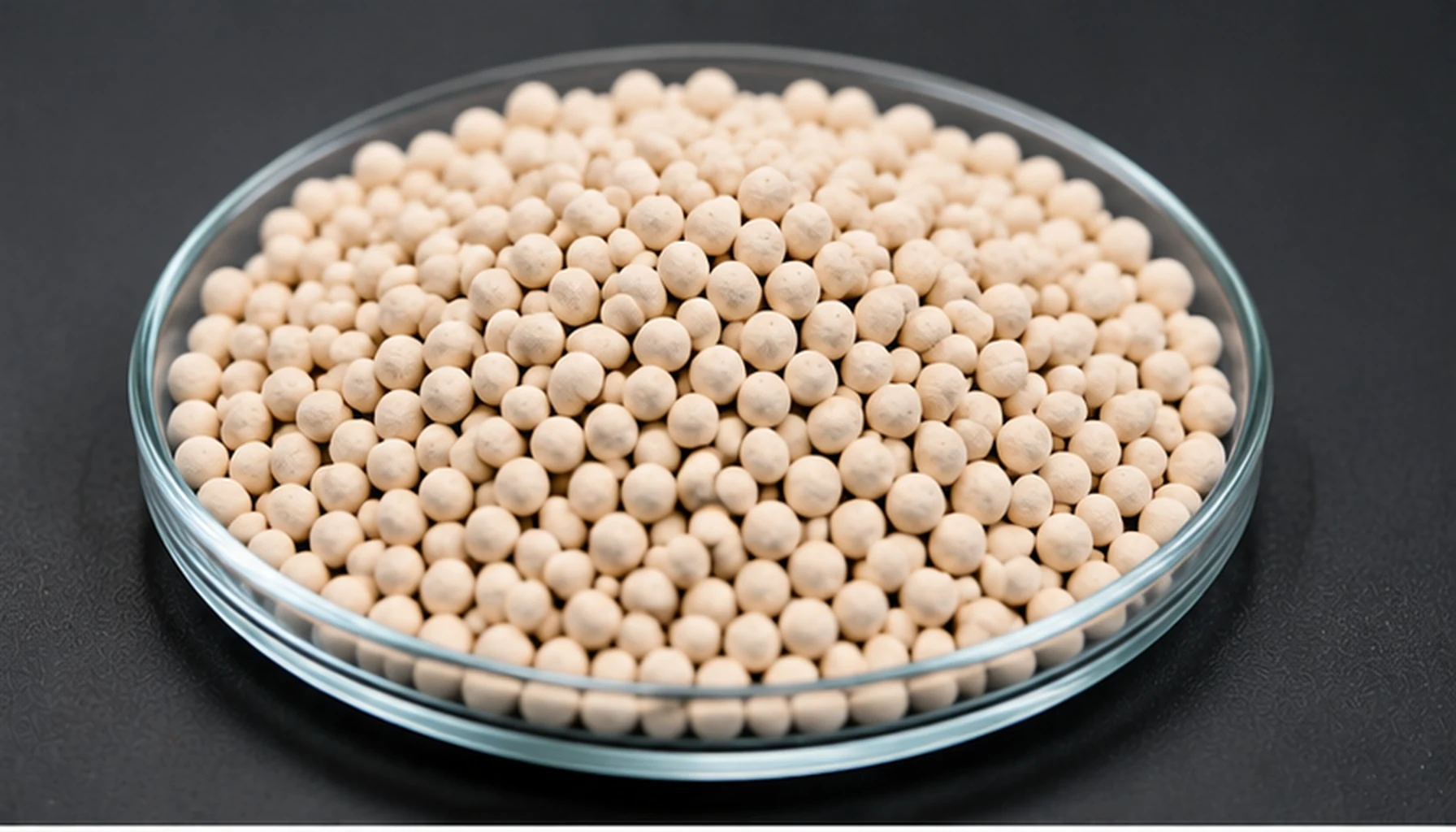
The cryogenic ASU cold box requires effective removal of water and CO₂ upstream. The prepurification process may contain alumina and molecular sieve layers, with operation and regeneration defined by the original engineering design. An APG grade name cannot replace the process data and technical acceptance criteria.
Project Docket: Information Needed From the ASU
01 / Existing Adsorbent
- Original supplier, exact grade code and revision of current TDS.
- Particle form, specified size range and previous loading quantity.
- Whether the enquiry covers the molecular sieve layer alone or a full bed change.
02 / Vessel and Layers
- Adsorber dimensions, number of vessels and applicable bed records.
- Support or guard layer type, quantity and any original filling drawing.
- Equipment designer’s substitution and loading approval procedure.
03 / Feed and Operating Duty
- Air flow, pressure, temperature, feed moisture/CO₂ and pretreatment status.
- Operating cycle, regeneration method and available cycle trend data.
- Observed pressure drop or premature breakthrough if replacing media.
04 / Acceptance Basis
- Required outlet moisture and CO₂ performance under defined conditions.
- Relevant dynamic test data, capacity/kinetics and mechanical-property basis.
- Sampling, replacement compatibility, deviations and approval sign-off.
Comparing 13X APG Supplier Offers
Ask for a side-by-side comparison against the existing or engineer-approved grade. Differences should be documented rather than obscured by product-family naming.
Swipe horizontally to review all comparison fields →
| Review field | What the supplier should clarify | Approval caution |
|---|---|---|
| Material identity | Exact offered grade, bead/pellet form and particle-size range | Do not assume generic 13X equals the original 13X APG. |
| CO₂ and water duty | Relevant adsorption and breakthrough test conditions and reporting units | Static values alone do not prove equivalent ASU cycle performance. |
| Mechanical properties | Applicable crush strength, attrition/fines test data and lot basis | Check the supplier’s actual test method and comparability. |
| Regeneration | Product compatibility with the proposed engineering regeneration regime | Use designer-approved operating limits, not generic instructions. |
| Documentation | Product TDS, SDS, available COA, lot identification and exception list | Sample and delivered batch must be traceable to the accepted specification. |
| Commercial scope | Quantity, package type, sealed handling, lead time and export terms | Confirm all quoted inclusions and exclusions before the PO. |
Write a Purchase Order That Matches the Technical Approval
Once the selected grade is approved, tie its identity to the order documents. State the exact grade and agreed form/size, quantity, batch and documentation requirements, packaging integrity, country of destination, Incoterm and inspection/acceptance steps. Confirm any change or substitution in writing.
- For samples, connect the received lot, test report and accepted grade to the bulk specification.
- For an existing ASU, compare prior filling records with current vessel and layer requirements before calculating order quantity.
- For pre-shipment verification, identify seals, labels, package count, net weight and lot documentation to be checked.
- Ask each supplier to identify any assumed operating conditions and any technical deviations separately from the price.
Use Molecular Sieve TDS/COA Comparison, Supplier Quotation Comparison, and Pre-Shipment Inspection for the next procurement stages.
13X APG Purchasing FAQ
Are 13X and 13X APG interchangeable?
Not automatically. Suppliers may use APG to identify an air-purification-specific product. Compare exact grade, process duty, dynamic data and the original system requirements.
Can a buyer select a grade from a single CO₂ capacity number?
No. The relevant engineering cycle, feed, regeneration and breakthrough basis must be compared, together with the agreed testing method.
Must a replacement order include activated alumina as well?
Not necessarily. Some prepurification units contain multiple media layers, but the actual arrangement and change-out scope must come from the equipment design and maintenance plan.
What should I send if the old grade is no longer available?
Send the old TDS or original purchasing documents, product identification, bed data, current operating performance and any approved substitution criteria.
Can a photo of the existing beads confirm grade equivalence?
No. Appearance may help identify form or contamination, but specification, lot identity and performance evidence are required to judge substitution.
Should a supplier guarantee cold-box feed quality from a product brochure?
No. Plant feed quality depends on the integrated system, its operating conditions and maintenance. Contractual guarantees require an explicit agreed engineering and test basis.
Which documents should accompany the bulk shipment?
Confirm the offered grade’s TDS, SDS, available COA/lot documentation, packaging list and any project-specific certificates or inspection records agreed in the PO.
Related Product and Application Pages
Technical scope note: APG grade designations and test conditions vary by supplier. Refer to the approved equipment specification and the actual offered product TDS before authorizing any replacement.