4A Molecular Sieve Supplier for Gas & Solvent Drying
Adsorbent Source supplies 4A molecular sieve for industrial gas drying, solvent dehydration, static moisture control and adsorption applications. Beads, pellets, samples, technical documents, export packaging and bulk supply can be coordinated according to application requirements, particle size, quantity and destination.
| Buyer Check | What to Confirm |
|---|---|
| Product | 4A molecular sieve, sodium-type zeolite adsorbent for general industrial drying and dehydration. |
| Typical Uses | Compressed air drying, process gas drying, liquid dehydration, natural gas dehydration and selected purification duties. |
| Form | Beads or pellets depending on supplier, equipment design and pressure-drop requirement. |
| Process Data | Gas or liquid medium, inlet moisture, target outlet moisture or dew point, temperature, pressure, flow and regeneration method. |
| Commercial Data | Existing grade, particle size, sample quantity, bulk quantity, packaging, destination and required documents. |
What Is 4A Molecular Sieve?
4A molecular sieve is a sodium-type zeolite adsorbent with an effective pore opening of approximately 4 angstroms. It is widely used for drying gases and liquids where water and other small polar molecules need to be adsorbed. Buyers comparing the full product family can also review the Molecular Sieves parent page.
Compared with ordinary desiccants, molecular sieves can provide deeper dehydration under suitable operating and regeneration conditions. 4A molecular sieve is commonly reviewed for compressed air drying, gas dehydration, liquid drying and selected purification processes. For dryer-media comparison, see our Activated Alumina vs Molecular Sieve guide.
The correct 4A molecular sieve grade depends on the process medium, target outlet moisture, particle form, regeneration condition and equipment design. A grade name alone is not enough for final procurement confirmation.
4A Molecular Sieve vs 3A, 5A and 13X
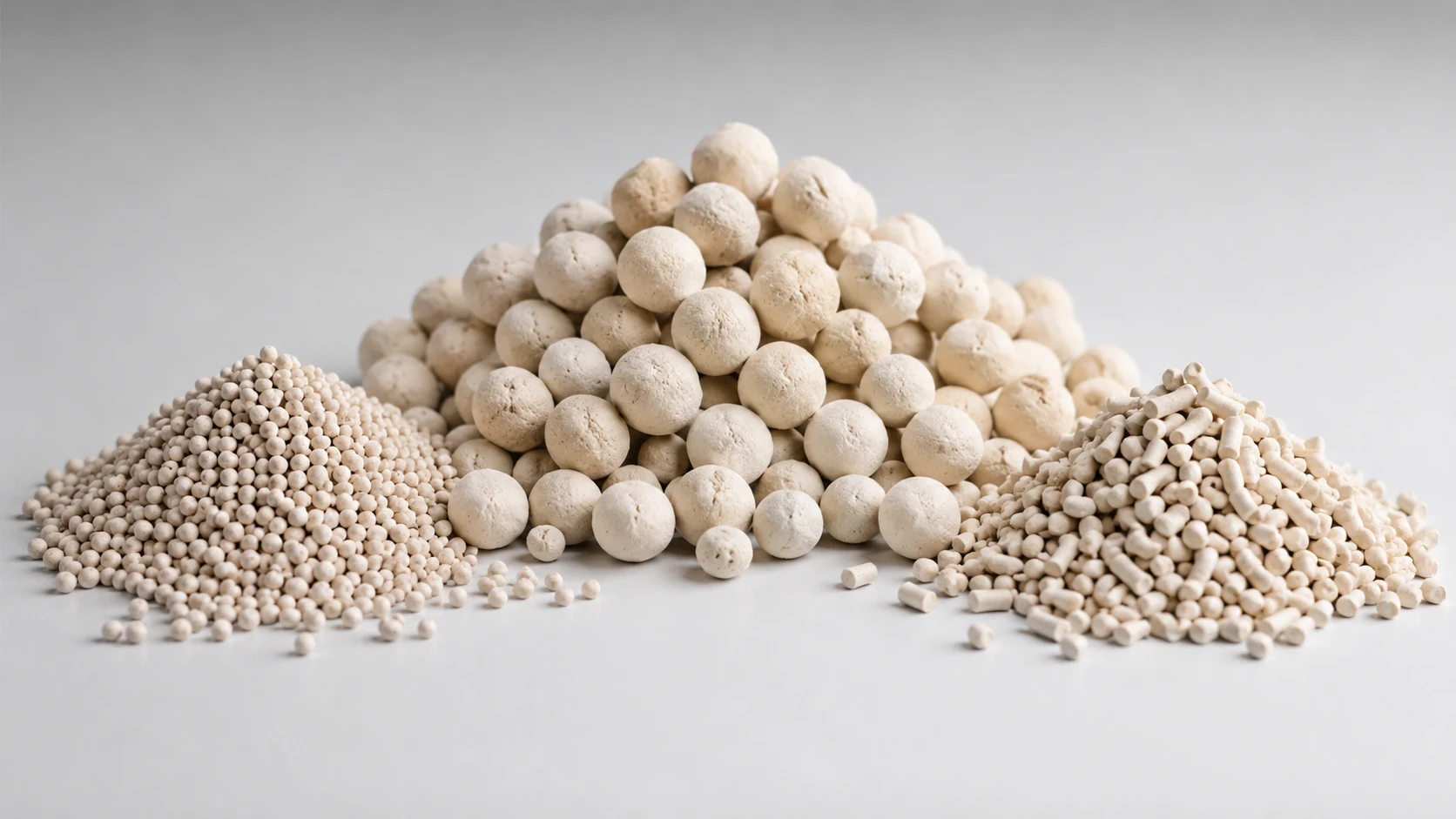
Molecular sieve grade selection should be based on the molecule to be adsorbed, pore-size requirement, process medium, operating conditions and regeneration method.
| Grade | Typical Direction |
|---|---|
| 3A Molecular Sieve | Selective water adsorption where larger molecules should be excluded from the adsorption system. |
| 4A Molecular Sieve | General gas and liquid drying, compressed air dehydration and selected industrial purification applications. |
| 5A Molecular Sieve | Separation and purification involving selected gas molecules, normal paraffins and process streams. |
| 13X Molecular Sieve | Larger-pore gas purification, carbon dioxide removal, dehydration and air pre-purification. |
4A Molecular Sieve Applications
4A molecular sieve is commonly reviewed for drying and dehydration applications. Suitability should be confirmed according to chemical compatibility, water content, regeneration condition and required outlet specification.
4A Molecular Sieve for Compressed Air Drying
4A molecular sieve for compressed air drying is used in selected regenerative compressed air drying systems when deeper dehydration or lower dew point is required.
4A Molecular Sieve for Natural Gas Dehydration
4A molecular sieve for natural gas dehydration is reviewed for moisture removal in natural gas dehydration and process gas streams under suitable operating conditions.
Solvent and Liquid Drying
Applied in selected liquid dehydration projects where compatibility and outlet moisture targets are confirmed.
Refrigerant Drying
Used in selected refrigerant drying applications and refrigeration systems, subject to application-grade and compatibility confirmation.
Packaging and Static Drying
Can be reviewed for sealed systems or static drying where stronger moisture adsorption is needed than common desiccants.
General Industrial Dehydration
Used in drying systems where process medium, temperature, pressure and regeneration method can be clearly defined.
How to Select 4A Molecular Sieve
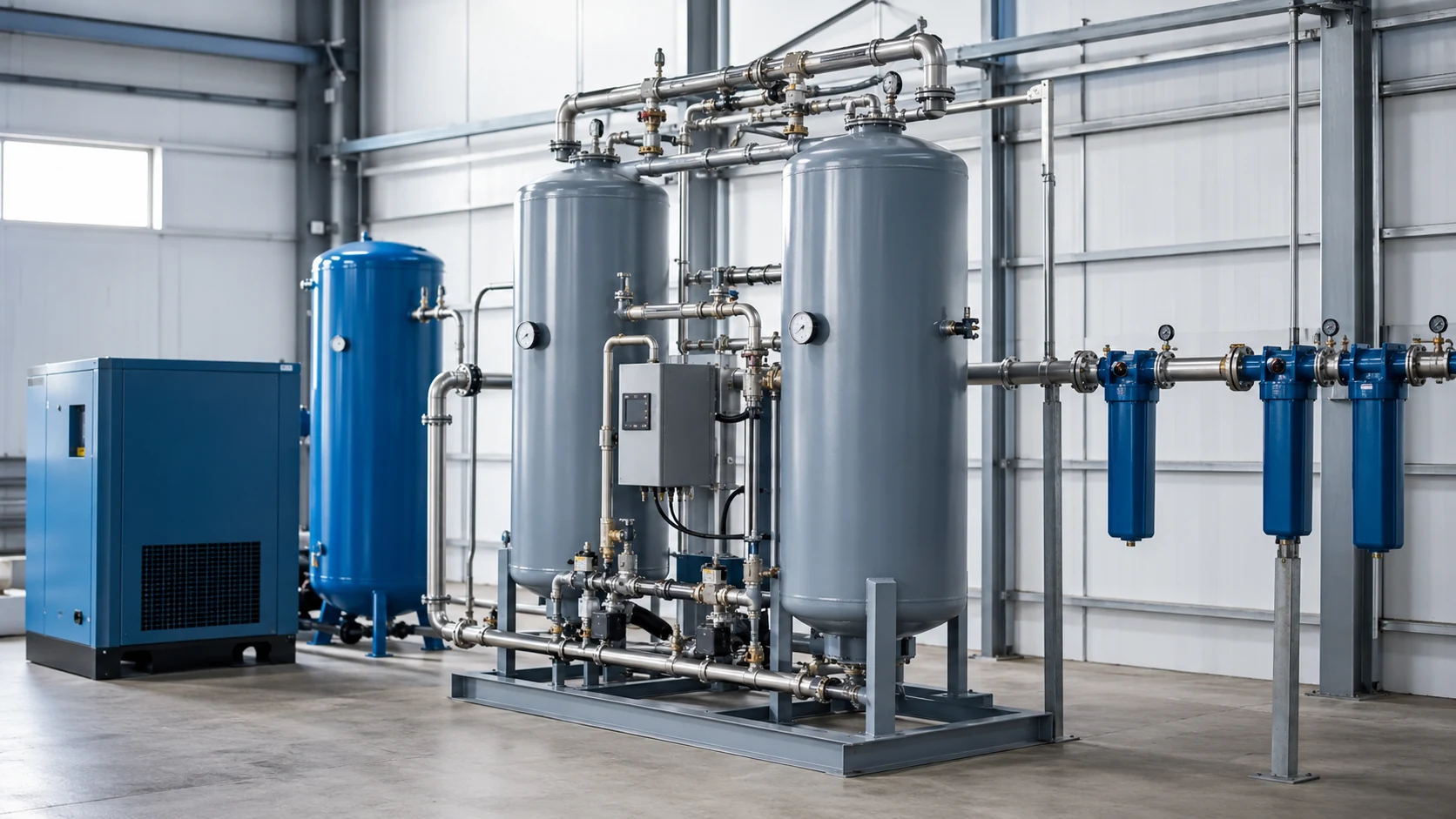
For accurate 4A molecular sieve selection, provide both the material requirement and the operating conditions. If the grade is not yet fixed, start with our How to Select Molecular Sieve guide before comparing supplier-specific data.
Process Medium
Gas or liquid type, chemical compatibility and impurity profile.
Moisture Target
Initial moisture level and target outlet moisture or dew point.
Operating Conditions
Temperature, pressure, flow rate and process cycle condition.
Regeneration Method
Heatless, heated, purge, vacuum or other regeneration approach.
Particle Form
Bead or pellet preference, particle size and pressure-drop requirement.
Equipment Design
Dryer type, vessel dimensions, bed depth and filling quantity.
Replacement Background
Existing adsorbent grade, current problem and replacement reason.
Document Needs
TDS, SDS, COA, packing information and destination country.
4A Molecular Sieve Beads, Pellets and Particle Size
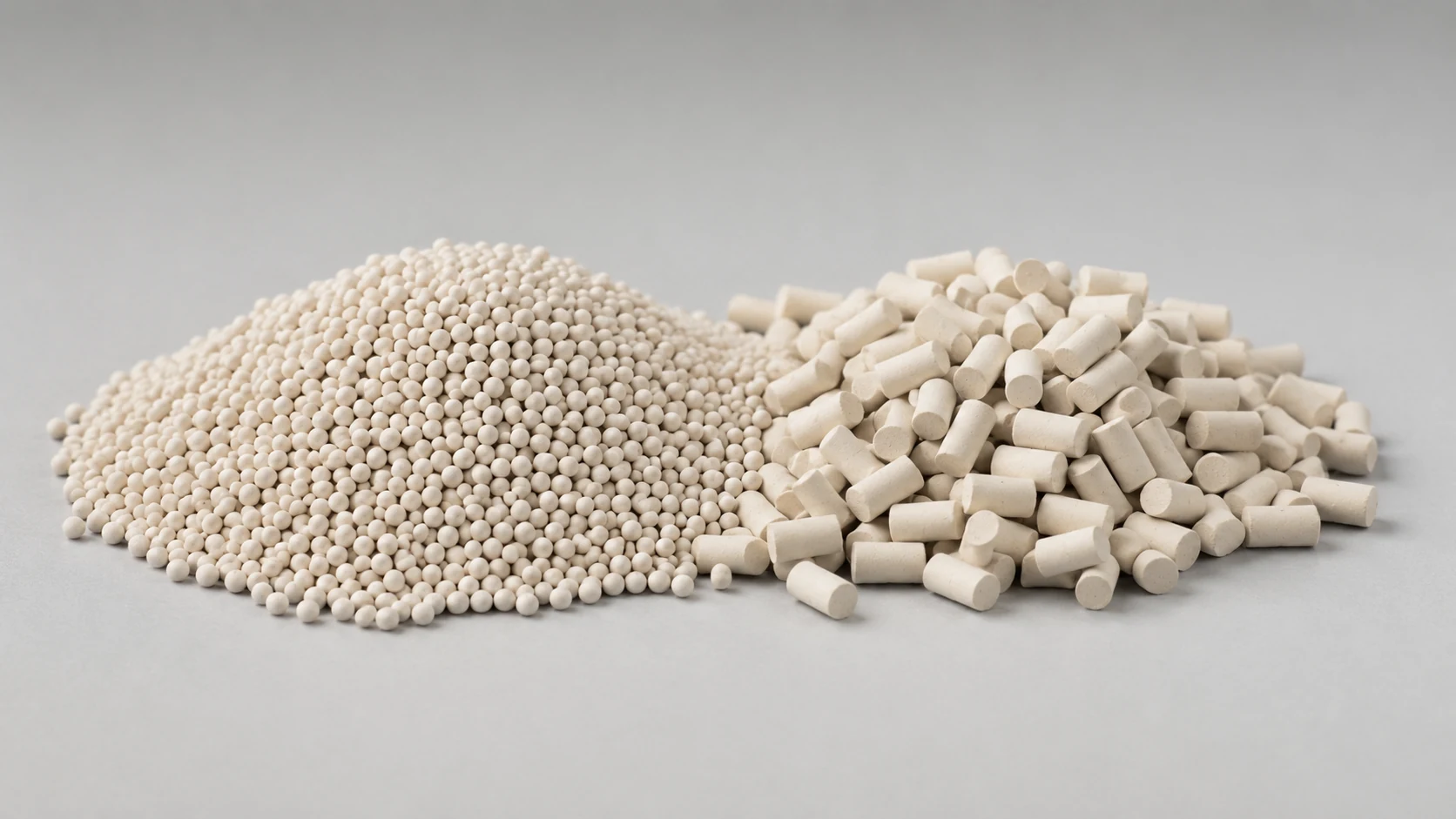
4A molecular sieve may be supplied in bead or pellet form depending on the product source and application requirement. Particle size should be reviewed with flow rate, pressure drop, bed design and regeneration behavior.
- Bead grades for selected adsorption systems and drying units
- Pellet grades for applications requiring specific bed behavior
- Particle size confirmed according to equipment and process data
- Packaging options coordinated according to shipment and storage needs
4A Molecular Sieve Specifications, Packaging and Documents
Adsorbent Source helps confirm technical data, packaging and export documents according to the selected 4A molecular sieve product source.
| Item | Common Options |
|---|---|
| Product Type | 4A Molecular Sieve |
| Form | Beads or pellets, depending on grade and manufacturer availability |
| Typical Size | Confirm according to application, pressure drop and bed design |
| Main Use | Gas drying, liquid drying, compressed air drying and selected purification applications |
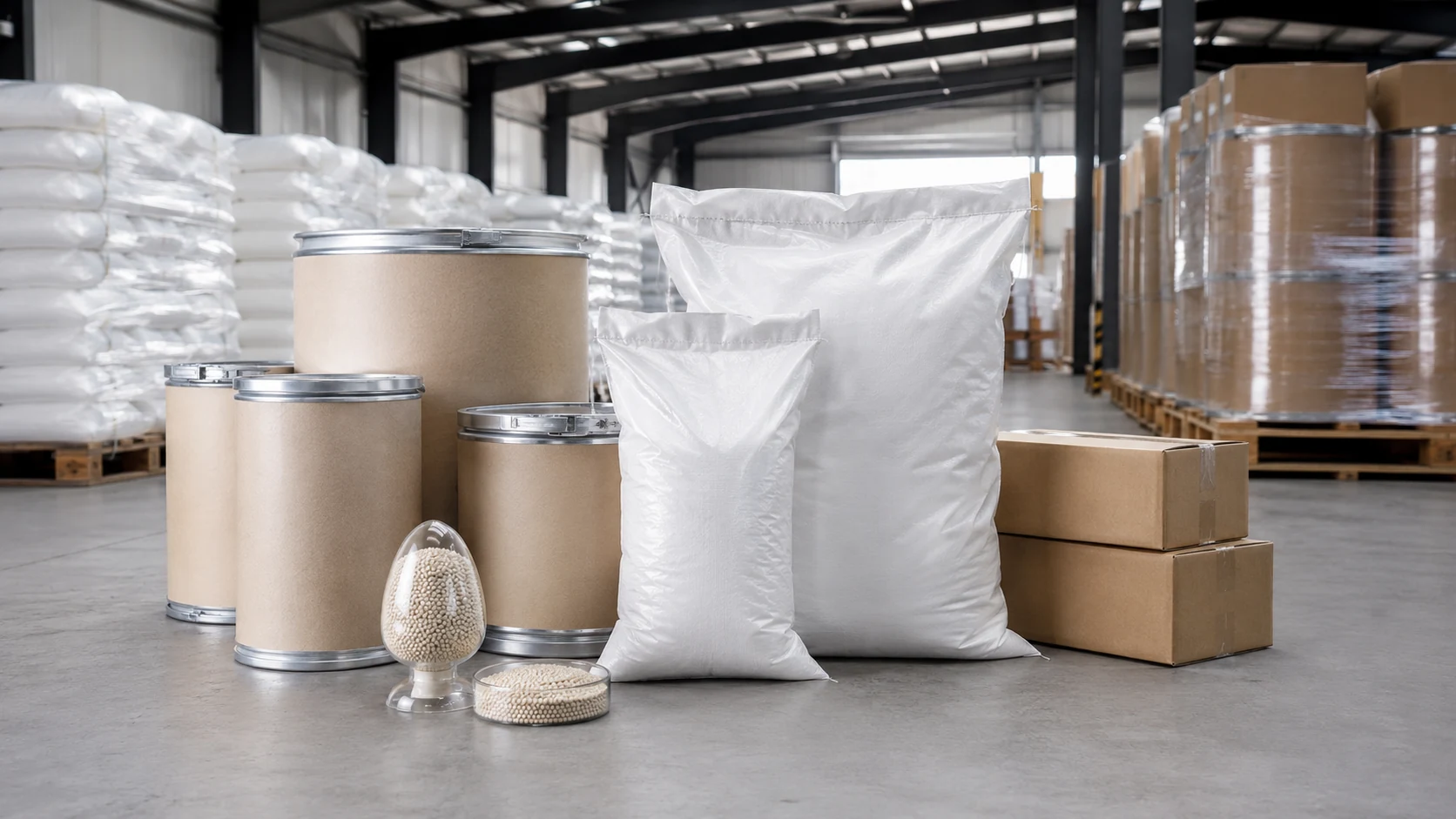
| Packaging | Bags, drums, cartons or palletized export packaging depending on quantity and shipment requirement. For shipment planning, review the Adsorbent Packaging and Export Guide. |
| Documents | TDS / SDS / COA, packing information and export documents can be coordinated before shipment |
4A Molecular Sieve Supplier Support from Adsorbent Source
Adsorbent Source supplies 4A molecular sieve for new filling, replacement and recurring procurement requirements, with support for grade confirmation, samples, technical documents, packaging and export supply.
Application Review
Review process medium, target moisture, temperature, pressure and dryer design.
Grade Comparison
Compare bead, pellet, particle size and manufacturer data before selection.
Sample and Documents
Coordinate samples, TDS, SDS, COA and packing information where available.
Export Supply
Support packaging, palletizing, shipping marks and shipment preparation.
Request a 4A Molecular Sieve Quote
Send the required quantity, bead or pellet size, existing grade if available and destination country. For new drying applications, additional process information can be reviewed after the initial inquiry.
Request 4A Quote Send SpecificationWhat to Send for a Quick 4A Quote
- Required quantity
- Bead / pellet size, if known
- Existing grade, if replacing
- Application
- Destination country
A quick quote does not require all technical parameters at the initial inquiry. If the grade or particle size is not confirmed, send the available application or existing molecular sieve information and we can review suitable supply options.
Additional Information for 4A Grade Selection
These details are useful for new selection, replacement review or detailed grade matching after the initial inquiry.
- Application
- Gas or liquid to be dried
- Moisture level or dew point target
- Operating temperature
- Operating pressure
- Flow rate
- Required form: bead or pellet
- Particle size
- Existing grade if replacing
- Estimated quantity
- Destination country
- Required documents
4A Molecular Sieve FAQ
Is 4A molecular sieve a general-purpose drying adsorbent?
Yes. 4A molecular sieve is widely used as a general-purpose molecular sieve adsorbent for gas and liquid drying, but final suitability still depends on the process medium, target outlet moisture, operating condition and regeneration method.
What is 4A molecular sieve used for?
4A molecular sieve is commonly used for gas drying, liquid dehydration, compressed air drying and selected purification applications where water and small polar molecules need to be adsorbed.
What is the difference between 3A and 4A molecular sieve?
3A molecular sieve has a smaller effective pore opening and is often selected for more selective water adsorption. 4A molecular sieve is a general-purpose sodium-type molecular sieve widely used for gas and liquid drying.
Can 4A molecular sieve be used for compressed air drying?
Yes, 4A molecular sieve may be reviewed for compressed air drying when deeper dehydration or lower outlet dew point is required. Dryer design, regeneration method and inlet air condition should be confirmed.
Is 4A molecular sieve available as beads and pellets?
4A molecular sieve may be supplied as beads or pellets depending on grade and manufacturer availability. Particle form should be selected according to equipment design, pressure drop and handling requirements.
How do I choose the particle size?
Particle size depends on flow rate, vessel size, bed depth, pressure drop limit, regeneration behavior and handling requirements. Existing equipment specifications are useful for replacement projects.
Can 4A molecular sieve be regenerated?
Molecular sieves can be regenerated under suitable temperature, purge and operating conditions. The practical regeneration method depends on equipment design and process requirements.
What information should I send for a 4A molecular sieve quote?
Send the application, gas or liquid medium, inlet moisture, required outlet moisture or dew point, temperature, pressure, flow rate, regeneration method, preferred bead or pellet size, quantity, destination and required documents.
What documents can Adsorbent Source provide?
Adsorbent Source can help coordinate TDS, SDS, COA, packing information and export documents according to the selected product source and order requirements.
Does Adsorbent Source support sample supply?
Sample availability can be checked after the application, particle size, grade requirement, estimated quantity and destination country are clarified.
Can you supply replacement 4A molecular sieve?
Yes. Send the existing product information, particle size, quantity and application if available. Additional operating data can be reviewed when detailed replacement matching is required.
How can I request a 4A molecular sieve price or quotation?
Send the required particle size, quantity, application and destination country. Final quotation depends on product specification, packaging, quantity and shipment terms.