Activated Molecular Sieve Powder Formulation Trial for PU Sealants and Adhesives
A buyer-oriented formulation trial and sample approval worksheet. Compare candidate molecular sieve powder with the same resin system, processing conditions and evidence—not by adsorption data alone.

The specification sheet can describe a powder. It cannot approve your formulation.
Activated molecular sieve powders may act as moisture scavengers in selected polyurethane, sealant, adhesive and coating systems. In a moisture-sensitive PU formulation, uncontrolled water can contribute to unwanted gas evolution and defects. However, a powder that looks suitable on a data sheet may disperse differently, affect viscosity or curing, or interact with processing requirements.
Plan the test with your formulator or qualified process team. This guide does not prescribe a dosage, cure schedule or universal pass/fail specification. Compare the candidate against a documented control batch and the actual product acceptance requirements.
Already know the desired form? View the Activated Molecular Sieve Powder product page and Moisture Control for Coatings and Adhesives application overview.
Six controlled stages from sample receipt to bulk purchase
Run a reference batch and candidate batch under comparable, approved conditions. Record deviations and test-method differences explicitly; do not interpret unexplained changes as an automatic grade improvement.
Identify the exact sample before opening
Check powder grade, supplier identity, sample lot, shipping seal, package type, manufacture/test dates when available and supporting TDS/SDS/COA. Verify whether the grade, test method or activation status has changed since the material previously approved by the buyer.
Record: grade designation, lot/batch, sample condition, document revision, supplier contact and any missing paperwork.
Fix the baseline and resin / binder system
Agree on the actual PU, sealant or adhesive formulation, moisture-control objective, resin or polyol system, other fillers or pigments, mixing equipment and established acceptance criteria. Use a documented reference batch. Small changes in feedstock or humidity may alter the comparison.
Record: formulation code, component moisture basis, material storage, ambient conditions and test equipment.
Control powder exposure and addition
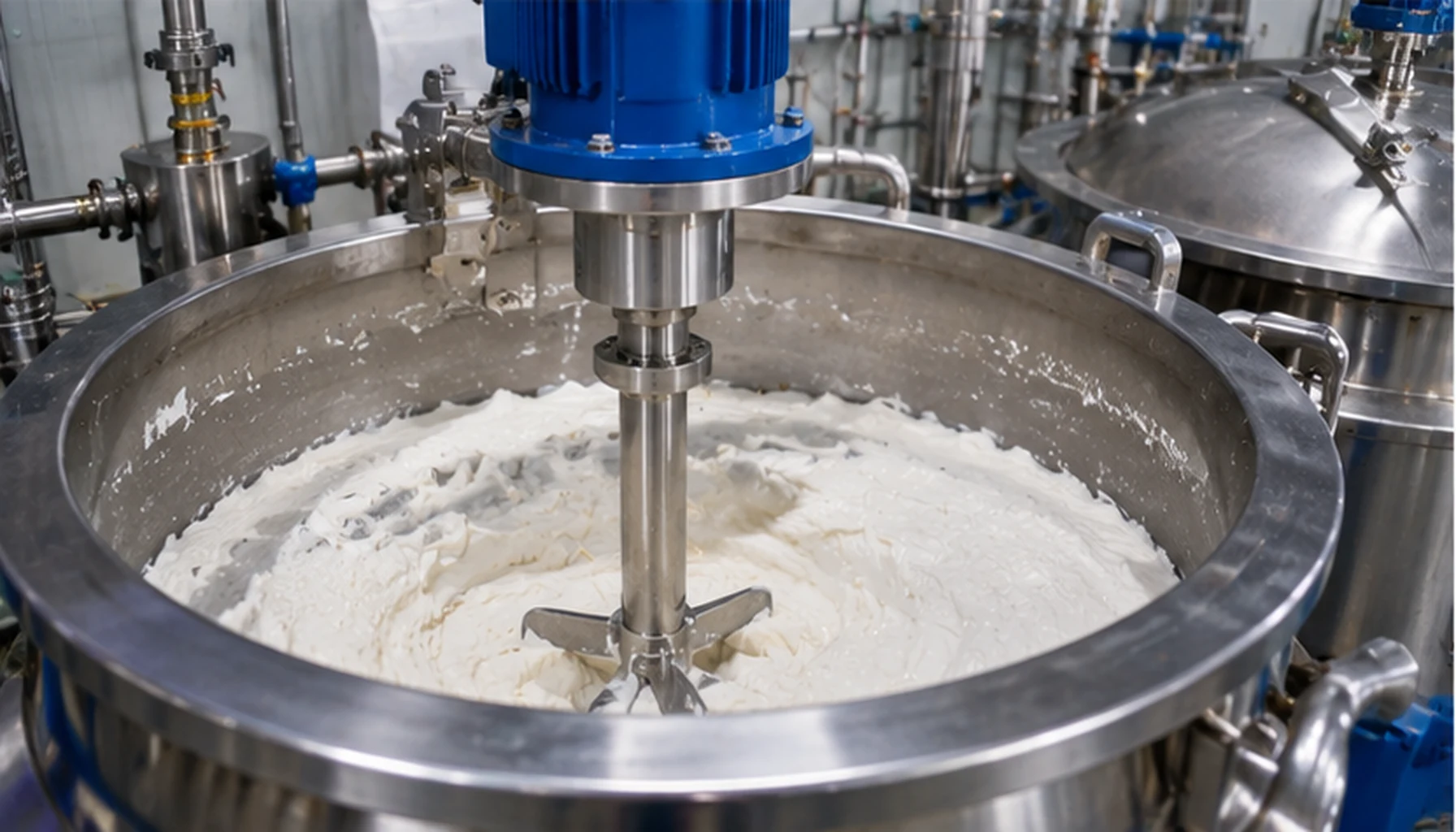
Activated powder can take up moisture from ambient air before it reaches the batch. Define when packaging is opened, how it is resealed, transfer time, addition point and mixing duration. Trial controls should be set by the qualified formulator; no universally suitable loading percentage is assumed.
Record: package-open time, elapsed exposure, addition rate or amount, mixing method, temperature and observed agglomeration.
Observe dispersion and processing behavior
Compare visual homogeneity, sedimentation or separation, powder agglomerates, viscosity or rheology changes, surface appearance, ease of pumping or application and any mixing or processing difficulties. A trial may fail on processing behavior even if adsorption capacity is acceptable.
Record: dispersion observation, method for viscosity/rheology, defined measurement conditions and images where permitted.
Evaluate curing and finished-product quality
Assess the moisture-related defect being addressed, together with cure kinetics, pot life, adhesion, mechanical properties, appearance or other project-specific quality measures. Select only relevant tests and approved methods. For moisture-sensitive PU materials, the formulator should determine whether any observed gas bubbles, defects or cure differences are attributable to the powder or to another changed condition.
Record: test standard, condition, control result, candidate result, acceptance criteria, operator and deviation notes.
Approve the sourcing specification and bulk comparison basis
If the formulation trial passes, preserve the tested grade identity and approved technical documents in the purchase specification. Define batch COA or retesting expectations, moisture-resistant packaging, handling requirements, sample retention and permitted substitution process. A supplier quote using an apparently similar powder is not automatically equivalent.
Record: approved grade/lot, TDS revision, acceptance method, packaging and shelf/handling agreement, approval authority and next trial if needed.
Make a side-by-side sample decision record
Use this layout when documenting buyer and laboratory approval. Values below are fields to complete, not test results or industry-wide limits.
Swipe horizontally to view the candidate, measurement and decision columns →
| Evaluation point | Control / reference | Candidate sample | Method / acceptance decision |
|---|---|---|---|
| Powder identity and documents | Approved grade / revision | Supplier, grade, lot, document revision | Equivalent / Needs further review |
| Formulation and raw material batch | Reference formulation | Trial formulation ID | Same / Controlled change recorded |
| Powder moisture exposure | Opening and transfer protocol | Opening time, exposure and handling | Documented / Unknown |
| Dispersion / viscosity / process | Approved test and result | Measurement or observation | Accept / Trial again / Reject |
| Curing and application behavior | Control batch and limits | Candidate result | Accept / Trial again / Reject |
| Finished product properties | Approved performance criteria | Candidate result with test basis | Accept / Trial again / Reject |
| Pack, supply and traceability | Approved sourcing basis | Offered batch / document / pack | Release / Clarify / Hold |
Choose what happens after a candidate sample trial
Proceed to quotation comparison
Keep the approved grade, sample evidence, TDS and packaging basis fixed when suppliers quote. Compare supplier quotations on an equivalent documented basis.
Run a controlled follow-up
Investigate dispersion, cure, compatibility or test-method differences. Do not classify the material as approved because one moisture-adsorption indicator meets a supplier claim.
Specify the mismatch
Record the failed requirement or unresolved difference. Request alternative grades or technical documents; do not substitute powder grade or loading level without formulation owner approval.
Handling matters before mixing even begins
Material can be exposed to ambient moisture during warehouse storage, open-package transfer and formulation preparation. Supplier packaging, inner liners, closure method and batch handling may matter as much as laboratory adsorption figures. Buyers should review the Adsorbent Packaging and Export Guide and the broader Molecular Sieve Sample Evaluation Checklist for document traceability.
Activated Powder Sample Trial FAQ
Does a high water adsorption value guarantee a successful PU sealant trial?
No. Adsorption capacity is one supplier property. Formulation compatibility, particle dispersion, moisture exposure, cure behavior and product performance need separate evaluation under the specified conditions.
Can 3A, 4A, 5A and 13X powders be swapped without a new formulation test?
No general interchangeability should be assumed from the number or a nominal pore label. Request grade-specific documents and agree on a trial with the qualified formulation owner.
What dosage should a buyer request?
There is no single dosage appropriate for all adhesives, sealants or coatings. Ask the supplier and formulator to define a safe, documented trial range from the actual resin and moisture-control requirement. This page does not assign a universal loading percentage.
Why do the control and candidate samples need the same processing records?
Changes in ambient moisture, raw materials, mixing or sample handling can create misleading performance differences. Record trial conditions to assess whether a result is due to the powder itself.
Move from formulation trial to approved supply
Ask for an activated powder sample on a clear test basis
Send the formulation application, resin or binder system, moisture issue, target powder form and particle-size requirement, sample amount, required documents, trial approval basis and expected bulk purchasing quantity. Adsorbent Source can help coordinate available powder grades, documents, packaging and export quotation; the formulation owner is responsible for application testing and product approval.
External technical background: Honeywell UOP’s coatings, sealants and adhesives adsorbent application overview discusses moisture-sensitive formulation systems and activated powder products. No results or tests are represented here as having been performed by Adsorbent Source.