Industrial Adsorbent Incoming Goods Inspection and Warehouse Receiving Checklist
Your adsorbent shipment has arrived. Before it becomes available for installation or production, match the received goods with the purchase order, check any damage or moisture exposure, and preserve lot traceability.
This guide begins after delivery. It complements the Pre-Shipment Inspection Checklist, which covers checks before bulk goods leave the supplier.
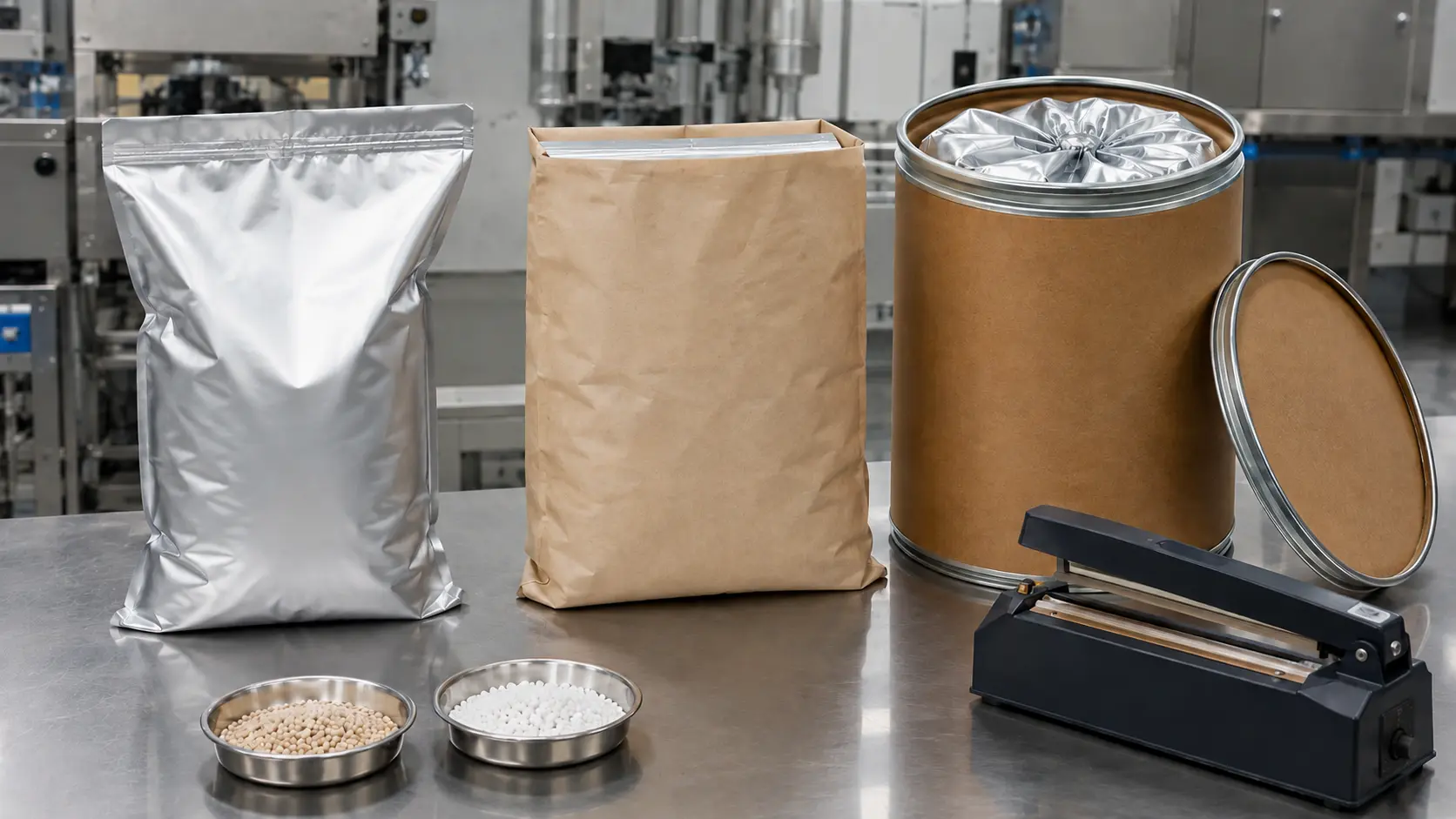
What Should Be Checked When Industrial Adsorbents Arrive?
Receiving acceptance should follow the contract, product-specific quality requirements and applicable site procedures. The absence of visible transit damage is not proof that a moisture-sensitive adsorbent retains its approved performance.
Receiving Dock Inspection Matrix
Use consistent records for each inbound lot. Do not record fictional measured values or approve material before the necessary evidence is available.
Swipe horizontally to view the full receiving matrix →
| Check | What to verify on receipt | Evidence or action |
|---|---|---|
| Shipment identity | Supplier, purchase order, delivery or shipment reference, arrival date | Receiving log tied to PO and delivery documents |
| Product and grade | Actual package grade, physical form, size, product code and approved order description | Photograph labels; flag unauthorized substitutions |
| Batch / lot | Lot marks on packages compared with invoice, packing list and COA where provided | Record discrepancies and isolate unidentified lots |
| Package count | Count of drums, bags or other units against the packing list | Shortage or overage record with quantity basis |
| External condition | Impact, holes, abrasion, deformation, water stains or leakage | Photographs before moving, opening or repacking as site rules allow |
| Seals / liners | Condition of moisture barrier, closure, tamper evidence and agreed pack specification | Record damage; avoid uncontrolled exposure of sensitive adsorbents |
| Net weight | Specified net unit mass, total order basis and any agreed weighing evidence | Confirm declared quantity; apply tolerance and measurement terms |
| Documents | Required TDS, SDS, COA, inspection records and commercial files | Identify missing certificates or mismatched lot references |
| Receiving status | Site approval, hold or reject decision | Responsible reviewer, date and traceable disposition |
Documents: Match the Actual Lot, Not Only the Product Name
PO and packing list
Verify grade, physical form, quantity, pack type and delivery references. A matching total does not replace per-lot traceability.
COA or batch evidence
Check that the lot described is the lot delivered and that reported properties match the agreed approval basis and methods.
SDS and handling
Use the applicable supplier SDS and product storage instructions for handling precautions, exposure, and safe material control.
Sample retention
If required by contract, confirm how samples should be taken, protected, labeled and retained without contaminating sensitive goods.
Read TDS, SDS and COA for Adsorbents for document roles. Laboratory re-testing is not automatically needed for every order; follow the approved lot acceptance plan.
Moisture Exposure, Contamination and Warehouse Storage
Many adsorbent products are moisture-sensitive and can take up water or contamination if the protective package fails. Different adsorbent families have different handling and storage requirements: follow the chosen product’s supplier instructions and plant safety controls.
- Keep sealed packages segregated from damaged or unverified units until receiving review is complete.
- Do not treat a torn liner, wet outer bag or missing seal as merely cosmetic when moisture protection was agreed.
- Record storage location, lot identification, status and required environmental or packaging conditions.
- Do not open drums or bags simply to inspect the contents if that would compromise the agreed moisture barrier; use authorized sampling or supplier-approved procedures.
- For damaged packaging, request written corrective direction or replacement/claim resolution as required by the purchase terms.
For procurement-stage packing design, see the Adsorbent Packaging and Export Guide.
Release, Hold or Reject: Document the Decision
Required lot identity, quantity, packaging evidence and agreed documents meet the site’s acceptance process.
A missing record, questionable seal, quantity mismatch or unverified lot requires review before use.
The responsible buyer and quality authority determine rejection, rework or claim action under the PO and approved procedures.
If there is a problem, preserve delivery evidence and notify the relevant logistics, supplier and internal quality contacts through the agreed contractual route. Do not assume a general guide overrides local legal deadlines or claim conditions.
Incoming Adsorbent Inspection FAQ
Is pre-shipment inspection enough to release a batch after it arrives?
No. Transit damage, quantity discrepancies or compromised seals can occur after dispatch. Receiving checks are separate and should follow the agreed quality plan.
Should every bag be opened for visual inspection?
Not automatically. Opening protective bags may expose the material to moisture. Follow an agreed sampling plan, supplier instructions and site safe-handling controls.
What if the COA grade matches but the lot number does not?
Hold or segregate the affected delivery according to site procedure and request a traceable correction or evidence from the supplier before acceptance.
Can visible package condition prove that an adsorbent is still active?
No. Visual inspection cannot establish adsorption capacity or other performance characteristics. Apply the agreed test and acceptance criteria where required.
What if only one pallet has torn packaging?
Identify and isolate the affected material, document the extent, preserve shipment evidence and use the contract’s nonconformance process. Do not automatically reject or release all other lots.
Should I approve replacement media for installation immediately after delivery?
Not until the receiving review and the project’s approved material, compatibility and loading procedures are complete.
Related Procurement and Quality Resources
Pre-Shipment Inspection · Packaging and Export · Compare Supplier Offers · Prepare a New RFQ.
This guide is a buyer’s receiving workflow, not proof that a supplier provides on-site receiving inspections, certified laboratory services or automatic replacement rights.