TDS, SDS and COA for Adsorbents
Understand the technical, safety and batch documents used to review industrial adsorbents before samples, trial orders and international procurement.
TDS, SDS and COA for Adsorbents serve different purposes. Together, they help purchasing, engineering, EHS and logistics teams review product performance, safe handling, batch results and export requirements before an adsorbent order is finalized. Document availability depends on the requested grade and order requirements and can be checked for each inquiry. Final process approval should always be based on actual product data and operating conditions.
What each adsorbent document confirms
Technical Data Sheet (TDS)
A TDS describes the product’s typical or agreed technical properties, such as adsorption capacity, moisture, bulk density, particle size, crush strength, surface area, working temperature and regeneration guidance.
Safety Data Sheet (SDS)
An SDS explains hazards, handling, storage, transport, emergency response, exposure controls and disposal information. It supports the buyer’s EHS, warehouse and logistics review.
Certificate of Analysis (COA)
A COA records measured results for a particular production batch or lot. Buyers should compare it with the agreed specification, test method and acceptance range.
| Document | Main purpose | Information commonly reviewed | When it is useful |
|---|---|---|---|
| TDS | Technical product selection and comparison | Grade, particle size, adsorption performance, bulk density, strength, moisture and operating guidance | Quotation review, sample selection, equipment design and replacement evaluation |
| SDS | Safe handling and logistics planning | Hazards, protective measures, storage, transport, emergency response and disposal | Warehouse approval, EHS review, shipping coordination and site procedures |
| COA | Batch-specific quality verification | Lot number, test results, test methods, specification limits and release status | Pre-shipment review, incoming inspection and supplier quality records |
How buyers should review the document package

Start with the product identity
Check that the product family, grade, particle size, packaging and reference shown on the documents match the quotation. A document package is only useful when it clearly refers to the material being purchased.
- Confirm whether values are typical, guaranteed or batch-tested.
- Check the test method, measurement conditions and acceptance range.
- Compare the technical data with gas or liquid composition, temperature, pressure, flow rate, humidity and contact time.
- Confirm whether a batch COA will be supplied for the production lot.
Connect the paperwork to quality control
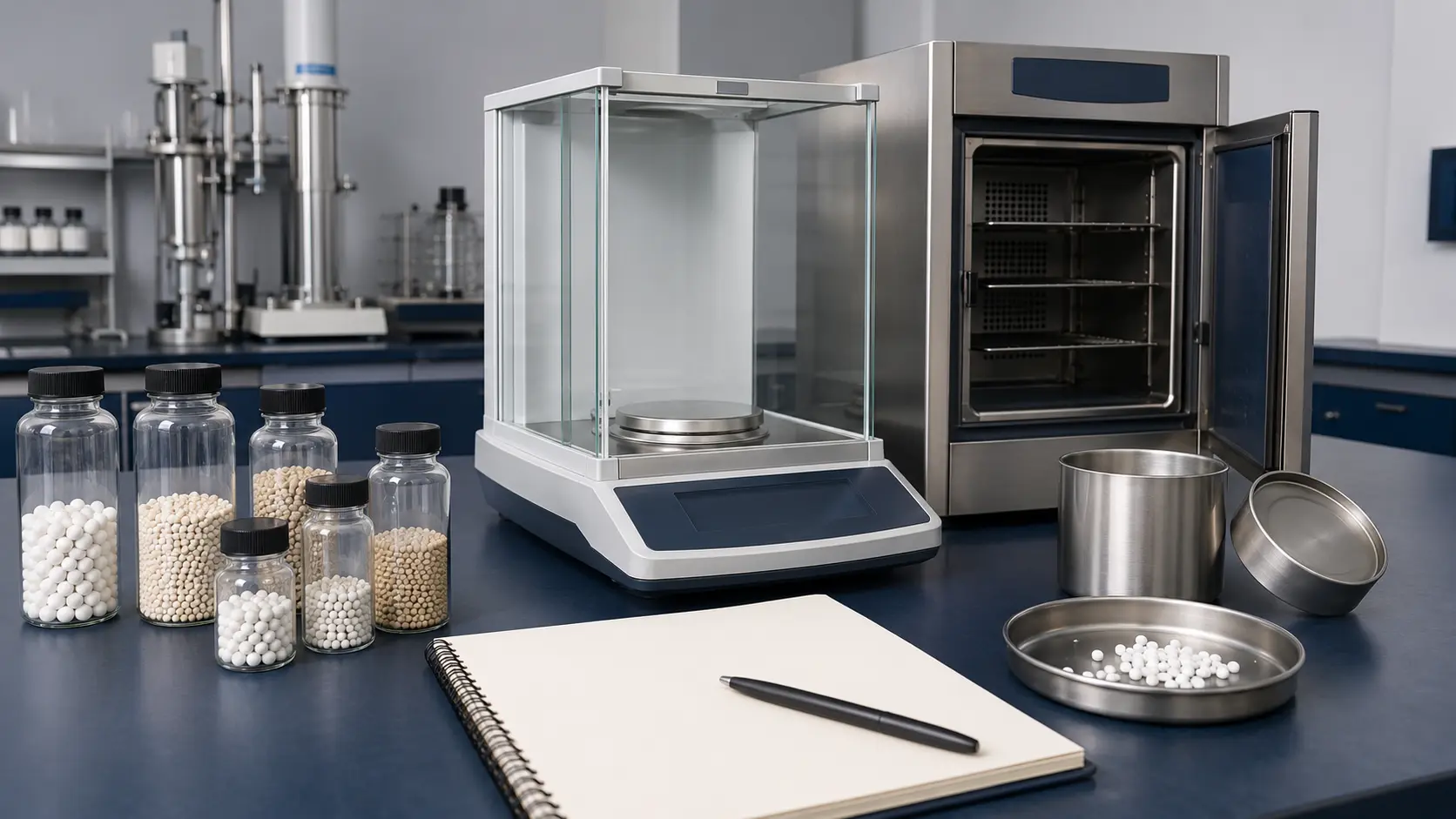
For a technical review, buyers may need to know how a result was obtained and whether the test represents the batch supplied. This is especially important when adsorption capacity, moisture, crush strength, hardness or particle-size distribution affects equipment performance.
Before approval, clarify the sample basis, test method, specification limits, retest policy and document sign-off process. If the application is sensitive to moisture or contamination, also discuss storage and packaging controls between production and delivery.
Product and application data commonly requested
Different adsorbents require different technical review points. The right document package should connect the product to the intended process rather than present isolated numbers without application context.
Water adsorption, crush strength, bulk density, particle size, regeneration temperature and gas-drying suitability.
Surface area, moisture capacity, attrition resistance, particle size and suitability for compressed air or water treatment.
Iodine number, moisture, ash, hardness, mesh size and target-contaminant information for gas or liquid treatment.
Particle size, moisture capacity, color indicator, packaging format and protection requirements for moisture-sensitive goods.
Physical form matters as much as chemistry
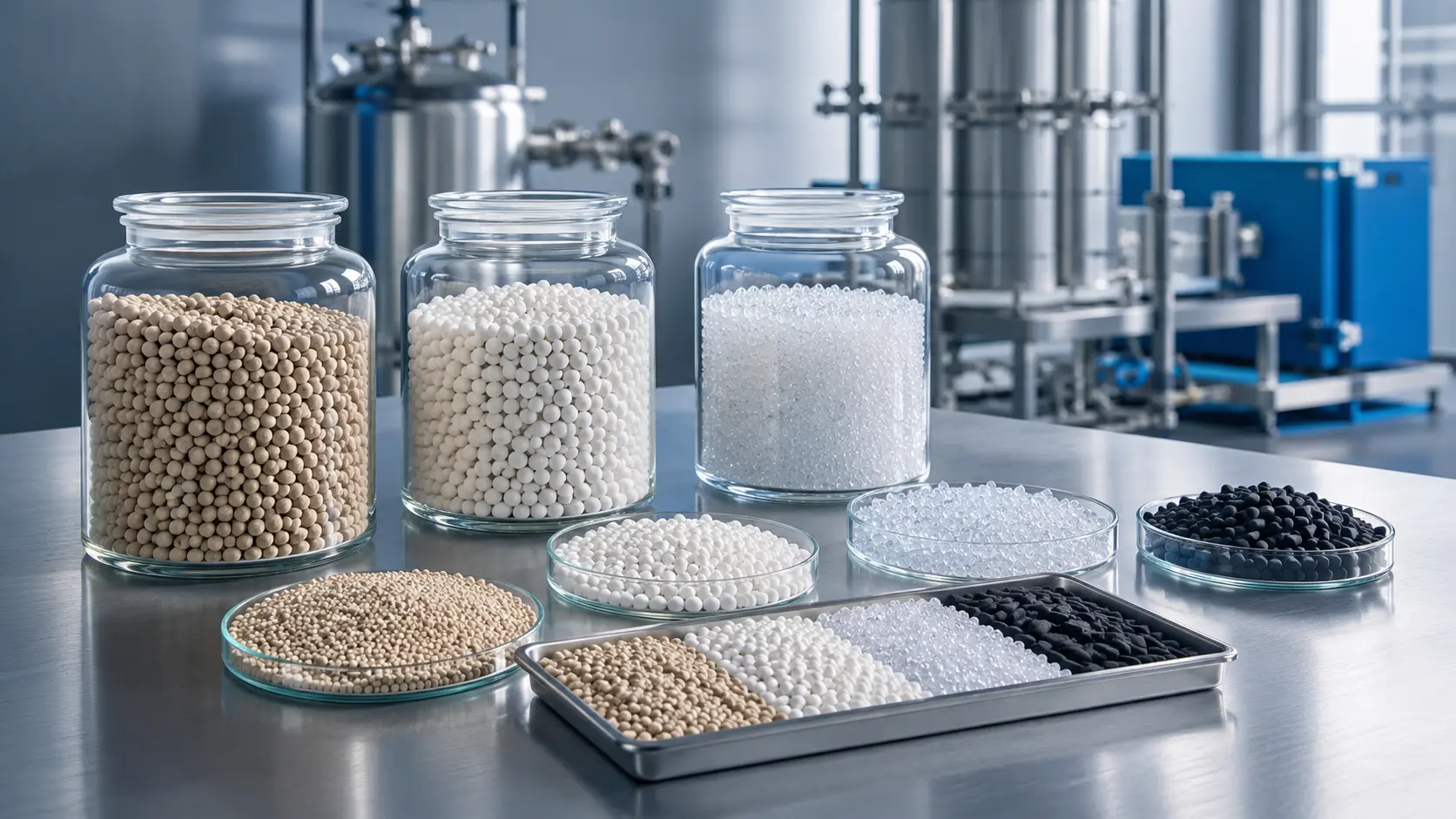
Pellets, beads, granules and powder can behave differently in a fixed bed, cartridge, vessel or packaging insert. Particle size affects pressure drop, contact area, loading volume and handling. Strength and attrition resistance affect dust generation and service stability.
When comparing suppliers, ask for the same basis of measurement and confirm whether the quoted material is a standard grade, a modified grade or a project-specific specification.
What to include with an adsorbent RFQ
- Product or process: State the adsorbent type, current grade or replacement material and the intended application.
- Target contaminant: Identify the moisture, gas, vapor, odor, VOC, ion or other impurity that must be removed or controlled.
- Operating conditions: Provide temperature, pressure, flow rate, composition, humidity, contact time and regeneration method where available.
- Physical requirements: Confirm particle size, shape, dust limits, bulk density, packaging preference and loading method.
- Quantity and delivery: Provide estimated sample, trial and annual quantities, destination, required documents and preferred shipping terms.
- Quality documents: Clarify whether the buyer needs TDS, SDS, COA, non-hazardous statements, transport documents or additional destination-country paperwork.
Confirm the export document set before production
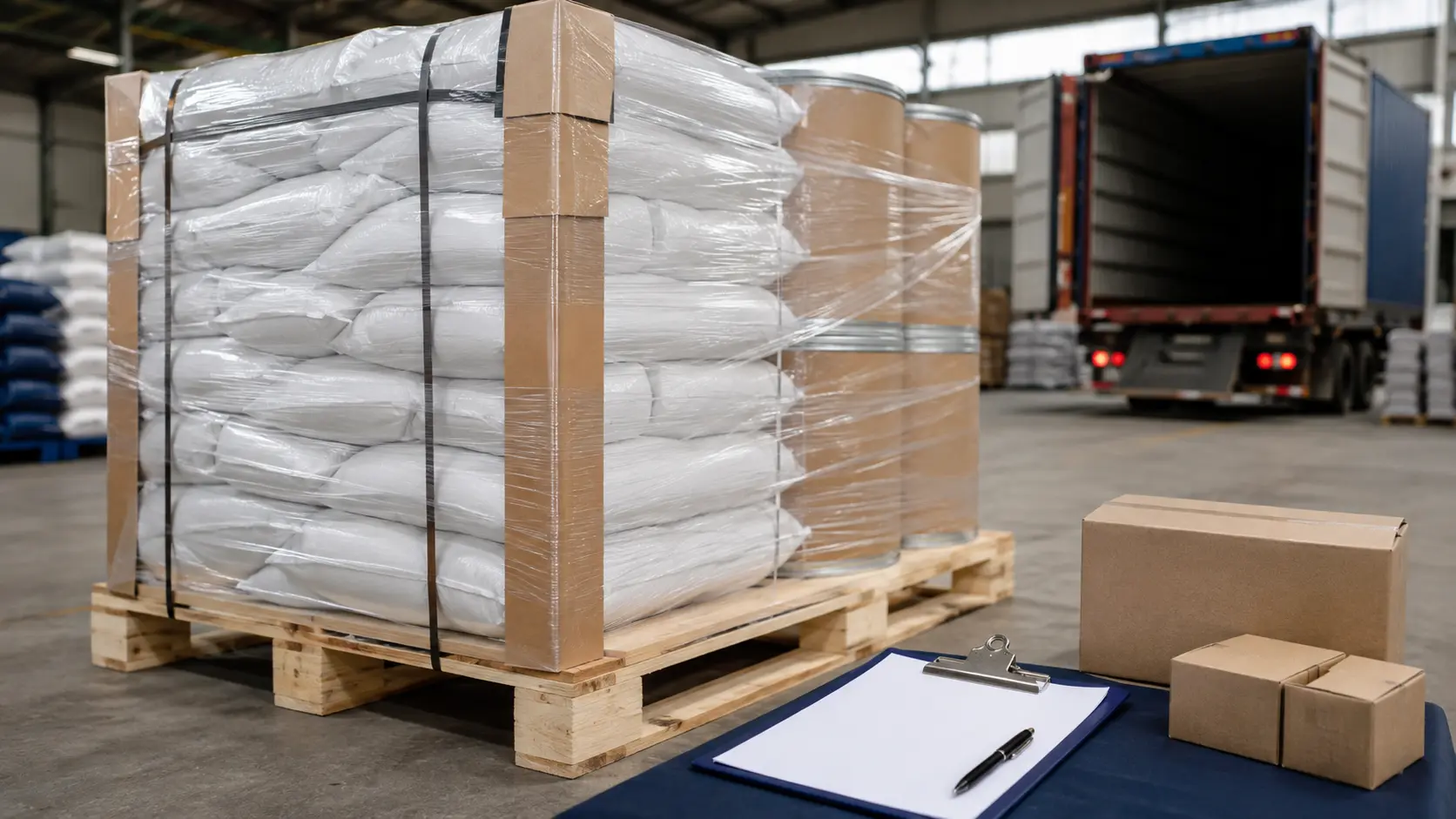
For a sample or trial order, the buyer may need the product reference, current TDS, SDS, sample COA and packaging details. For bulk export, also confirm net weight, bag or drum format, pallet requirements, shipping marks, destination documents and any special handling instructions.
Clear documentation reduces specification gaps between the buyer, supplier, warehouse, forwarder and end user. It also helps the purchasing team compare offers on the same technical and commercial basis.
Frequently asked questions
Are TDS, SDS and COA the same document?
No. A TDS focuses on technical product information, an SDS focuses on safe handling and a COA records results for a specific batch or lot.
Can a TDS be used as a guaranteed specification?
Not automatically. A TDS may show typical values or an agreed specification. Buyers should confirm which values are guaranteed and which test method applies to the order.
Does every order require a new COA?
Requirements depend on the product, buyer and application. For bulk or quality-sensitive projects, buyers commonly request a COA for the production batch supplied.
What information helps Adsorbent Source prepare the right documents?
Share the product or application, target impurity, operating conditions, particle size, quantity, packaging preference and destination. These details help connect the document package with the actual project.
Can Adsorbent Source support document review before a quotation?
Yes. Adsorbent Source reviews the requested product grade, technical-document needs, packaging and quotation requirements. Sample and document availability can be checked for each inquiry. Final process approval should be completed against actual product data and operating conditions.
Related Adsorbent Source resources
Use the Pre-Shipment Inspection Checklist to connect batch quality documents with the goods being dispatched. Once the order arrives, use the Incoming Goods Inspection Checklist to reconcile received lot identities, documents and package condition.
Need a TDS, SDS or COA package for your project?
Send the product family, application, target impurity, operating conditions, required quantity and destination. Adsorbent Source supplies industrial adsorbents and reviews requested grade, sample and document availability, packaging and quotation requirements for each inquiry.
Contact Adsorbent Source