Activated Alumina vs Molecular Sieve
Activated Alumina vs Molecular Sieve selection depends on the required dew point, inlet moisture, gas composition, dryer design, regeneration method and total operating cost. This Adsorbent Source guide helps buyers compare the two materials before requesting samples, replacement media or a quotation.
Which Desiccant Should You Choose?
Neither material is universally better. Activated alumina is often considered for regenerative compressed-air and general gas-drying duties, while molecular sieve is commonly selected when very low residual moisture, deeper drying or pore-size selectivity is required.
General Regenerative Drying
A practical starting point for many compressed-air, instrument-air and selected process-gas dryers where inlet moisture handling, mechanical durability and operating economics must be balanced.
Deep or Selective Drying
Commonly evaluated for lower moisture targets, cryogenic pretreatment, process purification and duties where access to a defined pore structure affects selectivity.
Do Not Select by Name Alone
Dew point, temperature, pressure, flow, feed contamination, cycle time, regeneration conditions, vessel dimensions and supplier-grade data must be reviewed together.
Activated Alumina vs Molecular Sieve: Main Differences
This table is a purchasing and application-screening guide. Actual adsorption capacity, regeneration temperature, mechanical properties and achievable outlet condition vary by grade, manufacturer and dryer design.
| Evaluation Area | Activated Alumina | Molecular Sieve |
|---|---|---|
| Material structure | Porous activated aluminum oxide with a broad pore network and strong affinity for polar molecules such as water. | Crystalline zeolite with defined pore openings; grade selection controls which molecules can access the adsorption structure. |
| Common selection direction | Compressed air, instrument air, general gas drying and regenerative dryer replacement projects. | Deep dehydration, selective adsorption, cryogenic pretreatment, gas purification and application-specific separation duties. |
| Moisture behavior | Often useful where the bed receives a meaningful water load and the dryer must balance capacity, strength and regeneration. | Maintains strong water affinity at low water partial pressure and is frequently chosen for lower residual-moisture targets. |
| Dew point direction | Suitable for many industrial drying targets when the grade and dryer are correctly matched. | Usually reviewed when deeper drying or a lower outlet dew point is required; the final guarantee belongs to the complete dryer design. |
| Selectivity | Adsorption is influenced mainly by polarity, pore structure and operating condition rather than a single nominal pore opening. | 3A, 4A, 5A and 13X provide different pore-access directions for water removal, co-adsorption control and purification. |
| Regeneration | Regeneration duty depends on the selected alumina, water loading, purge method, cycle and dryer configuration. | Regeneration can require substantial heat or purge duty depending on the grade and process; supplier and OEM conditions must be followed. |
| Contaminant sensitivity | Oil, liquid water, aerosols and other contaminants can reduce working capacity or damage bed performance. | Oil, liquid carryover, reactive compounds and competing adsorbates can foul pores, reduce capacity or shorten service life. |
| Physical form | Commonly supplied as spherical beads in sizes selected for pressure drop, bed depth and handling. | Available as beads or pellets; type, form and size are matched to mass transfer, pressure drop, strength and vessel geometry. |
| Purchase decision | Compare product price together with fill quantity, purge or heat demand, replacement interval and downtime. | Compare grade-specific performance, bed size, energy, service life and process risk rather than assuming the higher media price is the total cost. |
Activated Alumina Is a Common Starting Point for Regenerative Air Drying
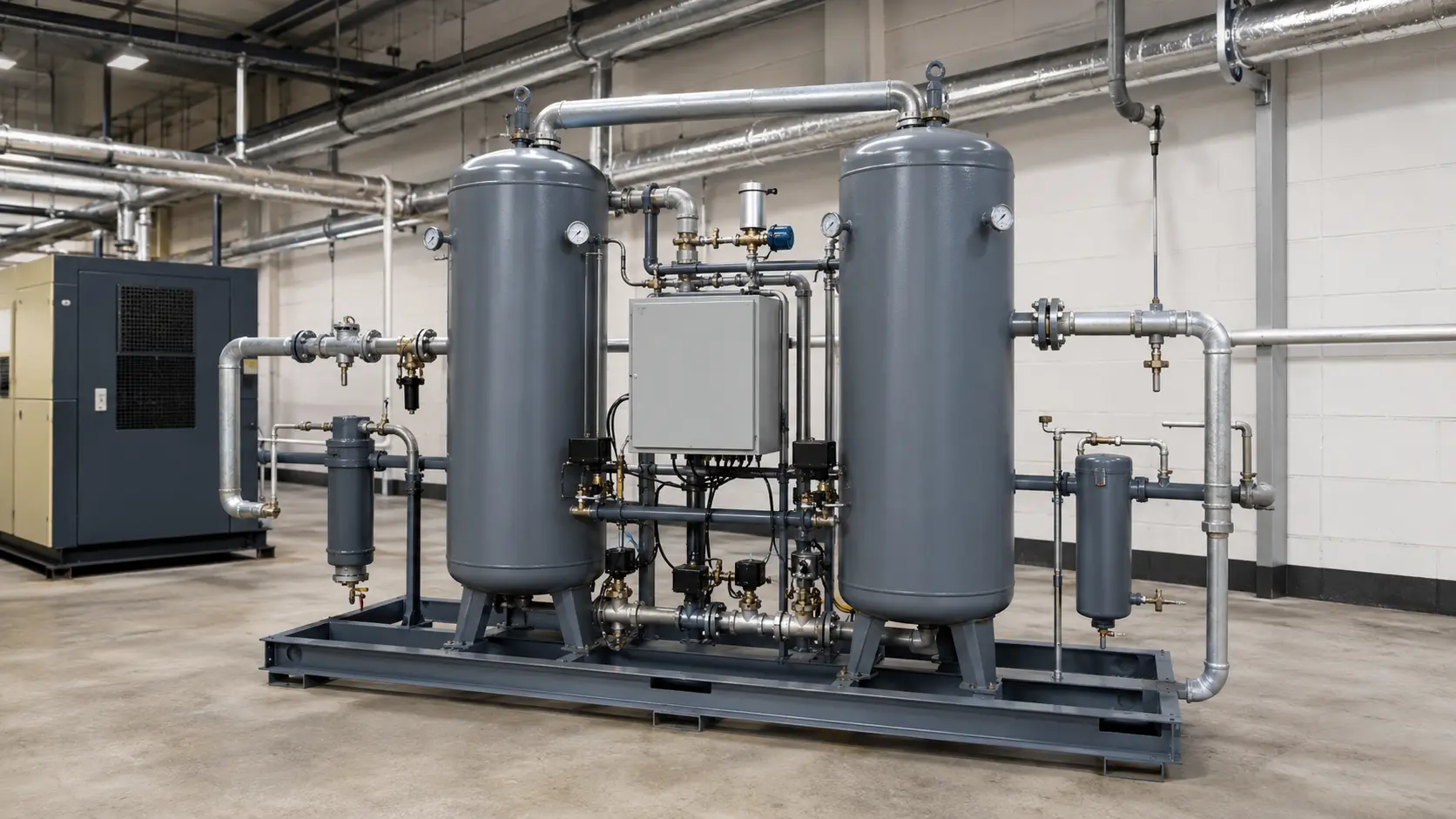
Activated alumina is widely reviewed for heatless, heated and blower-purge compressed-air dryers. It can provide a useful balance of moisture capacity, particle strength, regeneration behavior and cost when matched to the inlet temperature, operating pressure, flow and required pressure dew point.
Molecular sieve may be considered when the air system requires a deeper moisture target or when the dryer uses a validated layered-bed design. A layered bed is an engineered arrangement: materials should not be mixed or stacked without confirming bed sequence, quantity, regeneration and flow distribution with the dryer manufacturer.
Activated Alumina Desiccant
Review product direction, replacement data, particle size, packaging and the information needed for an RFQ.
Molecular Sieve Is Often Selected for Low Residual Moisture
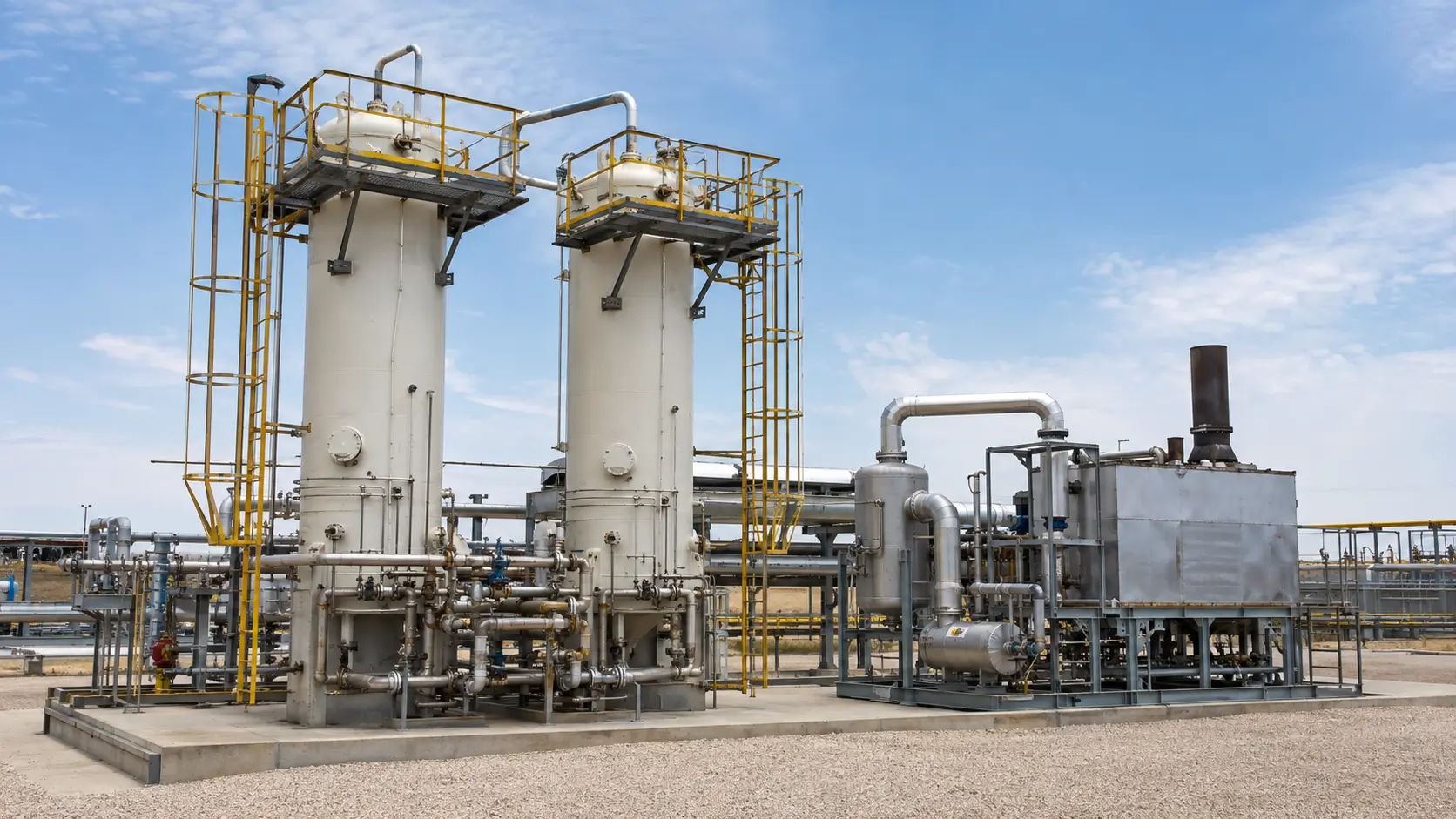
Molecular sieve has a crystalline pore structure and strong affinity for water at low water partial pressure. It is therefore widely evaluated for deep gas drying, natural-gas dehydration before cryogenic processing, air-separation pretreatment and other duties where residual moisture must be tightly controlled.
The exact grade still depends on the complete feed composition. Water, carbon dioxide, sulfur compounds, hydrocarbons, oxygenates, liquid carryover and other contaminants can compete for adsorption sites or affect bed life. A nominal 4A or 13X name is not a complete specification.
Molecular Sieve Selection
Compare 3A, 4A, 5A, 13X and application-specific grades by adsorption target and process conditions.
Compare Total Drying Cost, Not Only Desiccant Price
A lower price per kilogram does not automatically create the lower-cost dryer. The useful comparison is the total cost of achieving the required outlet condition over the media’s service period.
Initial Filling Cost
Compare delivered media price, required bed volume, bulk density, filling quantity, freight, packaging and loading labor.
Regeneration Energy
Review purge-air consumption, heater duty, blower operation, cooling time and the effect of cycle settings on usable capacity.
Pressure Drop
Particle size, bed depth, fines and flow distribution influence differential pressure and compressor or blower energy.
Service Life
Attrition, contamination, liquid carryover, thermal stress and regeneration quality can shorten the replacement interval.
Process Risk
Failure to reach the required dew point may affect instruments, pneumatic equipment, cryogenic systems or downstream product quality.
Changeover Cost
Include shutdown, unloading, disposal, vessel inspection, loading, start-up and qualification when comparing replacement options.
Confirm the Grade Before Changing the Dryer Fill
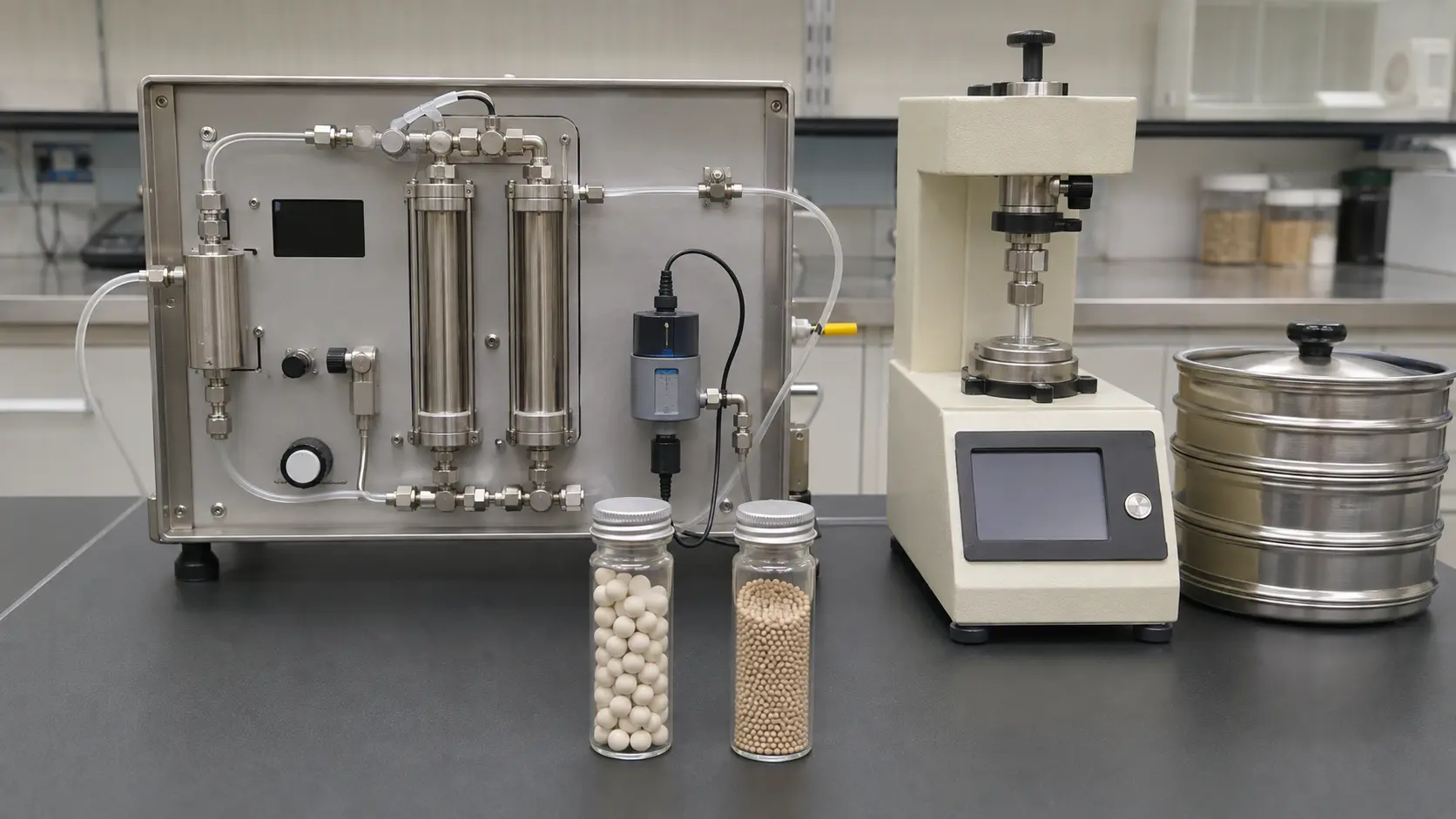
For an existing dryer, begin with the current product label, TDS or COA, particle size, filling quantity, pressure-drop history, inlet condition, operating cycle and actual outlet dew point. The replacement should be checked against both the physical bed requirements and the drying target.
Useful review items may include particle-size distribution, bulk density, crush strength, attrition or dust, static water adsorption, residual moisture and grade-specific dynamic performance data. Test methods and acceptance limits must be agreed before comparing results.
Define the Duty
State the gas, inlet condition, flow, pressure, temperature and required outlet moisture.
Review the Dryer
Provide vessel dimensions, cycle, regeneration method, current media and operating history.
Compare Grades
Check physical properties, adsorption data, documents, sample availability and supplier conditions.
Validate the Change
Use the dryer OEM or responsible engineer’s approval and a defined start-up and performance check.
Activated Alumina vs Molecular Sieve FAQ
These answers provide an initial selection framework. Final performance must be confirmed against the actual system and selected manufacturer’s data.
Is molecular sieve always better than activated alumina?
No. Molecular sieve is often selected for deeper or more selective drying, while activated alumina is widely used in regenerative compressed-air and general gas dryers. The better option is the one that reaches the required outlet condition with acceptable energy, pressure drop, reliability and lifecycle cost.
Which material can achieve the lower dew point?
Molecular sieve is commonly evaluated for lower residual-moisture targets because it retains strong water affinity at low water partial pressure. The achievable pressure dew point still depends on inlet temperature, dryer sizing, cycle, regeneration and the selected grade.
Is activated alumina suitable for heatless compressed-air dryers?
Yes, suitable activated alumina grades are commonly used in heatless dryers. Selection should consider inlet condition, operating pressure, flow, purge rate, cycle time, particle size and required pressure dew point.
Can activated alumina and molecular sieve be used in the same dryer?
Some dryers use engineered layered beds, but this is not a universal retrofit. The layer sequence, quantity, particle size, regeneration and flow distribution must be confirmed by the dryer designer or responsible engineer.
Which desiccant costs less?
Activated alumina may have a different purchase-price direction from molecular sieve, but media price alone is insufficient. Compare fill quantity, energy, purge loss, pressure drop, service life, downtime and the cost of failing to meet the moisture target.
Can I replace one material with the other without changing the dryer?
Not automatically. Bulk density, particle size, adsorption behavior, mass-transfer zone and regeneration requirements can change bed loading and cycle performance. Review the replacement with the equipment supplier or responsible engineering team.
What information should I send for a recommendation?
Send the gas composition, inlet temperature and moisture, operating pressure and flow, outlet dew point target, dryer type, vessel dimensions, regeneration method, cycle time, current media, fill quantity, observed problem, estimated order quantity and required documents.
Compare the Two Materials for Your Actual Dryer
Send the operating conditions, required dew point, dryer design, current desiccant and filling quantity. Adsorbent Source supplies industrial adsorbents and reviews the requested activated alumina or molecular sieve grade against the dryer data. Sample and document availability, packaging and quotation requirements can be checked for each inquiry.
TDS vs SDS vs COA for Adsorbents →
How to Select Activated Alumina Particle Size →
Regenerate or Replace Molecular Sieve →
Adsorbent Packaging and Export Guide →