Inert Ceramic Balls Supplier for Catalyst Bed Support & Reactor Loading
Adsorbent Source supplies inert ceramic balls for catalyst bed support, reactor loading, adsorption towers and industrial process vessels. Particle size, alumina content, strength requirements, sample availability, technical documents, export packaging and bulk supply are confirmed according to the reactor application and purchasing requirement.
What Are Inert Ceramic Balls?
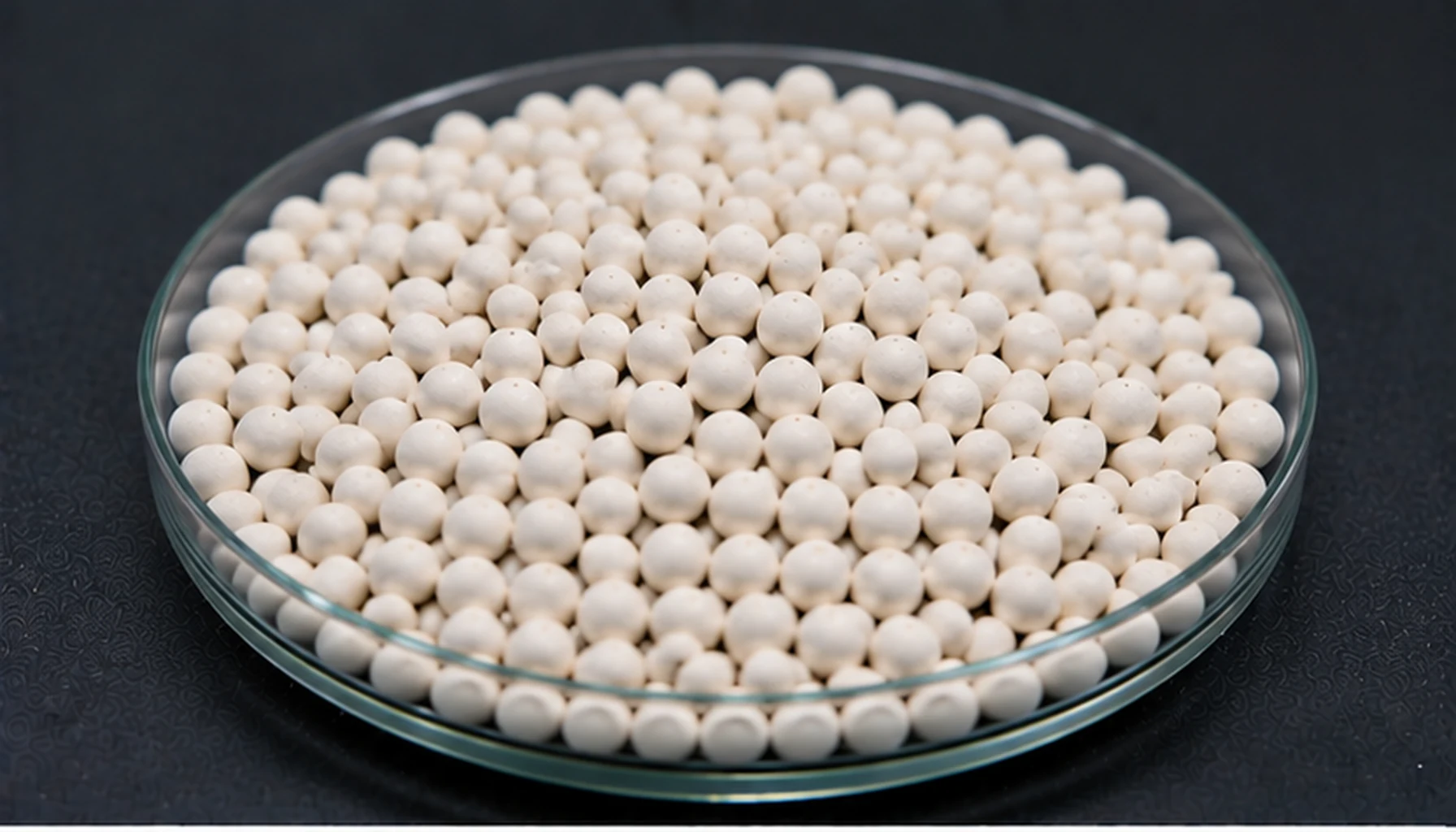
Inert ceramic balls are ceramic support media used in reactors, catalyst beds and adsorption vessels. They help support catalyst layers, improve gas or liquid distribution and protect active catalyst materials from direct mechanical stress.
Inert ceramic balls are widely reviewed for catalyst bed support, reactor loading, adsorption tower support layers, gas distribution and industrial process vessels where mechanical strength and chemical stability are important. For the broader product range, see our Catalyst Carriers product category.
Inert ceramic balls may be supplied in different alumina contents, particle sizes and strength levels. The correct grade should be selected according to the reactor environment, chemical exposure, temperature, pressure and bed structure.
Inert Ceramic Balls Compared with Activated Alumina Catalyst Carrier
Inert ceramic balls and activated alumina catalyst carrier are both used in industrial catalyst-related systems, but their selection direction is different. Ceramic balls are usually selected as inert support media, while catalyst carrier grades focus more on pore structure and active component loading. For a broader comparison, review Catalyst Carrier vs Support Media.
| Item | Activated Alumina Catalyst Carrier | Inert Ceramic Balls |
|---|---|---|
| Main Direction | Catalyst carrier or support for active component loading. | Inert support media and catalyst bed support layers. |
| Selection Focus | Pore structure, surface area, active component compatibility and catalyst formulation. | Mechanical strength, chemical stability, particle size and alumina content. |
| Typical Use | Catalyst preparation, selected carrier systems and catalyst support applications. | Reactor loading, catalyst bed support, flow distribution and support layers. |
| Confirmation Needed | Pore data, surface area, formulation direction and reactor condition. | Alumina content, crush strength, size, temperature, pressure and chemical environment. |
Where Inert Ceramic Balls Are Used
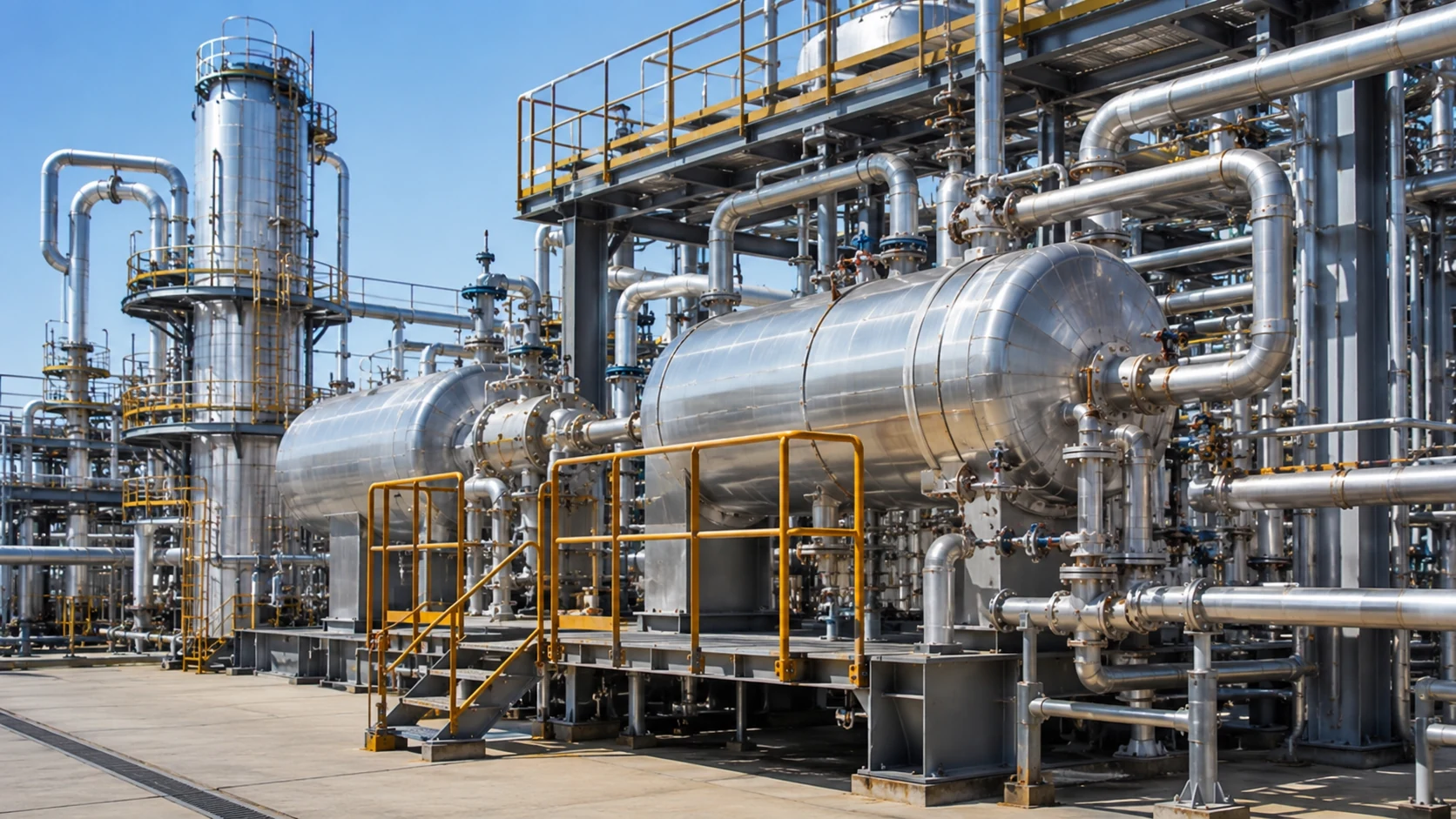
Inert ceramic balls are used as support media in catalyst beds, reactors, adsorption towers and process vessels where bed stability, mechanical support and flow distribution are important.
Catalyst Bed Support
Used as support media under or above catalyst layers where bed stability and mechanical support are required.
Reactor Loading
Reviewed for reactor loading systems where particle size, strength and chemical resistance need to match operating conditions.
Gas Distribution
Used to support more even gas or liquid distribution inside selected process vessels.
Adsorption Towers
Applied in adsorption towers and packed vessels where support layers help maintain bed structure.
Refining and Petrochemical Units
Reviewed for refining and petrochemical process units depending on temperature, pressure and chemical environment.
Catalyst Protection Layers
Used as guard or support layers where active catalyst materials require mechanical protection.
Information Needed Before Selecting Inert Ceramic Balls
Inert ceramic ball selection should match the reactor environment, loading position, bed structure and mechanical requirement. The following information helps compare suitable ceramic support media grades.
Application
Catalyst bed support, reactor loading, adsorption tower or support layer use.
Reactor or Vessel
Reactor type, vessel structure, bed layout and loading position.
Operating Conditions
Operating temperature, pressure, flow direction and service environment.
Chemical Environment
Gas or liquid composition, chemical exposure and corrosion consideration.
Alumina Content
Required alumina content or ceramic grade based on application severity.
Particle Size
Required ceramic ball size according to bed structure and support function.
Strength Requirement
Crush strength, thermal stability, impact resistance and loading quantity.
Particle Size, Alumina Content and Strength Confirmation
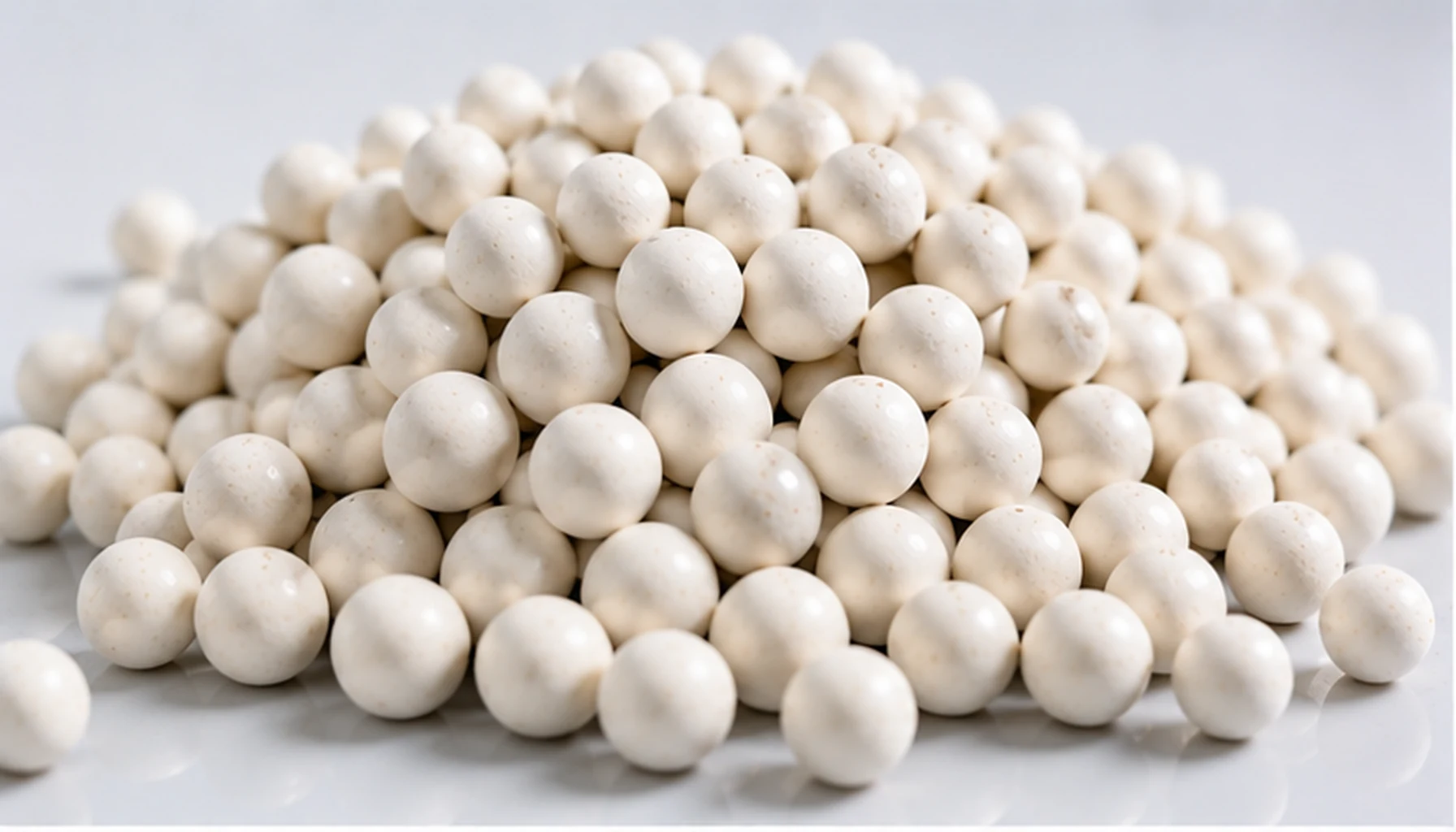
Inert ceramic balls are supplied as spherical ceramic support media. Particle size, alumina content and strength level should be confirmed according to reactor design, bed structure, chemical environment and loading requirement.
- Spherical ceramic balls for catalyst bed support and reactor loading
- Particle size selected according to bed structure and support layer design
- Alumina content reviewed according to temperature and chemical environment
- Packaging requirements confirmed for storage, handling and export shipment
Common Inert Ceramic Balls Supply Information
Adsorbent Source supplies inert ceramic balls for catalyst-bed and reactor-support requirements. Particle-size and grade details, available technical documents, packaging and export requirements are confirmed for each order. See the Adsorbent Packaging and Export Guide for additional export details.
| Item | Common Options |
|---|---|
| Product Type | Inert Ceramic Balls |
| Form | Spherical ceramic balls, subject to the selected grade and confirmed availability |
| Typical Size | Confirm according to reactor design, catalyst bed structure and support layer requirement |
| Main Use | Catalyst bed support, reactor loading, gas distribution and support layers |
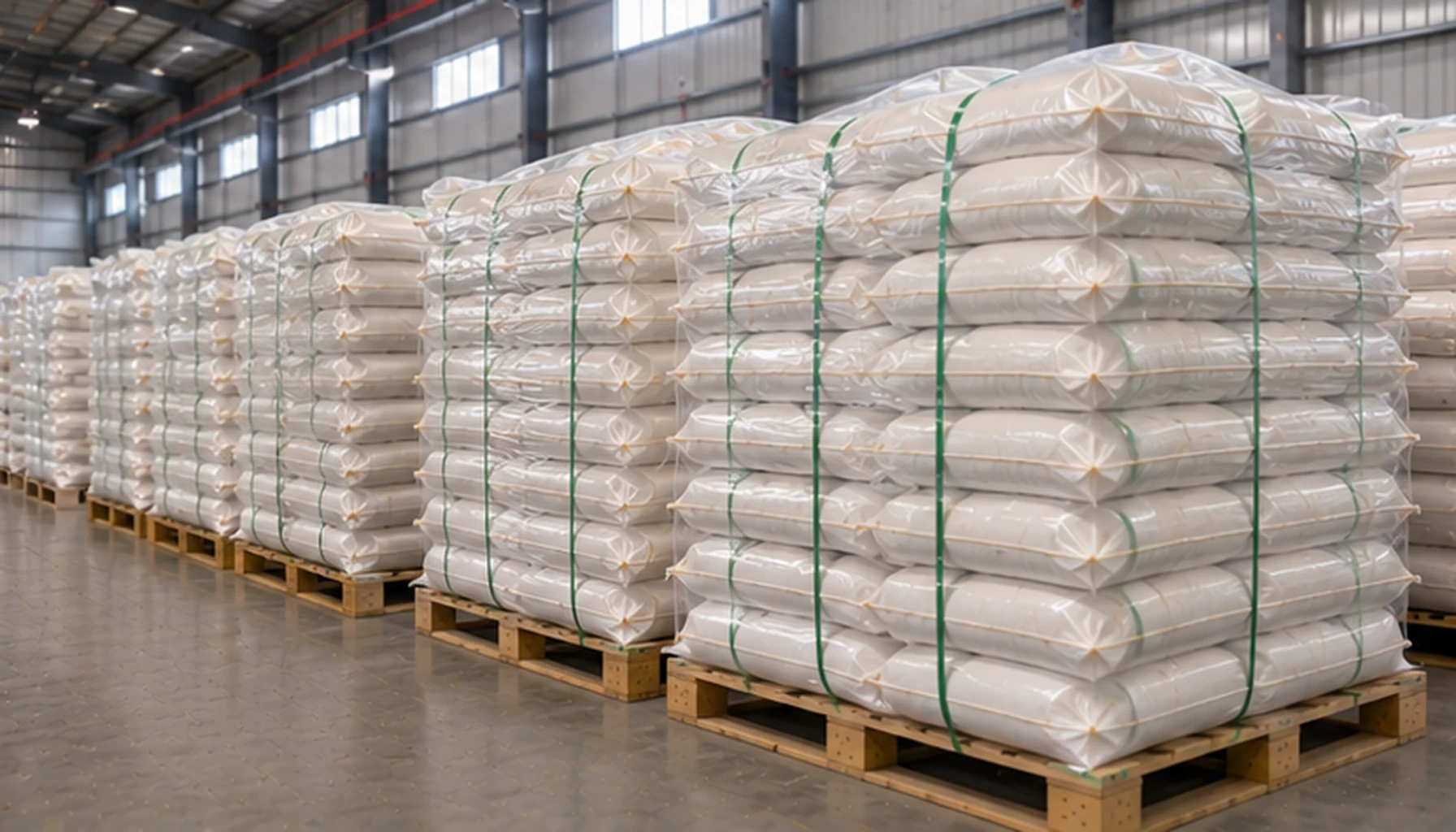
| Packaging | Bags, drums, cartons or palletized export packaging depending on quantity and shipment requirement |
| Documents | TDS, SDS, COA, packing information and available export documents can be confirmed before shipment |
Inert Ceramic Balls for Reactor Support Layers
In reactor support layers, inert ceramic balls should be selected according to operating environment, bed structure, particle size, crush strength and chemical stability. A suitable ceramic support media helps maintain catalyst bed integrity and supports stable flow distribution inside the vessel.
Adsorbent Source supplies ceramic support media for new reactor loading and replacement projects, with support for grade comparison, particle-size confirmation, documents, packaging and export requirements. Application context is available in Catalyst Bed Support Media.
Reactor Design Review
Review vessel type, bed structure, loading position and support function.
Particle Size Confirmation
Match ceramic ball size with catalyst bed and support layer design.
Strength and Stability
Compare crush strength, alumina content and chemical stability.
Loading Quantity Review
Confirm filling quantity, packaging and replacement requirement.
Request an Inert Ceramic Balls Quote
Send the required quantity, particle size or existing specification and destination country. If the correct grade has not yet been confirmed, reactor and operating information can be reviewed after the initial inquiry.
Request QuoteSend SpecificationWhat to Send for a Quick Quote
- Required quantity
- Particle size, if known
- Alumina content / existing grade, if known
- Application or reactor use
- Destination country
If the ceramic ball grade or size is not yet confirmed, send the available reactor or existing support-media information and we can review particle-size and grade requirements for quotation. For trial or pre-shipment approval, review our Inert Ceramic Ball Sample Evaluation Checklist for grade identity, sample testing, support-bed compatibility and batch documentation before a bulk order.
Additional Information for Product Selection
These details are useful when further product selection or technical review is required; a first quotation does not require every parameter.
- Application
- Reactor or vessel type
- Operating temperature
- Operating pressure
- Chemical environment
- Gas or liquid composition
- Required alumina content
- Required particle size
- Crush strength requirement
- Bed structure
- Loading position
- Existing support media grade
- Filling quantity
- Estimated quantity
- Destination country
- Required documents
Inert Ceramic Balls Questions
What are inert ceramic balls used for?
Inert ceramic balls are used as support media in catalyst beds, reactors, adsorption towers and process vessels where mechanical support, bed stability and flow distribution are required.
Are inert ceramic balls used in catalyst beds?
Yes. Inert ceramic balls are commonly used under or above catalyst layers as support or protection media, depending on reactor design and loading requirement.
What is the difference between inert ceramic balls and activated alumina catalyst carrier?
Inert ceramic balls are mainly used as chemically stable support media. Activated alumina catalyst carrier is selected for catalyst support or carrier applications where pore structure, surface area and active component compatibility are important.
How do I choose inert ceramic ball size?
Ceramic ball size should be selected according to reactor design, support layer position, catalyst bed structure, flow distribution requirement and loading plan.
What alumina content is required for ceramic support balls?
Required alumina content depends on temperature, chemical environment, mechanical requirement and process conditions. The selected grade should be confirmed against the applicable product TDS.
Can inert ceramic balls be used in reactors?
Yes. Inert ceramic balls are commonly reviewed for reactor loading and catalyst bed support applications where strength and chemical stability are required.
What information is needed before selecting inert ceramic balls?
Key information includes reactor type, operating temperature, pressure, chemical environment, alumina content, particle size, crush strength requirement, loading position and filling quantity.
What documents can Adsorbent Source provide?
Adsorbent Source can confirm the availability of TDS, SDS, COA, packing information and export documents according to the selected media and order requirements.
How can I request an inert ceramic ball price or quotation?
Send the required particle size, alumina content or existing grade, quantity and destination country. Final quotation depends on the selected ceramic grade, strength requirements, packaging and shipment terms.