Inert Ceramic Ball Sample Evaluation Checklist Before Bulk Purchase
Before approving an inert ceramic ball order, match the sample to the written grade, size range, reactor support-bed duty, test methods and purchase specification. A visual check is useful, but it cannot confirm every property needed for bulk approval.
Use this guide to organize sample review, identify missing data and keep the final approval tied to the actual operating requirement. The test limits and acceptance values must come from the buyer’s project specification or the responsible process engineer.
Open the Approval Checklist Send Sample Requirements
Inert Ceramic Ball Sample Evaluation: Quick Answer
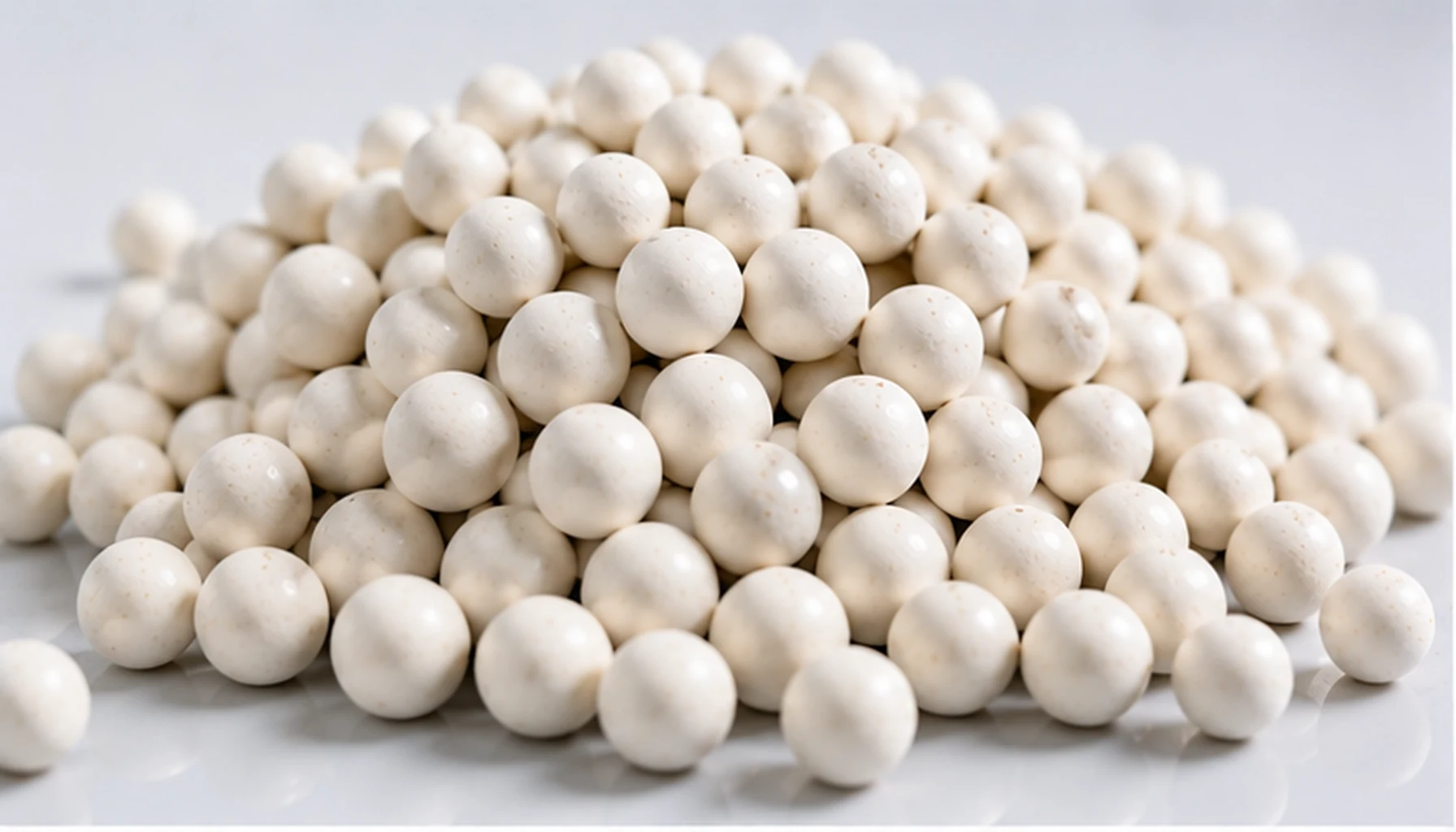
Compare each sample with the approved purchase basis before bulk order release. Record its identity, declared size, relevant test results, intended bed position, test method and packaging. Do not set acceptance values from a general guide when the project specification is available.
| Review Area | What to Confirm | Approval Record |
|---|---|---|
| Identity | Product name, grade, size, batch or sample reference. | Label and quotation use the same designation. |
| Physical form | Shape, visible breakage, surface condition and fines. | Inspection notes and agreed sample condition. |
| Technical data | Properties relevant to the specified bed duty and test method. | Supplier data compared with buyer limits. |
| System fit | Bed location, retaining screen, loading plan and operating conditions. | Process or equipment review completed. |
| Supply basis | Bulk lot traceability, packaging, quantity and documents. | Quotation and purchase specification aligned. |
Record Sample Identity Before Testing
Keep the sample label, container and associated documents together. If the sample is repacked or split for laboratory work, carry the same reference onto each sub-sample and test record.
| Field | Record | Why It Matters |
|---|---|---|
| Product designation | Supplier name, product name, grade and any order code. | Prevents generic terms such as “ceramic balls” from becoming the approval reference. |
| Size | Nominal diameter or size range and stated tolerance, if specified. | Supports comparison with the reactor drawing and retaining arrangement. |
| Sample reference | Sample ID, batch or lot reference, label date and received date. | Connects test results with the material offered for the order. |
| Package condition | Container type, seal, moisture exposure and visible handling damage. | Documents the condition before the sample is opened or tested. |
| Approval basis | Purchase specification, drawing or project requirement revision. | Ensures all reviewers use the same current requirements. |
Review Technical Data Against the Written Specification
Not every ceramic-ball order requires the same test list. Select the properties that apply to the specified material and service, and ask for the test method, reporting basis and lot reference. Compare equivalent methods and conditions wherever data from multiple suppliers are reviewed.
| Property or Evidence | Buyer Review Point | What to Ask the Supplier |
|---|---|---|
| Size distribution | Check the stated diameter range and any project tolerance. | How was size measured, and does the report identify the sample or lot? |
| Bulk density | Use the value only with its stated measurement basis and units. | What test method and packing condition were used? |
| Crushing or compressive strength | Review where the design specification requires a strength criterion. | What specimen count, test method and reporting basis are shown? |
| Water absorption or porosity | Review only when these properties are part of the selected grade requirements. | Is the result tied to a defined method and specified material? |
| Fines, abrasion or handling damage | Assess when dust generation, transport or bed cleanliness is a concern. | How are fines or attrition evaluated and recorded? |
| Chemical composition | Confirm the stated composition against the specified service and grade. | Is the value typical or lot-specific, and what analysis basis applies? |
| Thermal or chemical service limits | Review against the actual process conditions and engineering requirement. | Which documented limit applies to this grade and service? |
For product scope and grade options, see Inert Ceramic Balls. For the distinction between carrier and support functions, see Catalyst Carrier vs Support Media.
Check Reactor Support-Bed Compatibility
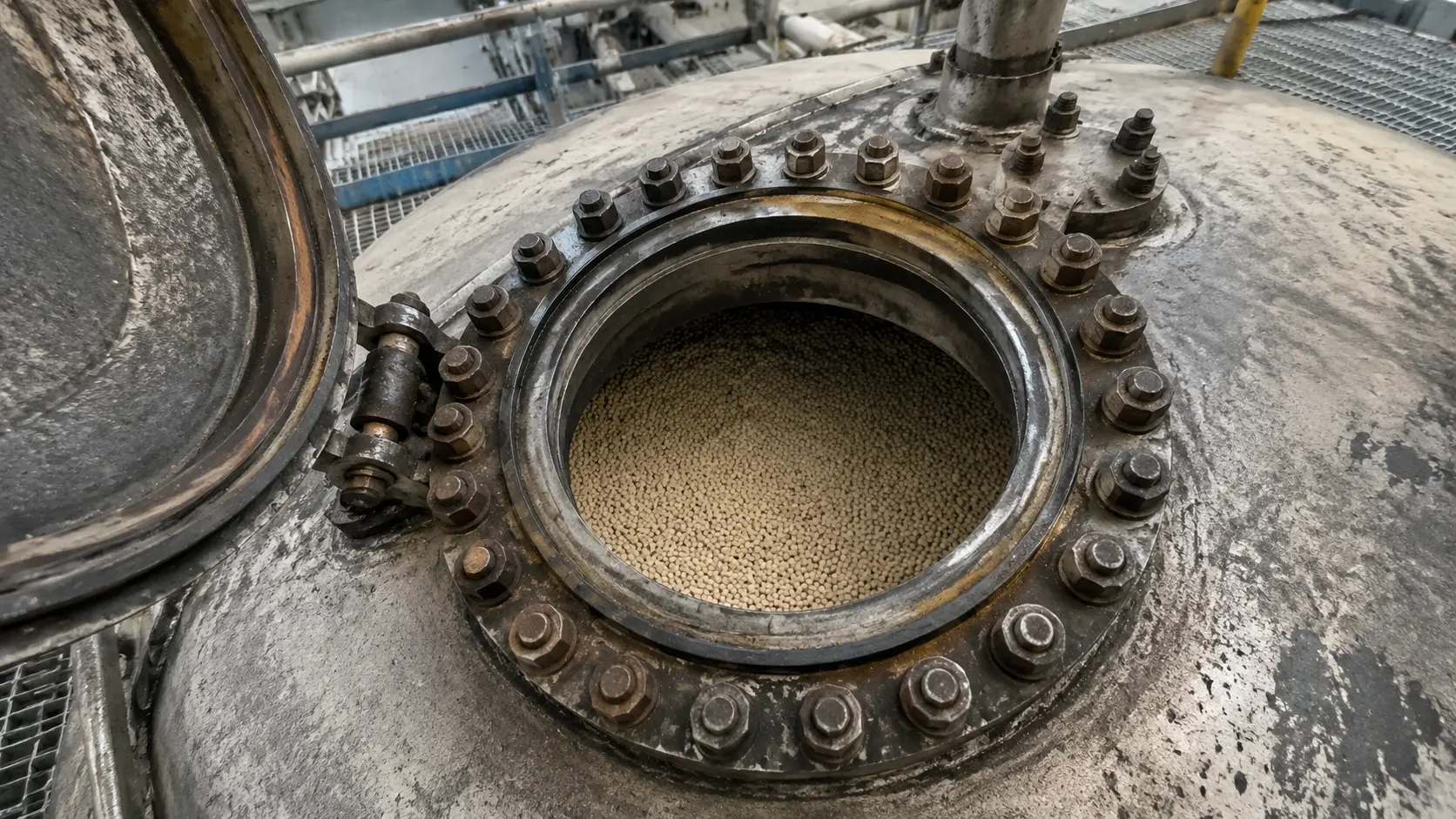
A sample may meet its product data and still need a separate system-fit review. Confirm where the balls will be installed, how the bed is retained and what the equipment design requires before approving a size or loading arrangement.
| System Detail | Information to Gather | Review Responsibility |
|---|---|---|
| Bed position | Support layer, separation layer or other position identified in the drawing. | Process or mechanical design team. |
| Retaining system | Screen, grid, support plate and relevant openings or clearances. | Equipment designer or project engineer. |
| Operating duty | Fluid, pressure, temperature, flow direction and any specified transient condition. | Process engineer using project conditions. |
| Layering and loading | Sequence, bed depth, material quantities and loading method where specified. | Project procedure or approved loading plan. |
| Acceptance criteria | Applicable test limits, inspection points and records required for release. | Buyer specification and responsible technical reviewer. |
Do not select a diameter from a generic online recommendation. The correct size depends on the equipment design, retaining system and written project requirements.
For application context, review Catalyst Bed Support Media and the broader Catalyst Carriers range.
Documents to Review Before Approval
Document review helps purchasing, quality and engineering teams connect the sample with the supply lot and the intended equipment. Request only the documents required by the project or purchase specification.
| Document or Record | Check | Open Point to Resolve |
|---|---|---|
| Technical data sheet | Grade, size range, stated properties, units and revision. | Is the data typical or a guaranteed supply value? |
| Certificate of analysis or test report | Sample or batch reference, tested properties, results and methods. | Does the result represent the lot offered for purchase? |
| Safety data sheet | Product identity, handling and storage guidance. | Are any project-specific handling records also required? |
| Inspection or quality record | Only the inspection records named in the purchase specification. | What inspection format and release point are agreed? |
| Packaging and label details | Package type, net quantity, protection and product identification. | Can the proposed package protect the product through transport and storage? |
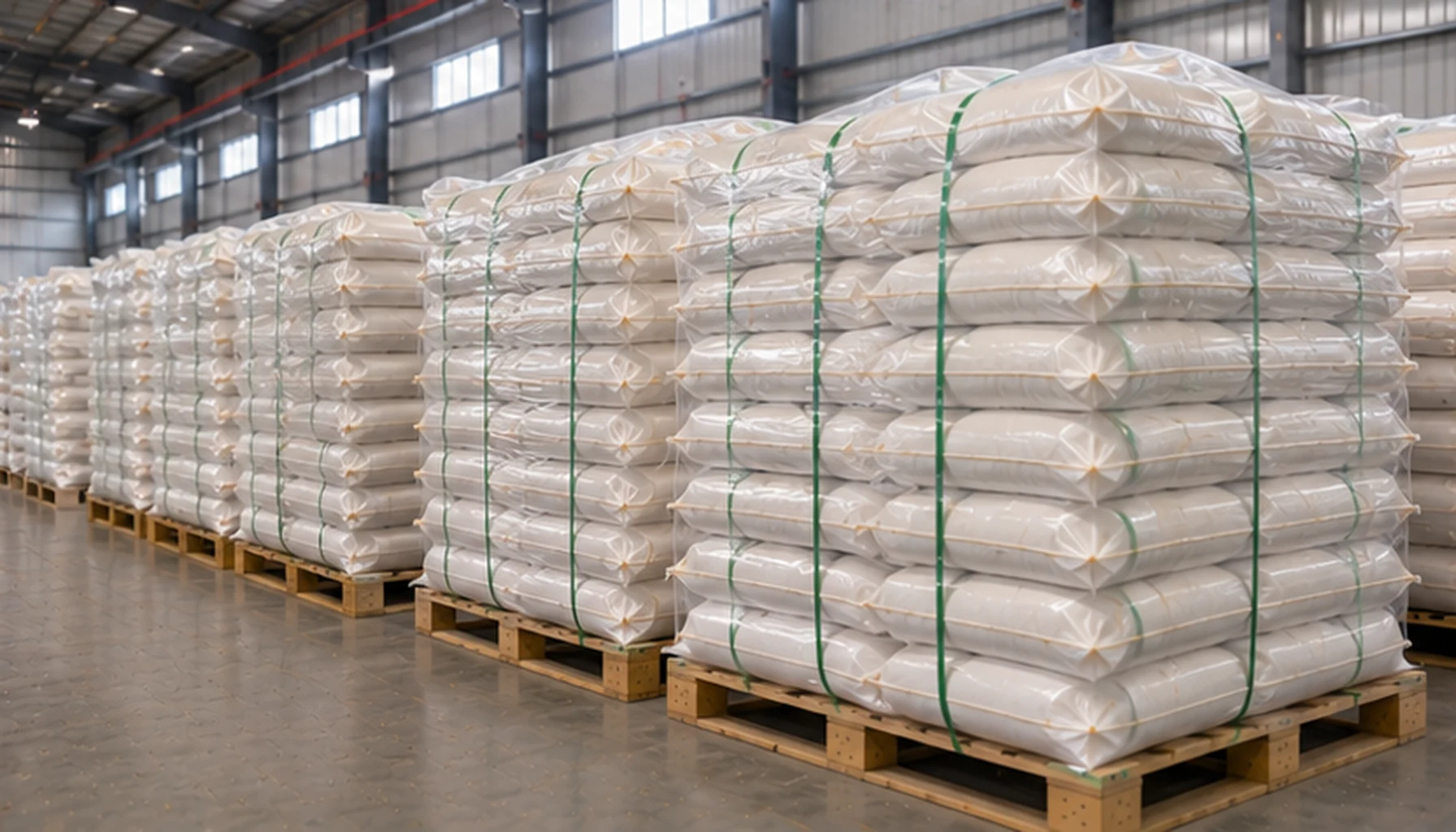
For general export-packaging points, see the Adsorbent Packaging and Export Guide.
Inert Ceramic Ball Sample Approval Checklist
Use this checklist as an internal review record. Mark an item complete only when the relevant evidence is available and the responsible reviewer has accepted it.
| Review Item | Evidence to Keep | Status |
|---|---|---|
| Product identity | Label, product grade, supplier reference and sample ID. | □ |
| Size and tolerance | Declared range, measurement basis and match to written requirement. | □ |
| Sample condition | Receipt notes, package condition, appearance and visible fines or breakage. | □ |
| Technical properties | Relevant values, units, test methods and sample or lot traceability. | □ |
| System fit | Bed position, retaining system, loading plan and operating conditions reviewed. | □ |
| Documents | TDS, applicable COA/test report, SDS and project-required records. | □ |
| Bulk supply basis | Approved specification, package, quantity, delivery terms and release conditions. | □ |
| Final approval | Named buyer and technical approver, date and approved revision. | □ |
Keep an approved sample or retain sub-sample only when the project procedure allows it, and record its identification and storage conditions.
Common Sample Evaluation Mistakes
- Approving by appearance alone. Color, roundness and visible surface condition do not replace the specified test data.
- Using unmatched test methods. Results should be compared on a consistent measurement and reporting basis.
- Ignoring sample identity. A report without a clear grade or sample reference may not support lot approval.
- Applying universal limits. Acceptance values must come from the buyer’s project requirement, not a generic article.
- Skipping the retaining-system review. Size selection must be checked against the actual screen, grid, support plate and equipment drawing.
- Assuming the sample represents every bulk lot. Confirm how the supplier links the sample, test report and material offered for shipment.
- Leaving package details until dispatch. Agree package protection, quantity and labeling as part of the purchase basis.
Frequently Asked Questions
What should I check first when an inert ceramic ball sample arrives?
Record the label, grade, sample or batch reference, stated size, package condition and the purchase specification revision before testing.
Which tests should be included in a sample evaluation?
Select tests from the written specification and intended bed duty. Common review areas may include size distribution, bulk density, strength, fines or abrasion, absorption or porosity, and composition when those properties are required. Confirm the method and acceptance basis for each.
Can I approve bulk material from a sample inspection alone?
Visual inspection can identify obvious differences or damage, but bulk approval should also follow the applicable technical data, test records, lot reference and project acceptance process.
Does this guide set a standard diameter or strength limit?
No. Diameter, tolerances and property limits depend on the project specification, equipment and service. The responsible technical reviewer should confirm them from the project documents.
Are inert ceramic balls and catalyst carriers interchangeable?
Not automatically. Inert support media and active catalyst carriers have different functions. Compare the specified product role and requirements before selecting a material.
What should I provide when requesting a quotation?
Share the required grade or function, size, quantity, application, reactor or bed details, applicable specification and required documents. If some points are unavailable, identify them as pending technical review.
Should the sample and bulk packaging be the same?
Not necessarily. Confirm the proposed bulk package, inner protection, labeling and transport requirements separately in the quotation and purchase order.
Reviewing a Ceramic Support Media Requirement?
Send the intended bed position, size, quantity, operating conditions, drawing or written specification, and any required test records. We can review the available product information and identify points that still need confirmation.