Powdered Activated Carbon Decolorization Trial: Sample Comparison and Filtration Acceptance
How to shortlist activated carbon samples using the buyer’s actual liquid, repeatable color measurement and downstream separation evidence—before committing to a bulk PAC order.
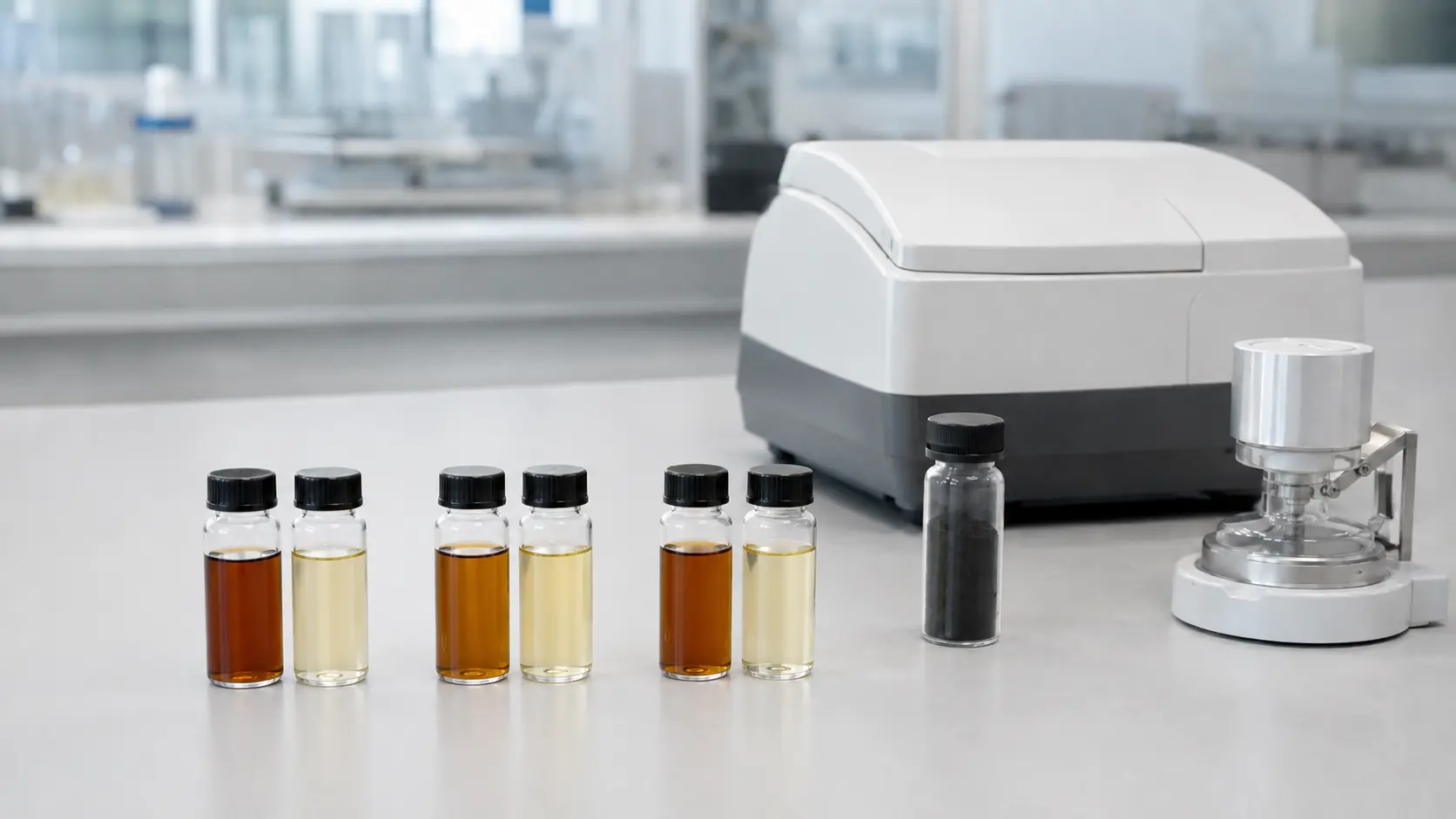
Compare treated liquid and filterability—not just the carbon data sheet.
A powdered activated carbon can appear promising from iodine number, methylene blue or other specification values, yet give a different color-removal or filtration result in the buyer’s actual liquid. PAC grades differ in raw-material origin, pore structure and physical characteristics; the most relevant candidate must be evaluated against the particular impurity, liquid matrix, process conditions and downstream separation method.
This is a buyer-side evaluation framework, not a universal chemical treatment recipe. The responsible laboratory or process engineer selects test methods, a suitable dose range and safety precautions. The supplier can support sample identification, documentation, packing and quotation comparison.
Four questions that determine the commercial outcome
Same lot, representative baseline and known process matrix.
Consistent contact and documented color or analyte testing.
Filtration, clarity, retained carbon and product recovery.
Accepted grade, pack, documents, bulk supply and approved test basis.
Freeze the comparison basis before samples arrive
Information from the process owner
- Liquid identity, industry/application and handling restrictions
- Initial color and required final quality (approved metric and method)
- Target impurity or color body if identified, and relevant competing species
- Applicable pH, temperature, viscosity, solids and process-stage limits
- Available contact time and downstream separation equipment
- Yield, product loss, disposal and contamination constraints
Information from each PAC supplier
- Grade and batch/lot identifier
- Raw-material origin and product form where specified
- Particle-size, ash, moisture and other relevant TDS values
- COA test methods, SDS and traceability
- Packaging, handling and sample-retention conditions
- Commercial quotation linked to the tested grade and lot basis
Build a repeatable PAC trial without inventing a universal dose
The steps below are documentation gates, not operating instructions for a particular chemical process. Only qualified personnel should approve the laboratory method, sample handling, protective measures, treatment conditions and waste disposal.
1. Preserve a representative untreated control
Use appropriately sampled, homogeneous liquid from a recorded batch or process period. Establish the untreated color or quality measurement, its analytical method, sample preparation, instrument and observation time. Document variability if liquid feed batches differ.
2. Establish candidate identity and approved trial conditions
Confirm each PAC sample grade and documentation. Ask the lab to select a comparable, appropriate dose range and contact conditions for the specific liquid; record all variations. Do not transfer jar-test quantities designed for municipal drinking water directly into food, solvent, oil or other industrial liquid systems.
3. Compare finished-liquid response on the same scale
Measure treated samples using the same validated color method and clarified-sample preparation. Where relevant, check whether target-impurity, purity, pH or product-quality requirements are maintained. A single color photograph or optical reading should not be used to imply broad chemical purification.
4. Measure the separation burden before judging price
Review how completely PAC can be removed by the intended filtration or solids-separation train. The trial may need to assess filtration time, filter-media compatibility, residual carbon fines, clarity, liquid/product loss and filter consumption. Do not confuse high apparent decolorization with an approved, filterable process.
5. Approve a supplier specification linked to the trial
Record which PAC grade and sample passed, the applicable test protocol, permitted product variation, acceptance documentation and packaging expectations. When bulk quotations differ, compare equivalent tested bases, net usable quantity, export packing, lead time and any filter or disposal impacts.
PAC sample comparison and filterability approval matrix
Complete the same fields for each candidate. The table intentionally contains no fabricated dose, color reading, removal percentage or performance guarantee.
Swipe horizontally to view the candidate evidence and purchasing decision →
| Inspection field | Untreated / reference basis | Candidate PAC record | Approval question |
|---|---|---|---|
| Feed-liquid identity | Same representative lot and handling record | Sample source / treatment date | Were trials comparable? |
| PAC grade and lot | Approved sample specification / documents | Supplier grade, batch, COA and SDS | Traceable to the quotation? |
| Contact conditions | Engineer-approved method and range | Actual trial conditions / deviation | Method matched or justified? |
| Color / target response | Baseline color and acceptance method | Treated result and unit / uncertainty | Target reached reproducibly? |
| Filtration / separation | Intended filter or clarification process | Separation outcome and residual solids | Feasible at plant scale? |
| Yield, quality and other effects | Product acceptance / loss constraints | Loss, appearance, impurities, deviations | Any unacceptable trade-off? |
| Bulk procurement decision | Approved grade / packaging / terms | Offer and supply documents | Approve / Re-test / Reject? |
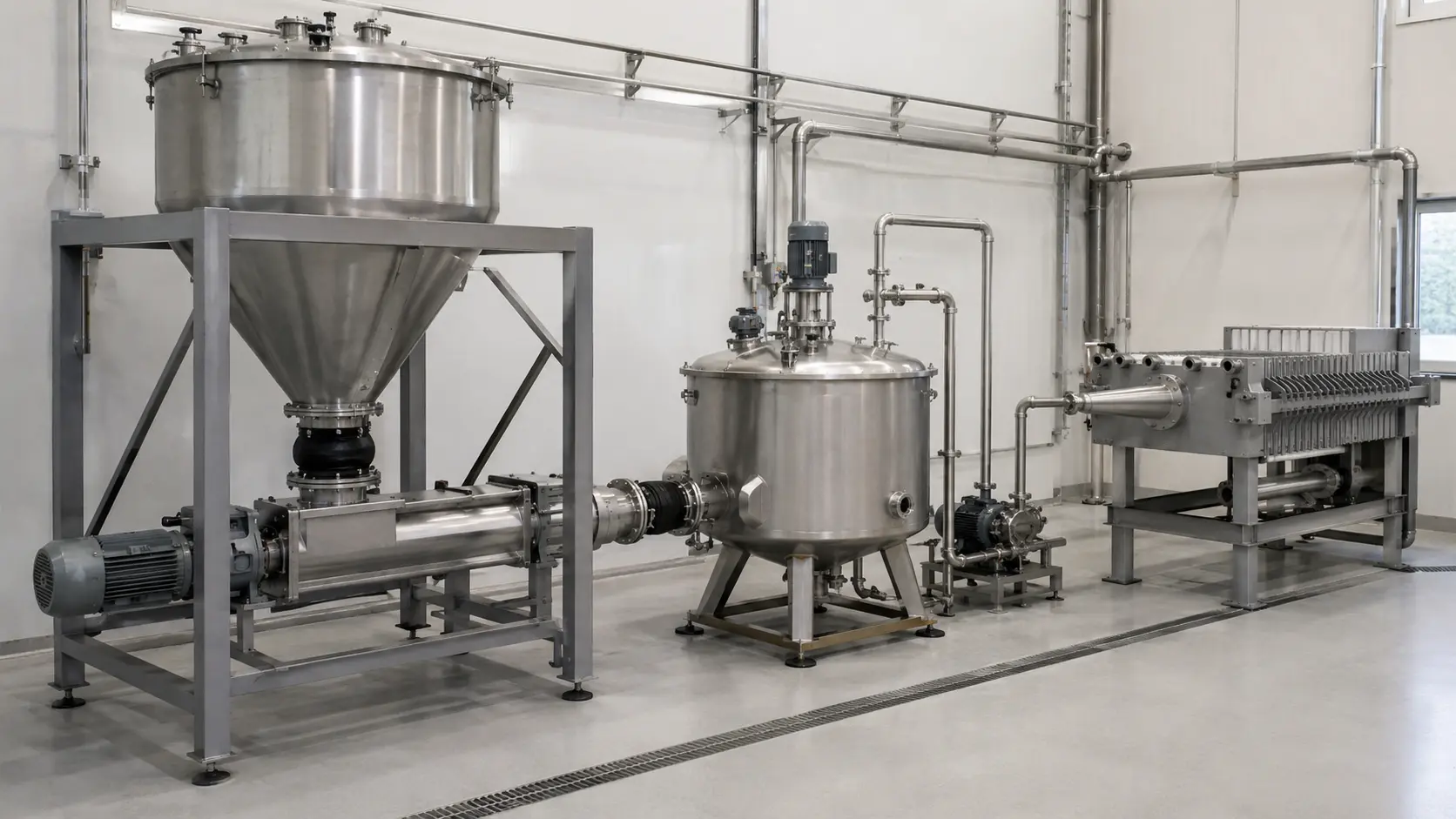
Laboratory color removal is not automatically a plant guarantee
Industrial filtration, batch variability, contact time, mass transfer and liquid recovery can differ from a laboratory trial. Validate the proposed treatment route with the plant/process owner. A PAC supplier’s sample test and quotation should be separated from system engineering, regulatory certification and final commissioning.
See the existing Liquid Decolorization Adsorbents application page for treatment choices and Powder Activated Carbon for available purchasing information.
Three ways to conclude the PAC comparison
Reproducible and separable
Color/quality target passes the agreed method and PAC removal is feasible. Request bulk pricing against the documented tested grade, COA basis, packing and required quantity.
Good color but poor filtration
Hold approval; evaluate whether clarification or downstream filter requirements change the true cost and practical performance. Avoid ranking carbon by color change alone.
Inconsistent or undocumented test
Retest or reject where liquid source, grade identity, contact conditions or separation evidence cannot be compared reliably.
PAC Decolorization Sample Evaluation FAQ
Can an iodine number prove that PAC will remove the color in my liquid?
No. It is a material-characterization indicator, not a universal predictor of every organic color body or liquid matrix. Evaluate a sample under the actual application test method.
Why does filtration belong in the commercial comparison?
PAC is a powder introduced into the treated liquid and generally requires downstream solids separation. Fines, filter consumption, product loss and processing time can change practical acceptance and total cost.
Can drinking-water PAC jar-test settings be reused for industrial solvent or oil?
No universal transfer is appropriate. The liquid chemistry, safety classification, process temperature, compatibility, contaminant and filtration route may be different. A qualified process team must approve a new trial basis.
What should I include when asking two PAC suppliers for samples?
Provide the non-confidential liquid application, target color/quality, lab test plan or available method, required product documentation, packaging, sample amount and anticipated bulk purchase requirements. Ask both suppliers to identify the offered grade and test basis.
Relevant products, sample approval and quotation guides
Request PAC samples against a consistent decolorization test
Send your liquid treatment application, non-confidential process conditions, color or impurity removal target, planned sample comparison method, filtration requirements, annual or project quantity, delivery destination and requested TDS/COA/SDS. Adsorbent Source can coordinate available activated carbon grades, samples and export supply proposals. End-use testing and approval remain with the customer’s qualified team.
Technical background: Australian Drinking Water Guidelines — Powdered Activated Carbon describes PAC adsorption, variable material properties and the relevance of jar testing; Norit activated carbon selection overview discusses choosing carbon based on process and impurity. These are background references, not site-specific performance certificates or a recommendation of test setpoints.