Activated Alumina Fluoride Removal Supplier for Water Treatment
Adsorbent Source supplies activated alumina fluoride removal media for drinking water, groundwater, community water systems and selected industrial water-treatment applications. As an activated alumina fluoride removal supplier in China, we support media-grade and particle-size confirmation, replacement matching, samples, TDS / SDS / COA, packaging and export quotation according to water analysis and treatment-system requirements.
What Is Activated Alumina for Fluoride Removal?
Activated alumina for fluoride removal is a porous aluminum oxide adsorbent used as filter media in water treatment systems. It is commonly reviewed for adsorbing fluoride from groundwater, drinking water and selected process water streams.
Activated alumina fluoride removal media is usually applied in adsorption beds or filtration systems where water chemistry, pH, contact time and bed design affect fluoride adsorption behavior.
Fluoride removal performance should be confirmed through water analysis, pilot testing or system design review. Product selection should consider water chemistry, pH, competing ions, contact time, flow rate and target outlet requirement.

Fluoride Removal Media Compared with Activated Alumina Desiccant
Activated alumina can be used in different directions. A desiccant grade is selected for air and gas drying, while fluoride removal media is selected according to water treatment conditions and adsorption targets.
| Item | Activated Alumina Desiccant | Activated Alumina for Fluoride Removal |
|---|---|---|
| Main Direction | Air and gas drying, compressed air dryers and regenerative dehydration systems. | Fluoride adsorption in drinking water, groundwater and water treatment systems. |
| Selection Focus | Dew point target, moisture load, pressure, regeneration method and dryer design. | Fluoride level, pH, water chemistry, competing ions, contact time and bed design. |
| Typical Use | Compressed air drying, gas dehydration and instrument air systems. | Drinking water, groundwater, community water systems and filtration units. |
| Confirmation Needed | Inlet moisture, pressure, temperature, flow rate, particle size and filling quantity. | Water analysis, target outlet fluoride level, pH, flow rate, bed depth and replacement plan. |
Where Activated Alumina Fluoride Removal Media Is Used
Activated alumina fluoride removal media is mainly reviewed for water treatment systems where fluoride reduction is required under defined water quality and process conditions.
Drinking Water Treatment
Reviewed for drinking water systems where fluoride reduction is required under defined water quality conditions.
Groundwater Treatment
Used in groundwater purification projects where fluoride level, pH and competing ions need to be evaluated.
Community Water Systems
Applied in selected community or small municipal systems depending on treatment capacity and design requirements.
Point-of-Use Filters
Reviewed for selected filter media applications where particle size and cartridge design are clearly defined.
Industrial Water Purification
Used in selected industrial water treatment projects where fluoride removal is part of the purification process.
Replacement Filter Media
Used when replacing existing activated alumina media after grade, particle size and filling quantity are confirmed.
Information Needed Before Selecting Activated Alumina for Fluoride Removal
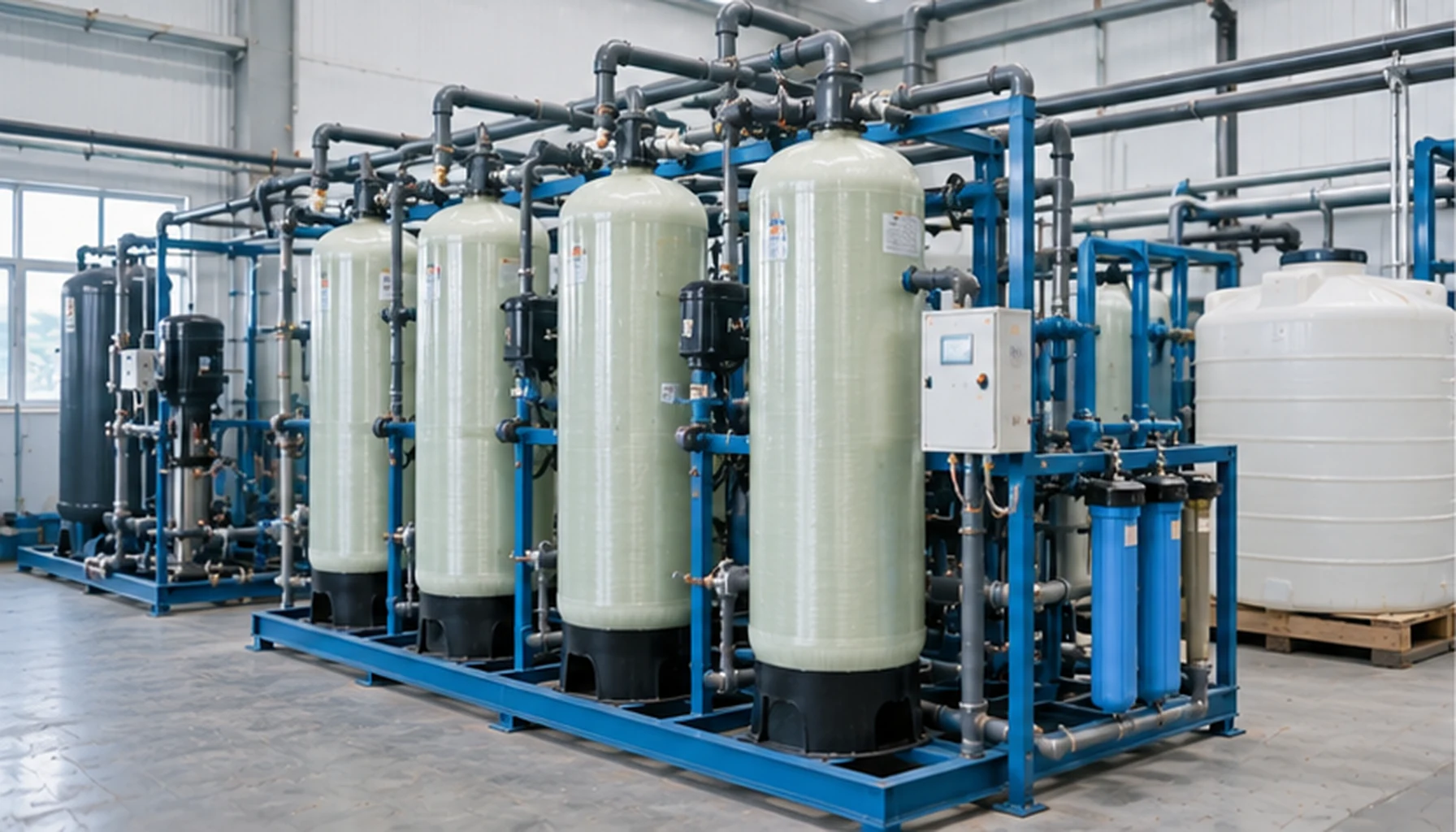
Fluoride removal media selection should be based on water analysis and treatment system design. The following information helps compare suitable media grades and avoid mismatches in particle size, contact time and bed configuration.
Water Source
Drinking water, groundwater, community water, process water or other source.
Fluoride Level
Inlet fluoride level and target outlet fluoride level for the treatment system.
Water Chemistry
pH value, water temperature, competing ions and overall water quality data.
Flow and Contact Time
Flow rate, empty bed contact time and operating mode of the system.
Filter Design
Filter vessel dimensions, bed depth, pressure drop and media support layer.
Particle Size
Required bead or granular media size according to filtration design.
Replacement Plan
Existing media grade, filling quantity, service life and replacement schedule.
Document Needs
TDS, SDS, COA, packing information and destination country.

Beads, Granular Media and Particle Size Confirmation
Activated alumina fluoride removal media may be supplied as beads or granular media according to the confirmed product grade and application requirement. Particle size should be reviewed with filter design, flow rate, contact time, pressure drop and replacement plan.
- Media grade reviewed according to water analysis and target fluoride level
- Particle size selected according to filter vessel and pressure-drop condition
- Replacement projects checked against existing media and filling quantity
- Packaging confirmed according to order and shipment requirement
Common Activated Alumina Fluoride Removal Media Supply Information
Adsorbent Source supplies activated alumina fluoride removal media according to the confirmed grade, water-treatment requirement and filter-system specification. Product form, particle size, technical documents, packaging and export information can be confirmed before order placement.
| Item | Common Options |
|---|---|
| Product Type | Activated Alumina for Fluoride Removal |
| Form | Beads or granular media, according to the confirmed product grade |
| Typical Size | Confirm according to filter design, contact time and pressure-drop requirement |
| Main Use | Fluoride removal in drinking water, groundwater and selected water treatment systems |
| Packaging | Bags, drums, cartons or palletized export packaging depending on quantity and shipment requirement |
| Documents | TDS, SDS, COA, packing information and applicable export documents can be confirmed before shipment |
Activated Alumina Fluoride Removal Supplier Support
In fluoride removal systems, activated alumina media performance is closely related to water chemistry, pH, fluoride concentration, contact time, bed depth and flow rate. A suitable media grade should be selected based on actual water analysis and treatment system design.
Adsorbent Source supports water-quality review, media-grade confirmation, replacement matching and export supply for activated alumina fluoride removal projects. For broader water-treatment adsorbent selection, contaminant comparison and system-level application review, see Water Treatment Adsorbents.
Water Quality Review
Review fluoride level, pH, competing ions and source water condition.
Media Grade & Particle Size
Confirm the media grade and particle size against water analysis and target fluoride requirements.
Replacement Matching
Review existing media grade, particle size, filling quantity and filter-vessel data.
Samples, Documents & Export Supply
Confirm samples, TDS, SDS, COA, packaging and applicable export information for the order.

Fluoride Treatment Targets: What Buyers Should Confirm
Set the required treated-water fluoride concentration according to the project’s country, drinking-water rules and water analysis before selecting activated alumina media. A regulatory limit is not a guaranteed performance result for an adsorbent.
U.S. Primary Limit
The U.S. EPA currently identifies a fluoride maximum contaminant level of 4.0 mg/L for regulated public drinking-water systems.
U.S. Secondary Level
The EPA secondary fluoride level is 2.0 mg/L. It is a different regulatory category, with related public-notice requirements; do not treat it as the primary MCL.
Project-Specific Target
Provide inlet fluoride, target outlet fluoride, pH, competing ions, flow rate, contact time and media-bed details. Local rules or customer specifications may require a different target.
Selection and verification: Fluoride removal depends on actual water chemistry, contact conditions and the confirmed media grade. Pilot testing or appropriate water analysis may be required; no treated-water concentration is guaranteed by the figures above. Refer to the EPA fluoride information and EPA secondary standards. For a grade review, send your water analysis and project requirements.
Send Your Activated Alumina Fluoride Removal Requirement
Already know the existing media grade, particle size and required quantity? Send those first. Full water analysis and system data are mainly required when media selection or replacement matching support is needed.
Then share the water source, inlet fluoride level, target outlet fluoride level, pH value, water temperature, competing ions, flow rate, filter vessel size, bed depth, particle size, filling quantity and document requirements. Before requesting a quotation, review the Activated Alumina Particle Size Guide, TDS, SDS and COA requirements and Adsorbent Packaging and Export Guide to prepare the technical and shipping information.
Contact Adsorbent SourceRecommended Information for RFQ
- Application
- Water source
- Inlet fluoride level
- Target outlet fluoride level
- pH value
- Water temperature
- Competing ions
- Flow rate
- Filter vessel size
- Bed depth
- Required particle size
- Existing media grade
- Filling quantity
- Estimated quantity
- Destination country
- Required documents
Activated Alumina Fluoride Removal Questions
What is activated alumina used for in fluoride removal?
Activated alumina is used as an adsorbent filter media to remove fluoride from water under suitable water chemistry, pH, contact time and bed design conditions.
Can activated alumina remove fluoride from drinking water?
Activated alumina is commonly reviewed for fluoride reduction in drinking water and groundwater treatment systems. Actual performance should be confirmed through water analysis, system design review or pilot testing.
What affects fluoride removal performance?
Performance may be affected by inlet fluoride level, pH, competing ions, contact time, flow rate, bed depth, media particle size and replacement or regeneration plan.
How do I choose activated alumina particle size for water treatment?
Particle size should be selected according to filter vessel design, flow rate, contact time, pressure-drop requirement and media retention structure.
What is the difference between activated alumina desiccant and fluoride removal media?
Activated alumina desiccant is selected for air and gas drying. Activated alumina fluoride removal media is selected for water treatment based on fluoride level, pH, water chemistry and filtration system design.
Can activated alumina fluoride removal media be regenerated?
Regeneration or replacement strategy depends on water chemistry, system design, media condition, local operation practice and treatment requirements. This should be reviewed before procurement.
What information is needed before selecting fluoride removal media?
Key information includes water source, inlet fluoride level, target outlet fluoride level, pH, flow rate, filter vessel dimensions, particle size, filling quantity and document requirements.
What documents are available for activated alumina orders?
Available documentation may include TDS, SDS, COA, packing information and applicable export documents according to the confirmed product grade and order requirement.
For fluoride-removal media replacement, use the Activated Alumina Replacement Specification to prepare water data, media and filter information.
For fluoride-removal bed quantity review, use the Activated Alumina Bulk Density & Loading Guide together with water-treatment data.
For fluoride-removal media approval, use the Activated Alumina Sample Evaluation Checklist to prepare water data and test criteria. For a new order or replacement RFQ, review the Fluoride Removal Water Analysis and RFQ Guide to prepare inlet water quality, target fluoride and filter-system details.