GAC vs PAC Activated Carbon
GAC vs PAC Activated Carbon is primarily a comparison of process format, not a simple ranking of adsorption strength. Granular activated carbon is normally retained in fixed beds, while powder activated carbon is dosed into a process stream and removed downstream. This Adsorbent Source guide helps buyers compare the two forms before grade selection, testing and procurement.
When Should You Choose GAC or PAC?
Choose the carbon form according to how the adsorbent must contact the stream, how it will be contained or separated, and whether the process is continuous, intermittent or a short-term treatment response.
Retained Fixed-Bed Treatment
Review granular activated carbon when water or gas passes through a filter, vessel or adsorption column and the carbon must remain in place for an operating cycle.
Dosing, Mixing and Batch Contact
Review powder activated carbon when fine carbon will be metered into a liquid, mixed for a controlled contact period and removed by filtration, clarification or another suitable separation step.
The System Determines the Form
PAC cannot be poured into a GAC bed as a direct replacement, and GAC cannot reproduce controlled powder dosing. Containment, pressure loss, contact and solids separation are fundamentally different.
GAC vs PAC Activated Carbon: Main Differences
The table describes common purchasing directions. Actual adsorption performance depends on the carbon source, activation method, pore distribution, target contaminant, fluid composition, operating conditions and grade-specific technical data.
| Evaluation Area | GAC — Granular Activated Carbon | PAC — Powder Activated Carbon |
|---|---|---|
| Physical form | Granules in a defined particle-size range, selected for retention in a bed, filter or adsorption vessel. | Fine activated carbon powder selected for controlled dosing and dispersion into a process stream. |
| Typical process | Continuous or cyclic fixed-bed treatment for water, gas, odor, VOC or selected process purification duties. | Batch or continuous dosing for liquid treatment, decolorization, odor control, wastewater treatment and selected emergency use. |
| Contact method | The stream flows through a retained carbon bed; bed depth, velocity, distribution and empty-bed contact time are engineering variables. | The powder is mixed with the liquid; dosage, wetting, dispersion, mixing energy and reaction contact time are process variables. |
| Containment or separation | Retained by vessel internals, screens, underdrains, cartridges or other suitable media-retention components. | Must be separated downstream by a validated filtration, clarification, settling or other solids-removal process. |
| Hydraulic concern | Particle size, fines, bed compaction, suspended solids, flow rate and backwash design can affect pressure drop or head loss. | Not operated as a conventional packed bed; powder loading can affect mixing and the capacity of downstream solids-handling equipment. |
| Operational replacement | The bed is removed or replaced at breakthrough or according to the operating plan. Backwashing is system-dependent and does not restore exhausted adsorption capacity. | Fresh powder is normally dosed for each treatment requirement and removed with the separated solids after contact. |
| Reactivation direction | Off-site reactivation may be considered for selected grades, contaminants, quantities and logistics, subject to technical and economic review. | Recovery for reactivation is generally less practical after dispersed use; disposal or further handling must follow process and local requirements. |
| Primary purchasing data | Particle size, apparent density, hardness, abrasion, ash, moisture, adsorption indicators, bed conditions and current media reference. | Powder fineness, moisture, ash, pH, adsorption indicators, dosage, contact time, filtration method and liquid composition. |
| Best qualification route | Review the existing bed, contaminant loading, hydraulic conditions, breakthrough target and representative column or plant data. | Run controlled jar, batch or process trials that measure dosage-response, contact time, adsorption result and downstream separation. |
GAC Is Built Around a Retained Adsorption Bed
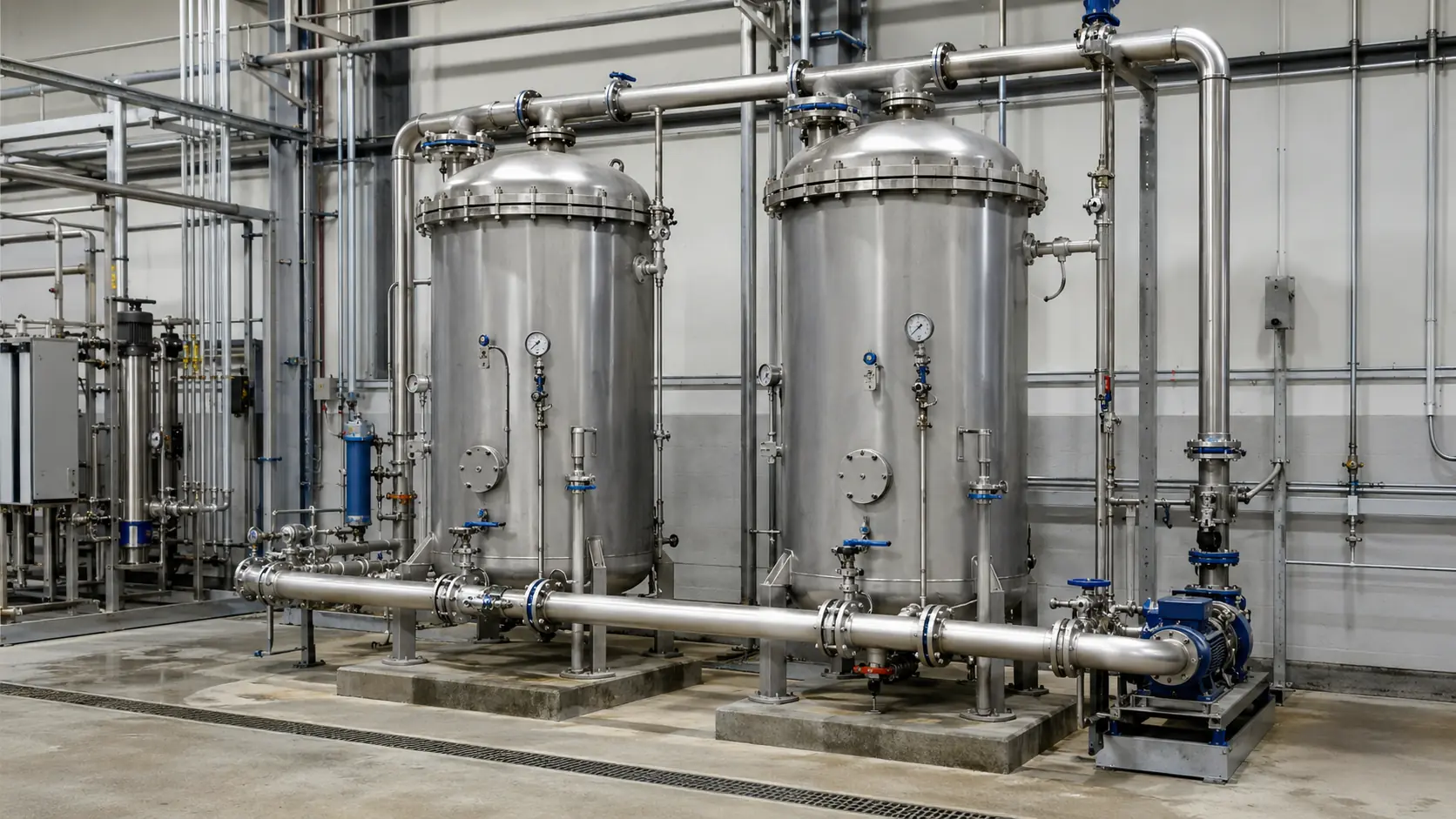
Granular activated carbon is selected when the process stream passes through a defined carbon bed. The system must distribute flow, retain the media and provide enough contact for the target substances to transfer from the fluid to the available adsorption sites.
Carbon grade and bed design must be reviewed together. A suitable material cannot correct severe channeling, inadequate bed depth, excessive velocity, solids fouling or an unsuitable vessel configuration. Likewise, a well-designed vessel cannot compensate for a grade whose pore structure and surface characteristics do not match the adsorption target.
Granular Activated Carbon
Compare GAC grades by application, raw material direction, particle size, physical strength, adsorption indicators, operating conditions and documentation requirements.
PAC Depends on Controlled Dosing, Contact and Separation
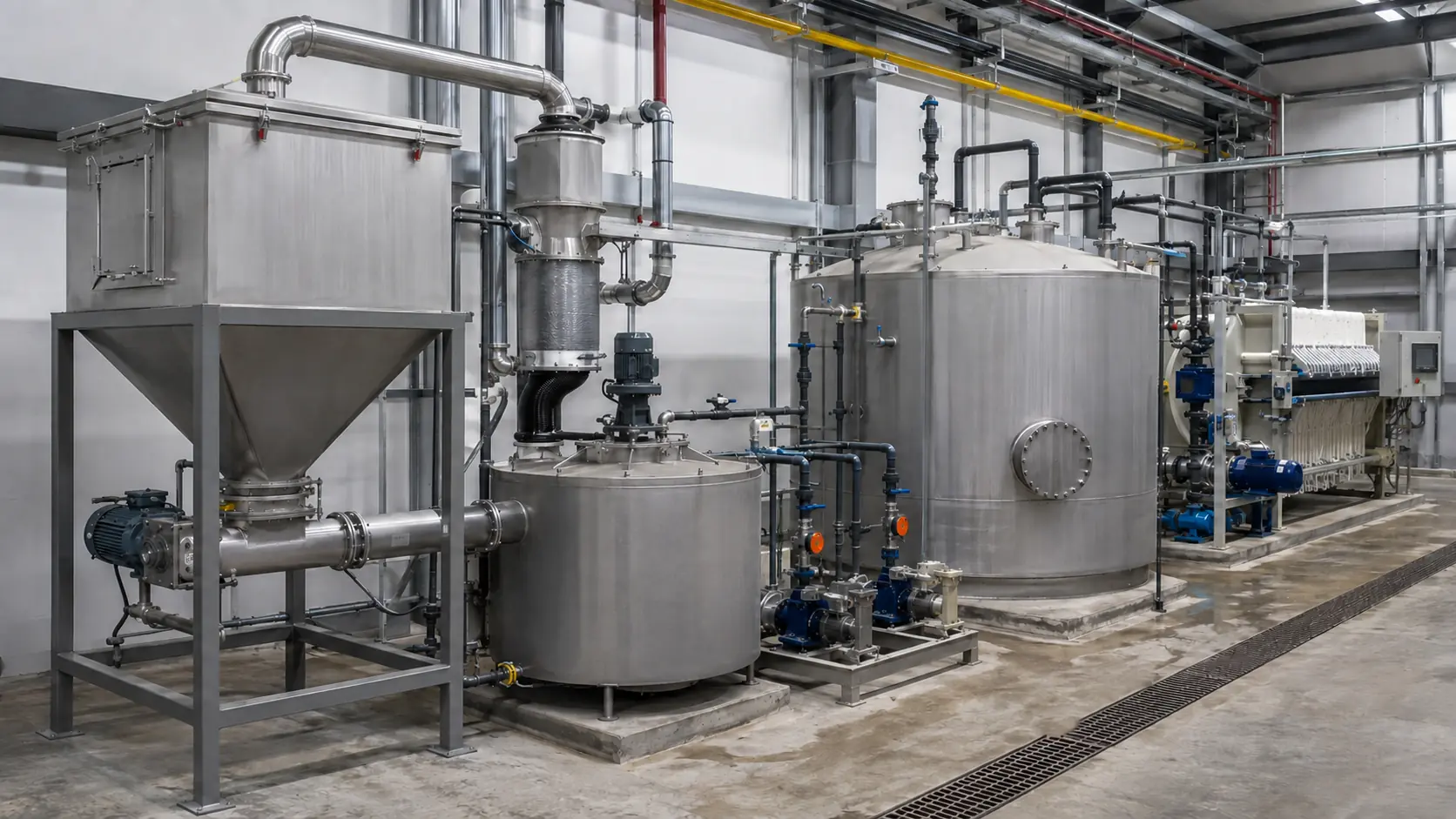
Powder activated carbon is introduced directly into a liquid or treatment stream. Its fine form can provide rapid contact, but successful use requires a complete operating route: safe storage and feeding, wetting or dispersion, sufficient mixing and contact, followed by reliable removal of the carbon and adsorbed substances.
A laboratory dosage cannot be transferred blindly to full-scale operation. Feed variability, pH, temperature, competing organics, mixing, residence time and filtration performance can change the result. PAC trials should measure both treatment effectiveness and the practical burden placed on downstream solids separation.
Powder Activated Carbon
Review PAC grade direction, powder fineness, adsorption target, process trials, sample availability, technical documents and packaging requirements.
Selection Factors Beyond GAC or PAC
After the process form is defined, compare grades using the properties connected to the target contaminant and operating method. Supplier values should be reviewed together with the stated test method and sample condition.
Target Substance
Define the actual color body, odor compound, organic contaminant, VOC or impurity rather than using only a broad phrase such as “purification.”
Raw Material and Pore Structure
Coal-, coconut-shell-, wood- and other carbon sources can lead to different pore distributions and physical properties. Match these to the adsorption duty.
Adsorption Indicators
Review iodine value, methylene blue value or other supplier data only when relevant to the application and when methods are sufficiently comparable.
Particle Distribution
For GAC, particle size affects retention, kinetics and head loss. For PAC, powder fineness affects feeding, dispersion and downstream separation.
Ash, Moisture and pH
Confirm specification limits and test methods where mineral content, delivered moisture, extract pH or process compatibility is important.
Strength and Fines
GAC hardness and abrasion influence handling and fines generation. PAC requires a controlled powder-handling and dust-management approach.
Competing Substances
Natural organic matter, oils, solvents, suspended solids and other components can occupy adsorption sites or interfere with contact and separation.
Supply and Documentation
Align samples, COA parameters, TDS, SDS, packaging, lot traceability, order volume and destination requirements before final purchase.
Validate Carbon Performance in the Intended Process
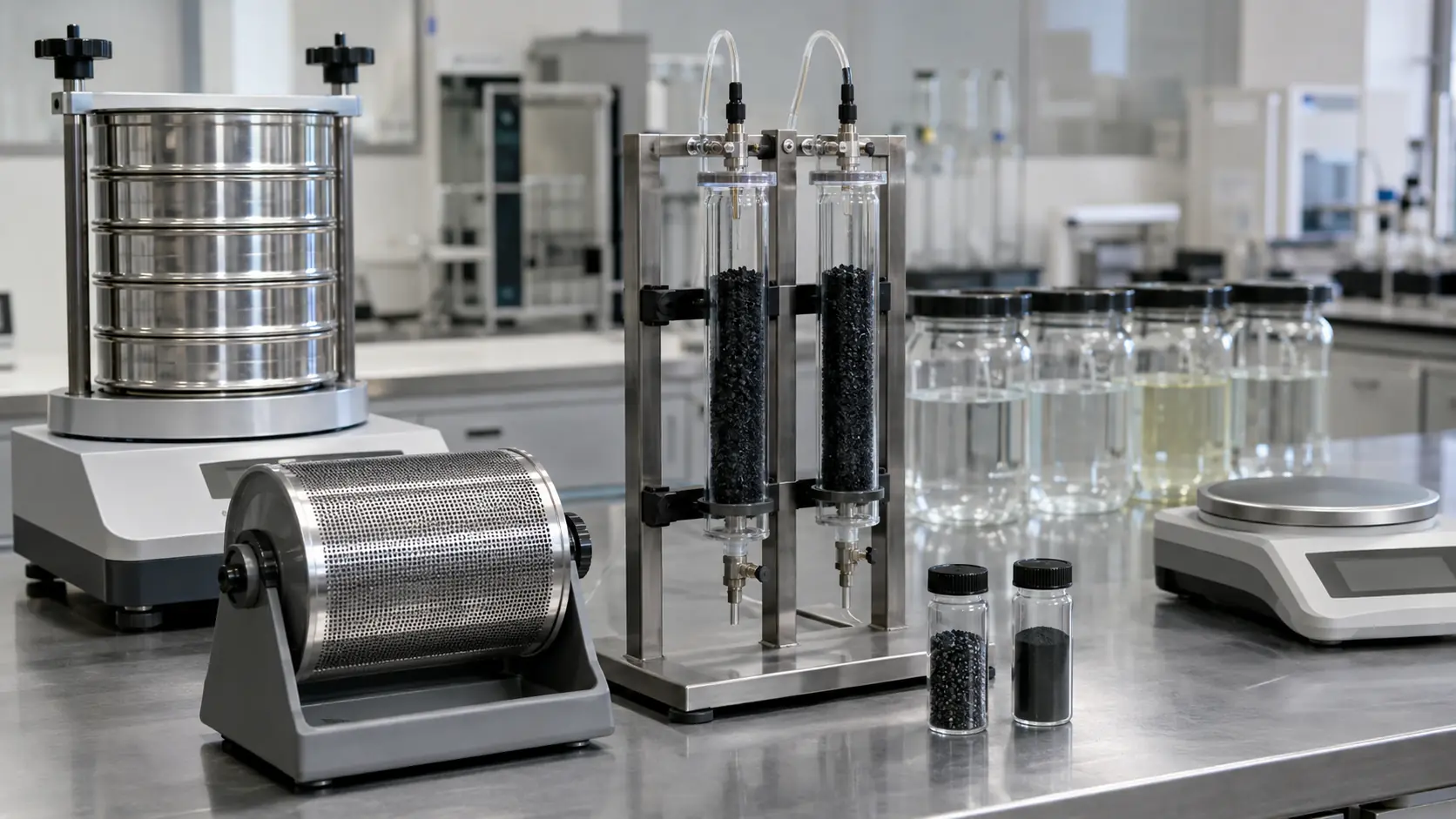
General product data helps screen options, but representative tests are needed when the feed is complex or the treatment target is critical. GAC can be evaluated using suitable isotherm, rapid small-scale column, pilot or operating data. PAC can be evaluated through controlled batch or jar tests that vary dose and contact time.
Record the raw water, liquid or gas composition, sample conditioning, carbon dose or bed parameters, analytical method and acceptance target. Results from different test methods or uncontrolled samples should not be treated as directly equivalent.
Define the Process
Confirm fixed-bed treatment or powder dosing, including the containment and separation route.
Describe the Feed
Provide composition, target contaminant, concentration, flow or batch volume and treatment objective.
Compare Grades
Review form, source, particle data, relevant adsorption indicators, physical properties and documents.
Validate the Choice
Use representative column, batch, pilot or plant data before committing to the final specification.
GAC vs PAC Activated Carbon FAQ
These answers clarify the main selection boundary. Final suitability depends on the selected carbon grade, treatment system, feed composition and validated performance.
What is the main difference between GAC and PAC?
GAC consists of granules normally retained in fixed-bed filters or adsorption vessels. PAC is a fine powder dosed into a liquid or process stream, mixed for contact and then removed by a suitable downstream separation process.
Is PAC more effective than GAC?
Not as a universal rule. PAC can provide rapid contact after dispersion, while GAC provides treatment through a retained bed. Removal performance depends on carbon grade, target contaminant, dose or bed design, contact conditions and the feed matrix.
Can PAC replace GAC in an existing filter?
No, not as a direct substitution. Fine PAC can cause very high pressure loss, carryover and retention problems in a bed designed for GAC. The system would require a suitable dosing, mixing and solids-separation route.
Can GAC be used for liquid decolorization?
GAC may be suitable for selected continuous or fixed-bed decolorization duties, while PAC is common in batch dosing and mixing processes. The choice should be tested against the liquid composition, color bodies, contact method, throughput and separation requirements.
Does a higher iodine value always mean better activated carbon?
No. Iodine value is one indicator and does not predict removal of every molecule. Pore distribution, surface chemistry, target contaminant, competing substances and process conditions must also be reviewed.
Can GAC be regenerated and reused?
Selected spent GAC may be suitable for off-site reactivation depending on the grade, adsorbed substances, quantity, contamination risk, logistics and economics. Suitability must be reviewed for the specific spent carbon; backwashing alone does not restore exhausted adsorption capacity.
What information should I send for GAC or PAC selection?
Send the process type, feed composition, target substance and concentration, required outlet target, flow or batch volume, temperature, pH, current carbon or reference grade, GAC vessel details or PAC dosage and contact plan, separation method, sample quantity and required documents.
Choose the Activated Carbon Form That Fits Your Process
Send your fixed-bed operating data or PAC dosing requirement. Adsorbent Source supplies industrial adsorbents and reviews the requested activated-carbon grade against the process data. Sample and document availability, packaging and quotation requirements can be checked for each inquiry.
TDS vs SDS vs COA for Adsorbents →
Adsorbent Packaging and Export Guide →