Liquid Decolorization Adsorbents
Liquid Decolorization Adsorbents help remove selected color bodies, odors and organic impurities from process liquids through direct contact with powder activated carbon. Adsorbent Source supplies powder activated carbon and reviews requested grade and sample requirements against the liquid composition, treatment target and downstream filtration method.
GAC vs PAC Activated Carbon →
TDS vs SDS vs COA for Adsorbents →
Contact, Adsorb and Separate
Powder activated carbon is dispersed into the liquid so its pore structure can contact and adsorb selected color-causing molecules and other organic impurities. Performance depends on more than a single carbon specification: the liquid matrix, pH, temperature, competing substances, carbon dosage, mixing intensity and contact time all affect the result.
After adsorption, the PAC must be removed from the treated liquid through filtration, clarification, settling or another confirmed solid-liquid separation method. The separation step is part of the process design, not an optional afterthought.
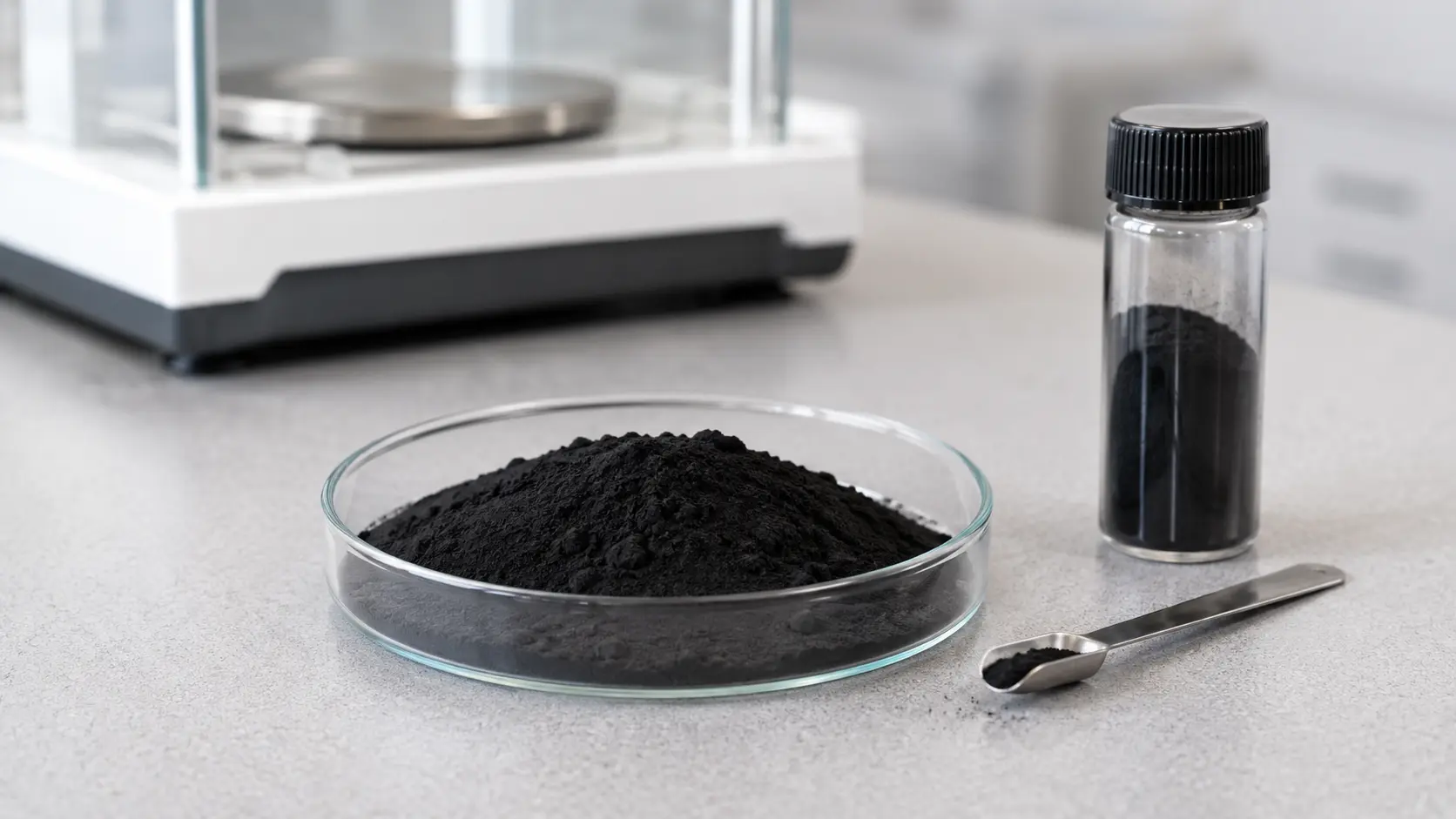
Powder Activated Carbon Is Used Differently from Granular Carbon
PAC is normally dosed into a batch or flowing liquid and removed after contact. Granular activated carbon is generally retained inside a fixed-bed vessel or filter. The correct form follows the process configuration and operating objective.
| Evaluation Area | Powder Activated Carbon | Granular Activated Carbon |
|---|---|---|
| Typical arrangement | Direct dosing, mixing and downstream solids separation | Fixed bed, adsorption column, filter vessel or cartridge |
| Operating pattern | Batch, intermittent or controlled continuous addition | Liquid passes through a retained carbon bed |
| Main design focus | Fineness, dispersion, dosage, contact time and filterability | Particle size, bed depth, flow, pressure drop and breakthrough |
| Carbon recovery | Spent powder leaves with filter cake, sludge or separated solids | Bed is replaced or regenerated according to service conditions |
| Best fit | Processes needing flexible dosing or rapid direct contact | Processes suited to continuous fixed-bed treatment |
Select Liquid Decolorization Adsorbents from Process Data
A high iodine value alone does not confirm decolorization performance. Compare the carbon grade against the actual liquid, target color bodies and downstream filtration requirements.
Liquid Composition
Identify the product or process liquid, solids content, viscosity, pH, temperature and substances that may compete for adsorption sites.
Treatment Target
Define the color concern, odor source, organic impurity and the required finished-liquid quality or process objective.
Carbon Indicators
Review iodine value, methylene blue value, ash, moisture, pH, raw-material direction and available manufacturer data.
Particle Size
Balance powder fineness and dispersion against settling behavior, filter loading, filter-cake formation and clarity requirements.
Dose and Contact
Establish a practical test range for PAC dosage, addition sequence, mixing intensity, contact time and treatment temperature.
Separation Method
Confirm the filter, filter aid, clarifier, settling step or other method used to remove spent PAC from the treated liquid.
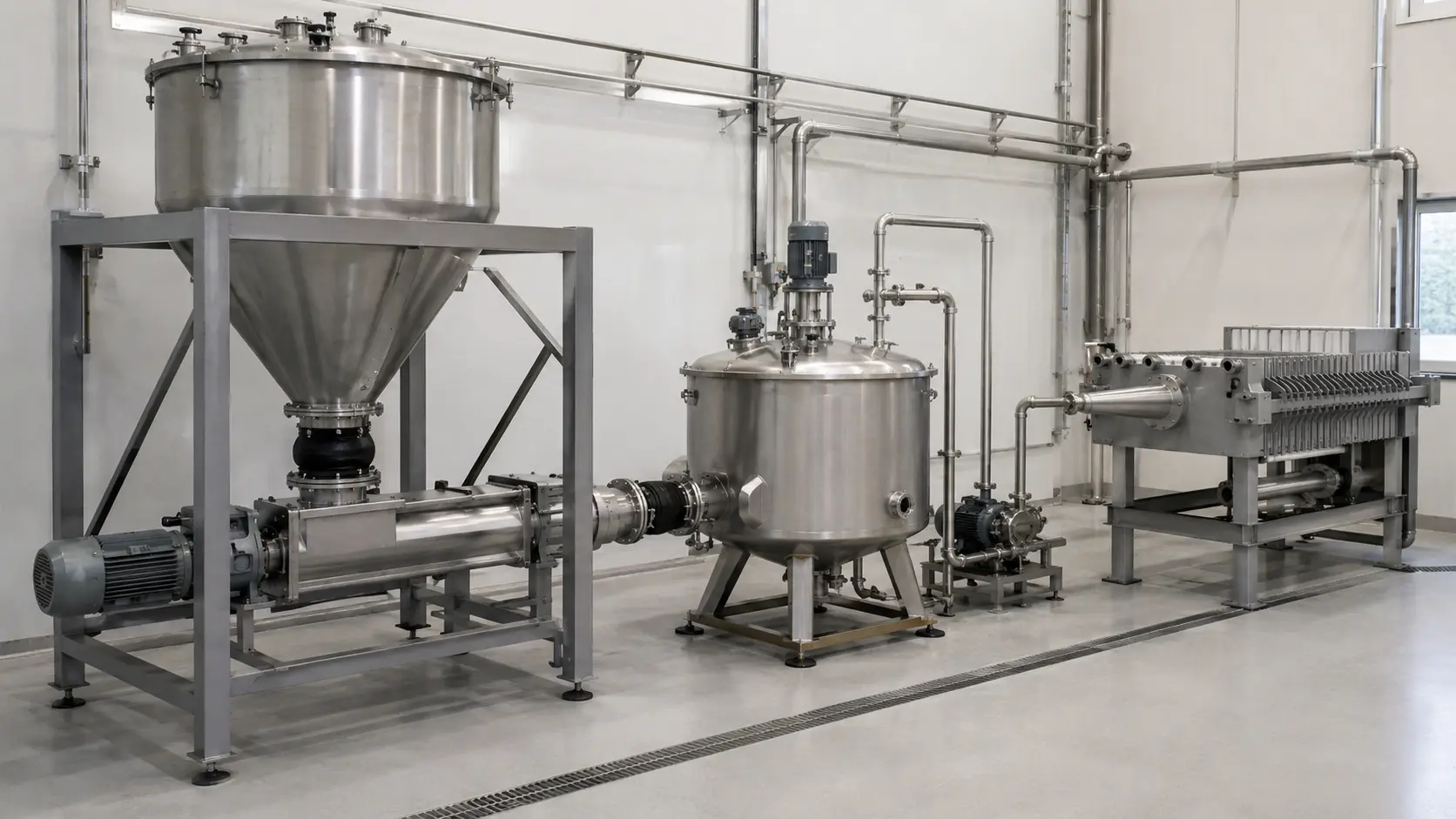
Build a Controlled PAC Treatment Path
A practical system keeps fine PAC contained during storage and metering, introduces it at a controlled rate, provides sufficient wetting and mixing, and transfers the contacted liquid to a suitable separation unit. Dust control, housekeeping and operator protection must be included in the site procedure.
System details vary with production scale, product hygiene requirements, liquid viscosity and filterability. Equipment design and operating settings remain the responsibility of the process owner and engineering team.
Prepare
Confirm feed condition and establish the PAC test or production dose.
Contact
Disperse PAC and maintain the required mixing and contact conditions.
Separate
Remove spent carbon with the confirmed filtration or clarification method.
Verify
Compare treated samples against the defined color and quality target.
Where Powder Activated Carbon May Support Liquid Decolorization
Suitability must be confirmed against the actual liquid sample, process conditions, downstream separation method and relevant product-contact or regulatory requirements.
| Process Area | Common Objective | Evaluation Focus |
|---|---|---|
| Industrial process liquids | Reduction of selected color bodies or organic impurities | Feed chemistry, competing substances, target color and filterability |
| Food or ingredient processing | Color adjustment in approved process routes | Product-contact grade, source documentation, residue control and applicable regulations |
| Chemical intermediates | Removal of selected colored by-products before the next process step | Solvent or liquid compatibility, pH, temperature, yield impact and separation |
| Water and wastewater streams | Adsorption of selected color, odor or organic contaminants | Contaminant profile, dosage, contact time, sludge handling and discharge objective |
| Batch purification | Flexible treatment of variable feed lots | Jar or bench testing, dosing control, repeatability and final filtration |
Confirm Performance with the Customer’s Liquid
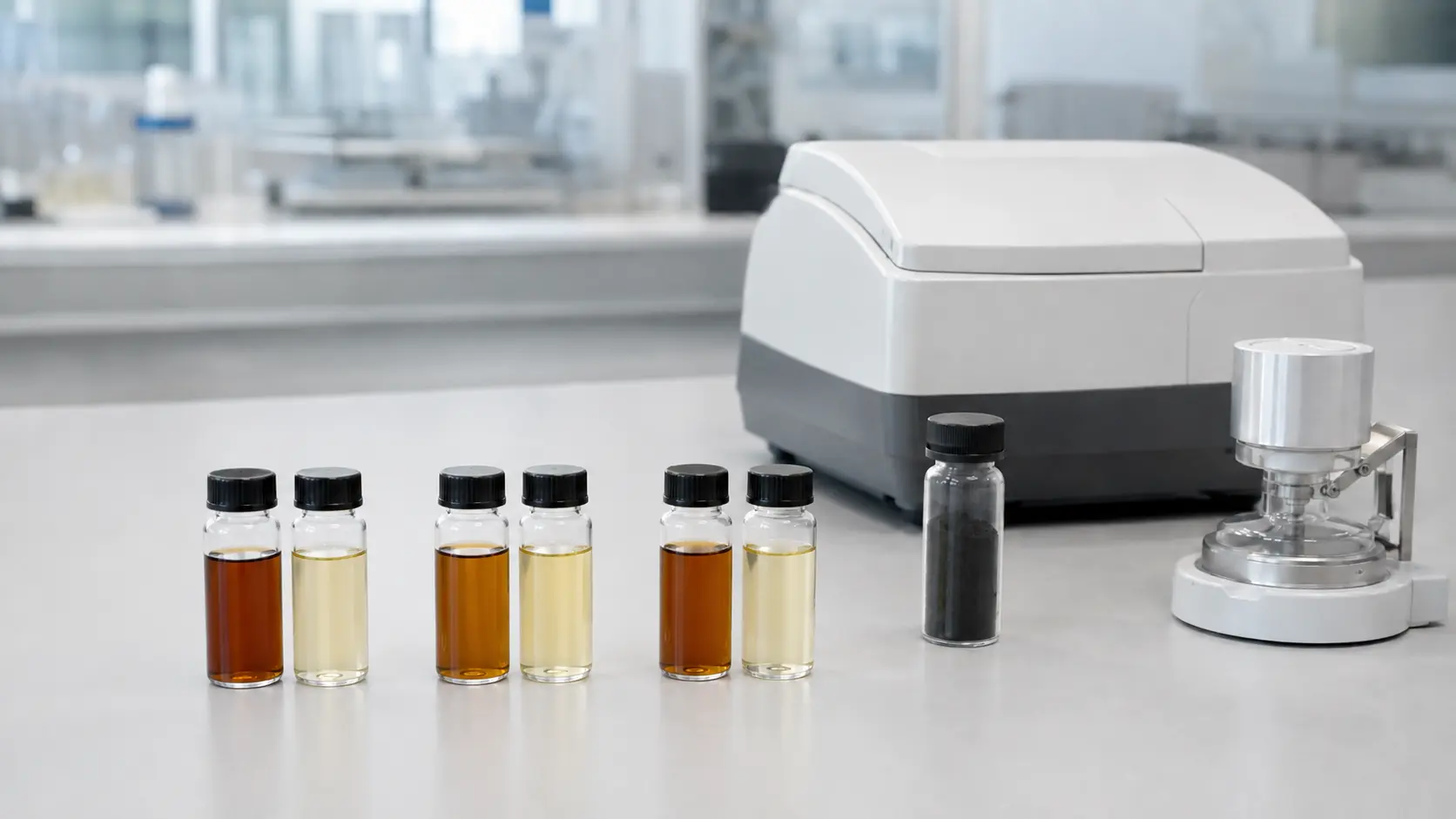
Side-by-side tests can compare untreated and treated samples across selected PAC grades or dosage levels. A useful evaluation records the carbon grade, dose, pH, temperature, mixing condition, contact time, filtration method and analytical result so the comparison can be repeated.
Powder Activated Carbon
Share the liquid description, target impurity or color concern, current treatment method, required quality, test quantity, bulk demand and document requirements. Adsorbent Source reviews the requested PAC grade and quotation requirements against the supplied liquid data. Sample, TDS, SDS, COA, packing and export-document availability can be checked for the grade and order.
Liquid Decolorization Adsorbents FAQ
How does powder activated carbon remove color from liquids?
PAC contacts the liquid and adsorbs selected color-causing molecules and organic impurities within its pore structure. The achievable result depends on the carbon grade, liquid chemistry and treatment conditions.
Can iodine value alone identify the best decolorization carbon?
No. Iodine value is one characterization indicator, but decolorization may also depend on pore-size distribution, methylene blue value, raw material, ash, pH, particle size and compatibility with the actual liquid.
How much PAC should be added?
There is no universal dosage. Establish a test range based on the liquid composition, initial color, target quality, PAC grade, pH, temperature, contact time, filtration method and process economics.
Must PAC be filtered out after treatment?
Yes, spent PAC normally requires filtration, clarification, settling or another validated solid-liquid separation step. The method should be confirmed before selecting powder fineness and production dosage.
Can PAC be used for food or pharmaceutical liquids?
Only a suitable product-contact grade with the required documentation and regulatory status should be considered. Application approval, validation and compliance remain specific to the product, process and destination market.
What information is needed to compare PAC grades?
Provide the liquid type and composition, pH, temperature, color or impurity target, current treatment, dosage range, contact time, mixing method, separation equipment, required documents and a representative sample when available.
Discuss Your Liquid Decolorization Requirement
Send your liquid description, target color or impurity, process conditions, filtration method and test quantity. Adsorbent Source can review powder activated carbon grade, sample availability and quotation requirements against the process data.