Catalyst Bed Support Media for Industrial Reactor Beds
Compare Catalyst Bed Support Media for fixed-bed reactors according to layer function, material composition, ball size, crush strength, thermal stability, chemical environment, distributor opening and approved reactor loading design.
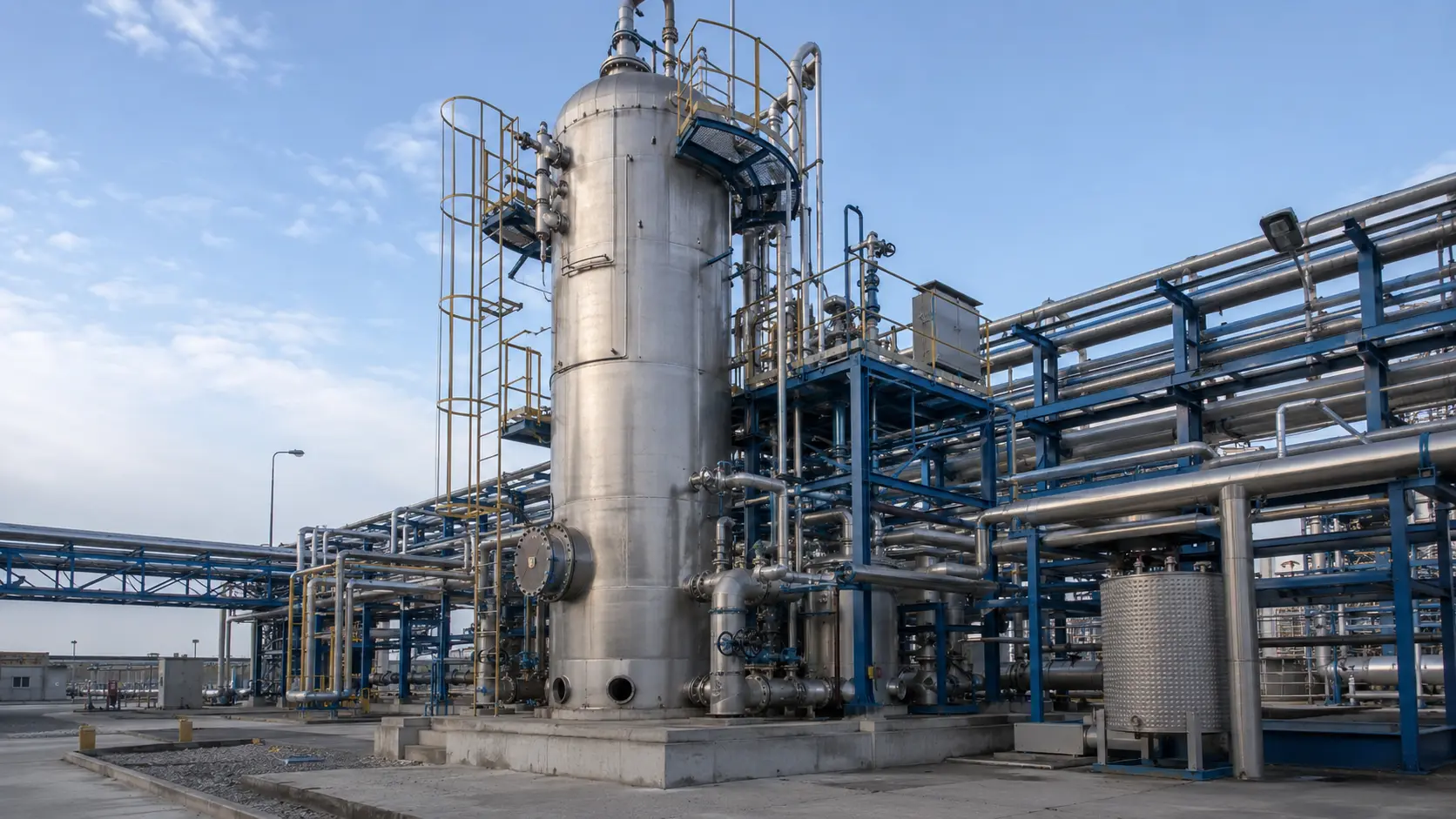
How Catalyst Bed Support Media Works Inside a Fixed-Bed Reactor
Catalyst bed support media is installed above a support grid or distributor and, in some designs, above the catalyst as a top layer. Its purpose is mechanical and hydraulic: it supports the active bed, helps protect smaller catalyst particles from large openings and can help maintain a stable flow path through the reactor cross-section.
The support layer is not the finished catalyst. Catalyst carriers may provide a porous structure for active catalytic components, while inert support balls are normally selected for bed support, grading, distribution or hold-down duty. These materials should not be treated as interchangeable.
Four Roles of Reactor Support Media
The correct media depends first on what the layer must do in the approved reactor design. One ball size or composition should not be assumed suitable for every position.
Support the Catalyst Bed
A mechanically stable bottom layer helps carry the catalyst bed above the support grid without excessive breakage or migration.
Bridge Size Differences
Graded layers can provide a controlled transition between large grid openings, support balls and smaller catalyst particles.
Maintain Flow Paths
Suitable size, roundness and loading arrangement can support even distribution while limiting unnecessary pressure loss.
Protect the Active Bed
Where specified, a top layer can help stabilize the surface and reduce disturbance during changes in flow or operating conditions.
Support Media Options for Reactor Bed Design
Material name alone is not a complete specification. Composition, size range, compressive strength, water absorption and resistance to the actual process environment should be reviewed together.
Inert Ceramic Balls
Dense ceramic balls commonly evaluated for bottom support, grading and selected top-layer duties in industrial reactors.
- Multiple ball diameters
- Mechanical support function
- Low-reactivity material direction
- Specification-based packing
Reactor Support Media
Support media selected around reactor position, distributor geometry, bed load, temperature and process chemistry.
- Bottom or top layer duty
- Single or graded sizing
- Custom project review
- Loading-plan review
Activated Alumina Catalyst Carrier
Porous alumina media used as a carrier in selected catalytic systems. It should not automatically replace dense inert support balls.
- Porous carrier structure
- Surface-area requirements
- Active-component support
- Reaction-specific evaluation
Select Ball Size From the Grid, Catalyst and Layer Position
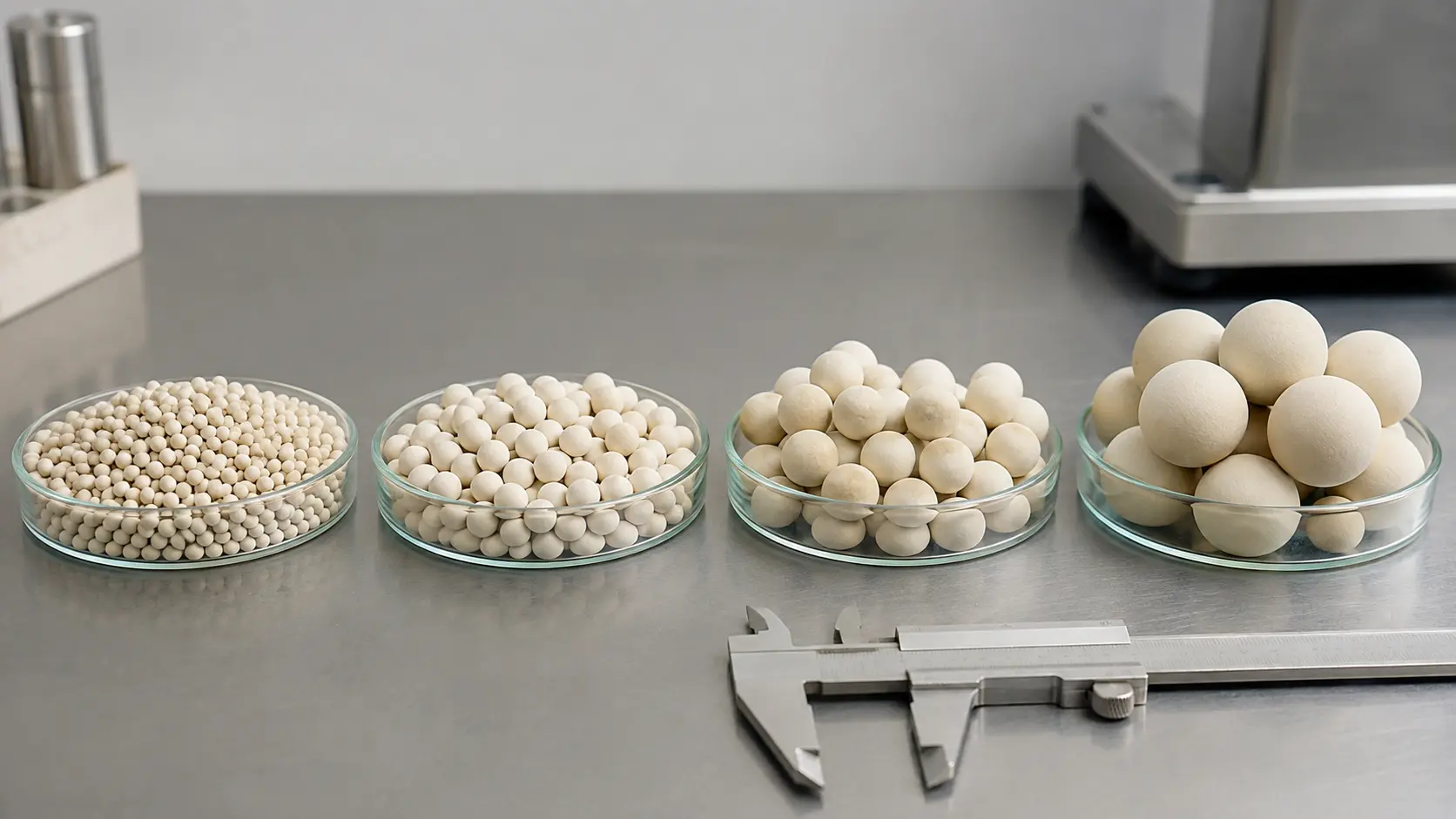
Support-ball diameter affects retention, void space, pressure drop and the transition into the active catalyst bed. The largest size is often positioned nearest the support structure, with smaller sizes used in successive grading layers where required by the loading drawing.
A purchasing description such as “ceramic ball” is therefore incomplete. The RFQ should state each diameter, layer thickness or quantity, required composition, strength basis and whether the media is for the bottom, top or another defined reactor position.
Typical Reactor Bed Positions and Selection Focus
This table explains common functions only. Actual layer sequence, thickness, size and quantity must follow the approved reactor design.
| Bed Position | Typical Function | Selection Focus | Data to Confirm |
|---|---|---|---|
| Support Grid Interface | Bridge distributor or grid openings and retain upper media. | Ball diameter, strength, contact geometry and stability. | Opening dimensions, grid type, allowable load and material compatibility. |
| Bottom Support Layer | Carry the catalyst bed and form a stable base. | Crush strength, roundness, size distribution and layer depth. | Bed load, reactor diameter, process direction and loading drawing. |
| Grading Layer | Transition between support media and smaller catalyst particles. | Size ratio, migration risk, void space and pressure-drop impact. | Adjacent particle sizes, number of layers and specified thickness. |
| Top Hold-Down Layer | Stabilize or protect the bed surface where the design specifies it. | Weight, size, thermal movement and flow disturbance. | Flow direction, startup conditions, top internals and approved layer duty. |
Six Factors to Confirm Before Ordering Support Balls
A complete comparison should connect the material specification with the mechanical, thermal and chemical conditions inside the reactor.
Use the Approved Loading Drawing as the Final Authority
Adsorbent Source supplies industrial adsorbents and reviews the requested media, specifications, sample, packaging and document requirements against the bed drawing and operating data. We do not replace the reactor licensor, process engineer or vessel designer responsible for the bed arrangement and structural limits.
Verify layer sequence, nominal diameter, layer thickness, calculated quantity, distributor opening, maximum support load, flow direction, thermal condition and chemical compatibility against the current approved project documents.
Check Bed Condition During a Planned Reactor Shutdown
When the reactor is isolated, cooled, depressurized and released under the site’s safety procedure, inspection may identify uneven bed surface, broken balls, dust, contamination, movement or loss of layer depth. Observations should be recorded before removing or replacing media.
Replacement decisions should consider the original loading record, service history, process upset history, pressure-drop trend, removed-media condition and the current approved maintenance plan.
Why a Reactor Support Layer Can Underperform
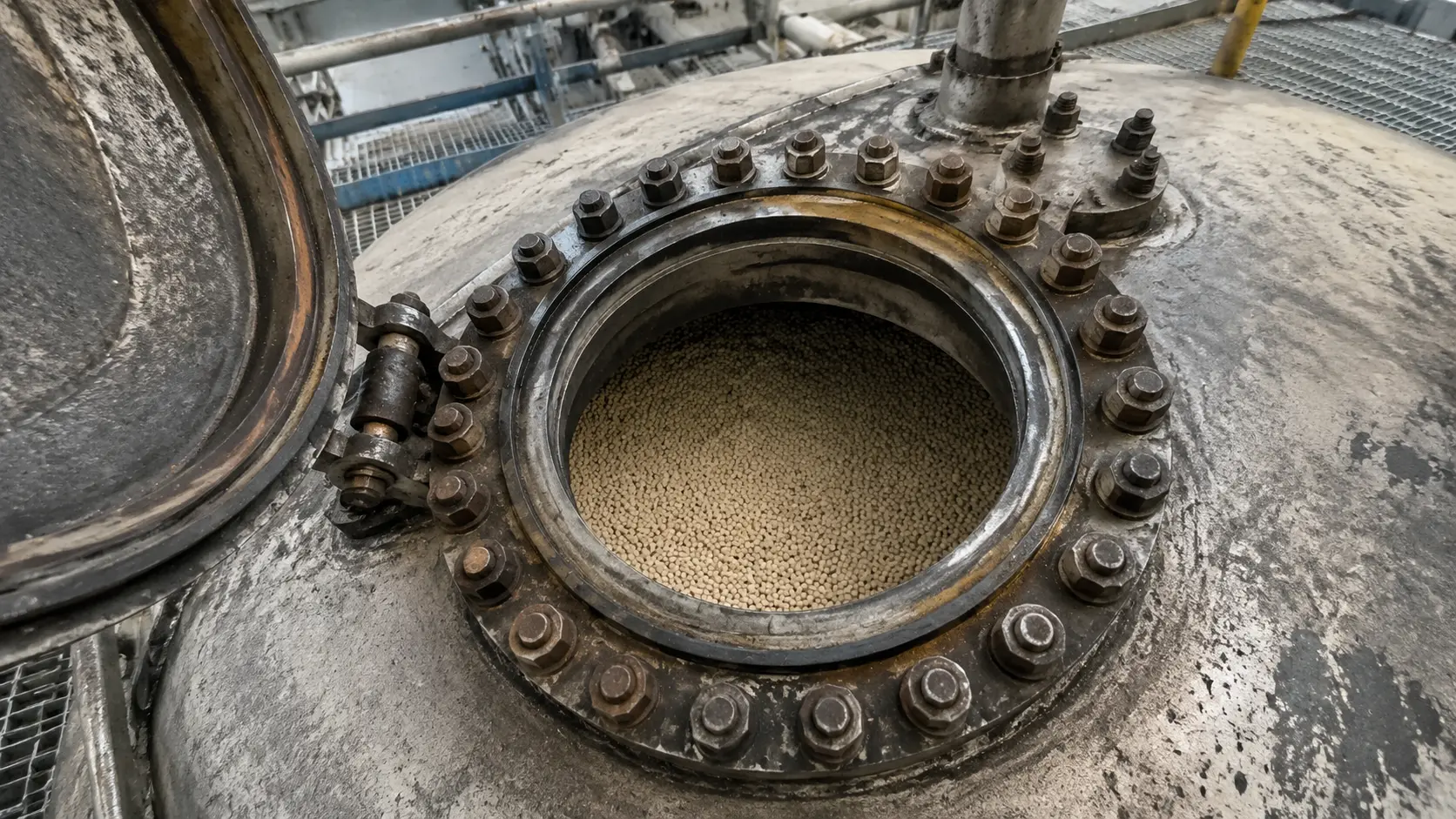
A support-media problem may originate from specification, loading, operation or maintenance. The cause should be investigated before a replacement grade is selected.
Information Needed for Catalyst Bed Support Media Review
Share the available reactor and loading information so the inquiry can be matched with the correct media family, size schedule, quantity, packaging and technical documents.
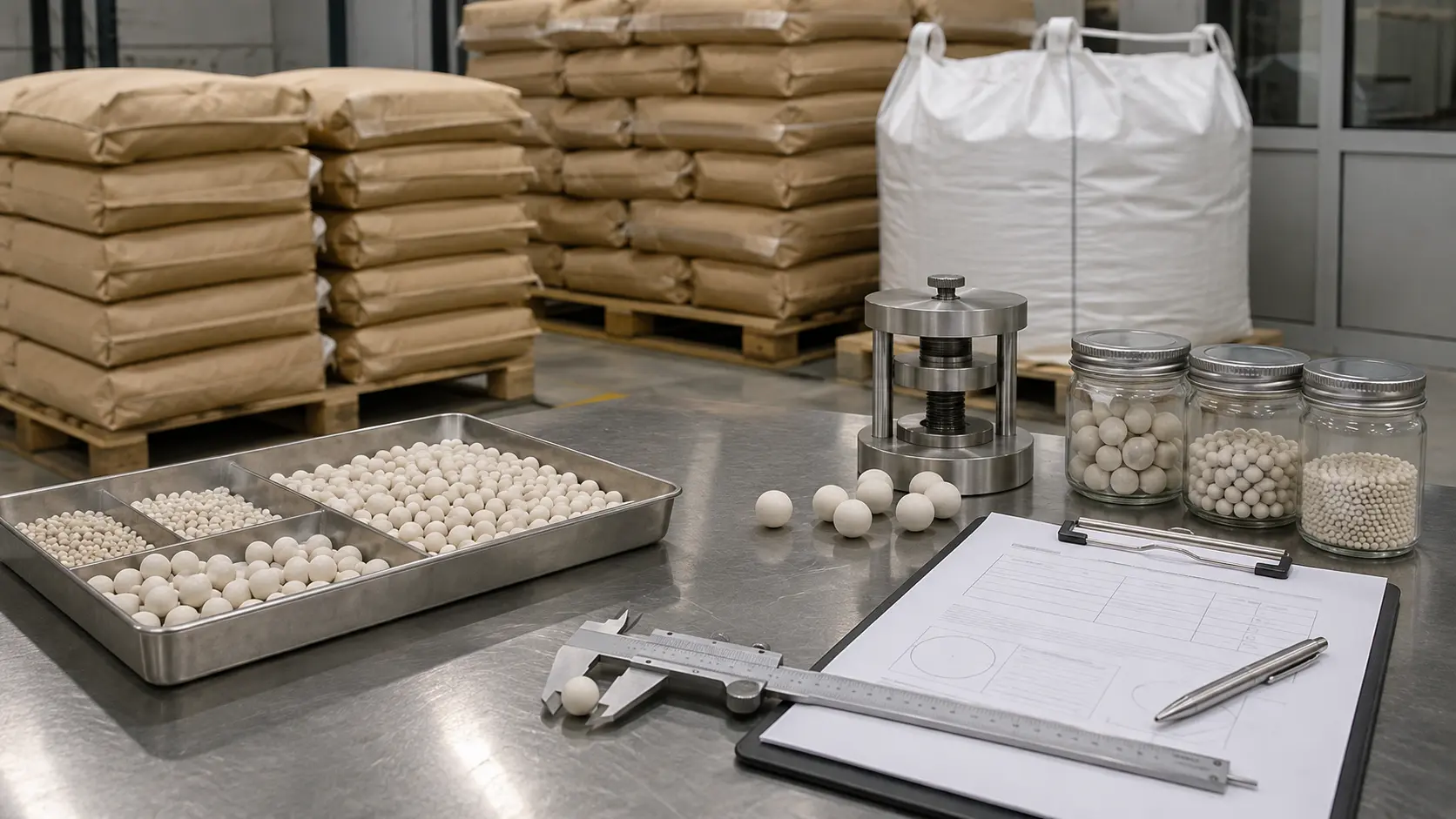
Keep Sizes Separated From Inspection Through Reactor Loading
Multi-size orders should identify each diameter clearly on the packing list and physical package. Separate packing helps reduce mix-ups during receiving, staging and loading. Pallet arrangement should also follow the planned loading sequence where practical.
Before shipment, the agreed inspection scope may include appearance, dimensions, bulk density, crush-strength records, chemical composition, packing quantity and document review according to the purchase specification.
Catalyst Bed Support Media Questions
Practical answers for buyers comparing inert ceramic balls and reactor support media for fixed-bed applications.
What is catalyst bed support media?
It is media installed in defined reactor layers to support, grade, stabilize or protect a catalyst bed. Dense inert ceramic balls are a common material route, but the final specification depends on reactor design.
Are inert ceramic balls the same as catalyst carriers?
Not necessarily. Inert ceramic balls are commonly used for mechanical support and grading. Catalyst carriers are porous support materials intended to carry active catalytic components in selected catalyst systems.
How is ceramic support-ball size selected?
Size should be confirmed from the support-grid or distributor opening, adjacent catalyst particle size, layer position, flow conditions and the approved reactor loading drawing.
Why are several ball sizes used in one reactor?
Multiple sizes may be arranged as graded layers to bridge the difference between large support openings and smaller catalyst particles while maintaining the intended void structure.
Is higher alumina content always better?
No. Alumina content can influence thermal and chemical properties, but the suitable composition depends on the process environment, temperature, strength requirement and approved specification.
Which crush-strength value should be compared?
Compare values reported with the same ball size, test method, sample conditioning and minimum or average basis. Numbers from different methods should not be treated as directly equivalent.
Can support balls be placed above the catalyst?
Some reactor designs specify a top hold-down or protection layer, while others do not. The position, size and depth must follow the approved loading plan.
What can cause broken support balls or excess fines?
Possible causes include inadequate strength, impact during handling, poor loading practice, excessive bed load, thermal shock, chemical attack, abrasion or long service exposure.
What information is needed for a quotation?
Provide the reactor service, layer position, material composition, diameter schedule, quantity by size, strength requirement, operating conditions, loading drawing, packing need and required documents.
Which support-media documents are available?
Sample availability and the availability of TDS, SDS, COA, packing information, inspection records or export documents are confirmed for the selected media and purchase requirement.
Match the Support Media to the Approved Reactor Loading Plan
Send the reactor service, loading drawing, layer position, composition, ball sizes, quantity schedule, strength requirement, operating conditions and required documents. Adsorbent Source can review the requested media, document availability and export-supply requirements against the reactor data, without changing the engineering basis of the reactor design.