Activated Alumina Catalyst Carrier Supplier for Industrial Catalysts
Adsorbent Source supplies activated alumina catalyst carrier for catalyst preparation, supported catalyst systems, petrochemical, refining, gas-treatment and selected industrial reaction applications. As an activated alumina catalyst carrier supplier in China, we support carrier-grade comparison, pore and surface-data review, particle-size confirmation, samples, TDS / SDS / COA, packaging and export quotation according to the catalyst formulation and reactor requirement.
Existing carrier grade, crush-strength requirement, reactor information or TDS can also be sent if available.
What Is Activated Alumina Catalyst Carrier?
Activated alumina catalyst carrier is a porous aluminum oxide material used as a support or carrier in selected catalyst systems. It provides structural support for active components and is commonly reviewed where pore structure, mechanical strength, surface properties and thermal stability are important.
Activated alumina catalyst carrier is a support material, not a finished catalyst. Final catalyst performance depends on the active component, formulation, preparation method, loading and operating condition. It should be selected according to the catalyst system rather than appearance alone. Surface area, pore volume, pore-size distribution, crush strength, attrition resistance and impurity profile vary by product grade and should be confirmed from the applicable technical data.
Adsorbent Source supports carrier-grade comparison, samples, technical-document review, packaging and export supply according to the confirmed catalyst-support requirement.
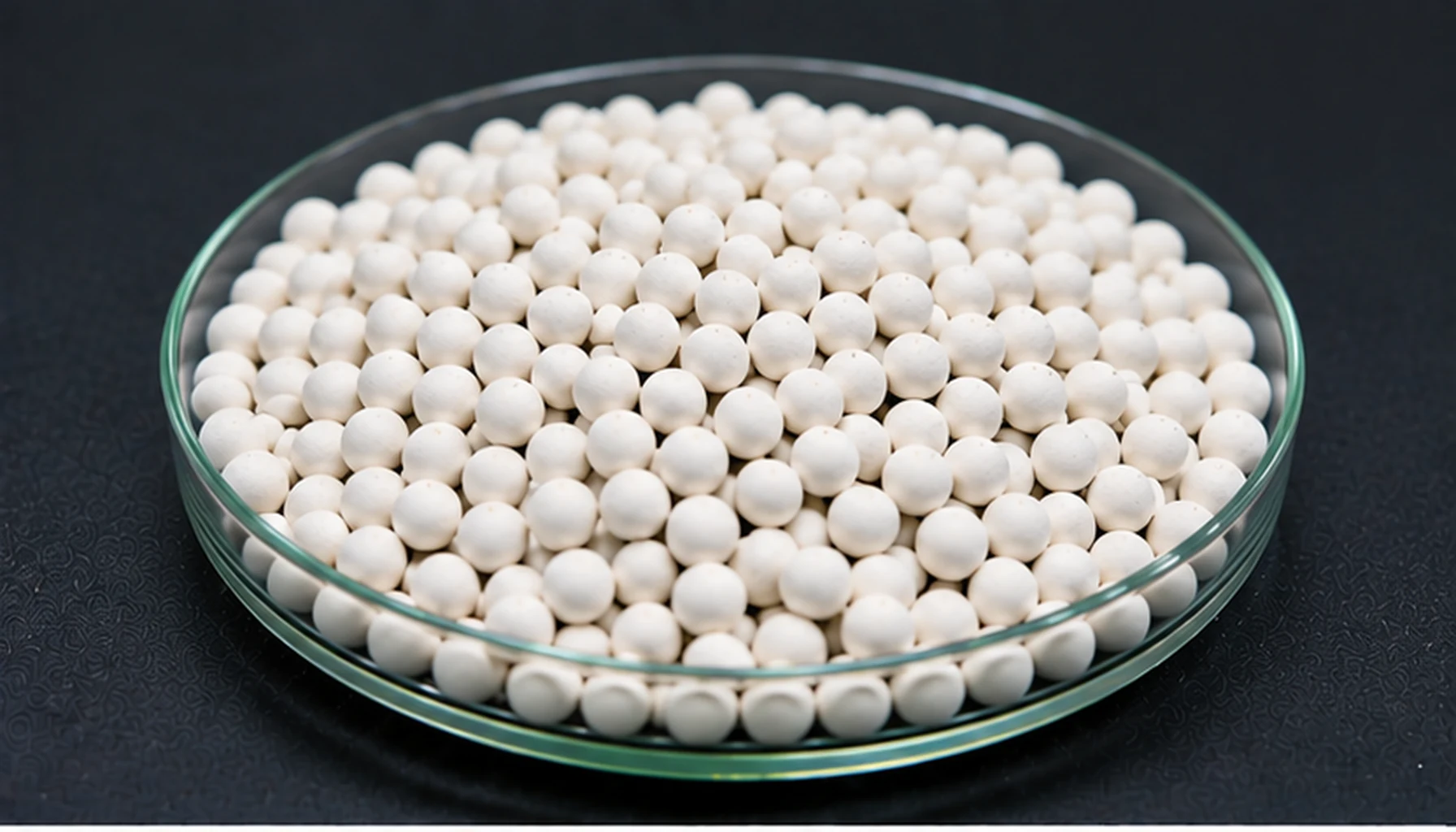
Activated Alumina Catalyst Carrier Compared with Activated Alumina Balls
Activated alumina balls and activated alumina catalyst carrier may look similar, but catalyst carrier selection focuses more on pore structure, surface properties, mechanical strength and compatibility with catalyst formulation.
| Item | Activated Alumina Balls | Activated Alumina Catalyst Carrier |
|---|---|---|
| Main Direction | Drying, water treatment, purification and general adsorption applications. | Catalyst support, carrier media and selected industrial catalyst applications. |
| Selection Focus | Adsorption target, particle size, pressure drop and media strength. | Pore structure, surface area, crush strength, thermal stability and catalyst formulation. |
| Typical Use | Air drying, fluoride removal, gas purification or water treatment systems. | Catalyst preparation, reactor support and selected industrial catalyst systems. |
| Confirmation Needed | Application, inlet condition, particle size, filling quantity and documents. | Active component, pore data, surface area, mechanical strength, thermal condition, reactor design and applicable product technical data. |
Where Activated Alumina Catalyst Carrier Is Used
Activated alumina catalyst carrier is mainly reviewed for catalyst support and reactor-related applications where structure, pore data and mechanical strength need to match the catalyst system.
Catalyst Support Media
Reviewed as support media where active catalyst components require suitable pore structure and mechanical strength.
Petrochemical Catalyst Systems
Used in selected petrochemical catalyst applications depending on reaction condition and formulation requirement.
Refining and Gas Treatment
Reviewed for refining, gas purification or treatment systems where catalyst carrier properties need to be confirmed.
Hydrogenation Catalyst Support
Considered in selected catalyst systems where alumina support properties match formulation and operating conditions.
Reactor Bed Applications
Used in reactor-related projects where particle size, strength, pressure drop and bed stability are important.
Custom Catalyst Preparation
Reviewed when buyers need a carrier grade for further impregnation, coating or catalyst preparation work.
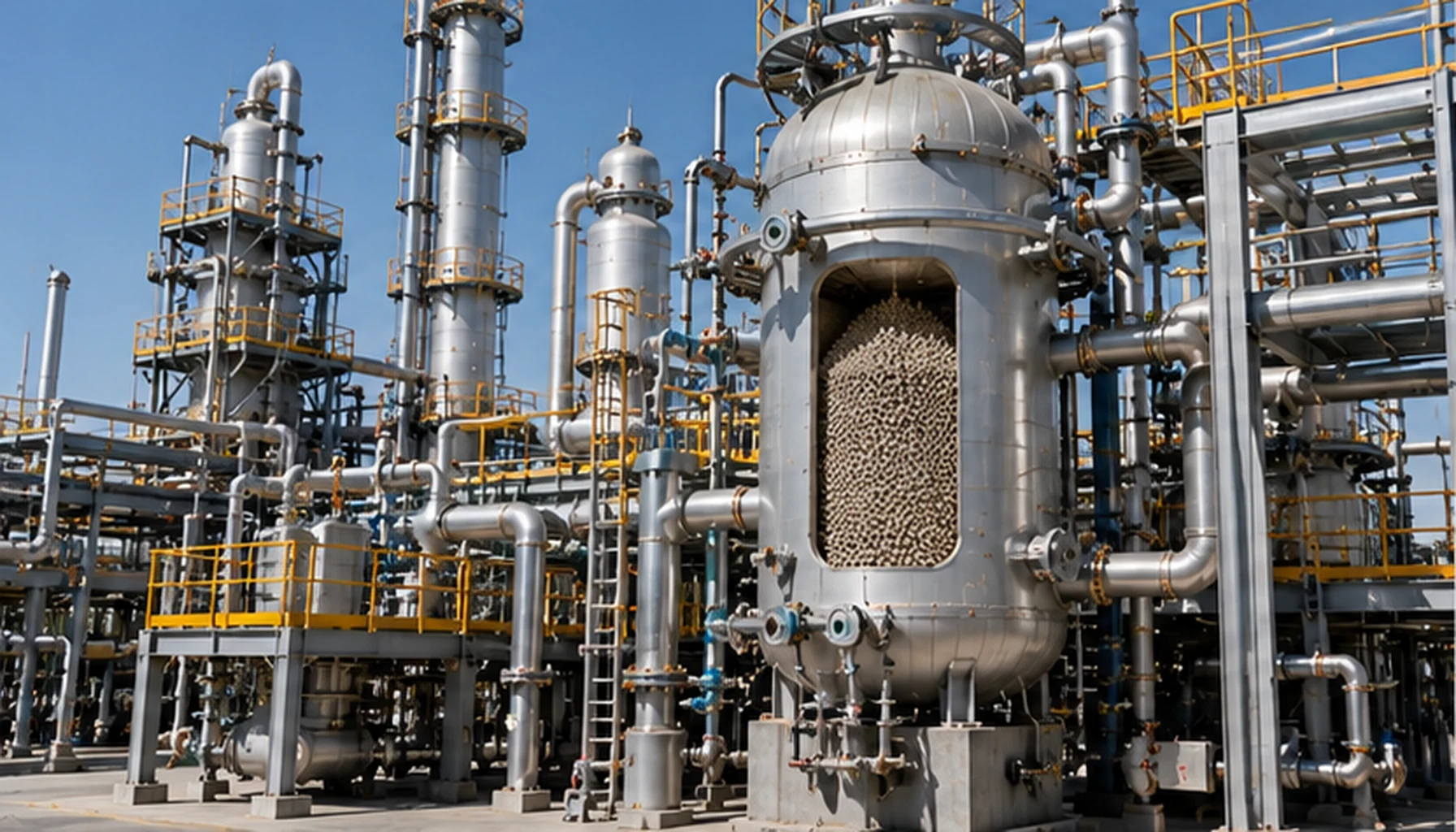
Information Needed Before Selecting Activated Alumina Catalyst Carrier
Catalyst carrier selection should be based on catalyst formulation and reactor condition. The following information helps compare suitable carrier grade, particle size, pore data and documentation requirements.
Catalyst System
Application direction, catalyst system and active component or formulation plan.
Pore Structure
Required pore volume, pore size distribution and surface area direction.
Particle Form
Spherical balls, beads or selected carrier forms according to reactor design.
Mechanical Strength
Crush strength, attrition resistance, dust-control and handling requirements.
Operating Condition
Operating temperature, pressure, reaction environment and thermal condition.
Reactor Design
Reactor or vessel information, bed structure, pressure drop and loading condition.
Existing Carrier
Existing carrier grade, current technical data and replacement reason.
Document Needs
TDS, SDS, COA, packing information and destination country.
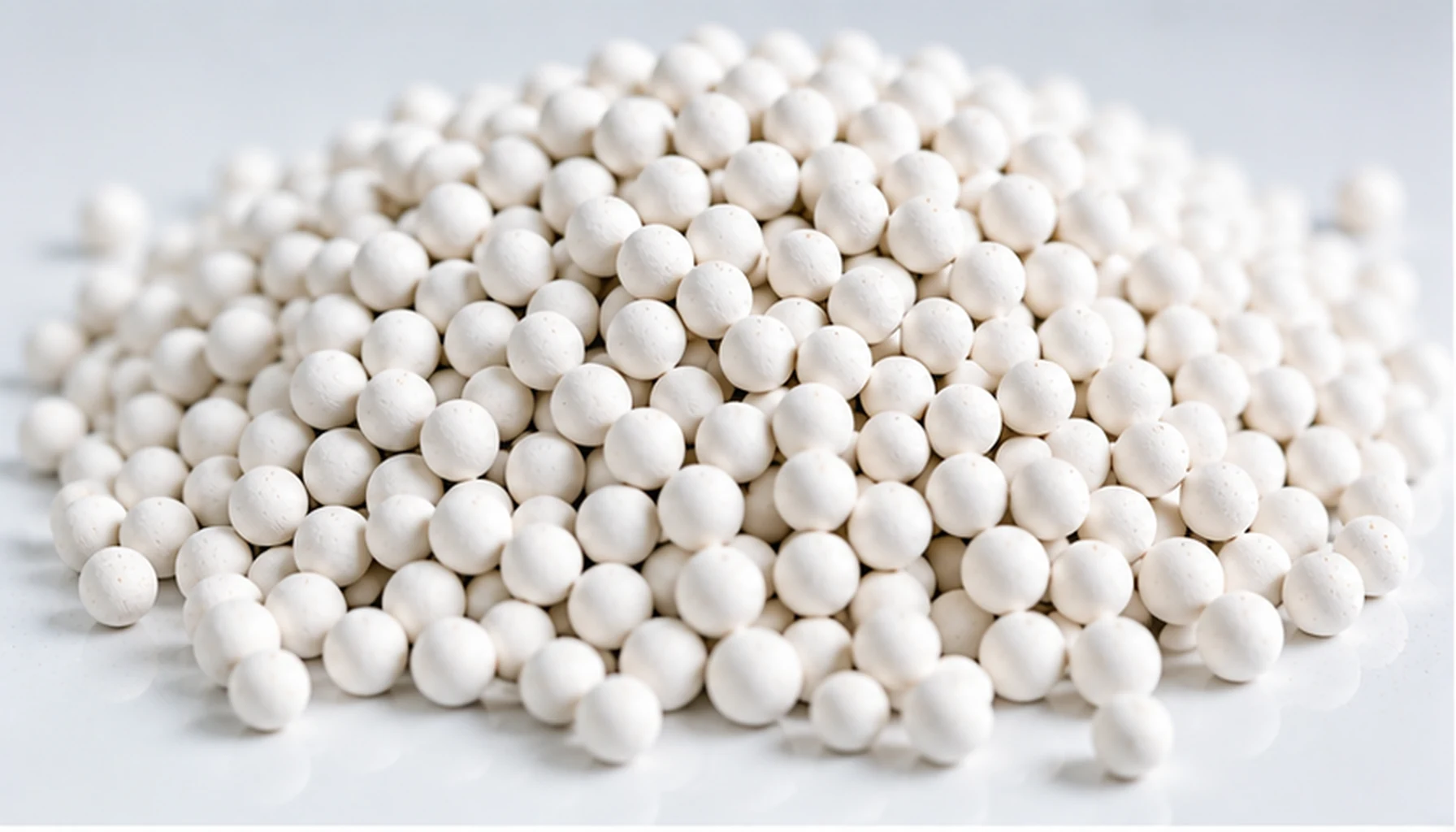
Particle Size, Pore Data and Mechanical Strength
Activated alumina catalyst carrier grades should be compared through technical data, not only product appearance. Surface area, pore volume, pore size distribution, crush strength, attrition resistance and impurity profile should be reviewed before final procurement.
- Carrier grade reviewed according to catalyst formulation and active component
- Particle size selected according to reactor design and pressure-drop condition
- Pore structure and surface area confirmed from applicable product technical data
- Samples and available COA / technical documents confirmed according to project requirements
Common Activated Alumina Catalyst Carrier Supply Information
Adsorbent Source supplies activated alumina catalyst carrier according to the confirmed carrier grade, catalyst formulation, particle-size requirement and reactor condition. Technical documents, packaging and export information can be reviewed before order confirmation.
| Item | Common Options |
|---|---|
| Product Type | Activated Alumina Catalyst Carrier |
| Form | Spherical balls, beads or selected carrier forms according to the confirmed carrier grade and application requirement |
| Typical Size | Confirm according to catalyst system, reactor design and pressure-drop requirement |
| Main Use | Catalyst support, carrier media, gas treatment and selected petrochemical catalyst applications |
| Packaging | Bags, drums, cartons or palletized export packaging according to quantity, handling and shipment requirement |
| Documents | TDS, SDS, COA, packing information and applicable export documents can be confirmed before shipment |
Activated Alumina Carrier for Catalyst Preparation
For catalyst preparation projects, activated alumina carrier selection is closely related to pore structure, surface area, active component loading, crush strength, attrition resistance and reaction environment. A suitable carrier grade should be selected based on the actual catalyst formulation and operating conditions.
Adsorbent Source reviews catalyst-preparation requirements, compares suitable carrier grades, and supports samples, technical documents, packaging and export supply according to the confirmed formulation and reactor requirement.
Pore Structure Review
Review pore volume, pore size distribution and surface area direction.
Surface Area and Strength
Compare surface properties, crush strength and attrition resistance.
Particle Size Check
Match particle size with reactor design and pressure-drop requirement.
TDS and COA Comparison
Review technical data and certificate information before procurement.
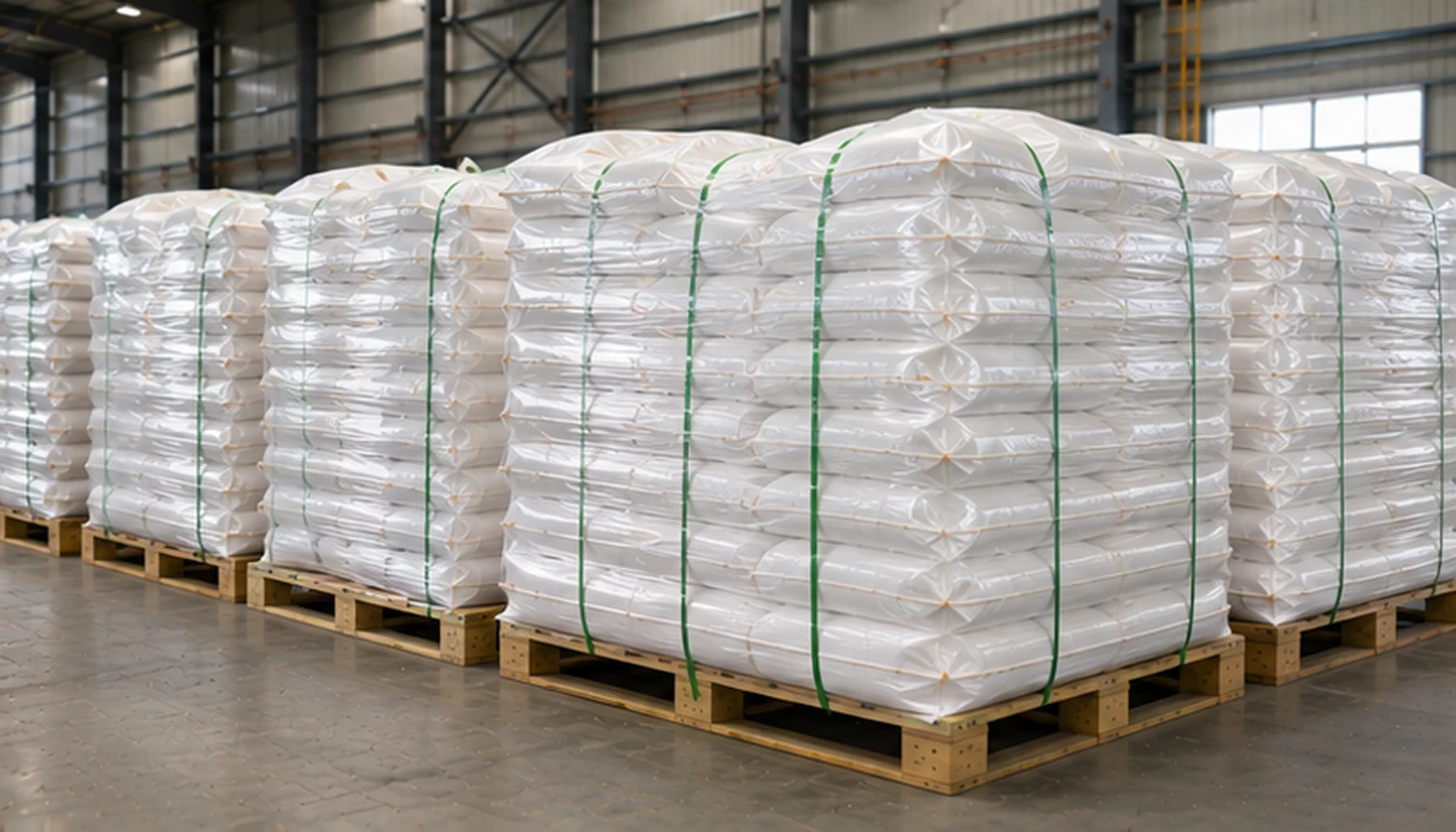
Activated Alumina Catalyst Carrier Supplier Support
Adsorbent Source supplies activated alumina catalyst carrier for catalyst preparation and supported catalyst systems. Carrier grade, pore data, surface area, particle size, mechanical strength, samples, technical documents, packaging and export quotation are reviewed according to the confirmed catalyst formulation and purchasing requirement.
Catalyst Requirement Review
Review catalyst system, active component, formulation direction, operating condition and reactor requirement.
Carrier Grade Comparison
Compare carrier options according to pore structure, surface area, particle form, crush strength, attrition resistance and applicable technical data.
Samples & Technical Documents
Confirm available samples, TDS, SDS, COA and packing information for the selected carrier grade.
Packaging & Export Supply
Confirm packaging, palletizing, quantity, destination and shipment requirements before order confirmation.
Replacement Activated Alumina Catalyst Carrier
For replacement projects, do not match catalyst carrier only by appearance or particle size. Compare the existing carrier grade, catalyst system, active component, pore and surface data, particle size, crush strength, attrition resistance, operating temperature, reactor design, filling quantity and replacement reason before confirming a replacement direction.
- Existing carrier grade
- Catalyst system
- Active component / formulation
- Particle size
- Surface area / pore data
- Mechanical strength
- Reactor information
- Filling quantity
- Replacement reason
Request an Activated Alumina Catalyst Carrier Quote
Already know the carrier grade, particle size and required quantity? Send those first for an initial quotation. Full catalyst formulation, pore-data and reactor information are mainly required when carrier-grade selection or replacement matching is needed.
Contact Adsorbent SourceAdsorbent Source will review the requirement and confirm the applicable carrier direction, quotation basis, available samples and technical-document scope.
Recommended Information for RFQ
- Application
- Catalyst system
- Active component or formulation direction
- Required surface area
- Pore volume or pore size requirement
- Particle form
- Particle size
- Crush strength requirement
- Attrition or dust-control requirement
- Operating temperature
- Operating pressure
- Reactor or vessel information
- Existing carrier grade
- Estimated quantity
- Destination country
- Required documents
- Filling quantity if replacement project
Activated Alumina Catalyst Carrier Questions
What is activated alumina catalyst carrier used for?
Activated alumina catalyst carrier is used as a support or carrier material in selected catalyst systems where pore structure, surface area, mechanical strength and thermal stability are important.
What is the difference between activated alumina balls and catalyst carrier grade?
Activated alumina balls may be used for drying, water treatment or general adsorption. Catalyst carrier grade is selected with stronger focus on pore structure, surface area, crush strength, impurity profile and catalyst formulation needs.
How do I choose activated alumina catalyst carrier?
Selection should be based on catalyst system, active component, pore volume, surface area, particle size, crush strength, operating temperature, reactor design and manufacturer technical data.
What properties are important for catalyst carrier selection?
Important properties may include surface area, pore volume, pore size distribution, particle size, crush strength, attrition resistance, impurity profile and thermal stability.
Can activated alumina be used as catalyst support?
Activated alumina can be used as catalyst support in selected systems when its structure, pore properties and mechanical strength match the catalyst formulation and operating conditions.
What information is needed before selecting a catalyst carrier?
Key information includes catalyst system, active component, required pore data, surface area, particle form, particle size, strength requirement, operating condition, reactor design and document requirements.
What documents can Adsorbent Source provide?
Available documentation may include TDS, SDS, COA, packing information and applicable export documents according to the confirmed carrier grade and order requirement.
Does Adsorbent Source support samples?
Yes. Sample availability can be confirmed according to the catalyst system, carrier-grade requirement, particle size, technical-data requirement, quantity, destination country and evaluation need.
For catalyst-carrier replacement review, compare the existing carrier data with the Activated Alumina Replacement Specification where applicable.
For catalyst-carrier loading review, compare vessel and particle data with the Activated Alumina Bulk Density & Loading Guide where applicable.
For catalyst-carrier sample review, compare the existing formulation and technical data with the Activated Alumina Sample Evaluation Checklist where applicable.