
Refrigerant Molecular Sieve for Refrigerant Drying and HVAC Moisture Control
Adsorbent Source supplies refrigerant molecular sieve adsorbents for refrigerant drying, filter driers, refrigeration systems, air-conditioning equipment and selected HVAC moisture-control applications. We help buyers compare suitable molecular sieve grades according to refrigerant type, moisture target, particle size, filter drier structure, compatibility requirement, packaging and documentation needs.
What Is Refrigerant Molecular Sieve?
Refrigerant molecular sieve is a zeolite adsorbent used for moisture removal in refrigerant systems and filter driers. Moisture in refrigerant circuits can affect system stability, component life and drying performance, so the adsorbent grade should be selected according to the refrigerant and system design.
Refrigerant molecular sieve is commonly reviewed for filter driers, refrigeration equipment, air-conditioning systems, heat pump systems and selected refrigerant handling applications where moisture control is required.
Refrigerant molecular sieve should not be selected only by general molecular sieve type. Refrigerant compatibility, particle size, binder system, adsorption data, dust control and filter drier design should be reviewed before final procurement.
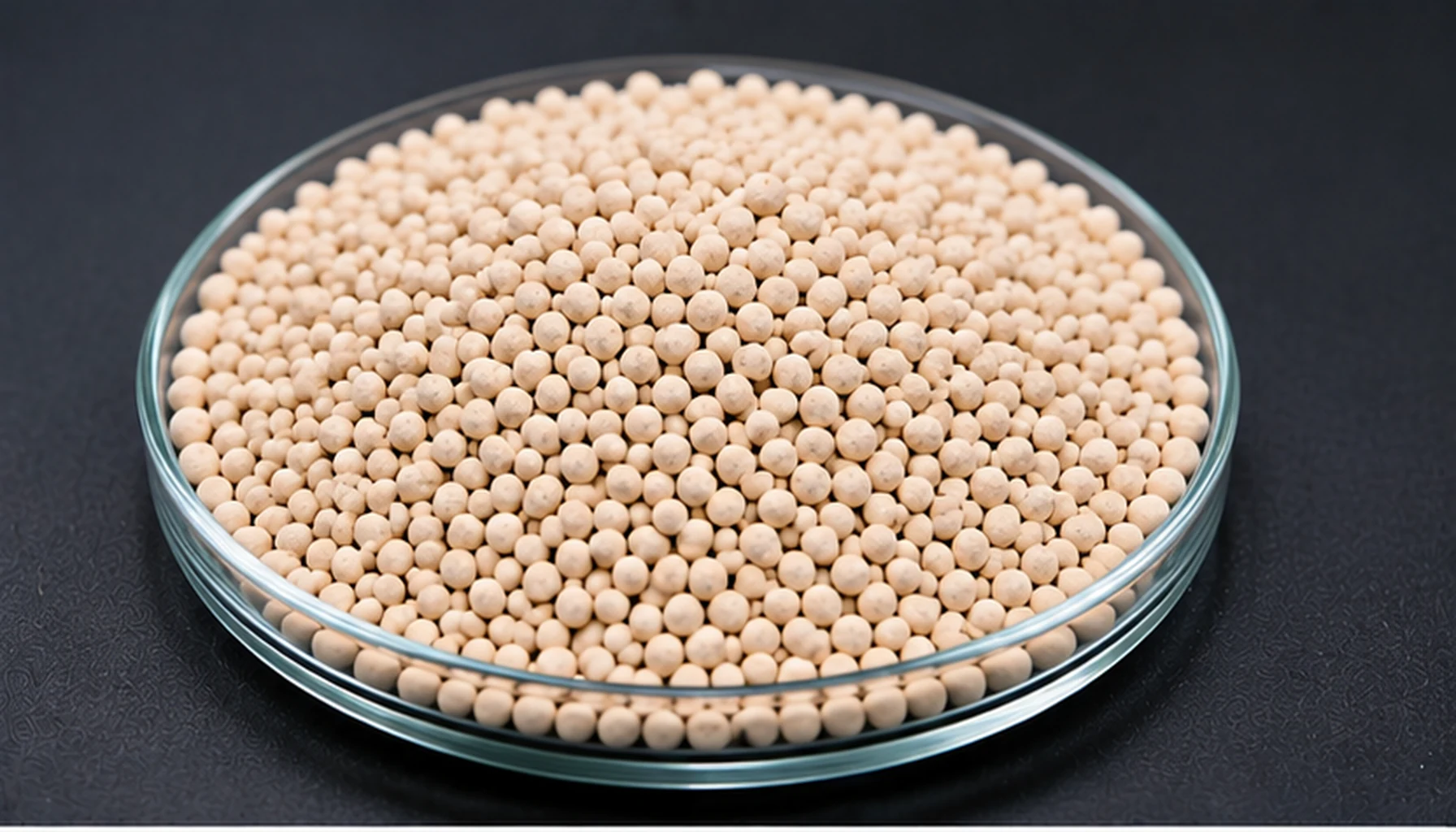
Refrigerant Molecular Sieve Compared with General 3A and 4A Molecular Sieve
Refrigerant drying applications require more than a general molecular sieve name. Refrigerant type, compatibility, dust control and filter drier structure should be reviewed together with adsorption performance data.
| Item | General 3A / 4A Molecular Sieve | Refrigerant Molecular Sieve |
|---|---|---|
| Main Direction | General gas drying, liquid drying, compressed air dehydration or static drying. | Refrigerant drying, HVAC moisture control and filter drier use. |
| Selection Focus | Moisture adsorption, process medium, outlet moisture and regeneration condition. | Refrigerant compatibility, dust control, particle size, drying performance and system stability. |
| Typical Use | Compressed air, gas, solvent, packaging or general drying applications. | Refrigeration, air conditioning, heat pump and refrigerant filter drier systems. |
| Confirmation Needed | Medium, moisture target, temperature, pressure, flow rate and equipment design. | Refrigerant type, drier design, particle size, moisture target, compatibility requirement and TDS. |
Where Refrigerant Molecular Sieve Is Used
Refrigerant molecular sieve is mainly reviewed for refrigerant drying and moisture-control applications where system compatibility and clean operation are important.
Filter Driers
Used in filter drier systems where moisture adsorption and particle compatibility are important.
Refrigeration Systems
Reviewed for refrigeration circuits where refrigerant moisture control is required.
Air Conditioning Equipment
Applied in selected air-conditioning systems depending on refrigerant type and drying requirement.
Heat Pump Systems
Used in selected heat pump applications where refrigerant circuit moisture should be controlled.
Refrigerant Handling and Filling
Reviewed for moisture-control steps related to refrigerant handling, filling or system preparation.
Replacement Adsorbent Projects
Used when replacing existing filter drier adsorbent after grade, particle size and compatibility confirmation.
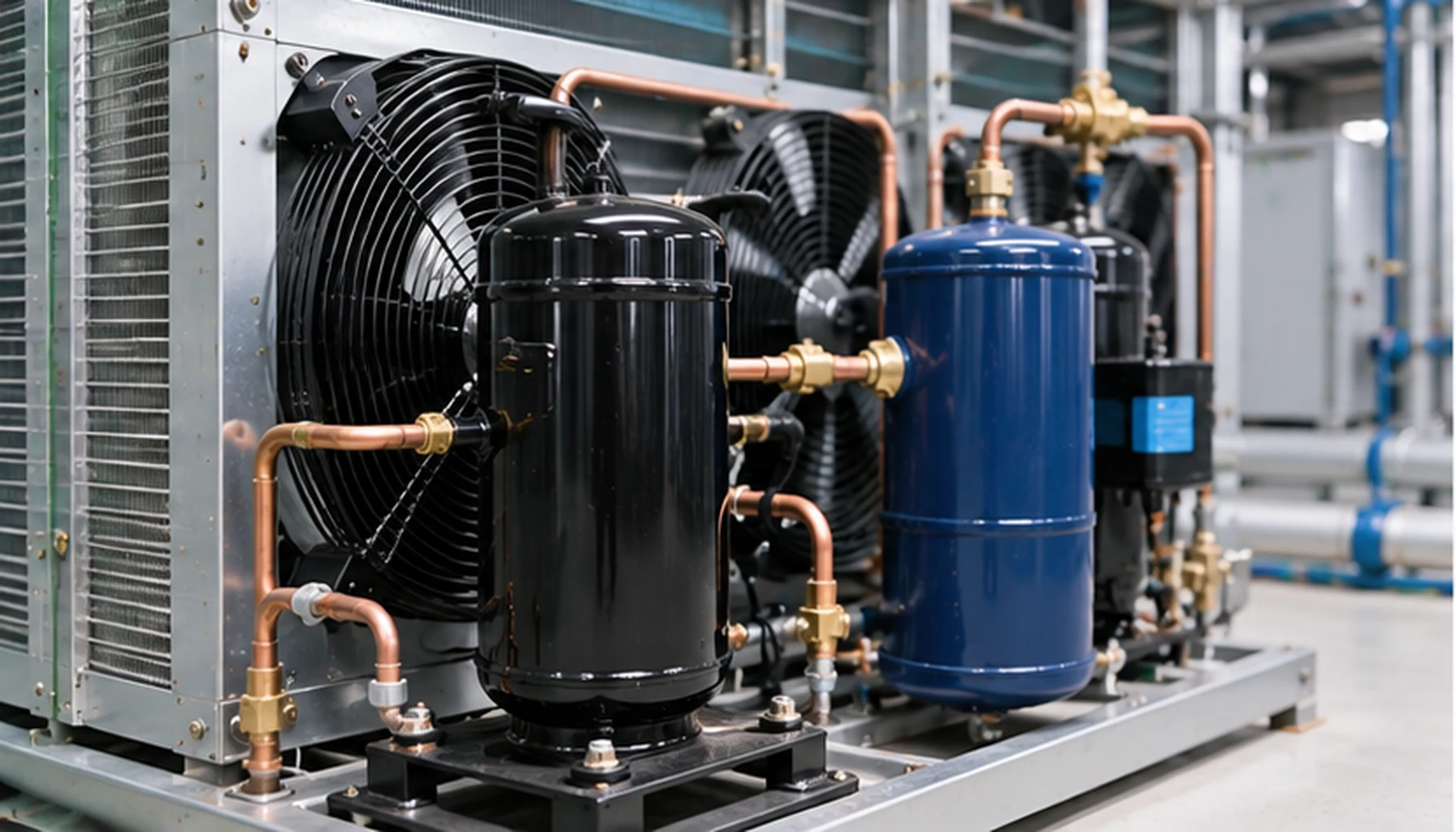
Information Needed Before Selecting Refrigerant Molecular Sieve
Refrigerant molecular sieve selection should be based on the actual refrigeration or HVAC system requirement, not only on the adsorbent type. The following information helps compare suitable grades and avoid compatibility issues.
Refrigerant Type
Confirm the refrigerant used in the system and any compatibility requirement.
Application Type
Filter drier, refrigeration system, air conditioning, heat pump or replacement use.
Moisture Target
Required drying level, system moisture concern or quality-control target.
Drier Structure
Filter drier design, filling space, flow path and bed condition.
Particle Size
Required bead size, pressure drop, flow compatibility and filling behavior.
Dust Control
Dust level requirement, handling method and system cleanliness expectation.
Replacement Background
Existing adsorbent grade, filling quantity, system issue and replacement reason.
Document Needs
TDS, SDS, COA, packing information and destination country.
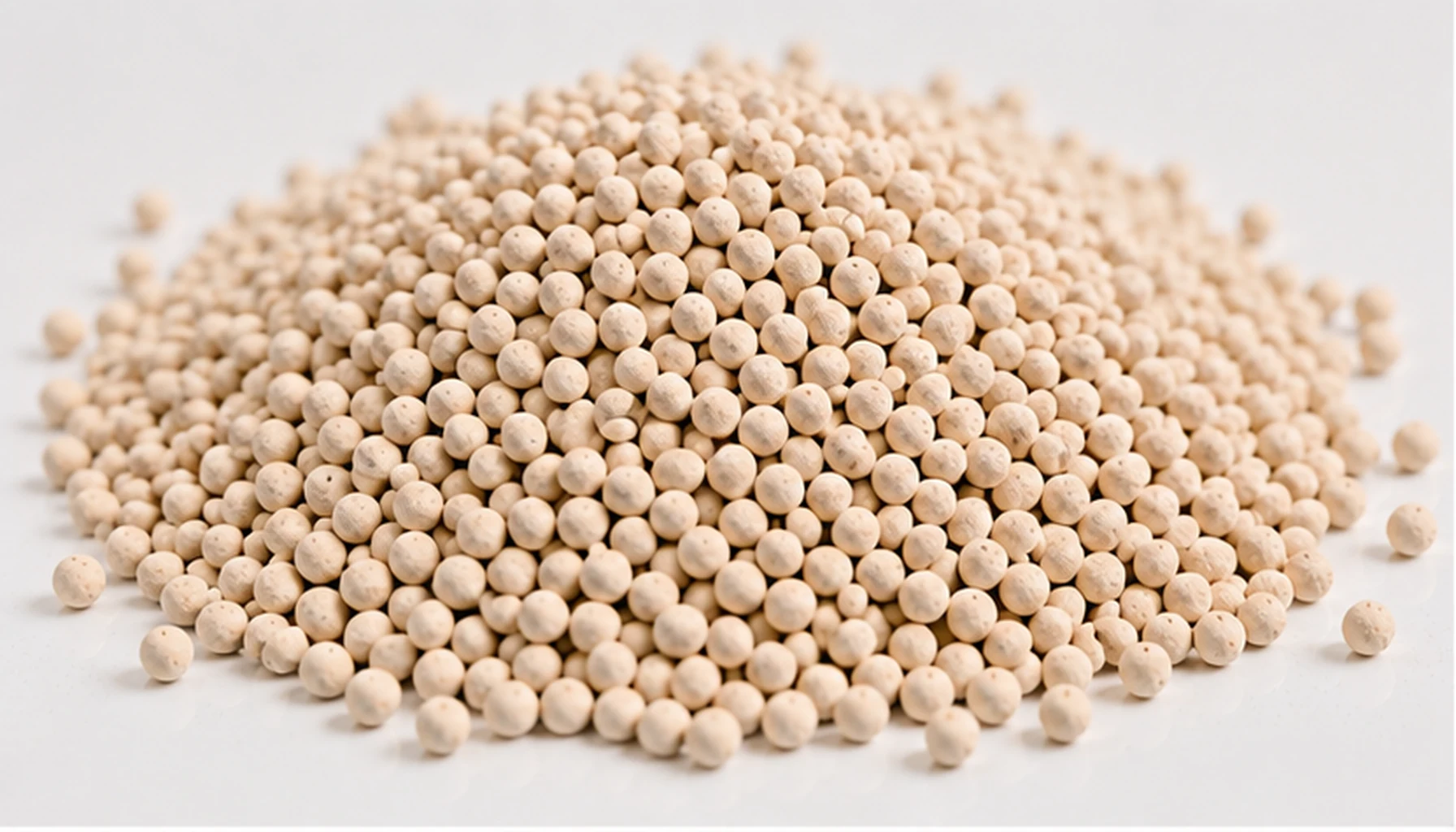
Particle Form, Size and Refrigerant Compatibility
Refrigerant molecular sieve may be supplied in bead or selected particle forms depending on grade and manufacturer availability. Particle size and compatibility should be reviewed with filter drier structure, refrigerant type, dust control and moisture-control requirements.
- Particle size reviewed according to filter drier or system design
- Refrigerant compatibility confirmed with selected manufacturer data
- Dust-control expectations checked before sample or bulk supply
- Packaging coordinated for storage, handling and export shipment
Common Refrigerant Molecular Sieve Supply Information
Adsorbent Source helps confirm technical data, packaging and export documents according to the selected refrigerant molecular sieve source and application requirement.
| Item | Common Options |
|---|---|
| Product Type | Refrigerant Molecular Sieve |
| Form | Beads or selected particle forms, depending on grade and manufacturer availability |
| Typical Size | Confirm according to filter drier or refrigerant system requirement |
| Main Use | Refrigerant drying, filter driers, HVAC systems and refrigeration moisture control |
| Packaging | Bags, drums, cartons or palletized export packaging depending on quantity and shipment requirement |
| Documents | TDS, SDS, COA, packing information and export documents can be coordinated before shipment |
Molecular Sieve for Refrigerant Filter Driers
In refrigerant filter driers, molecular sieve selection is closely related to refrigerant compatibility, water adsorption capacity, particle size, dust control and drier structure. A suitable adsorbent helps support moisture-control performance inside the refrigerant circuit.
Adsorbent Source helps buyers compare refrigerant molecular sieve options based on refrigerant type, filter drier design, moisture target and required technical documentation.
Compatibility Review
Review refrigerant type and compatibility requirement before selection.
Particle and Dust Control
Check particle size, dust level and handling condition for drier use.
Drier Structure Check
Match the adsorbent with filter drier structure and filling space.
Replacement Grade
Compare existing adsorbent, filling quantity and replacement reason.
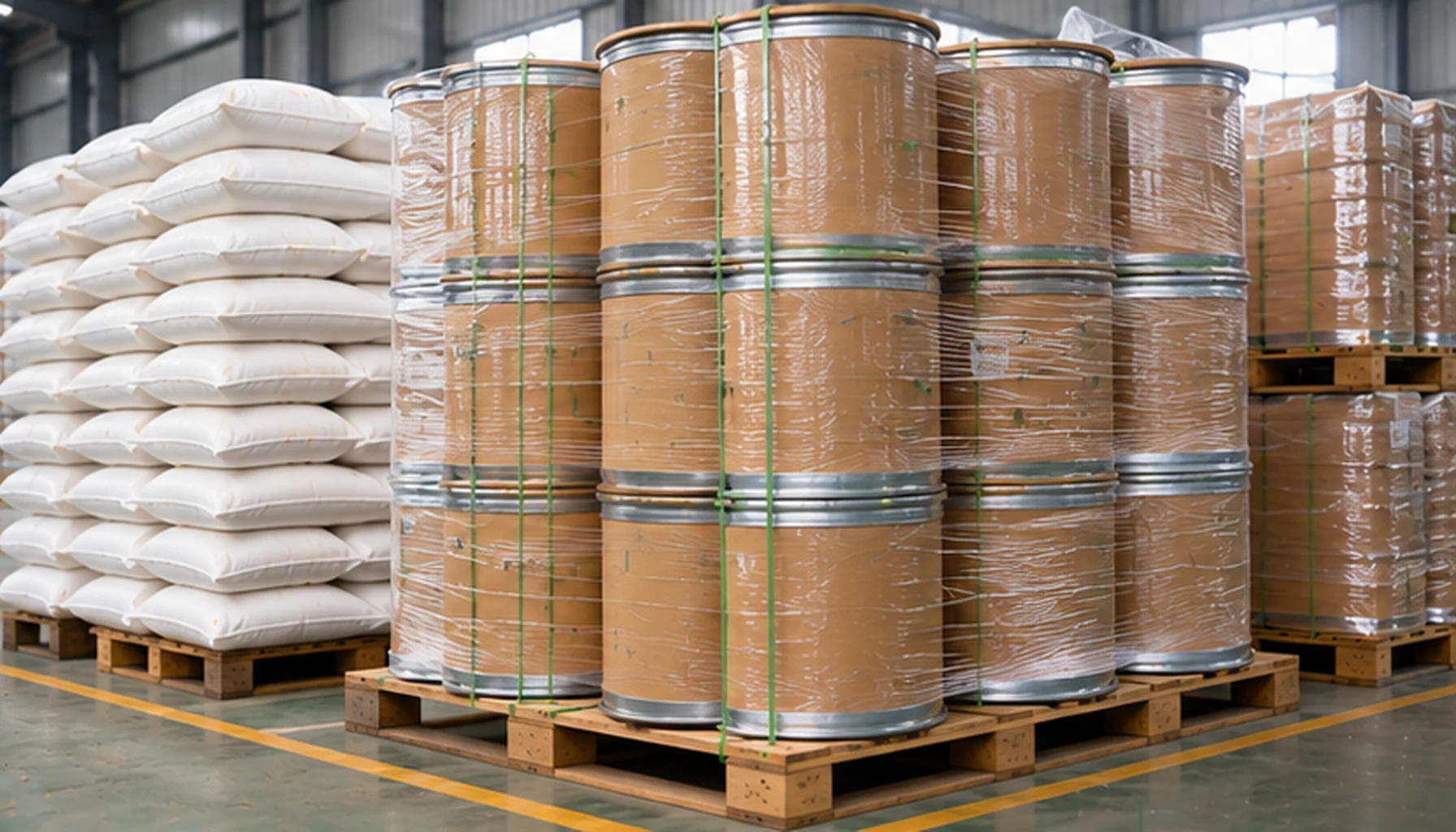
Send Your Refrigerant Molecular Sieve Requirement
Share the refrigerant type, filter drier or system model, moisture target, particle size, existing adsorbent grade, filling quantity and packaging requirement. Adsorbent Source will help review suitable refrigerant molecular sieve supply options and documentation needs.
Contact Adsorbent SourceRecommended Information for RFQ
- Application
- Refrigerant type
- Filter drier or system model
- Moisture target
- Required particle size
- Dust control requirement
- Compatibility requirement
- Existing adsorbent grade
- Filling quantity
- Estimated quantity
- Packaging requirement
- Destination country
- Required documents
Refrigerant Molecular Sieve Questions
What is refrigerant molecular sieve used for?
Refrigerant molecular sieve is used for moisture removal in refrigerant systems, filter driers, refrigeration equipment, air-conditioning systems and selected HVAC moisture-control applications.
Can molecular sieve be used in refrigerant filter driers?
Yes. Molecular sieve is commonly reviewed for refrigerant filter driers where moisture adsorption, particle size, compatibility and dust control are important.
How do I choose molecular sieve for refrigerant drying?
Selection should be based on refrigerant type, filter drier structure, moisture target, required particle size, dust-control requirement, compatibility data and selected manufacturer TDS.
What is the difference between refrigerant molecular sieve and general 3A or 4A molecular sieve?
General 3A or 4A molecular sieve is commonly used for gas, liquid or static drying. Refrigerant molecular sieve is selected with additional focus on refrigerant compatibility, filter drier use, dust control and system stability.
Can refrigerant molecular sieve be used for air conditioning systems?
It may be used in selected air-conditioning systems depending on refrigerant type, system design, moisture-control requirement and the selected grade data.
What information is needed before selecting refrigerant molecular sieve?
Key information includes refrigerant type, application, filter drier or system model, moisture target, particle size, existing grade, filling quantity, packaging requirement and destination country.
What documents can Adsorbent Source provide?
Adsorbent Source can help coordinate TDS, SDS, COA, packing information and export documents according to the selected product source and order requirements.
Does Adsorbent Source support samples?
Sample availability can be checked after refrigerant type, particle size, compatibility requirement, estimated quantity and destination country are clarified.