Activated Carbon Adsorbent for Gas and Liquid Purification
Adsorbent Source supplies activated carbon adsorbents for gas purification, liquid treatment, odor control, decolorization, VOC adsorption and selected industrial purification applications. We help buyers compare suitable activated carbon grades according to application, raw material source, particle size, iodine value, adsorption target, impurity profile, packaging and documentation requirements.
What Is Activated Carbon?
Activated carbon is a porous carbon material with developed internal pore structure. It is used as an adsorbent to remove selected organic compounds, odors, color, impurities or trace contaminants from gas and liquid streams.
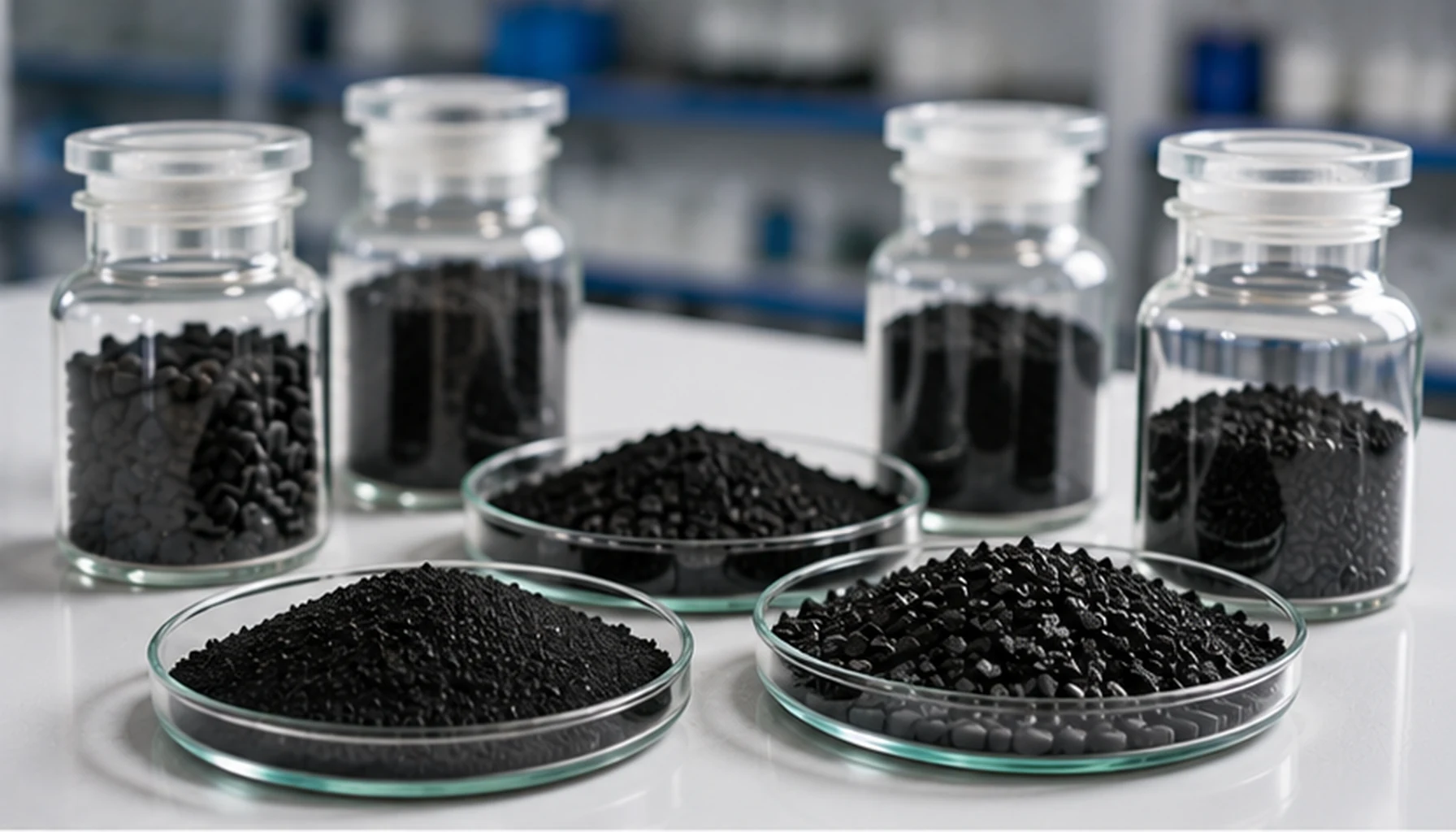
Activated carbon may be supplied in granular, powdered, pelletized or selected specialty forms. Different grades can vary by raw material, pore structure, iodine value, particle size distribution, ash content, hardness and adsorption performance.
Adsorbent Source helps buyers compare activated carbon grades, coordinate samples, confirm technical documents and arrange export packaging according to project requirements.
Activated Carbon Compared with Carbon Molecular Sieve
Activated carbon and carbon molecular sieve are both carbon-based adsorbents, but they are selected for different technical purposes. Activated carbon is usually selected for broad adsorption and purification, while carbon molecular sieve is selected for PSA nitrogen generation.
| Item | Activated Carbon | Carbon Molecular Sieve |
|---|---|---|
| Main Use | Purification, adsorption, odor control, decolorization and selected gas or liquid treatment. | PSA nitrogen generation and selected gas separation systems. |
| Pore Function | Broad adsorption capacity for selected gases, vapors and liquid-phase impurities. | Selective adsorption for gas separation based on molecular diffusion behavior. |
| Common Forms | Granular, powdered, pelletized or selected specialty forms. | Pellets or formed particles for PSA nitrogen generator beds. |
| Selection Focus | Iodine value, pore structure, particle size, ash content, hardness and target impurity. | Nitrogen capacity, selectivity, PSA cycle performance and system conditions. |
| Typical Applications | Water treatment, gas purification, VOC adsorption, odor control and decolorization. | Nitrogen generators and PSA gas separation systems. |
Activated Carbon Forms and Grade Directions
Activated carbon form selection depends on the adsorption target, phase condition, system design and handling requirements. Particle size, hardness and pressure drop are important for fixed beds, while contact efficiency and separation requirements are important for powder applications.
Granular Activated Carbon
Used in fixed beds, filters and adsorption systems where particle size, hardness and pressure drop need to be reviewed.
Powder Activated Carbon
Reviewed for liquid treatment, decolorization and batch adsorption processes where fine powder contact is required.
Pellet Activated Carbon
Used in gas-phase adsorption systems where shape, strength and pressure drop are important.
Specialty Activated Carbon
Selected for specific adsorption targets after reviewing application, impurity profile and technical data.
Where Activated Carbon Is Used
Activated carbon is used for gas purification, liquid treatment, odor control, color removal, VOC adsorption and selected industrial purification applications.
Gas Purification
Used in selected gas treatment systems to adsorb impurities, odors or organic compounds.
Water Treatment
Reviewed for water purification and liquid treatment where adsorption of organic impurities is required.
VOC Adsorption
Applied in selected VOC control systems according to vapor composition, concentration and operating condition.
Odor Control
Used in odor removal systems for industrial air treatment, ventilation and waste gas applications.
Decolorization
Reviewed for liquid decolorization processes where color bodies or organic impurities need adsorption.
Industrial Purification
Used in selected industrial purification processes depending on target impurity, contact time and grade selection.
Information Needed Before Selecting Activated Carbon
Activated carbon selection should start from the adsorption target and process condition. A grade used for odor control may not be suitable for decolorization, and a gas-phase carbon may not be suitable for liquid treatment.
Application
Gas purification, liquid treatment, odor control, VOC adsorption, decolorization or industrial purification.
Gas or Liquid Phase
Confirm whether the material will be used in vapor-phase, gas-phase or liquid-phase adsorption.
Target Impurity
Organic compounds, odor components, color bodies, trace contaminants or other adsorption targets.
Feed Composition
Gas or liquid composition, impurity concentration, humidity, pH or other process conditions.
Required Form
Granular activated carbon, powder activated carbon, pellet activated carbon or specialty form.
Technical Indicators
Iodine value, particle size, ash content, hardness, moisture and pore structure requirements.
Operating Condition
Temperature, pressure, flow rate, treatment volume, contact time and system design.
Supply Requirement
Existing grade, sample quantity, bulk quantity, packaging, destination country and documents.
Granular, Powdered, Pelletized and Specialty Carbon Forms
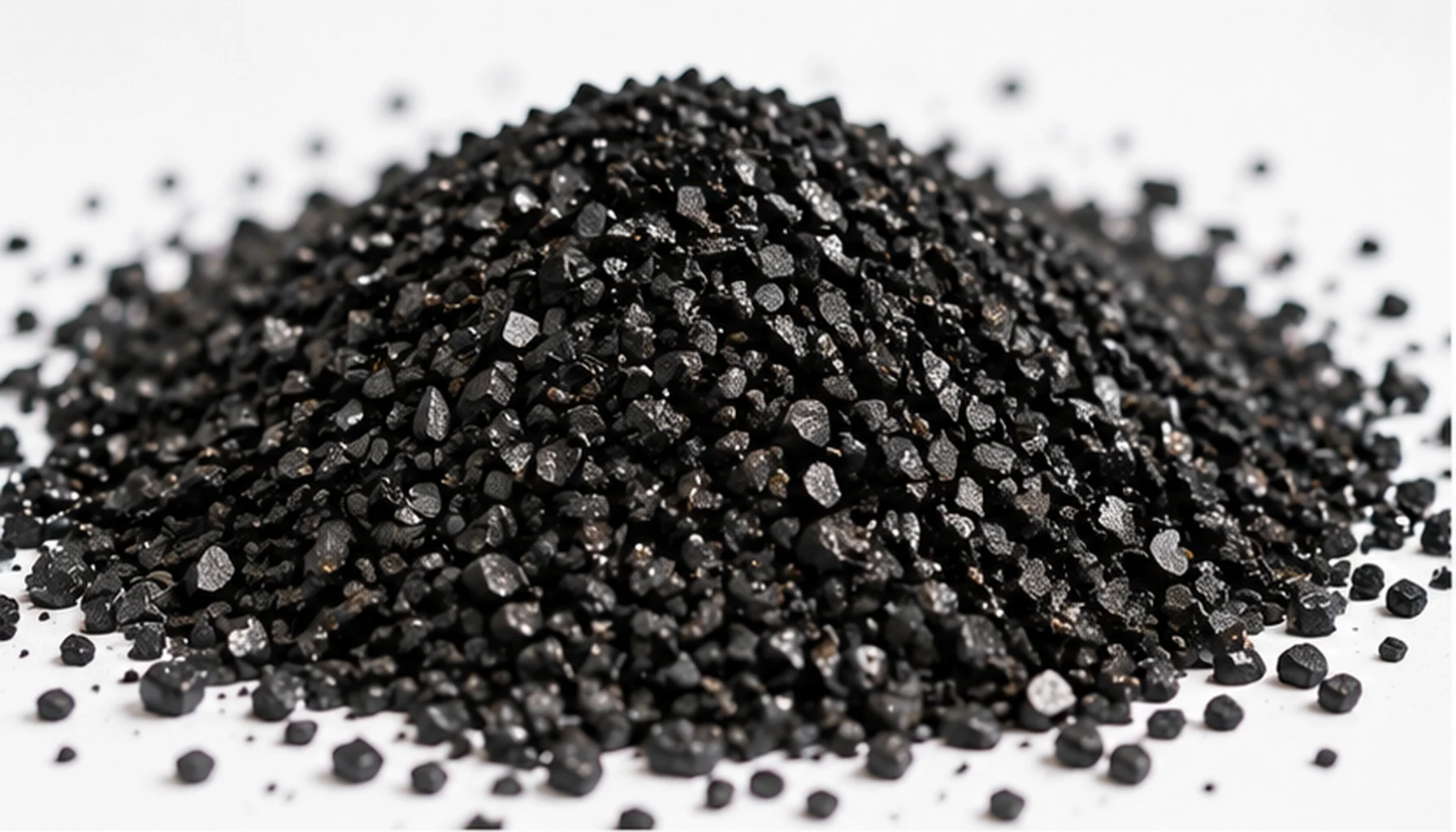
Activated carbon may be supplied in multiple forms depending on adsorption system design. The selected form should match contact method, pressure drop requirement, handling method, regeneration consideration and target impurity.
- Granular activated carbon for fixed beds and filtration systems
- Powder activated carbon for selected liquid treatment and decolorization processes
- Pellet activated carbon for selected gas-phase adsorption systems
- Specialty grades reviewed according to impurity profile and technical data
Common Activated Carbon Supply Information
Adsorbent Source helps confirm activated carbon grade, packaging and documents according to the selected source and application requirement.
| Item | Common Options |
|---|---|
| Product Type | Activated Carbon |
| Form | Granular, powdered, pelletized or selected specialty forms |
| Typical Use | Gas purification, liquid treatment, VOC adsorption, odor control, decolorization and industrial adsorption |
| Key Selection | Raw material, iodine value, pore structure, particle size, ash content, hardness and target impurity |
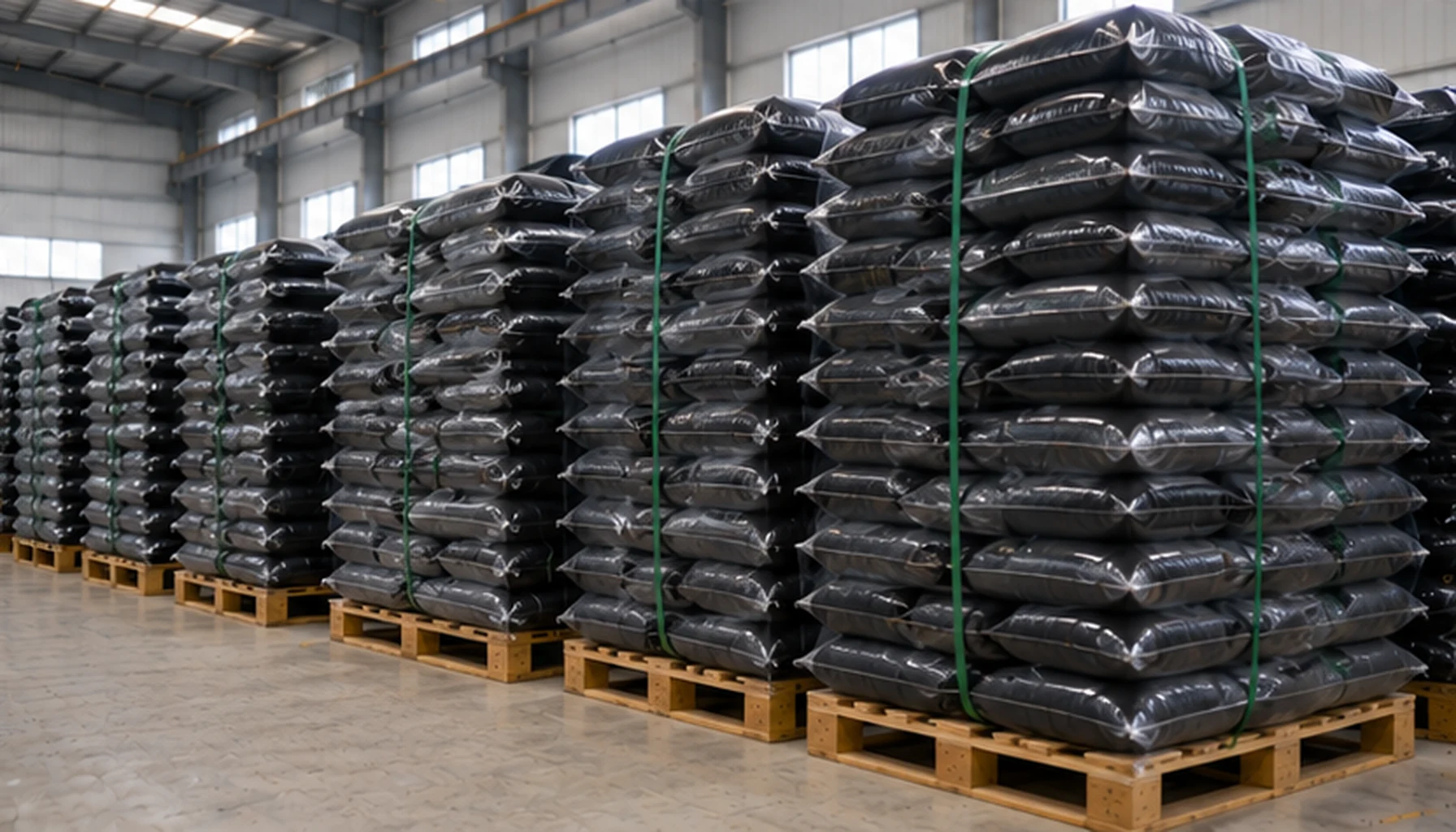
| Packaging | Bags, jumbo bags, drums, cartons or palletized export packaging depending on product form and quantity |
| Documents | TDS, SDS, COA, packing information and export documents can be coordinated before shipment |
Activated Carbon Grade Selection for Different Adsorption Targets
Activated carbon selection should start from the adsorption target. A grade used for odor control may not be suitable for liquid decolorization, and a gas-phase pellet carbon may not be the right choice for water treatment.
Adsorbent Source helps buyers review application conditions before comparing available carbon grades, samples and documents.
Application Review
Confirm whether the project is gas-phase, liquid-phase or formulation-related adsorption.
Impurity Profile
Review target impurity, concentration, feed composition and treatment objective.
Size and Strength
Compare particle size, hardness, ash content, moisture and iodine value.
Sample and Documents
Coordinate samples, TDS, SDS, COA and packing information where available.
Activated Carbon Supply Support from Adsorbent Source
Adsorbent Source supports international buyers with application review, activated carbon grade comparison, sample coordination, document support and export supply.
Application Review
Review gas purification, liquid treatment, odor control, VOC adsorption or decolorization requirements.
Carbon Grade Comparison
Compare activated carbon options according to form, iodine value, particle size, ash content and adsorption target.
Sample and Document Coordination
Coordinate samples, TDS, SDS, COA and available manufacturer documentation.
Packaging and Export Supply
Support packaging, palletizing, order coordination and export shipment preparation.
Send Your Activated Carbon Requirement
Share your application, gas or liquid phase, target impurity, feed composition, required carbon form, particle size, iodine value requirement, operating condition, sample quantity and bulk quantity. Adsorbent Source will help review suitable activated carbon options.
Contact Adsorbent SourceRecommended Information for RFQ
- Application
- Gas phase or liquid phase
- Target impurity
- Feed composition
- Operating temperature
- Operating pressure
- Flow rate or treatment volume
- Required form
- Particle size
- Iodine value requirement
- Ash content requirement
- Hardness requirement
- Moisture requirement
- Contact time
- Existing grade
- Reference sample
- Sample quantity
- Bulk quantity
- Destination country
- Required documents
Activated Carbon Questions
What is activated carbon used for?
Activated carbon is used for gas purification, liquid treatment, odor control, decolorization, VOC adsorption and selected industrial adsorption applications.
What is the difference between activated carbon and carbon molecular sieve?
Activated carbon is mainly selected for broad adsorption and purification applications. Carbon molecular sieve is selected for PSA nitrogen generation and gas separation systems.
What are the common forms of activated carbon?
Common forms include granular activated carbon, powder activated carbon, pellet activated carbon and selected specialty carbon grades.
How do I choose activated carbon for gas purification?
Gas-phase activated carbon selection should consider target impurity, gas composition, humidity, temperature, pressure, flow rate, particle size, hardness and pressure drop.
How do I choose activated carbon for liquid treatment?
Liquid-phase activated carbon selection should consider target impurity, liquid composition, pH, contact time, carbon form, particle size, iodine value and separation method.
What information is needed before selecting activated carbon?
Key information includes application, gas or liquid phase, target impurity, feed composition, operating condition, required form, particle size, iodine value requirement and quantity.
Does Adsorbent Source support samples?
Sample support can be coordinated depending on available grade, quantity, destination country and documentation requirements.
What documents can Adsorbent Source provide?
Adsorbent Source can help coordinate TDS, SDS, COA, packing information and export documents according to the selected product source and order requirements.