Activated Alumina Desiccant for Compressed Air and Gas Drying
Adsorbent Source supplies activated alumina desiccant beads for compressed air dryers, gas dehydration systems, instrument air drying and selected industrial moisture-control applications. We help buyers compare suitable activated alumina grades according to inlet moisture, target dew point, operating pressure, temperature, flow rate, regeneration method, particle size, packaging and documentation requirements.
What Is Activated Alumina Desiccant?
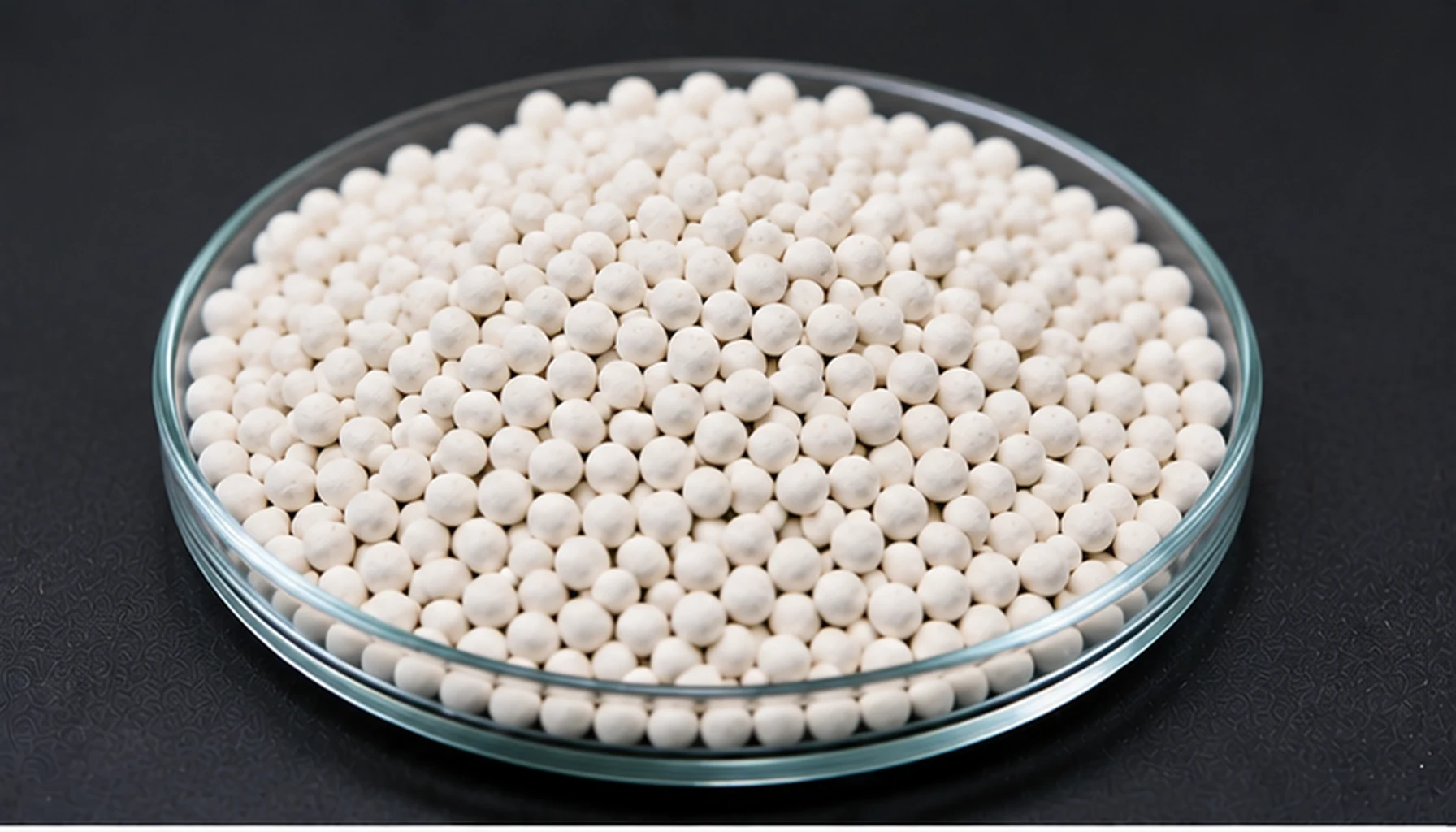
Activated alumina desiccant is a porous aluminum oxide adsorbent used for moisture removal in air and gas drying systems. It has high surface area, strong water adsorption ability and good mechanical strength for many regenerative dryer applications.
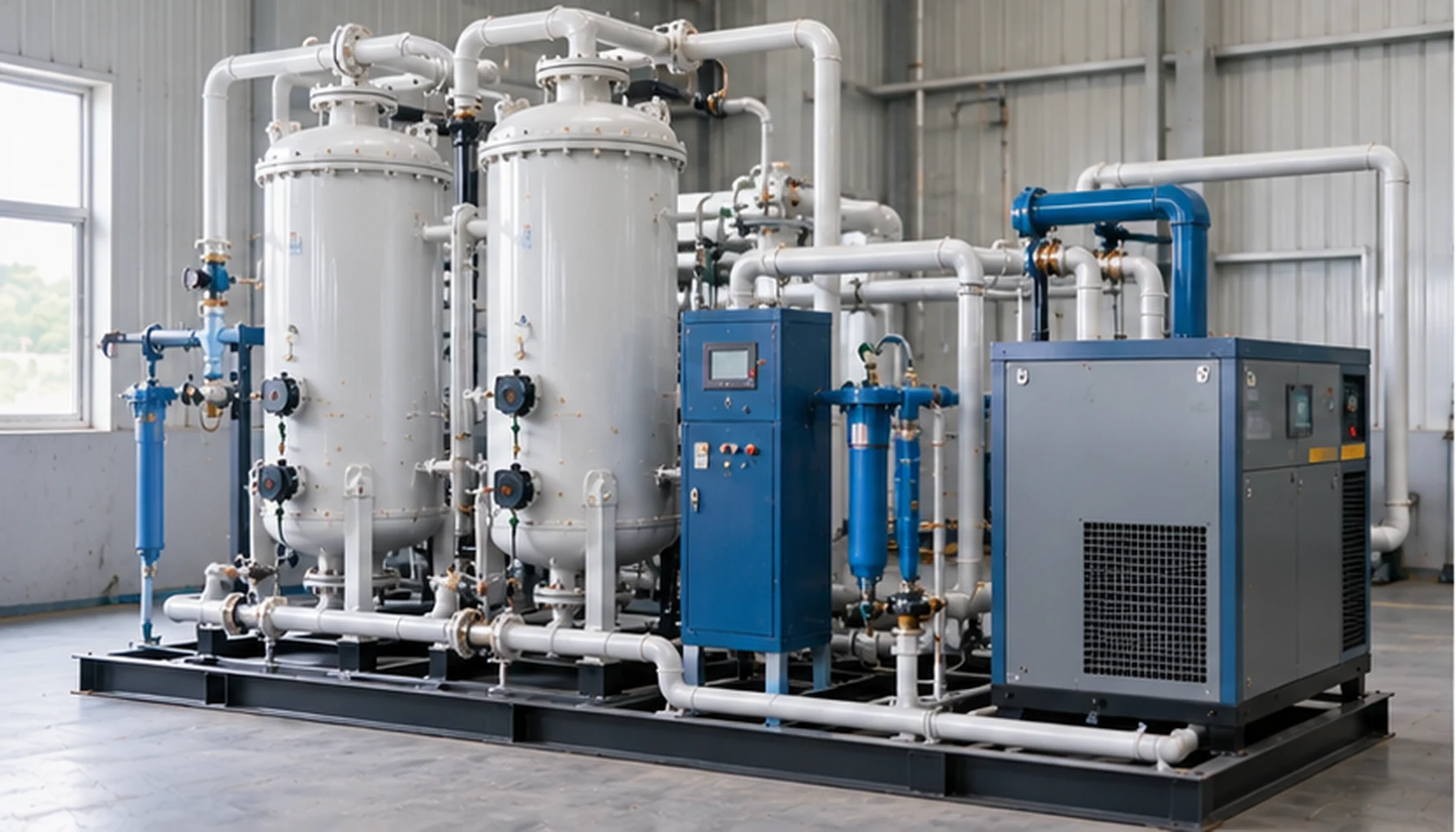
Activated alumina desiccant is widely used in compressed air dryers, instrument air systems, process gas drying units and selected industrial dehydration applications where repeatable adsorption and regeneration cycles are required.
Activated alumina should be selected according to the actual drying system, including inlet moisture, operating pressure, temperature, flow rate, bed depth, regeneration method and required outlet dew point.
Activated Alumina Compared with Molecular Sieve and Silica Gel
Activated alumina, molecular sieve and silica gel are all adsorbent materials, but their selection direction is different. The correct choice depends on drying depth, operating system, regeneration method and application environment.
| Material | Typical Direction |
|---|---|
| Activated Alumina Desiccant | Compressed air drying, gas dehydration, instrument air systems and regenerative dryer applications. |
| Molecular Sieve | Deep drying, selective adsorption, process gas purification and applications requiring specific pore-size behavior. |
| Silica Gel Desiccant | Packaging moisture control, static drying, humidity protection and sealed-storage applications. |
Where Activated Alumina Desiccant Is Used
Activated alumina desiccant is commonly reviewed for air and gas drying systems where moisture control, mechanical strength and regeneration behavior are important.
Compressed Air Dryers
Used in heatless, heated or blower purge dryers where moisture removal from compressed air is required.
Instrument Air Drying
Reviewed for instrument air systems where stable dry air supply is important for control equipment.
Process Gas Drying
Applied in selected gas dehydration systems depending on gas composition and operating condition.
Pneumatic Equipment Protection
Used to reduce moisture load before pneumatic tools, valves, pipelines and downstream equipment.
Regenerative Dryer Systems
Commonly considered for adsorption beds with repeated drying and regeneration cycles.
Replacement Desiccant Projects
Used when replacing existing desiccant after particle size, filling quantity and dryer condition are confirmed.
Information Needed Before Selecting Activated Alumina Desiccant
For reliable desiccant selection, provide the operating conditions and dryer information. This helps compare particle size, adsorption performance, regeneration behavior and replacement compatibility.
Air or Gas Condition
Air or gas composition, inlet moisture level and contamination condition.
Dew Point Target
Required outlet dew point, drying target or downstream process requirement.
Operating Data
Operating pressure, temperature, flow rate and cycle condition.
Dryer Type
Heatless, heated, blower purge or other regenerative dryer design.
Regeneration Method
Regeneration temperature, purge condition, cycle time and operation mode.
Particle Size
Bead size, pressure drop, bed depth and flow distribution requirement.
Replacement Background
Existing desiccant grade, filling quantity, service life and replacement reason.
Document Needs
TDS, SDS, COA, packing information and destination country.
Activated Alumina Beads and Particle Size Confirmation
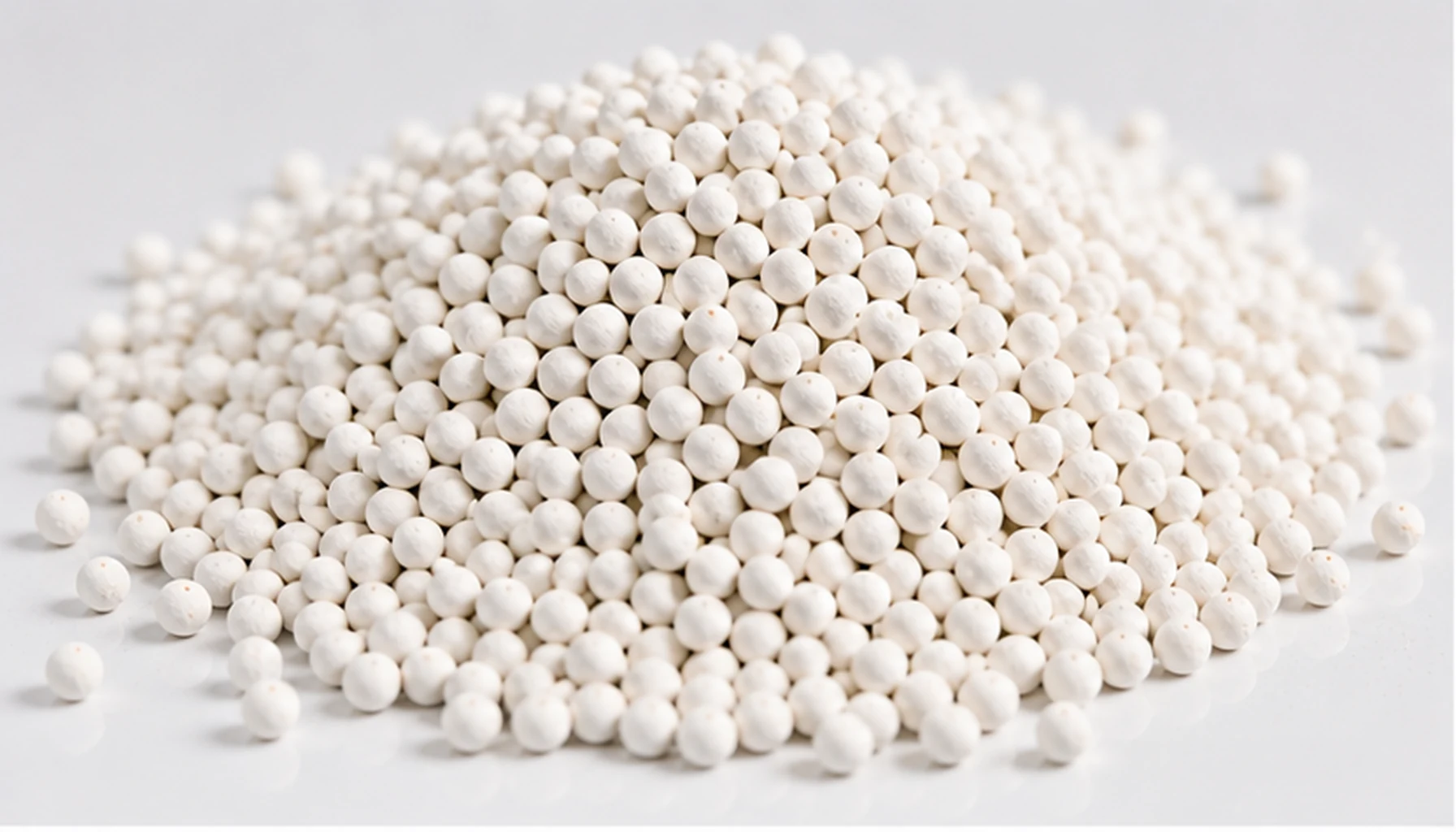
Activated alumina desiccant is commonly supplied as spherical beads. Particle size should be selected according to dryer structure, pressure drop, bed depth, flow rate, regeneration behavior and handling requirements.
- Bead form for compressed air and gas drying systems
- Particle size reviewed with pressure-drop and bed design requirements
- Replacement projects checked against existing desiccant and filling quantity
- Packaging coordinated for storage, handling and export shipment
Common Activated Alumina Desiccant Supply Information
Adsorbent Source helps confirm technical data, packaging and export documents according to the selected activated alumina desiccant source and application requirement.
| Item | Common Options |
|---|---|
| Product Type | Activated Alumina Desiccant |
| Form | Beads, depending on selected grade and manufacturer availability |
| Typical Size | Confirm according to dryer design, pressure-drop requirement and replacement condition |
| Main Use | Compressed air drying, gas dehydration, instrument air drying and industrial moisture control |
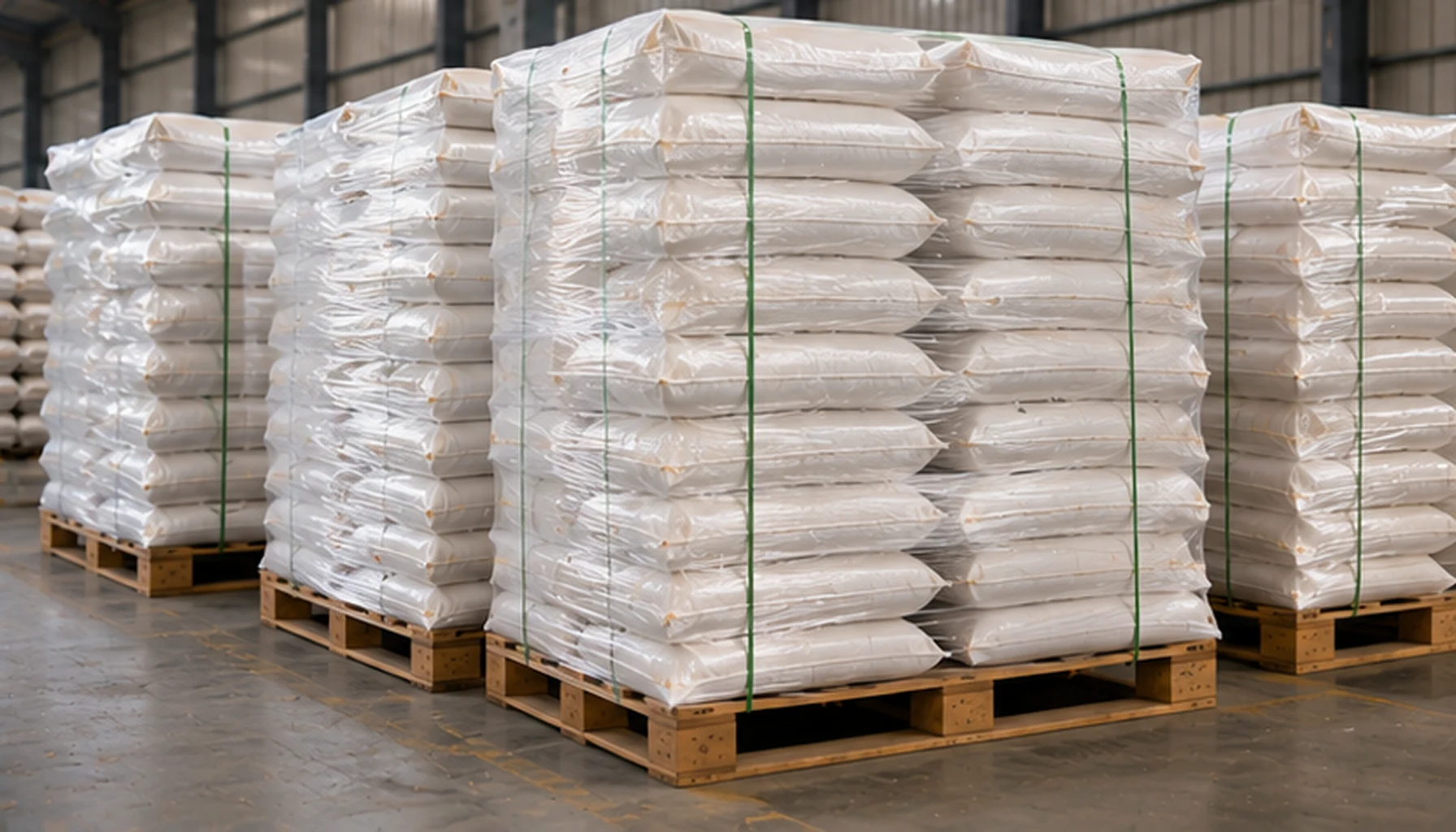
| Packaging | Bags, drums, cartons or palletized export packaging depending on quantity and shipment requirement |
| Documents | TDS, SDS, COA, packing information and export documents can be coordinated before shipment |
Activated Alumina for Compressed Air Dryers
In compressed air dryers, activated alumina desiccant performance is closely related to inlet air condition, pressure, temperature, flow rate, bed design and regeneration cycle. A replacement desiccant should not be selected only by product name.
Adsorbent Source helps buyers review compressed air dryer requirements and coordinate suitable activated alumina desiccant options with the needed technical documents.
Inlet Air Review
Review inlet moisture, air quality, pressure and temperature before selection.
Dew Point Target
Confirm outlet dew point target and downstream drying requirement.
Particle and Pressure Drop
Match bead size with bed depth, flow rate and pressure-drop condition.
Regeneration Cycle
Review heatless, heated or blower purge regeneration conditions.
Send Your Activated Alumina Desiccant Requirement
Share the air or gas to be dried, inlet moisture level, target dew point, operating conditions, dryer type, particle size, existing desiccant grade and filling quantity. Adsorbent Source will help review suitable activated alumina desiccant supply options and documentation needs.
Contact Adsorbent SourceRecommended Information for RFQ
- Application
- Air or gas to be dried
- Inlet moisture level
- Target outlet dew point
- Operating pressure
- Operating temperature
- Flow rate
- Dryer type
- Regeneration method
- Required particle size
- Existing desiccant grade
- Filling quantity
- Estimated quantity
- Destination country
- Required documents
Activated Alumina Desiccant Questions
What is activated alumina desiccant used for?
Activated alumina desiccant is used for moisture removal in compressed air dryers, gas drying systems, instrument air systems and selected industrial dehydration applications.
Can activated alumina be used in compressed air dryers?
Yes. Activated alumina is commonly reviewed for heatless, heated and blower purge compressed air dryers where moisture adsorption and regeneration behavior are important.
What is the difference between activated alumina and molecular sieve?
Activated alumina is commonly used for compressed air drying and regenerative dryer systems. Molecular sieve is often selected for deeper drying, selective adsorption or gas purification applications requiring specific pore-size behavior.
How do I choose activated alumina bead size?
Bead size should be selected according to dryer design, flow rate, bed depth, pressure drop, regeneration cycle and replacement compatibility with the existing desiccant.
Can activated alumina desiccant be regenerated?
Activated alumina desiccant can be regenerated under suitable drying system conditions. The practical regeneration method depends on dryer type, temperature, purge condition and operating cycle.
What information is needed before selecting activated alumina desiccant?
Key information includes application, air or gas condition, inlet moisture, target dew point, pressure, temperature, flow rate, dryer type, particle size, filling quantity and document requirements.
What documents can Adsorbent Source provide?
Adsorbent Source can help coordinate TDS, SDS, COA, packing information and export documents according to the selected product source and order requirements.
Does Adsorbent Source support samples?
Sample availability can be checked after the application, particle size, estimated quantity, destination country and document requirements are clarified.