Carbon Molecular Sieves for PSA Nitrogen Generation
Adsorbent Source supplies carbon molecular sieve materials for pressure swing adsorption nitrogen generation systems. We help equipment manufacturers, replacement-media buyers and industrial gas users compare suitable CMS options according to nitrogen purity, recovery requirement, operating pressure, cycle conditions and adsorber design.
Carbon Molecular Sieve Supply Supported by Adsorbent Source
Carbon molecular sieve, often called CMS, is a carbon-based adsorbent used in PSA nitrogen generation. It separates nitrogen from compressed air mainly through adsorption-rate differences between oxygen and nitrogen molecules.
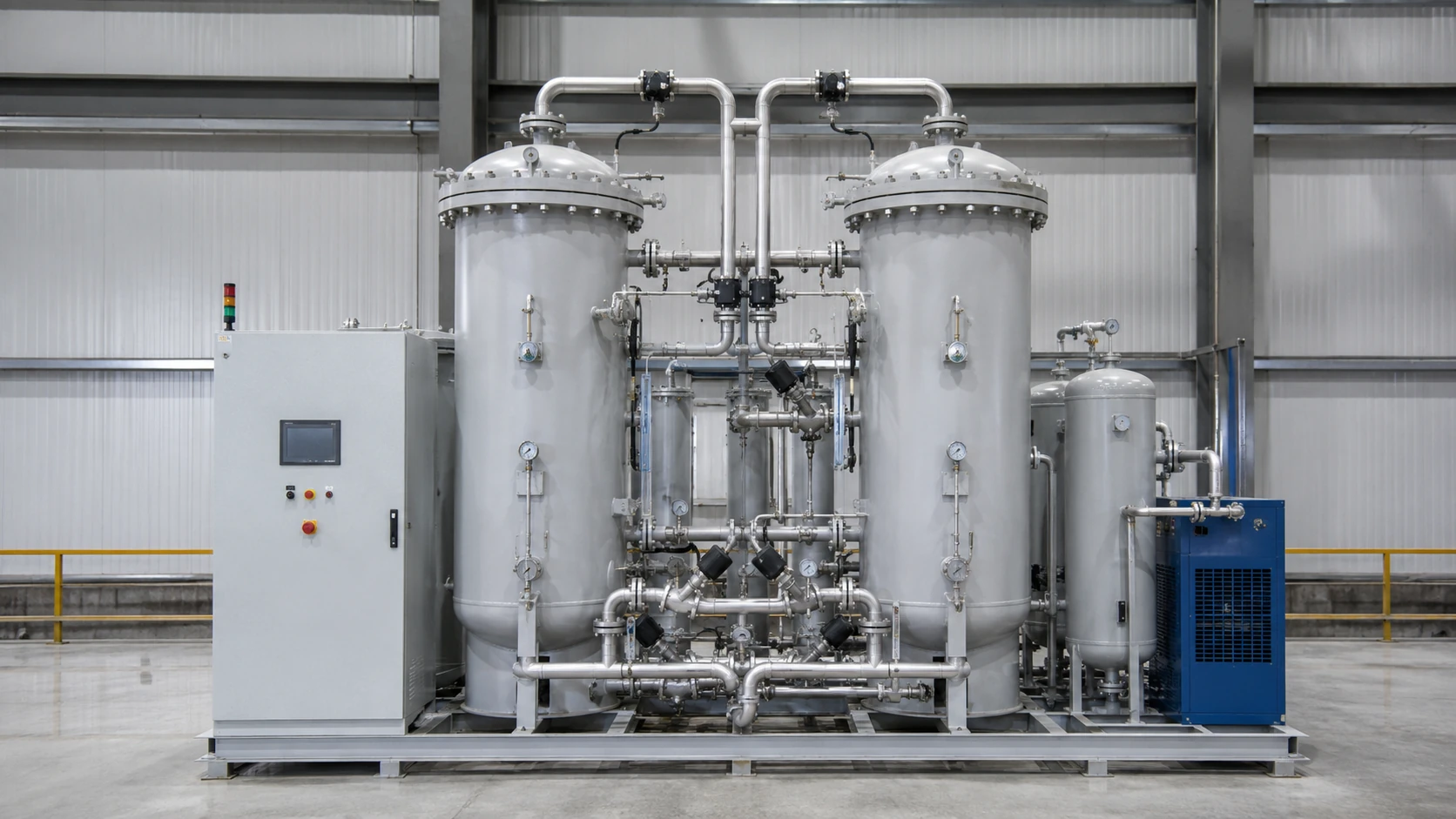
In a PSA nitrogen generator, compressed air enters adsorption towers filled with CMS. Oxygen, moisture and selected small-molecule components are preferentially adsorbed, while nitrogen-enriched gas passes through the system.
Adsorbent Source supports CMS selection, sample coordination, technical document confirmation and export supply. Final nitrogen purity and gas output depend not only on the CMS material, but also on equipment design, air pretreatment, valve cycle, pressure, temperature and filling quality.
Common Carbon Molecular Sieve Supply Directions
CMS grade comparison should be based on the target nitrogen purity, flow rate, pressure, recovery expectation and adsorber design. Model names such as CMS-180, CMS-190 or CMS-200 are useful references, but they should not be treated as universal standards across all manufacturers.
Standard PSA Nitrogen CMS
Suitable for common industrial nitrogen generation systems where stable nitrogen supply, practical purity range and operating reliability are the main requirements.
- General PSA nitrogen generators
- Industrial inerting systems
- Replacement and refilling projects
High-Purity Nitrogen CMS
Used when higher nitrogen purity is required and the PSA equipment design, cycle program and feed-air condition need to be checked carefully.
- Higher purity nitrogen demand
- Optimized PSA system design
- Technical parameter confirmation
Replacement CMS for Existing Units
For users replacing old CMS media, we review the existing grade, filling quantity, adsorber dimensions and current oxygen concentration before recommending a replacement direction.
- Existing CMS grade review
- Adsorber size and fill volume check
- Replacement reason analysis
Where Carbon Molecular Sieves Are Used
Carbon molecular sieves are mainly used in PSA nitrogen generation systems for industries that require on-site nitrogen supply, inert atmosphere, oxidation protection or process gas support.
Food Packaging Nitrogen
Supports modified atmosphere packaging and oxygen-reduction processes where on-site nitrogen supply is required.
Electronics Manufacturing
Used in nitrogen supply systems for process protection, oxidation control and selected clean production environments.
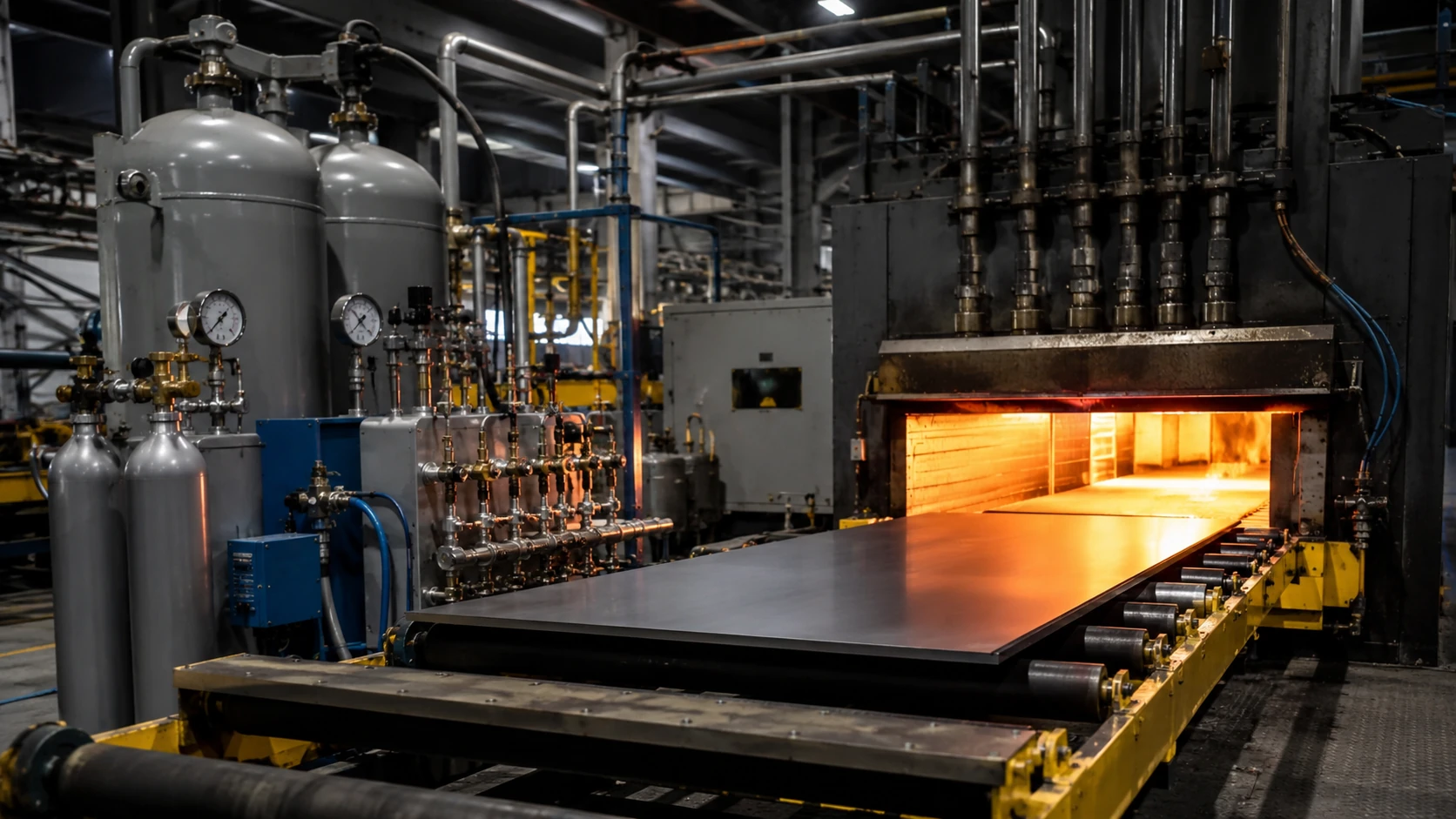
Metal Heat Treatment
Provides nitrogen support for protective atmosphere and oxidation-control processes in metal processing lines.
Chemical Processing
Applied in inerting, blanketing and process gas supply where stable nitrogen production is needed.
Laser Cutting Nitrogen
Supports nitrogen generation systems used for selected cutting and fabrication applications, depending on purity and pressure demand.
Industrial Inerting
Used for tanks, process lines and production areas requiring reduced oxygen concentration or controlled atmosphere.
How Carbon Molecular Sieves Separate Nitrogen from Air
CMS works inside a PSA system through repeated pressurization and depressurization. Two adsorption towers usually operate alternately: one tower produces nitrogen while the other tower regenerates.
1. Air Pretreatment
Compressed air is filtered and dried to remove oil, liquid water, particles and excessive moisture.
2. Pressurized Adsorption
Air enters the CMS bed under pressure, and oxygen is adsorbed faster than nitrogen.
3. Nitrogen Production
Nitrogen-enriched gas flows from the adsorption tower outlet and is collected as product gas.
4. Regeneration
The saturated tower is depressurized to release adsorbed gas before entering the next cycle.
Information Needed Before Selecting a CMS Grade
Carbon molecular sieve selection is closely related to the PSA generator design and operating target. The more complete the operating information is, the more reliable the CMS comparison and replacement recommendation will be.
Nitrogen Purity
Required outlet nitrogen purity or maximum oxygen concentration.
Nitrogen Flow Rate
Required nitrogen output under actual operating conditions.
Working Pressure
Adsorption pressure, regeneration pressure and system pressure range.
Cycle Conditions
Valve timing, adsorption cycle, equalization steps and regeneration logic.
Feed-Air Quality
Air temperature, dew point, oil content, filtration and dryer performance.
Adsorber Dimensions
Tower diameter, height, bed depth and existing filling quantity.
Existing CMS Grade
Current grade name, supplier information and replacement history.
Replacement Reason
Purity drop, capacity decline, pressure issue, contamination or scheduled maintenance.
Typical CMS Supply Information to Confirm
For procurement and engineering review, Adsorbent Source helps confirm the applicable technical data sheet, safety data sheet, certificate of analysis, packaging method and export information according to the selected CMS source.
| Item | Information to Confirm |
|---|---|
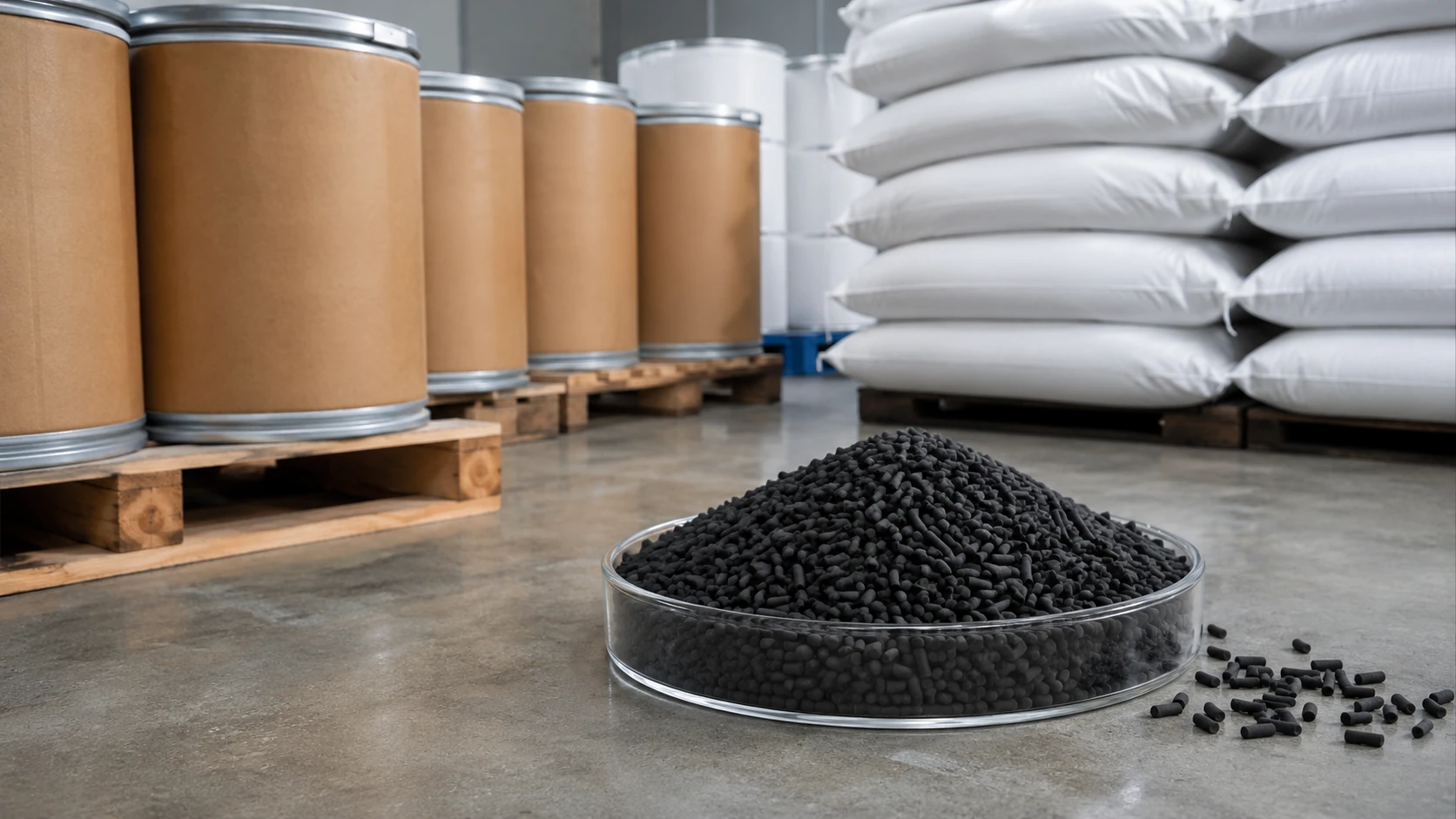
| Appearance | Black cylindrical pellets |
| Typical Diameter | Confirm according to selected CMS grade and supplier TDS |
| Main Application | PSA nitrogen generation from compressed air |
| Nitrogen Purity Target | Confirm with equipment design, purity requirement and operating conditions |
| Bulk Density | Manufacturer technical data sheet required |
| Crush Strength | Manufacturer technical data sheet required |
| Moisture | Batch specification or certificate of analysis required |
| Packaging | Drums, bags or palletized export packaging depending on quantity and shipment requirement |
| Documents | TDS, SDS, COA, packing information and export documents can be coordinated before shipment |
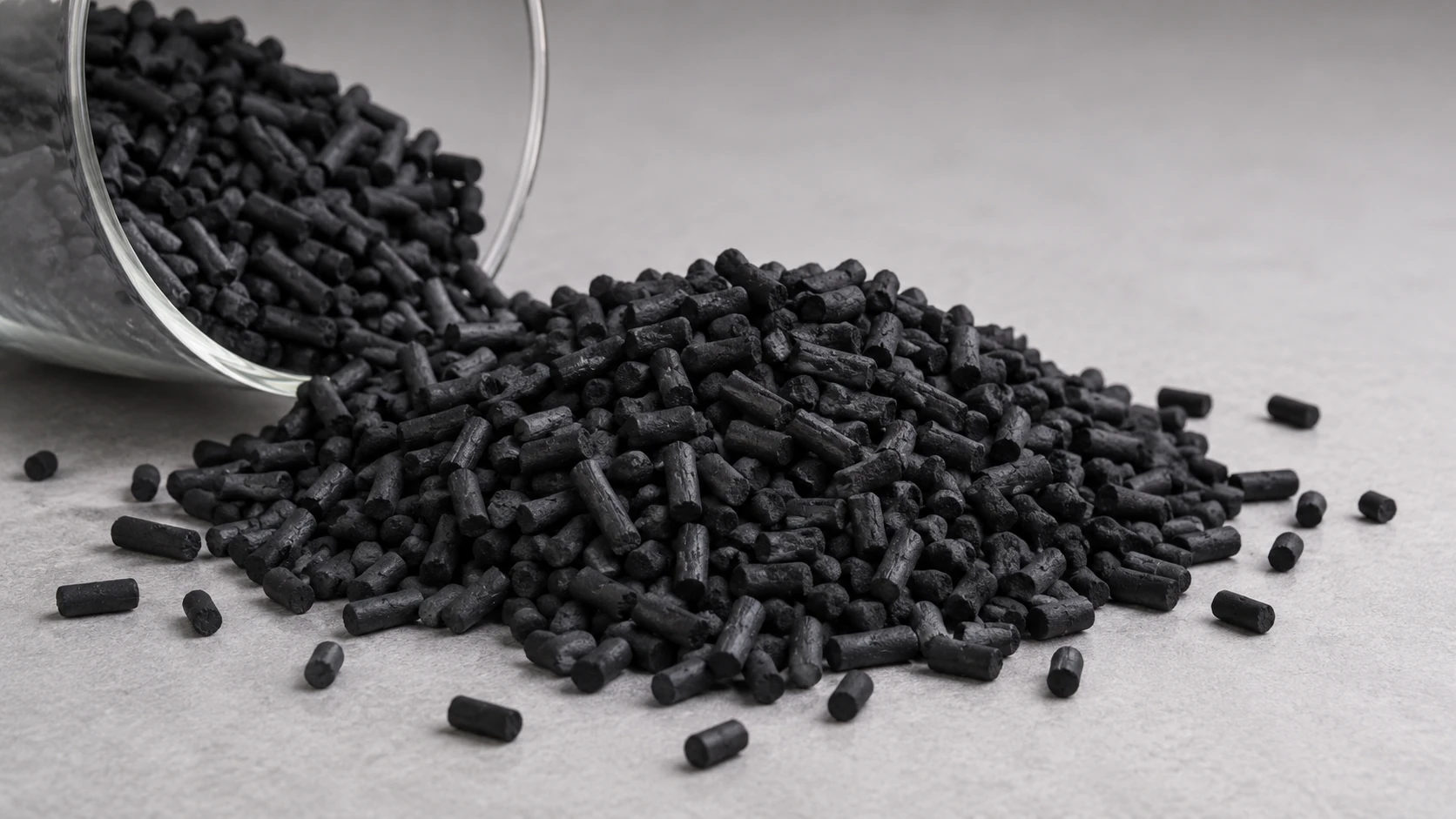
CMS Performance Depends on Clean and Dry Feed Air
Oil mist, liquid water, particles and abnormal temperature can reduce CMS performance and shorten the service life of the adsorption bed. Air pretreatment should be reviewed before new filling or replacement.
PSA nitrogen systems usually require stable filtration, oil removal and drying before compressed air enters the CMS tower. When users report nitrogen purity decline, both CMS condition and upstream air treatment should be checked.
- Check compressor oil carryover and filtration condition
- Confirm inlet air dew point and dryer performance
- Review dust, liquid water and pipeline contamination risks
- Inspect valve cycle, pressure fluctuation and tower balance
How Adsorbent Source Supports CMS Projects
Adsorbent Source is positioned as an adsorbent supply and technical coordination partner. We help buyers reduce mismatches between product name, operating requirement and actual PSA equipment condition.
Application Review
Review nitrogen purity, flow rate, pressure, adsorber dimensions and replacement background before matching CMS options.
Grade and Sample Coordination
Coordinate suitable CMS options, available samples and comparison information according to the target application.
Technical Document Confirmation
Support TDS, SDS, COA, packing details and batch documentation confirmation before purchase or shipment.
Packaging and Export Supply
Coordinate export packaging, palletizing, shipping marks and shipment preparation based on quantity and destination.
Send Your PSA Nitrogen CMS Requirement
For accurate CMS comparison, please share your nitrogen generator parameters or replacement information. Adsorbent Source will review the available details and help coordinate suitable carbon molecular sieve supply options.
Contact Adsorbent SourceRecommended Information for RFQ
- Nitrogen purity
- Nitrogen flow rate
- Working pressure
- Adsorber dimensions
- Existing CMS grade
- Existing filling quantity
- Air compressor capacity
- Feed-air treatment condition
- Replacement reason
- Estimated quantity
- Destination country
- Required documents
Carbon Molecular Sieve Questions
What is carbon molecular sieve used for?
Carbon molecular sieve is mainly used in PSA nitrogen generation systems to separate nitrogen from compressed air. It is common in industrial gas generation, food packaging, electronics, metal processing, chemical processing and inerting applications.
How does CMS produce nitrogen from compressed air?
In a PSA system, compressed air passes through adsorption towers filled with CMS. Oxygen is adsorbed faster than nitrogen under pressure, so nitrogen-enriched gas exits the system as product gas while the adsorption bed is regenerated in alternating cycles.
Are CMS-180, CMS-190 and CMS-200 universal grade standards?
No. These names are commonly used references, but they are not universal standards across all suppliers. Similar model names may have different technical data and performance ranges. Operating conditions should be checked before selection.
What information is needed to select a CMS grade?
Important information includes nitrogen purity, nitrogen flow rate, working pressure, cycle conditions, feed-air quality, adsorber dimensions, existing CMS grade, filling quantity and replacement reason.
Can CMS be replaced without changing the PSA equipment?
In many replacement projects, CMS can be refilled into existing adsorption towers, but the tower dimensions, valve cycle, pressure condition, air pretreatment and current performance should be reviewed before replacement.
Why is compressed-air pretreatment important?
Oil, liquid water, dust and excessive moisture may reduce adsorption performance and shorten CMS service life. Filtration, oil removal and drying conditions should be checked before CMS filling or replacement.
Can Adsorbent Source provide samples and technical documents?
Adsorbent Source can help coordinate CMS samples, technical data sheets, safety data sheets, certificates of analysis, packing information and export documents according to the selected product source and project requirement.
Does Adsorbent Source manufacture every CMS grade directly?
Adsorbent Source works as an adsorbent supply and technical coordination partner. We help buyers match suitable CMS options, confirm documentation and coordinate export supply based on application and purchasing requirements.