Activated Alumina Balls and Beads for Industrial Adsorption Applications
Adsorbent Source supplies activated alumina balls and beads for compressed air drying, gas dehydration, fluoride removal, water treatment, purification systems and selected catalyst support applications. We help buyers compare suitable activated alumina grades according to application, particle size, adsorption target, operating condition, mechanical strength, packaging and documentation requirements.
What Are Activated Alumina Balls?
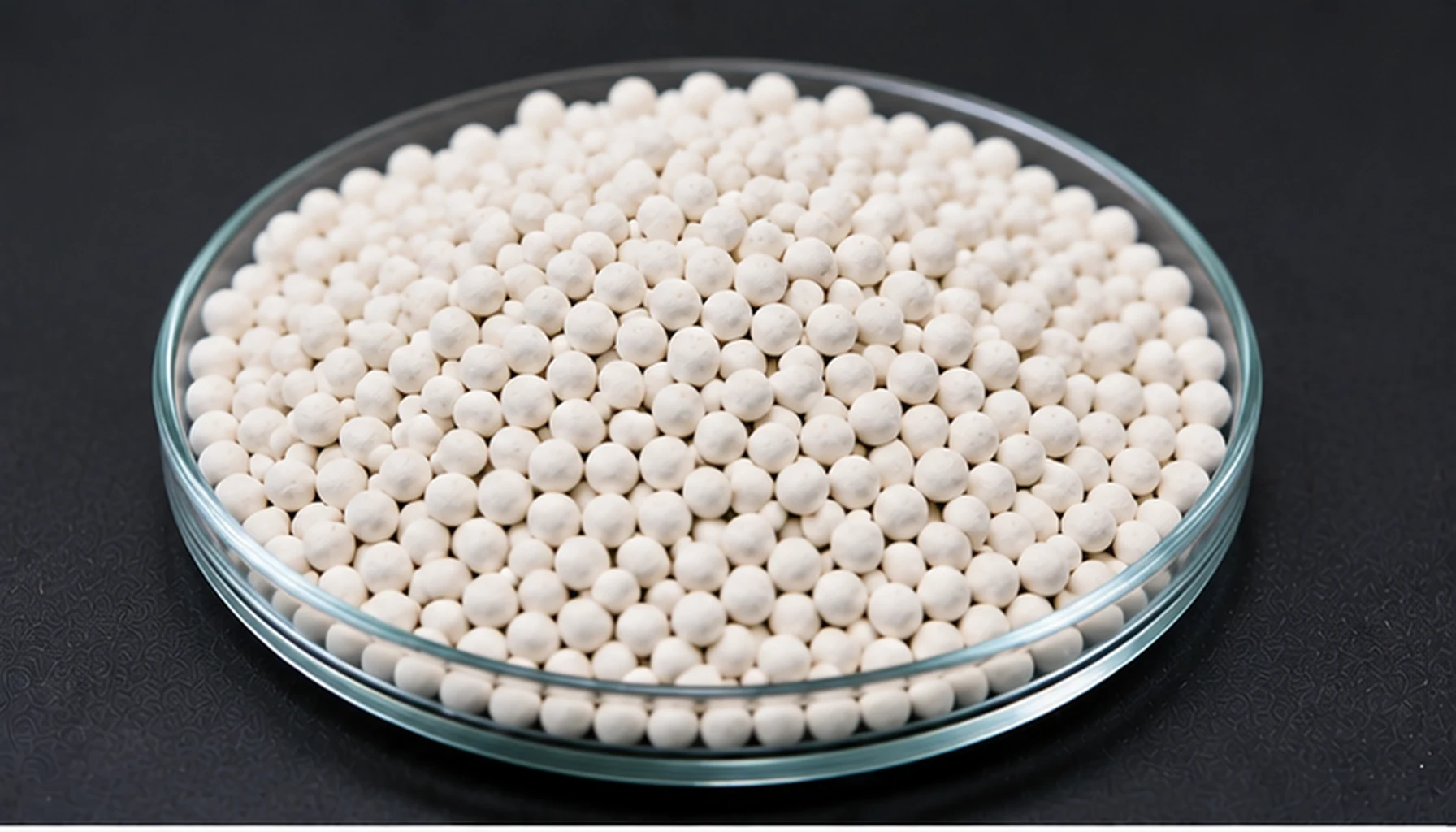
Activated alumina balls are porous aluminum oxide adsorbent media with high surface area, good mechanical strength and stable spherical shape. They are commonly reviewed for moisture adsorption, water treatment, impurity removal and selected support-media applications.
Activated alumina balls are used across several industrial applications, including compressed air drying, gas dehydration, fluoride removal, water treatment, purification systems and selected catalyst support or carrier applications.
Activated alumina balls may look similar across different suppliers, but adsorption performance, crush strength, attrition resistance, particle size distribution and application suitability can vary by grade and manufacturer.
Main Types of Activated Alumina Balls
Activated alumina balls should be selected according to the actual use. A drying grade, fluoride removal grade, purification grade or catalyst support grade may have different performance priorities and technical data.
Desiccant Grade
Used for compressed air drying, gas dehydration, instrument air drying and regenerative dryer applications.
Fluoride Removal Grade
Reviewed for fluoride adsorption in drinking water, groundwater and selected water treatment systems.
Purification Grade
Used in selected purification systems where moisture or impurities need to be reduced from gas or liquid streams.
Catalyst Support Grade
Reviewed for catalyst carrier or support-media applications where structure and mechanical strength are important.
Where Activated Alumina Balls Are Used
Activated alumina balls are versatile adsorbent media, but each application should be reviewed with operating conditions, adsorption target and product data before procurement.
Compressed Air Drying
Used in adsorption dryers where moisture needs to be removed from compressed air.
Gas Dehydration
Reviewed for selected process gas drying and industrial dehydration systems.
Fluoride Removal
Used as water treatment media for fluoride reduction under suitable water chemistry and system design.
Water Treatment Media
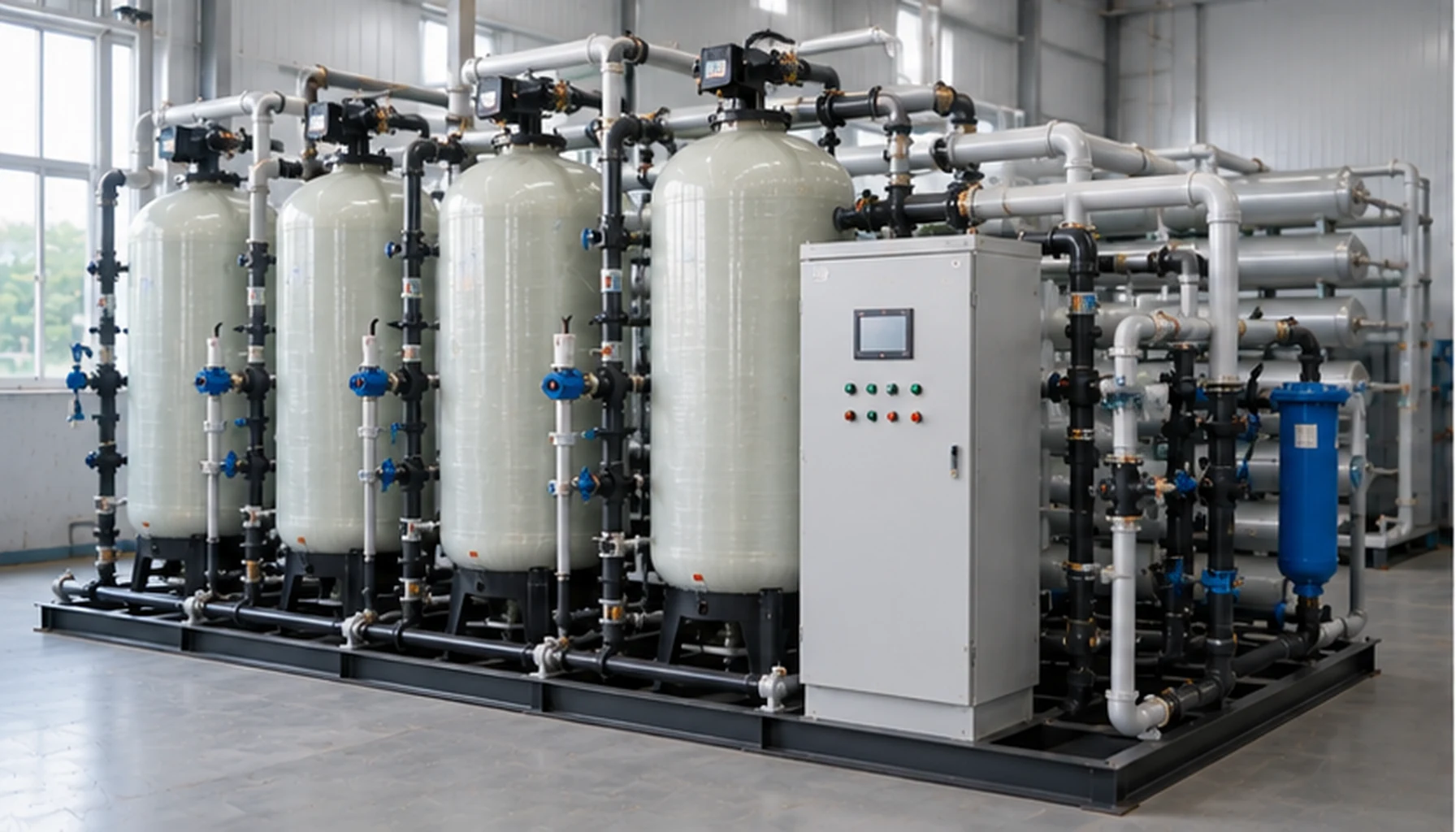
Applied in filtration or adsorption systems where particle size, bed design and water quality need to be reviewed.
Purification Systems
Used in selected gas or liquid purification systems depending on impurity target and operating condition.
Catalyst Support Applications
Reviewed for support-media applications where strength, surface property and size consistency are important.
Information Needed Before Selecting Activated Alumina Balls
Different activated alumina ball grades may be similar in appearance but different in application suitability. The following information helps compare grade, particle size, strength and documentation requirements.
Application
Drying, fluoride removal, water treatment, purification or support-media use.
Adsorption Target
Moisture, fluoride, impurity or other target to be reduced or controlled.
Process Medium
Air, gas, liquid or water composition and inlet condition.
Operating Condition
Pressure, temperature, flow rate, pH or other process conditions.
Particle Size
Required ball or bead size, particle distribution and pressure-drop condition.
Strength Requirement
Crush strength, attrition resistance, dust-control requirement and handling condition.
Bed Information
Vessel dimensions, bed depth, filling quantity and existing media grade.
Document Needs
TDS, SDS, COA, packing information and destination country.
Spherical Beads, Ball Size and Grade Confirmation
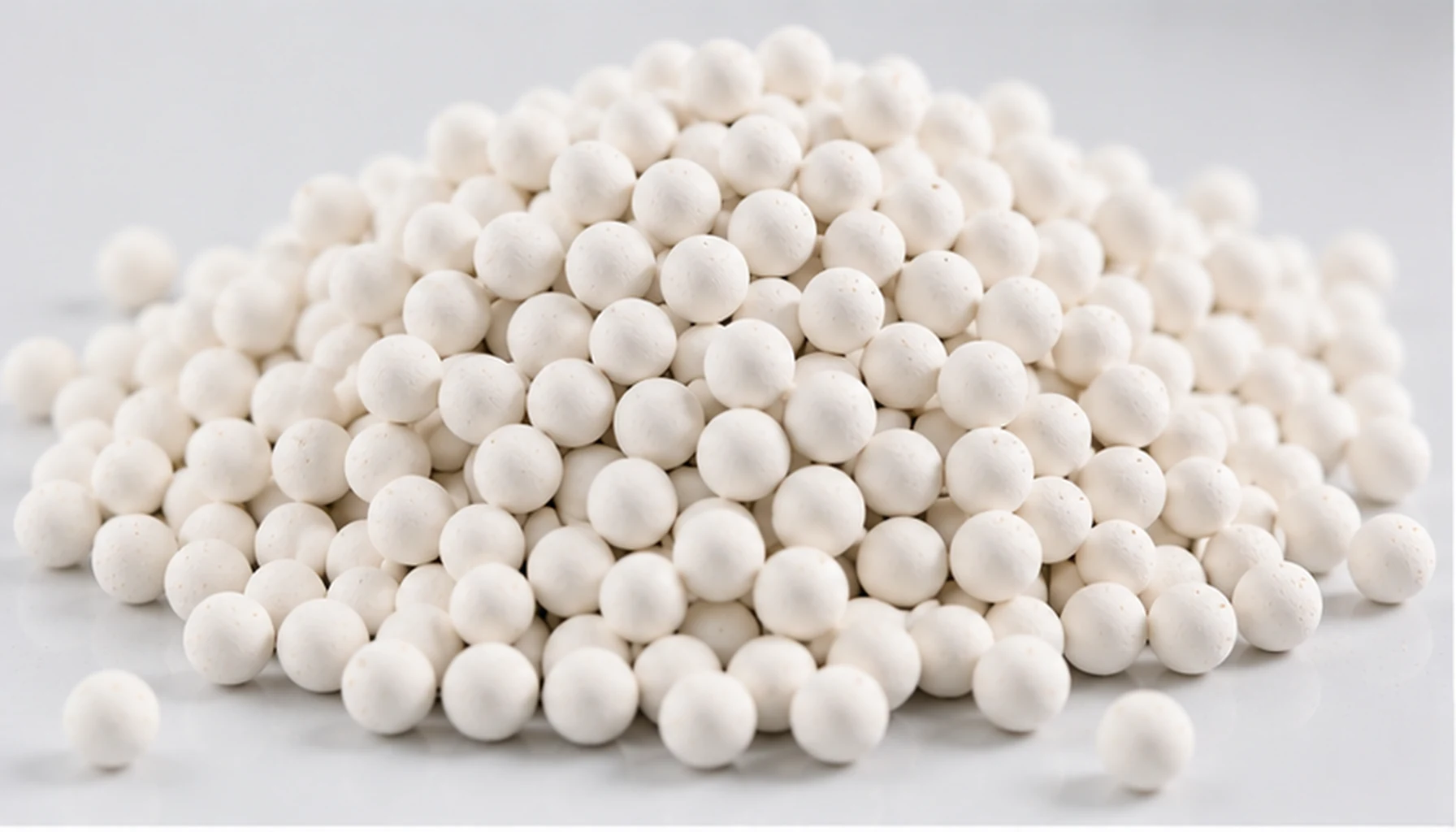
Activated alumina balls are commonly supplied as spherical beads or balls. Particle size should be reviewed with pressure drop, bed design, flow rate, adsorption target, mechanical strength and replacement conditions.
- Spherical activated alumina balls for selected adsorption applications
- Particle size selected according to system design and pressure-drop requirement
- Grade comparison based on application, TDS and COA data
- Packaging coordinated for storage, handling and export shipment
Common Activated Alumina Balls Supply Information
Adsorbent Source helps confirm technical data, packaging and export documents according to the selected activated alumina balls source and application requirement.
| Item | Common Options |
|---|---|
| Product Type | Activated Alumina Balls / Beads |
| Form | Spherical beads or balls, depending on selected grade and manufacturer availability |
| Typical Size | Confirm according to application, pressure-drop requirement and bed design |
| Main Use | Drying, fluoride removal, purification, water treatment and selected support-media applications |
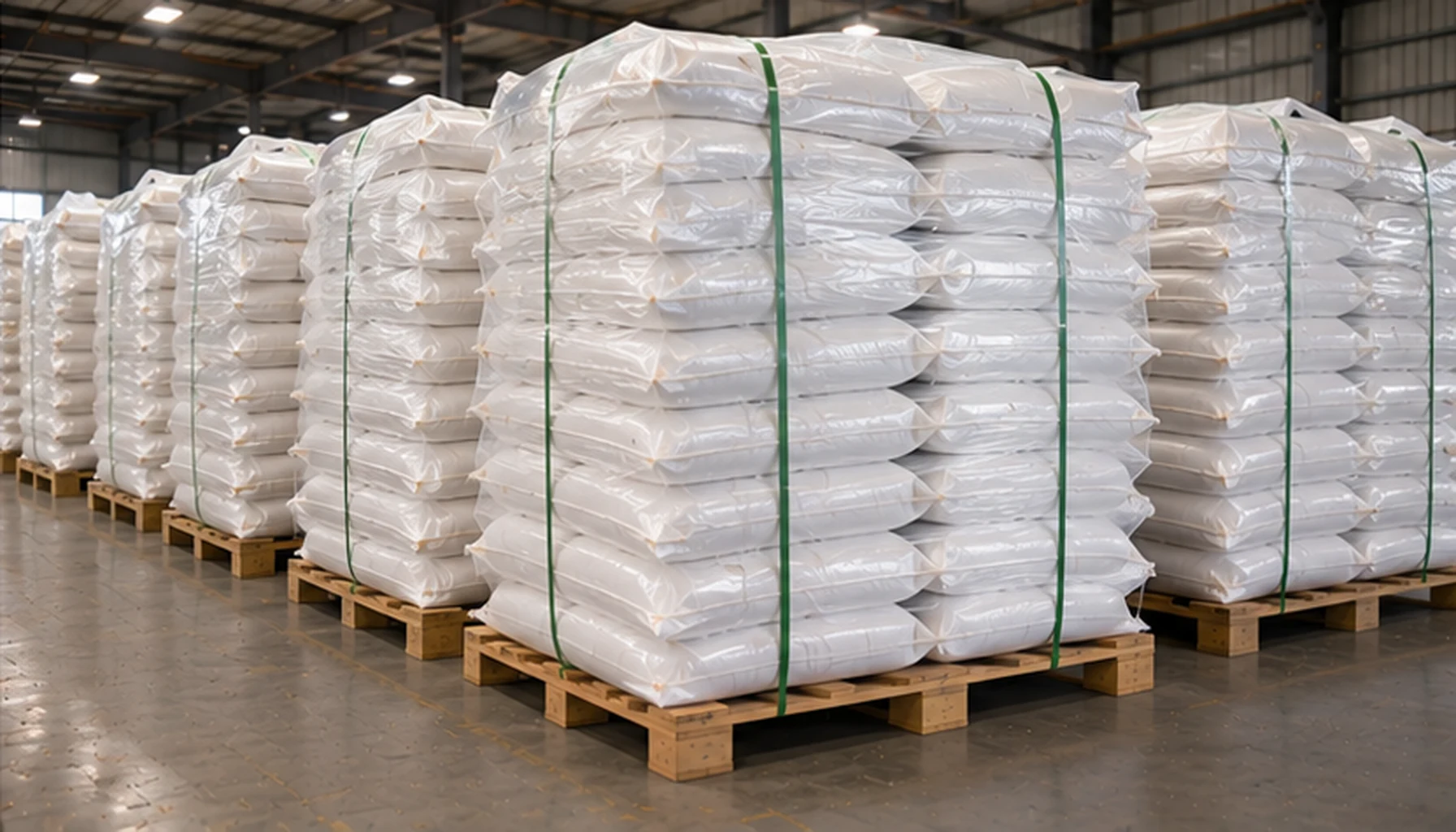
| Packaging | Bags, drums, cartons or palletized export packaging depending on quantity and shipment requirement |
| Documents | TDS, SDS, COA, packing information and export documents can be coordinated before shipment |
How to Choose the Right Activated Alumina Balls
Activated alumina balls should be selected according to the actual application rather than appearance alone. A desiccant grade for compressed air drying may not be the same as a fluoride removal grade for water treatment or a support grade for catalyst applications.
Adsorbent Source helps buyers compare application direction, particle size, mechanical strength, adsorption target, packaging and technical documents before sample or bulk supply.
Confirm Application
Clarify drying, water treatment, purification or support-media direction.
Check Target
Confirm moisture, fluoride, impurity or other adsorption target.
Review Size and Strength
Match particle size, pressure drop, crush strength and handling needs.
Compare TDS and COA
Review manufacturer technical data and certificate information.
Send Your Activated Alumina Balls Requirement
Share the application, adsorption target, treated medium, operating condition, particle size, existing media grade and filling quantity. Adsorbent Source will help review suitable activated alumina balls supply options and documentation needs.
Contact Adsorbent SourceRecommended Information for RFQ
- Application
- Adsorption target
- Air, gas, liquid or water to be treated
- Inlet condition
- Target outlet requirement
- Operating pressure
- Operating temperature
- Flow rate
- Required particle size
- Crush strength requirement
- Existing media grade
- Filling quantity
- Estimated quantity
- Destination country
- Required documents
Activated Alumina Balls Questions
What are activated alumina balls used for?
Activated alumina balls are used for compressed air drying, gas dehydration, fluoride removal, water treatment, purification systems and selected catalyst support applications.
Are activated alumina balls the same as activated alumina beads?
In many procurement contexts, activated alumina balls and activated alumina beads refer to spherical activated alumina media. Final specification should be confirmed by grade, particle size and technical data.
Can activated alumina balls be used for air drying?
Yes. Activated alumina balls are commonly reviewed for compressed air drying, gas dehydration and regenerative dryer systems when the grade and particle size match the dryer design.
Can activated alumina balls remove fluoride from water?
Activated alumina can be used as fluoride removal media under suitable water chemistry, pH, contact time and filter design conditions. Fluoride removal grade should be confirmed separately from desiccant grade.
How do I choose activated alumina ball size?
Particle size depends on application, vessel design, flow rate, pressure drop, bed depth, contact time and replacement compatibility.
What is the difference between desiccant grade and fluoride removal grade?
Desiccant grade is selected for air and gas drying. Fluoride removal grade is selected for water treatment according to fluoride level, pH, water chemistry, contact time and filter design.
What documents can Adsorbent Source provide?
Adsorbent Source can help coordinate TDS, SDS, COA, packing information and export documents according to the selected product source and order requirements.
Does Adsorbent Source support samples?
Sample availability can be checked after application, particle size, grade requirement, estimated quantity, destination country and document requirements are clarified.